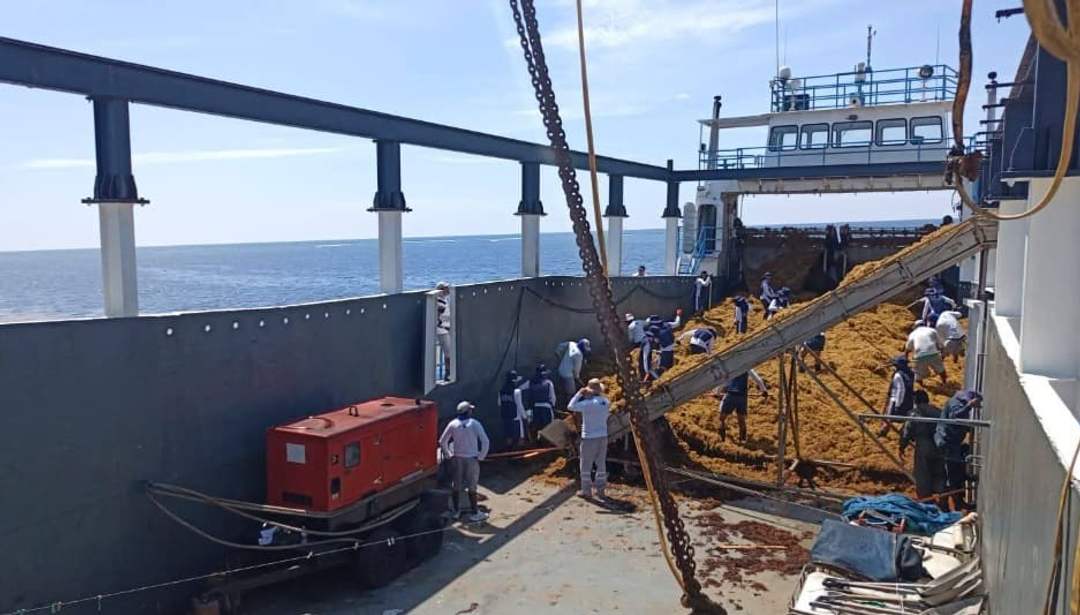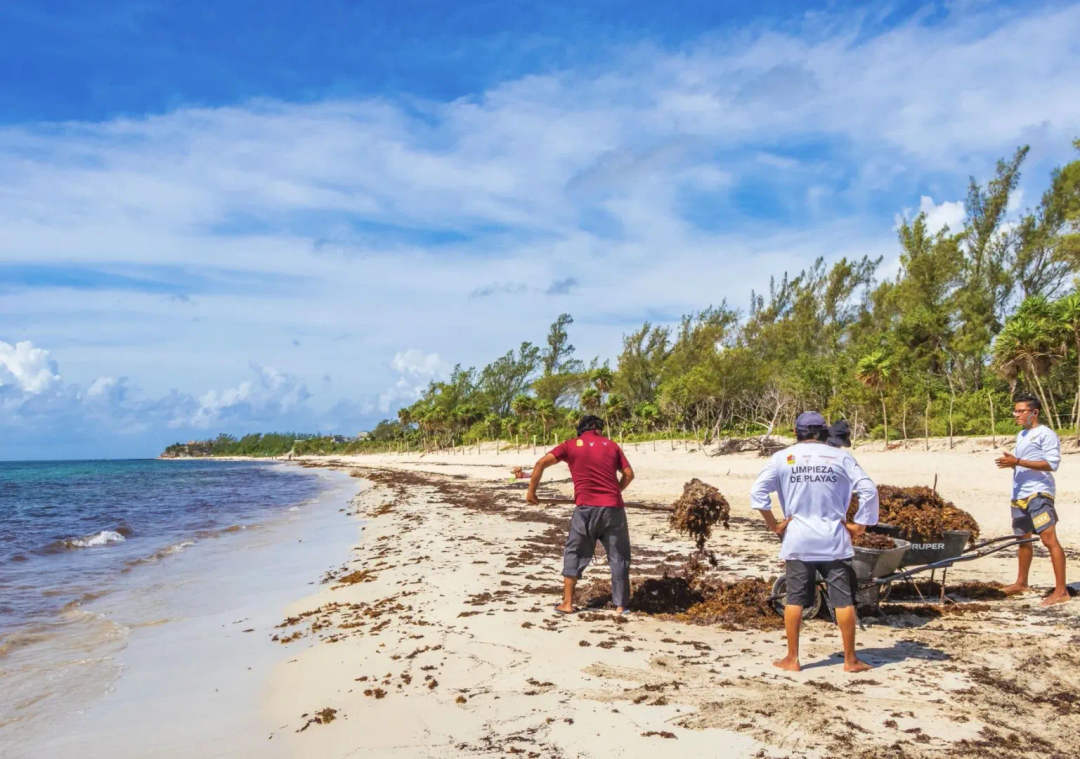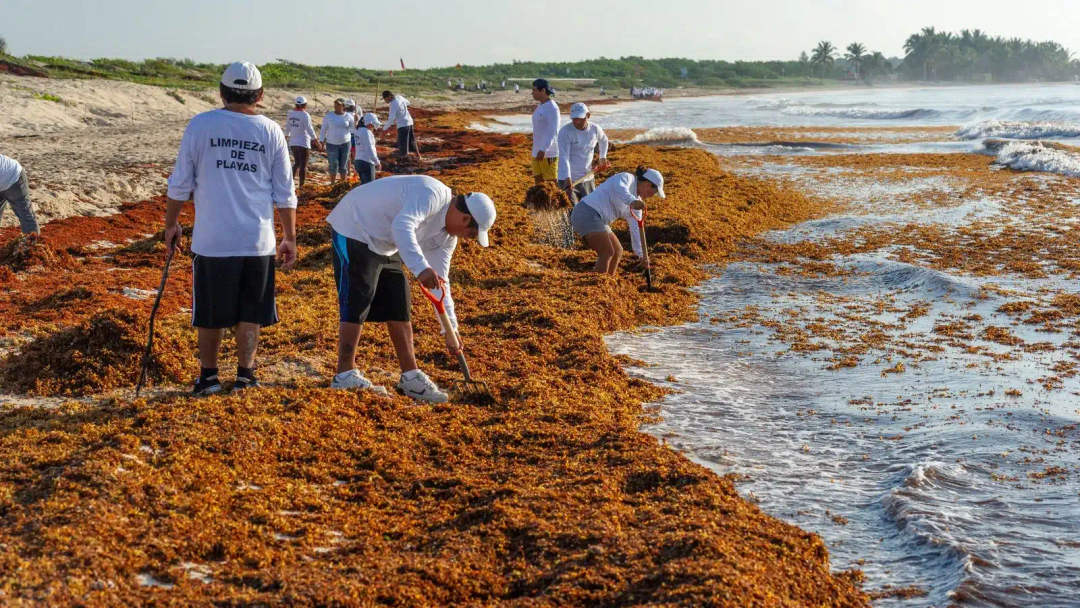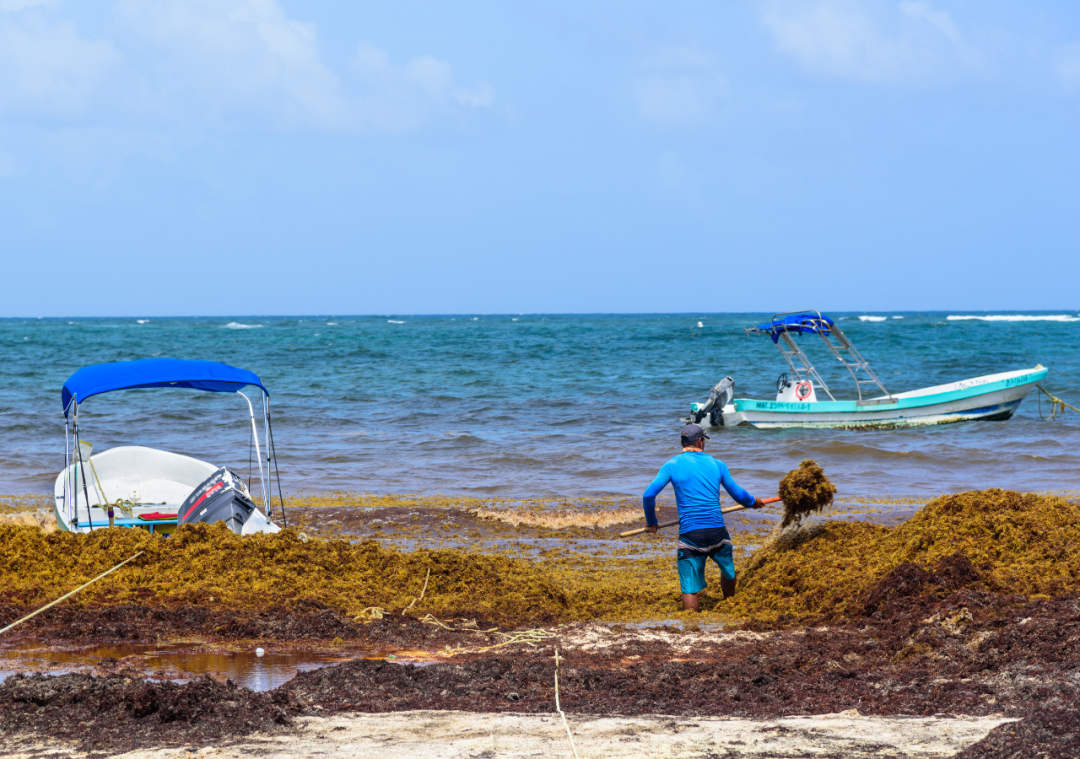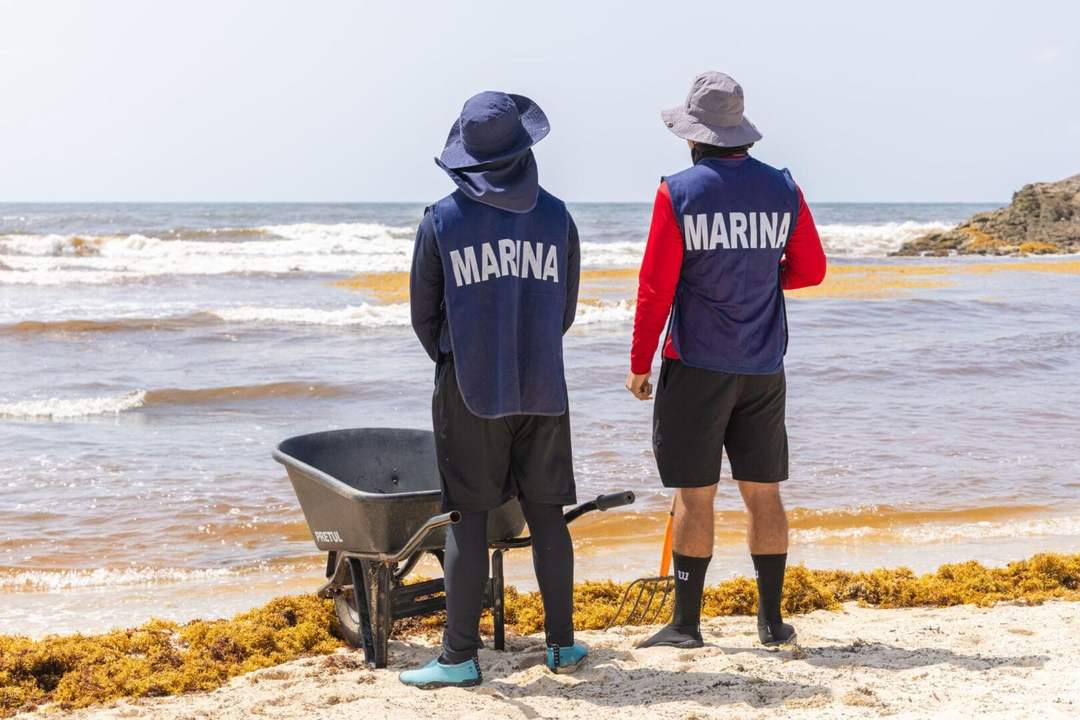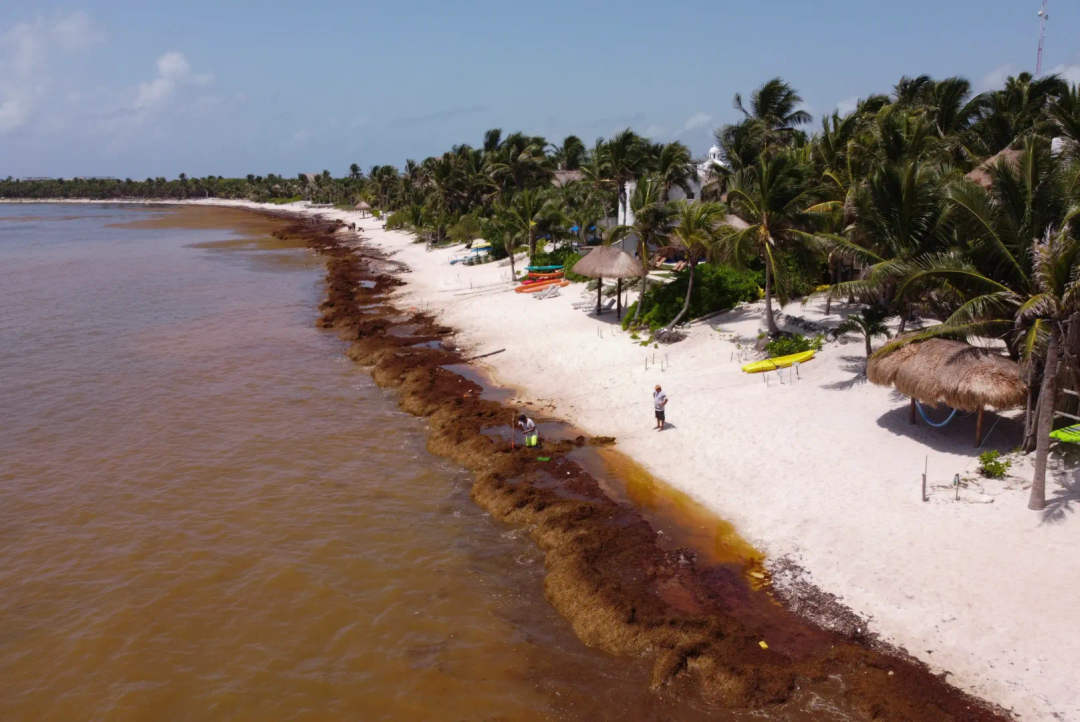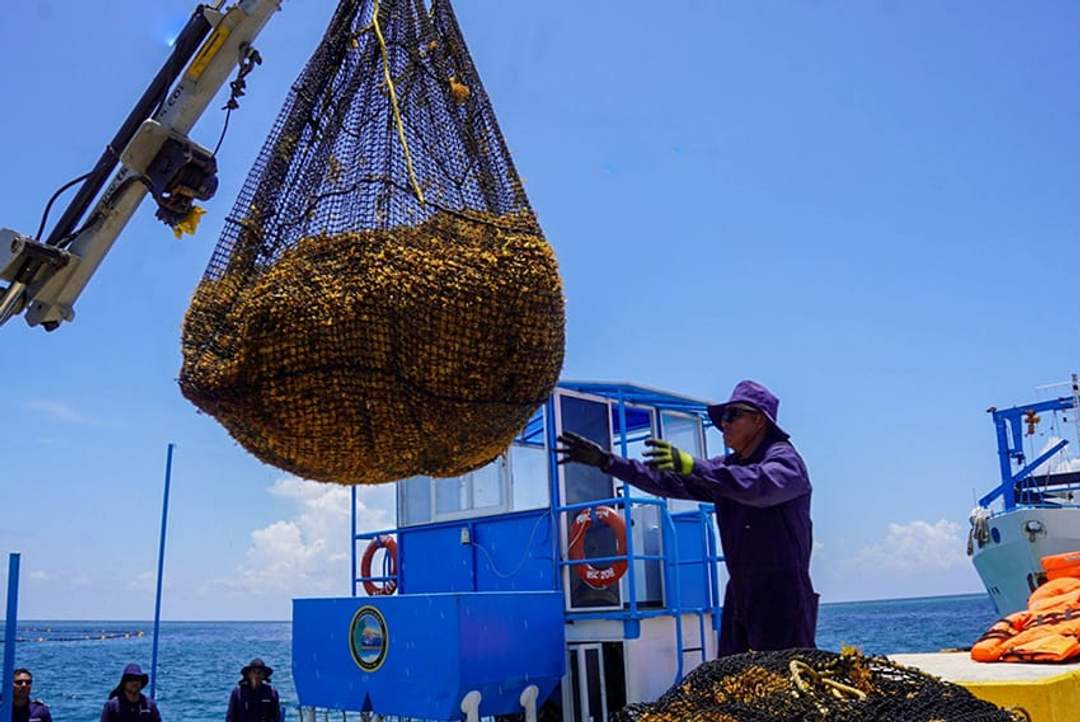
Tulum Sargassum Cleanup Volunteers Remove Tons of Seaweed
Join the Tulum sargassum cleanup as volunteers remove tons of seaweed, restoring pristine beaches and protecting marine life. See how you can help this vital initiative.
164 total stories · archive page 6 of 9

Join the Tulum sargassum cleanup as volunteers remove tons of seaweed, restoring pristine beaches and protecting marine life. See how you can help this vital initiative.

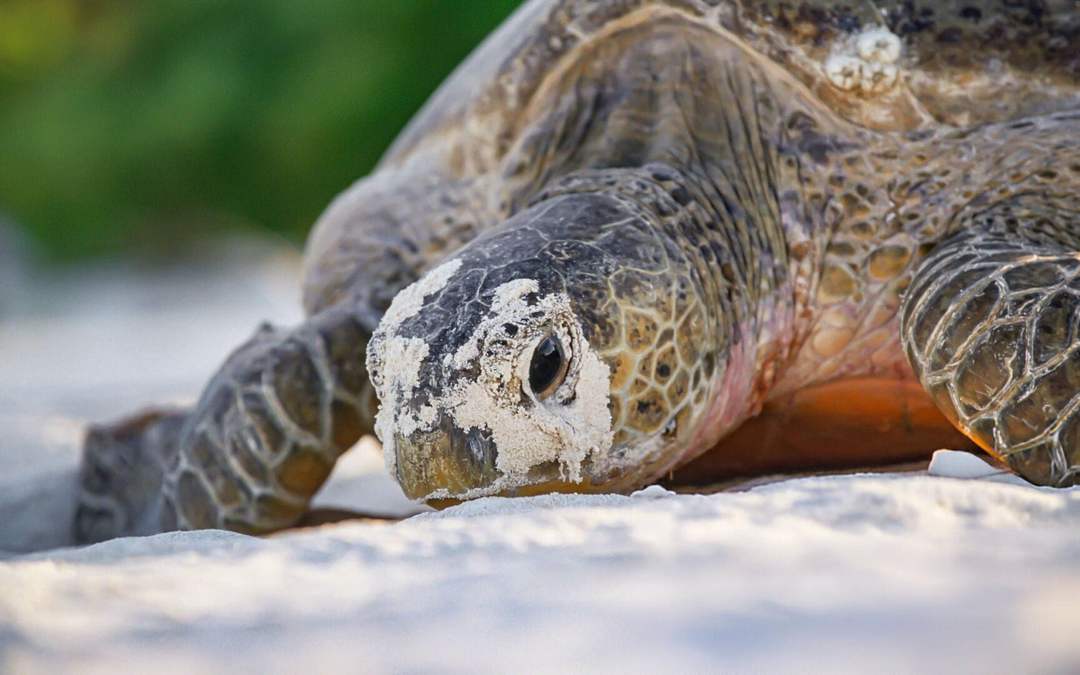
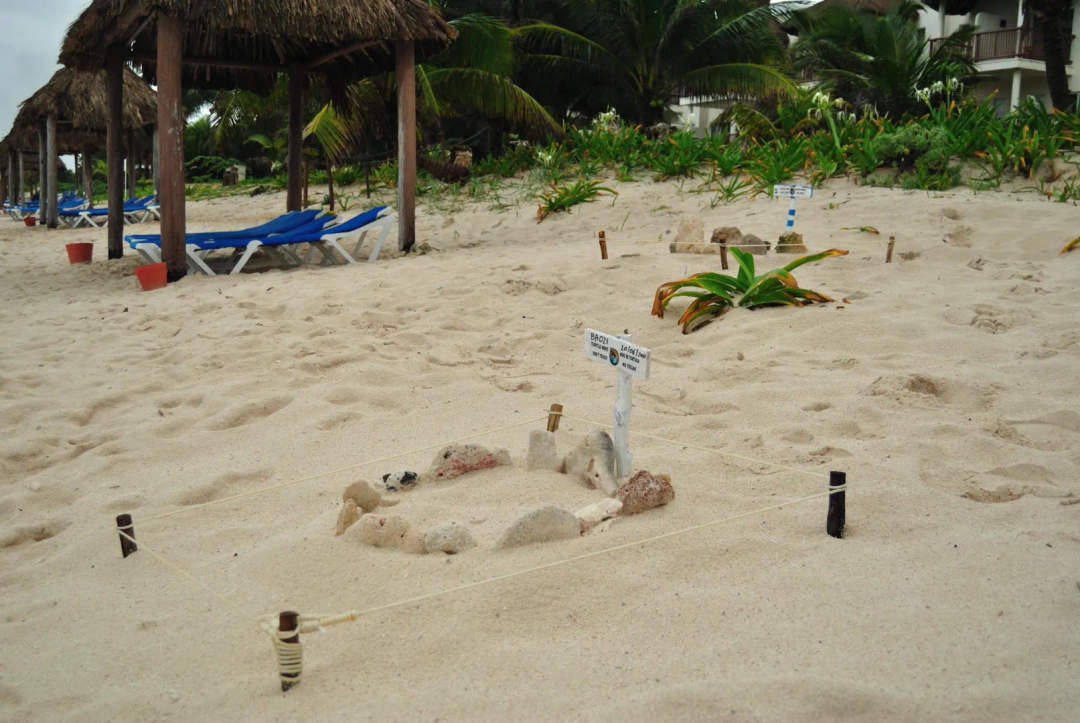
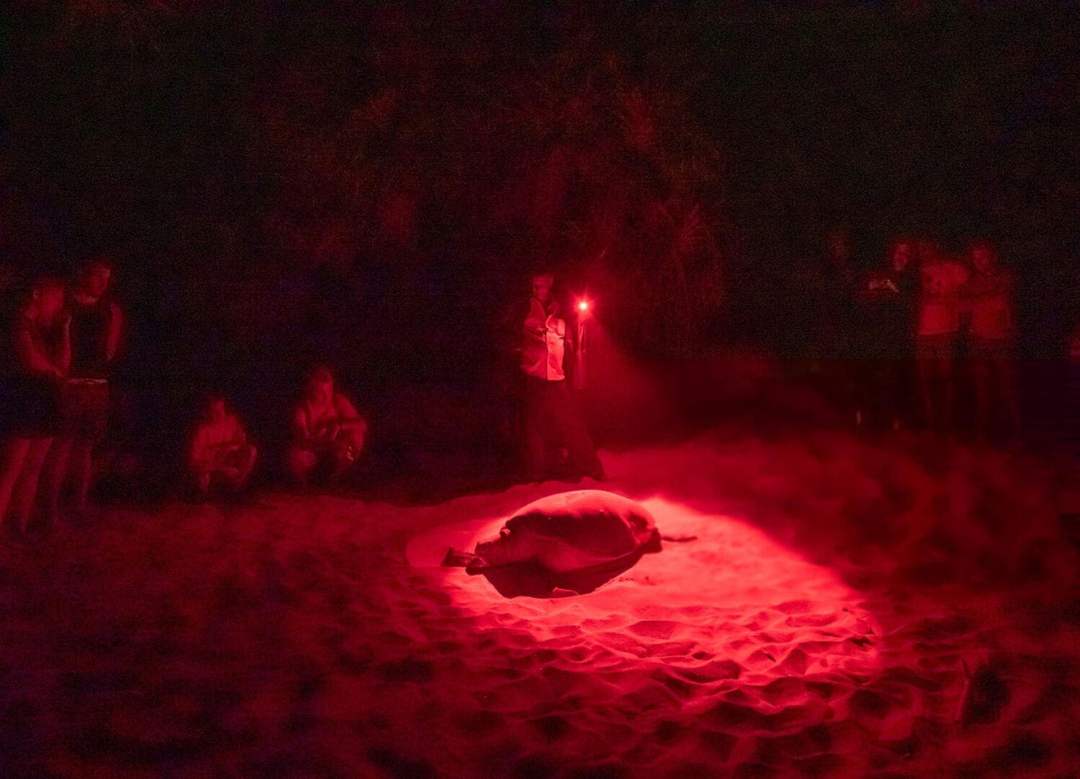
Tulum’s sea turtle nesting season drives a major conservation campaign involving locals, hotels, and officials protecting 80 km of beach and raising awareness against poaching.

Celebrate World Sea Turtle Day as Eco‑Bahía engages kids in Akumal and Chemuyil with hands‑on turtle conservation, from hatchery tours to reusable bottle pledges—all fostering lifelong guardians of the sea.
Discover how over 37,000 tons of sargassum in Quintana Roo are endangering beaches, tourism, and marine life, and what authorities are doing to tackle the crisis.

Sargassum floods Mexico’s Caribbean beaches, disrupting tourism and ecosystems. Experts warn 2025 may surpass past records, while official responses remain slow and underfunded.

Join Tulum Sargassum Beach Cleanup on June 15 to protect marine life and preserve pristine shores. Sign up now for gloves, tools, and community impact.

Zofemat Tulum crews battle record Sargassum in Tulum, hauling 300–440 tons of seaweed monthly. With peak season stretching April–November 2025, they fight daily to keep beaches alive.

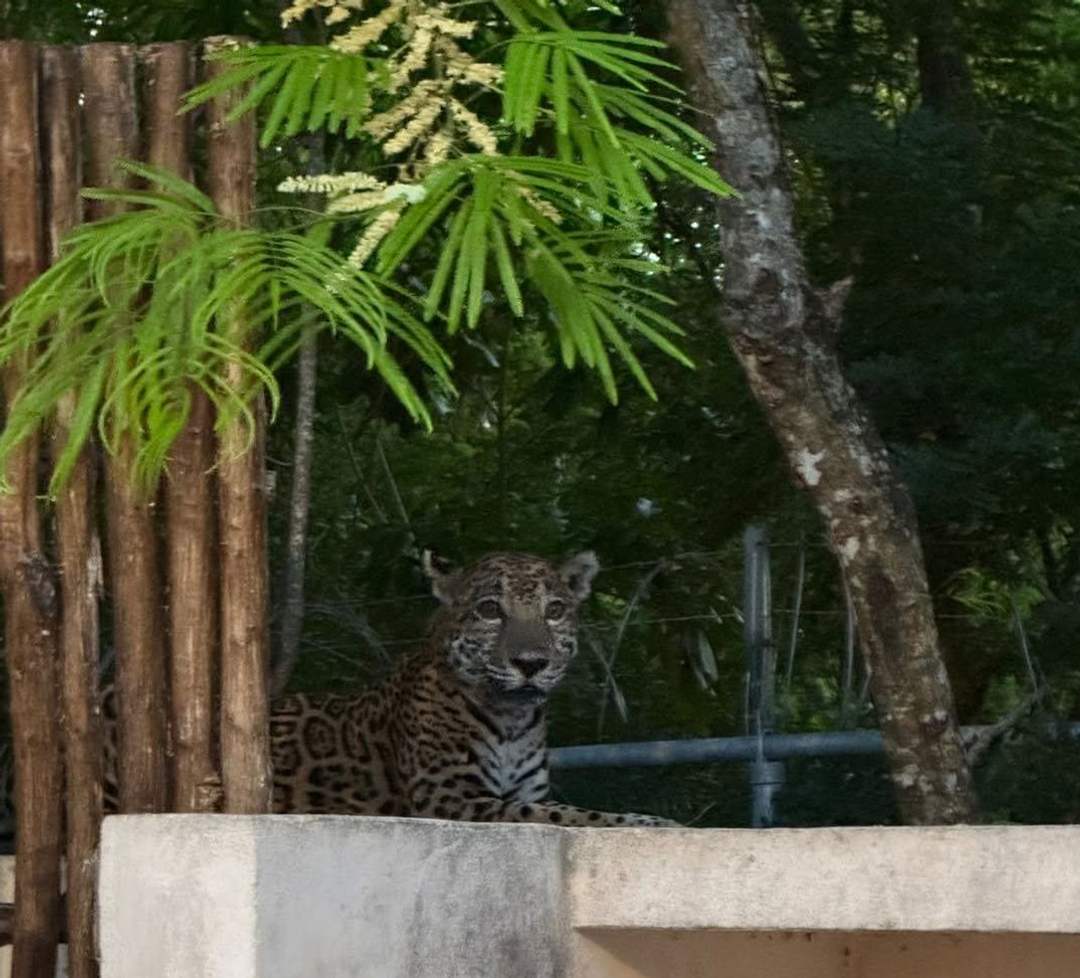
CONANP trained local groups in Tulum to use SMART Mobile, enabling community-led monitoring and protection of biodiversity in the Jaguar Flora and Fauna Protection Area and Tulum National Park.

Stay safe with our guide to Yucatan hurricane alerts 2025. Learn the 5 color-coded warning levels, what each means, and how to prepare for storm season in Yucatan.

From Cancún to Tulum, beaches face an unprecedented sargassum influx. Scientists point to changing currents, warmer waters and nutrient runoff as causes. Explore how this seaweed tide impacts coastal communities and tourism.

Beekeepers in Quintana Roo report a significant uptick in honey production this year, crediting favorable weather and improved practices. The Dzibzilche cooperative eyes new markets while promoting sustainability and bee health.

Sea turtle nesting in Tulum stirs hearts and science in 2025, blending Mayan legacy, ecology, and community-led conservation as over 17,000 nests spark awe and action on sacred Caribbean shores.

Sargassum in Mexico 2025 brings record seaweed to Caribbean shores, threatening tourism, marine life, and health, while communities respond with cleanups, innovation, and collective resilience.

On World Oceans Day, Tulum hosts a powerful event blending art, healing, and sustainability to inspire action for the climate and protection of our planet’s marine ecosystems.

Tulum authorities, joined by federal agencies and volunteers, initiated a beach and coastal conservation campaign emphasizing debris removal, habitat restoration and community-driven shoreline protection.
Quintana Roo authorities report major strides in controlling and collecting sargassum, protecting coastal environments and boosting public confidence. Discover the strategies driving this environmental win.

A massive sargassum bloom threatens the Mexican Caribbean in 2025, surpassing 2018 levels. Experts warn of long-term ecological damage and urge coordinated, sustained action.

Local officials have formed a specialized committee, strengthened infrastructure, and launched training initiatives to bolster Tulum’s readiness for the 2025 hurricane season, ensuring swift, coordinated community response.
A historic federal injunction halts a disputed coastal project in Tulum, spotlighting the clash between developers and environmental safeguards. Local authorities celebrate a legal victory that could reshape future coastal protections.

A massive belt of seaweed is sweeping across the Atlantic, poised for an unprecedented influx into the Mexican Caribbean. Coastal communities brace for potential impacts on tourism, fishing, and ecosystems. What’s next?