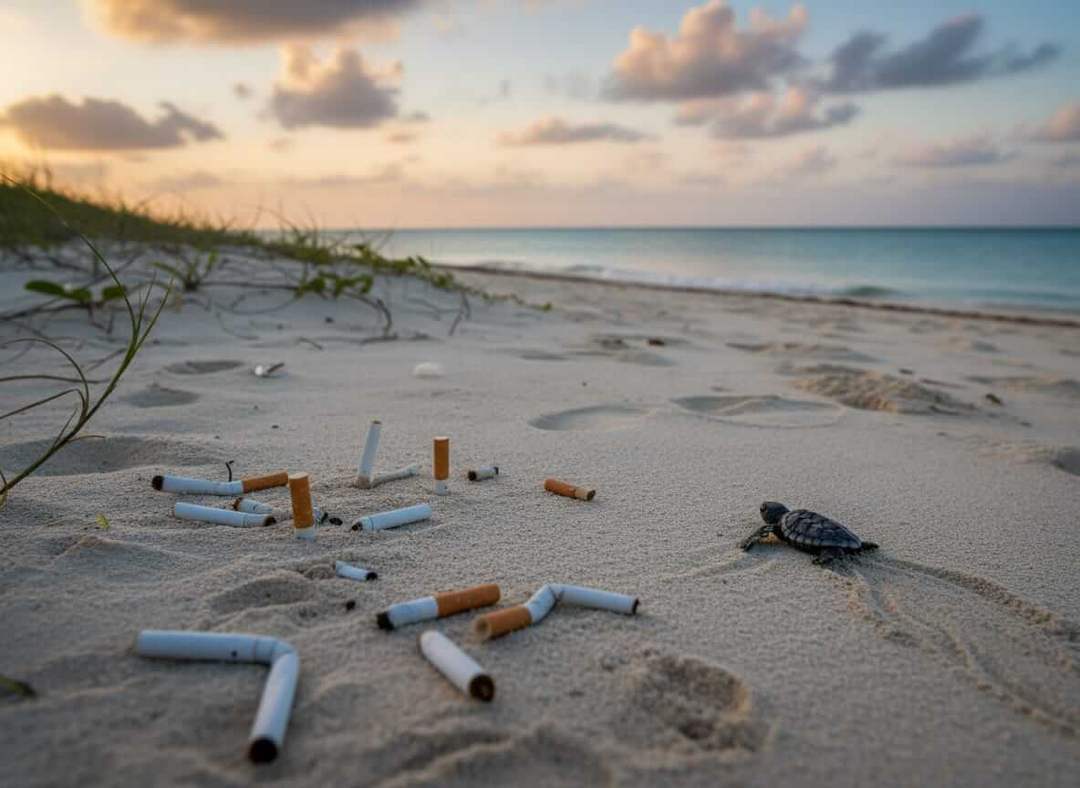
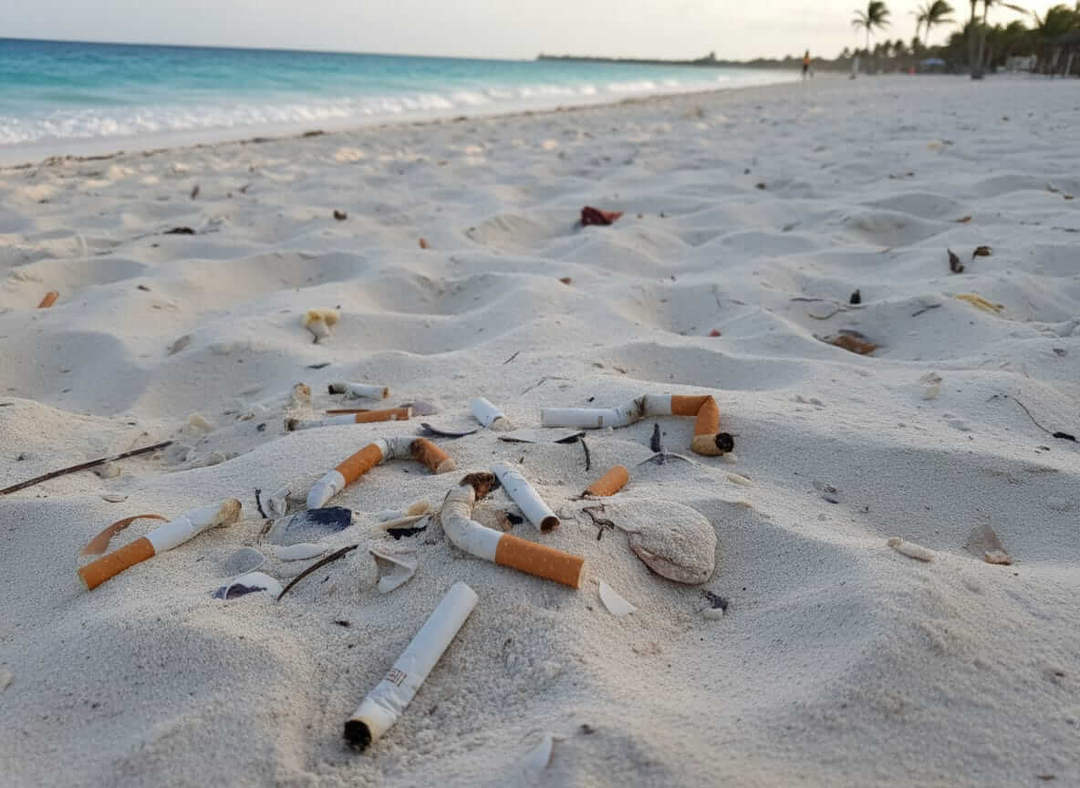
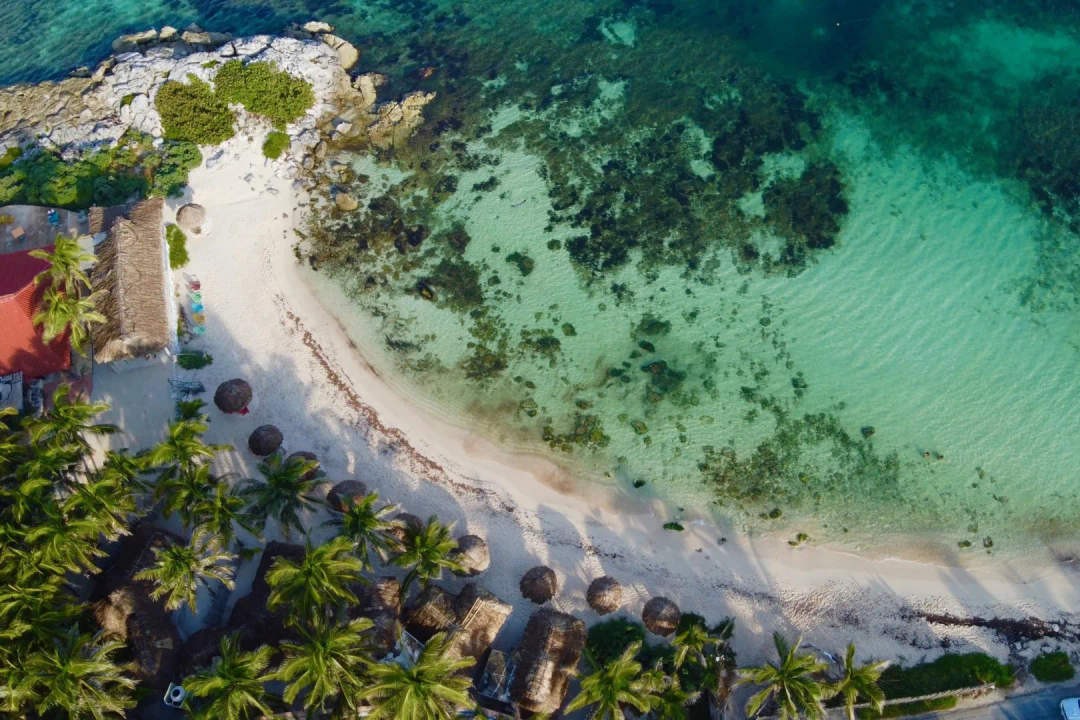
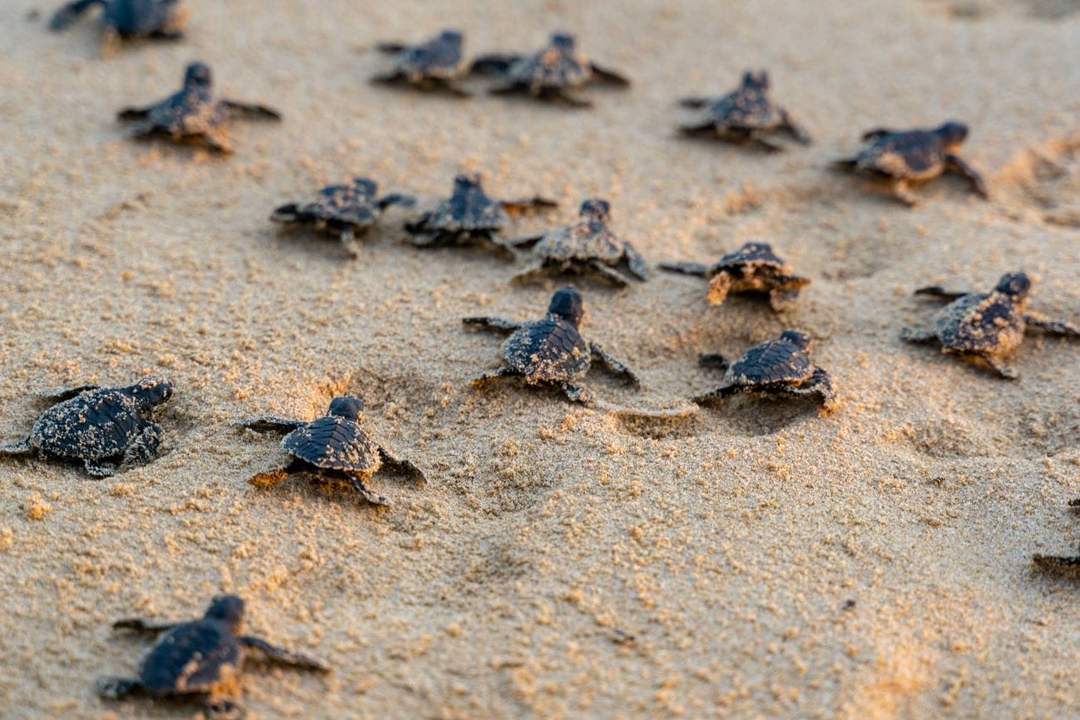
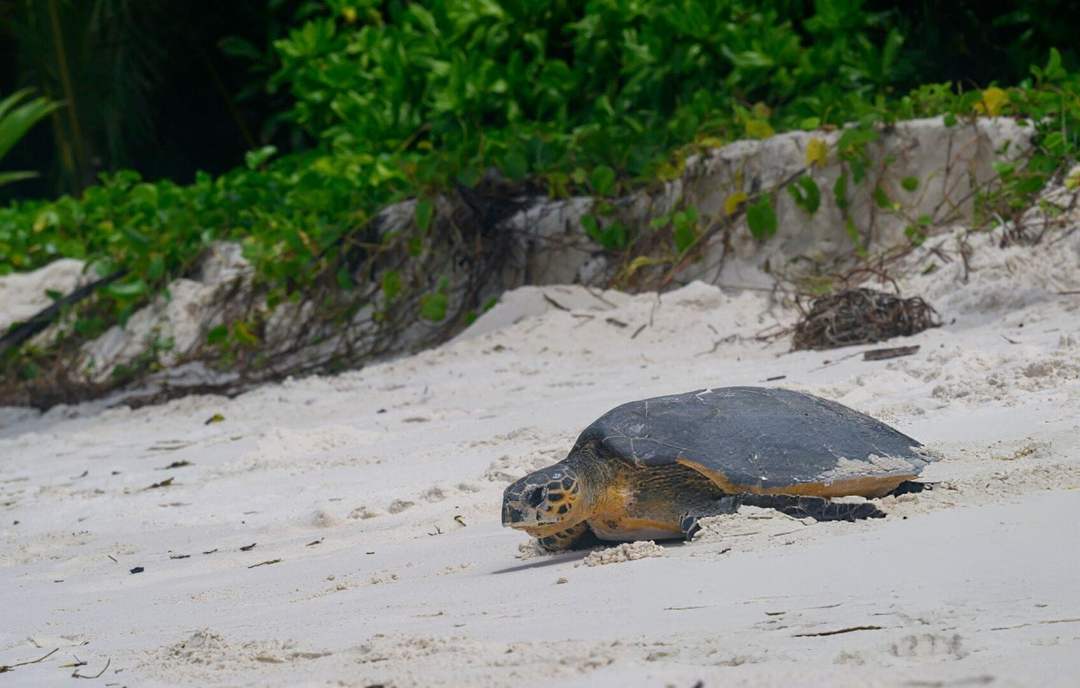
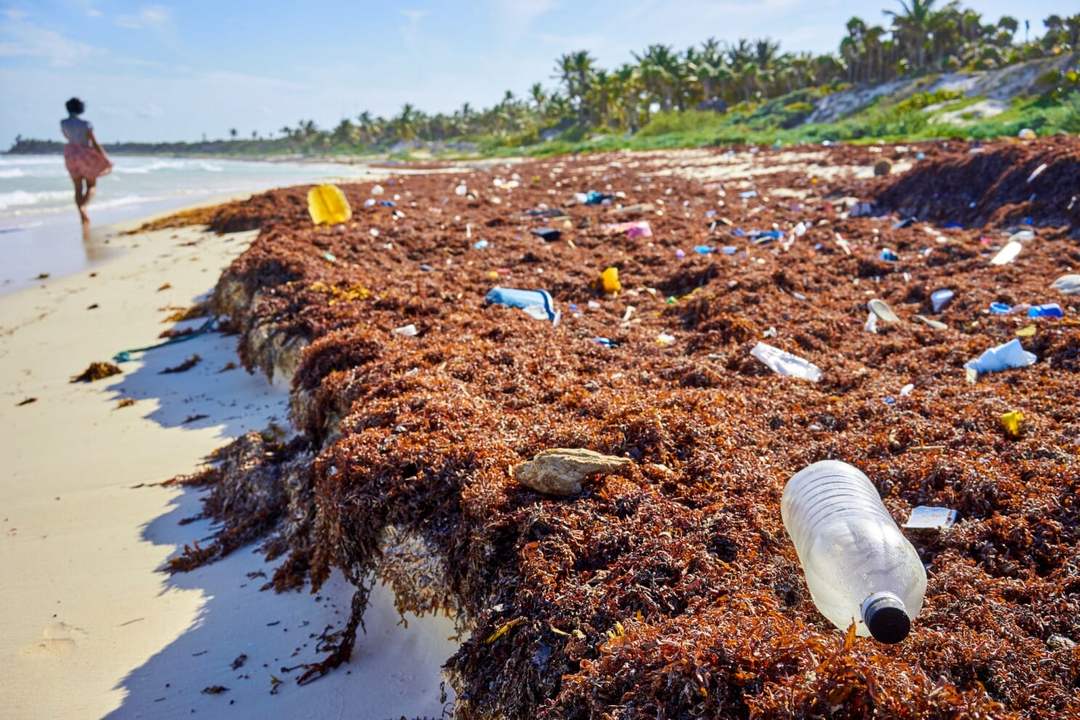
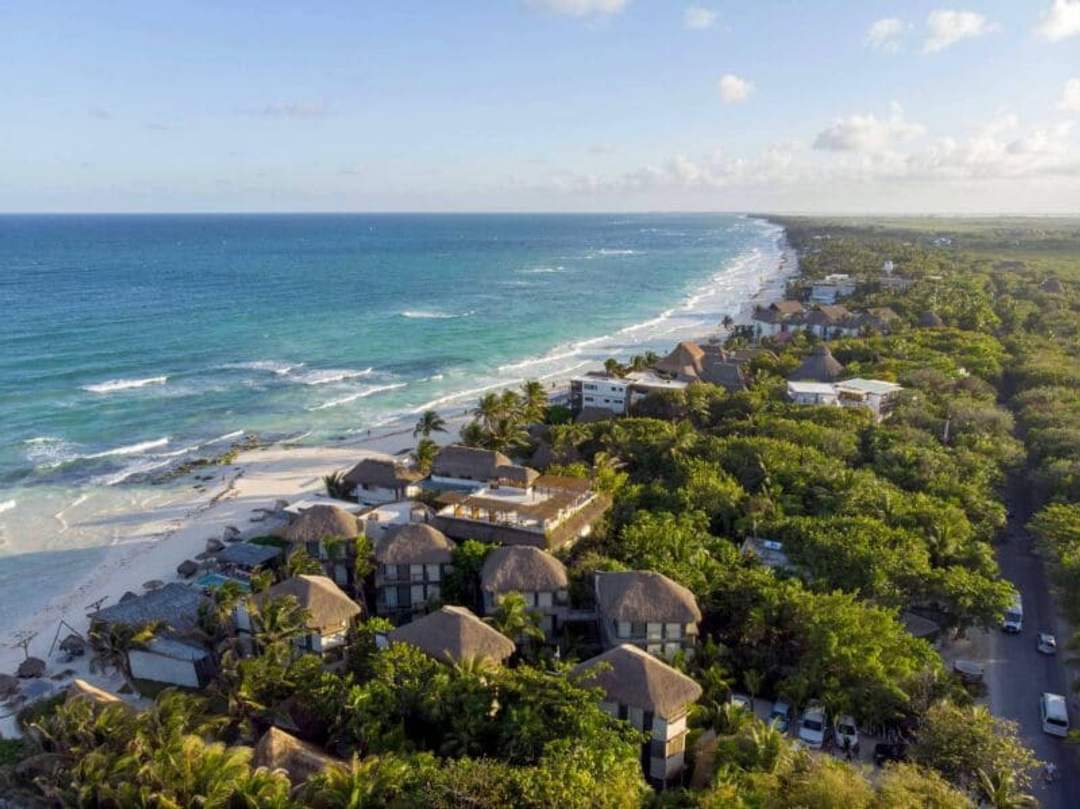
Between 300 and 500 cigarette butts collected daily along the coastal stretch from Punta Piedra to Playa La Conchita might sound like a small detail in the daily life of Tulum. Yet this is the figure that Zofemat Tulum says now threatens one of the most delicate periods of the year: the active nesting season for sea turtles. The scale of the contamination has once again raised the question of how a seemingly minor habit can shape the future of an entire coastline. Discover how this impacts Tulum's beaches and what can be done to help.
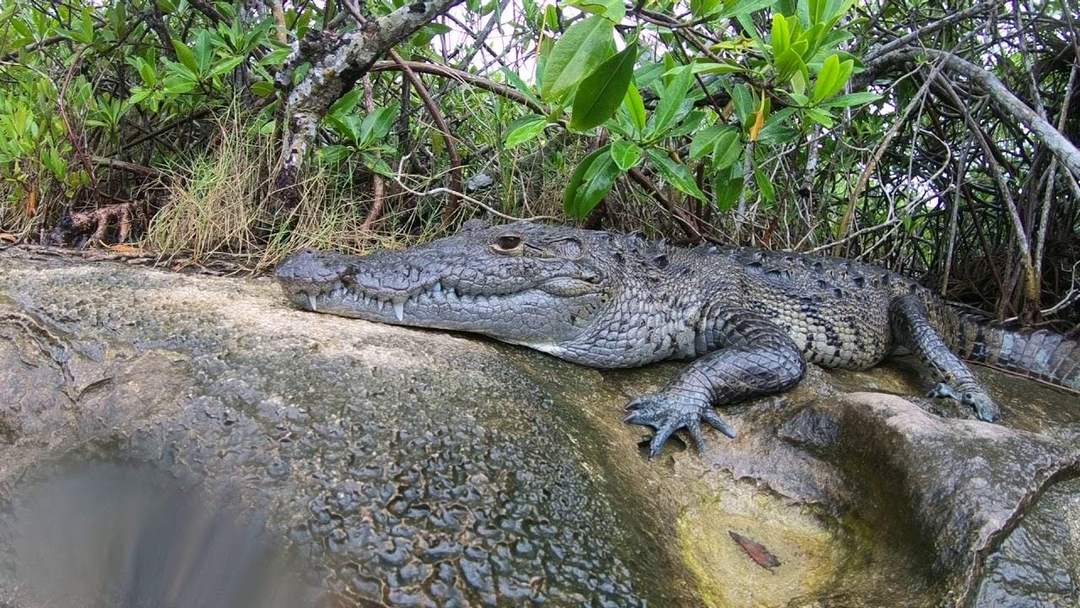
A video of tourists provoking a crocodile in Tulum went viral after they mistook the reptile for a decoration, sparking criticism about wildlife awareness in the region.
Tulum reaffirms its environmental leadership with new Playa Platino and NOM 120 White Flag certifications, solidifying its role as a Quintana Roo model for sustainable coastal management.
Semarnat authorized the Aktun Chen ecotourism park in Tulum after previous Profepa sanctions, granting 18 months for regularization and 50 years of operation under new environmental compliance rules.
A Tulum visitor used a rake to protect endangered sea turtles from hungry birds, highlighting local efforts to safeguard Mexico’s fragile marine life on the beaches of the Riviera Maya.
Tulum’s turtle nesting season is under threat from roaming dogs and rising pollution. Conservationists urge action to protect endangered species along the Riviera Maya’s coastline.
Tulum is facing a surge in mosquitoes this September, fueled by rain, humidity, and urban growth. Locals and tourists are adapting — but the jungle isn’t giving in without a fight.
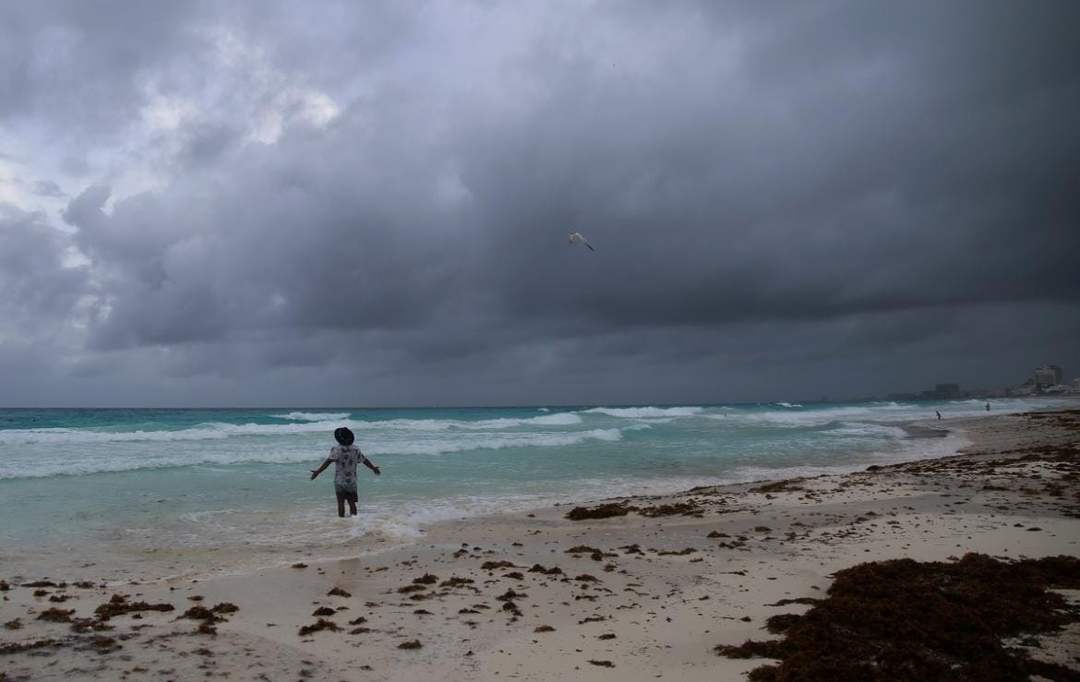
Tulum’s hurricane season runs from June to November, peaking between August and October. Residents and visitors must stay informed and ready as storms can hit early—or late.
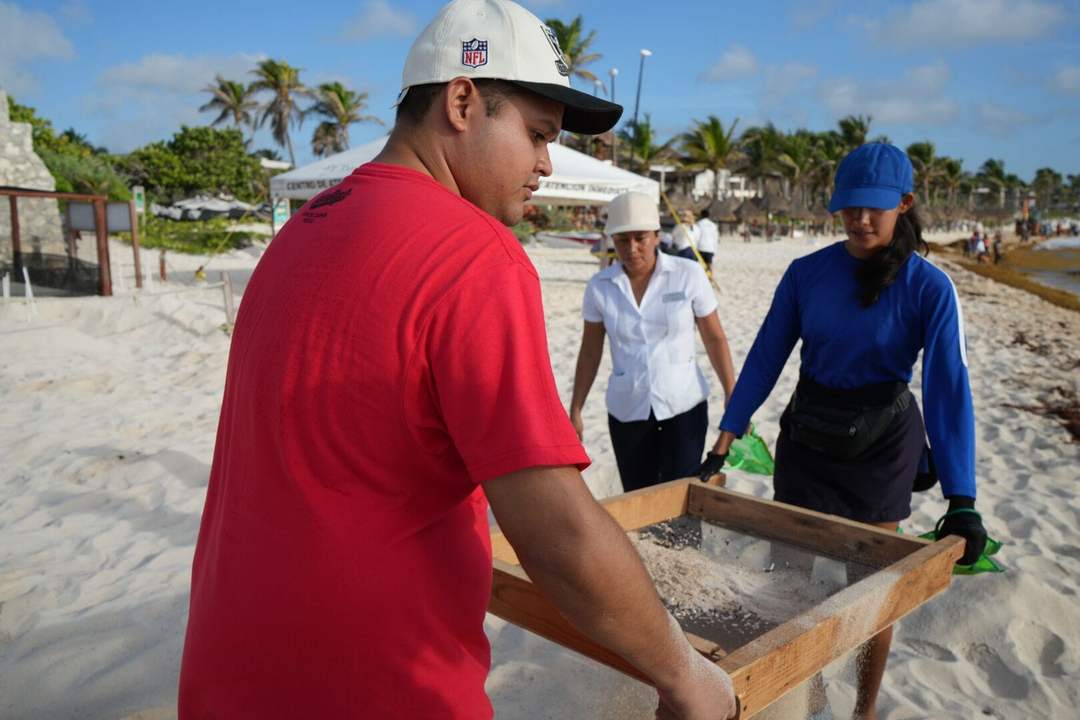
Volunteers in Tulum removed 206 kg of trash from Tankah beach, a key turtle nesting site, in a cleanup organized by the Sea Turtle Conservation Program Riviera Maya Tulum.
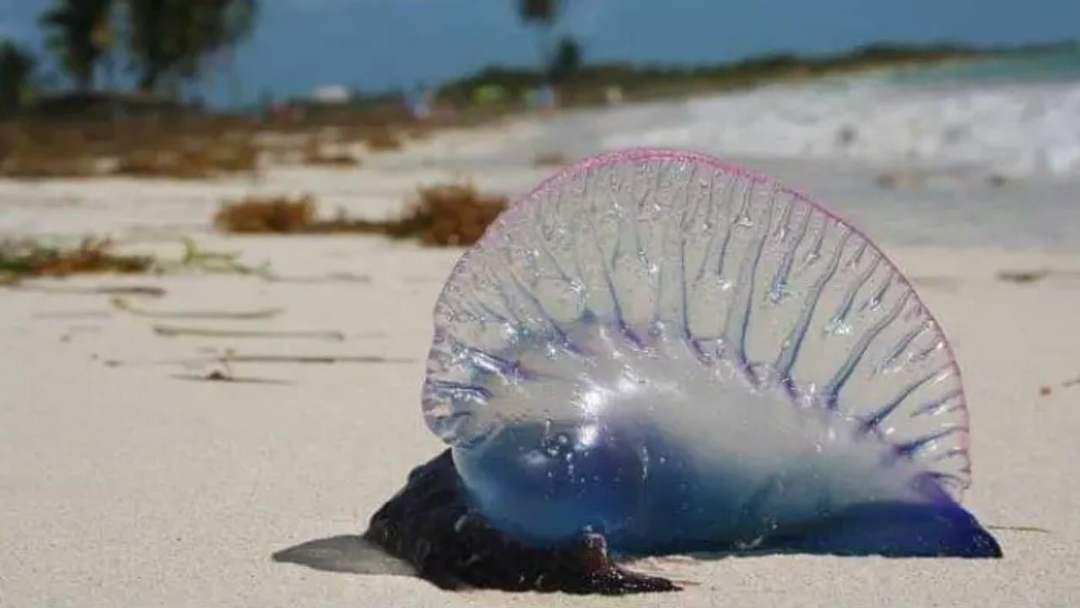
Portuguese man-of-war have been reported on Tulum beaches, raising safety alerts for tourists and residents in Quintana Roo and putting new focus on beach safety in Mexico’s Riviera Maya.
Programa SAK’s latest coastal cleanups in Tulum removed 243 nurdles and exposed troubling waste patterns, highlighting the urgent need for marine conservation in Quintana Roo.
Tulum will see rain this weekend due to a tropical wave and humidity from Central America, but Civil Protection confirms no cyclone threat for Quintana Roo or the Caribbean.
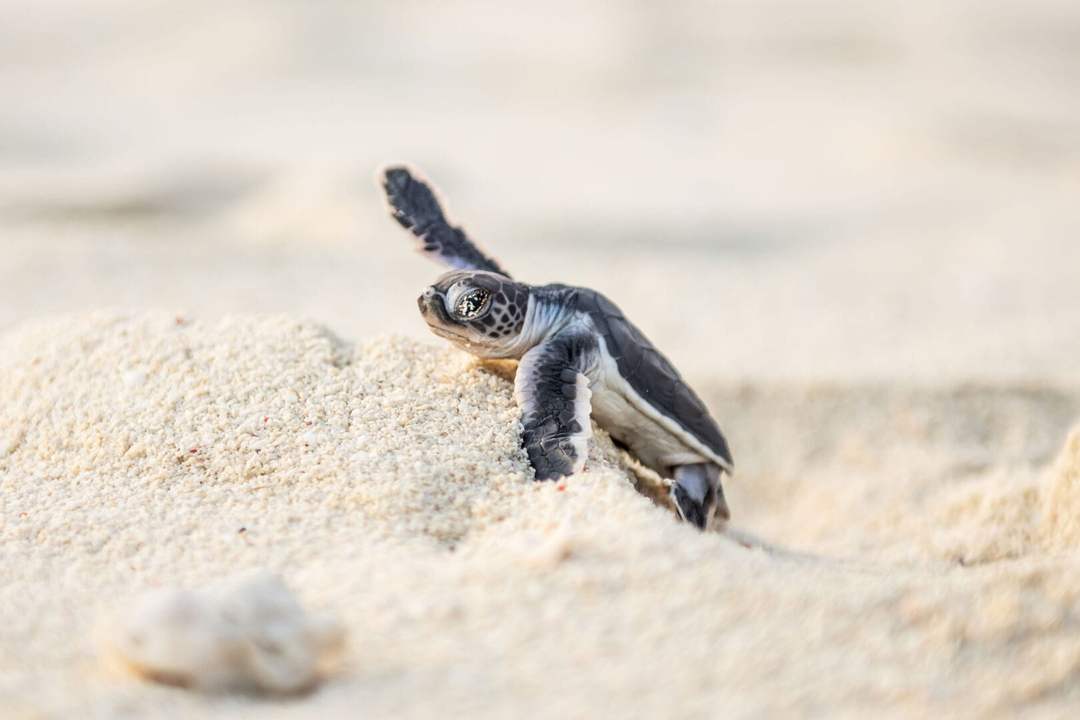
Sea turtle hatchlings emerged at Playa 72 in Playa del Carmen, marking the peak of nesting season in the Riviera Maya. Learn how to protect them if you encounter this rare natural event.
Despite a plastic ban, Quintana Roo beaches still suffer. Volunteers removed over 9,000 kilos of trash as pollution threatens marine life, tourism, and human health across the Riviera Maya.
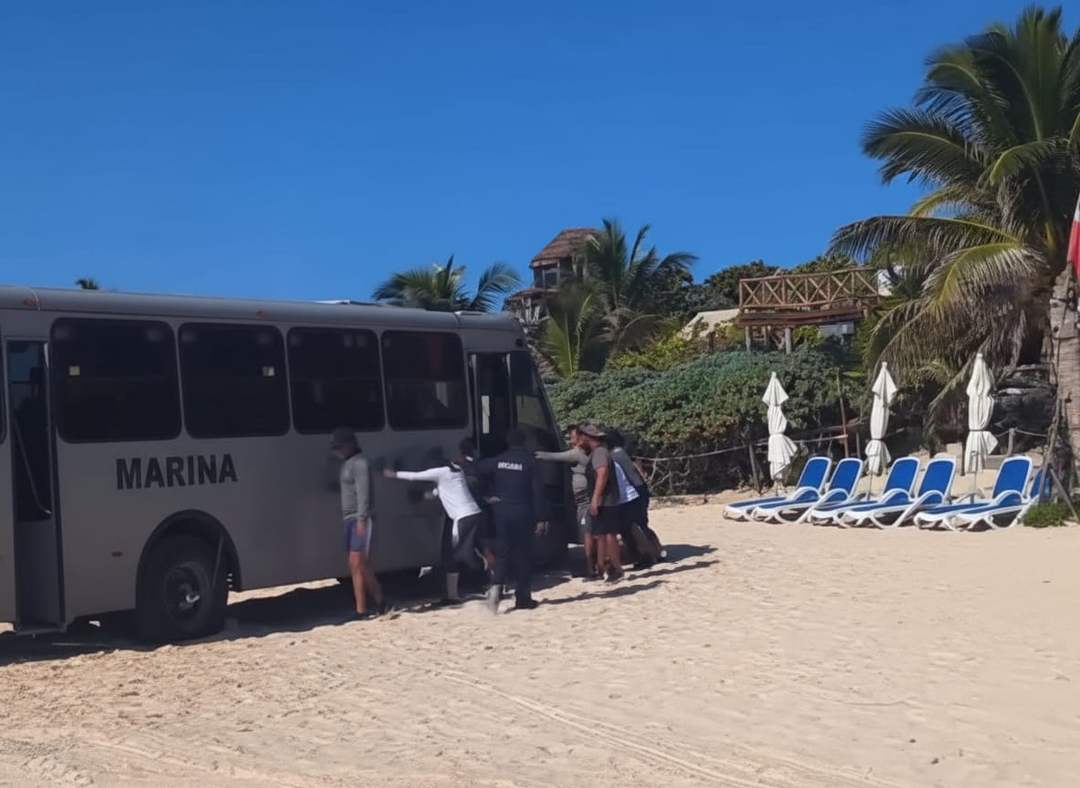
A Navy truck got stuck on a protected beach in Tulum’s Jaguar National Park during sea turtle nesting season, raising concern over environmental protection in Quintana Roo.
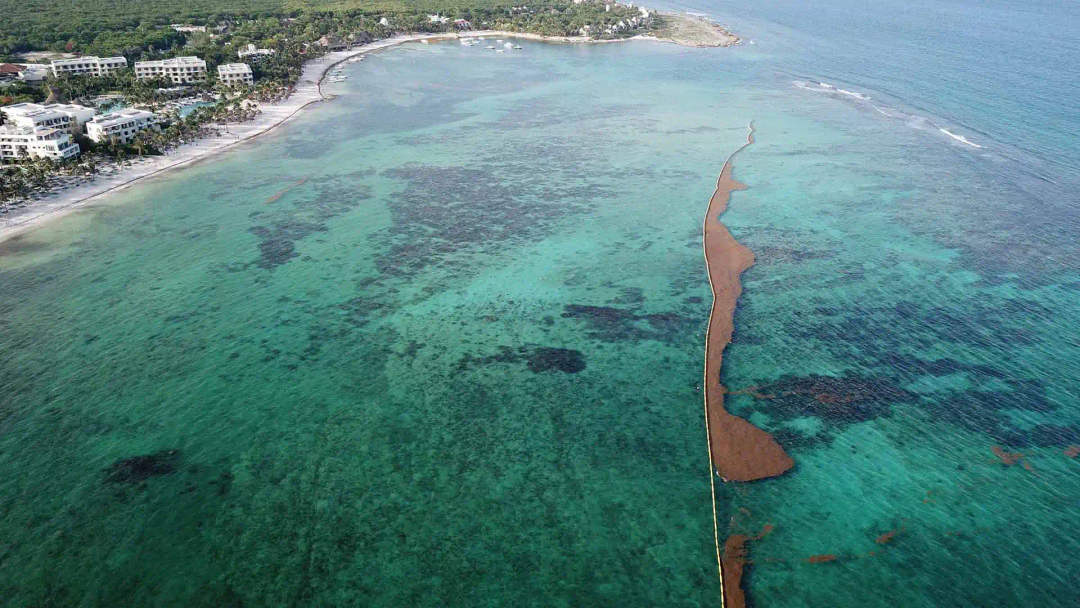
Akumal hosted the first international forum on sargassum barriers, placing Mexico at the forefront of smart, science-based coastal solutions across the Caribbean region.
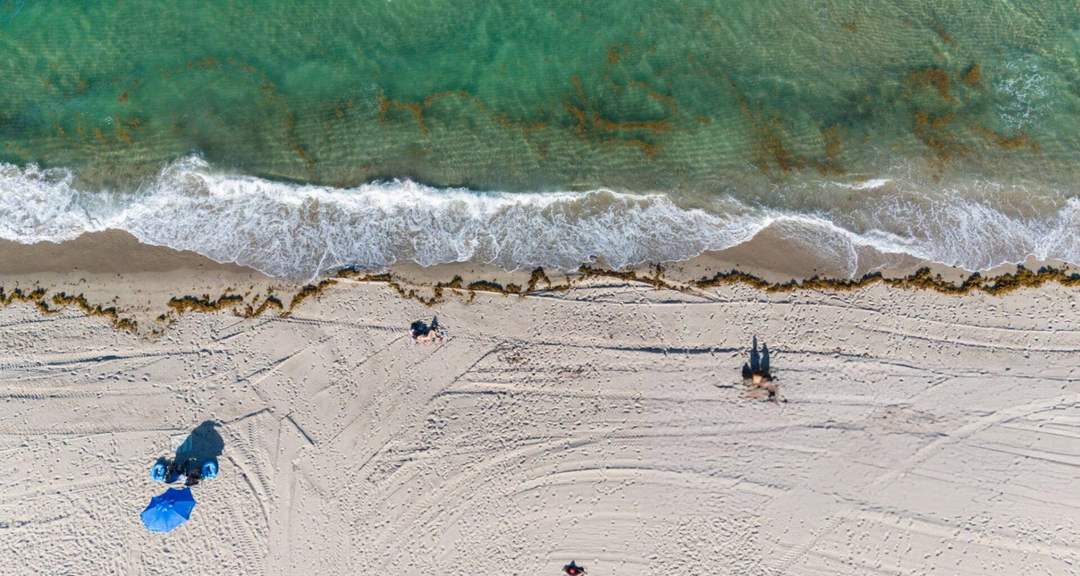
Tulum’s beaches are enjoying a rare break from sargassum as shifting currents push the algae elsewhere along the Riviera Maya, but experts warn the calm may not last.
Sargassum levels have dropped across Tulum’s beaches thanks to shifting currents and weaker winds, offering tourists a cleaner coastline — but experts warn the reprieve may be short-lived.