

The National Institute of Anthropology and History will take direct control of Tulum Archaeological Zone tickets after the combined pass shared with CONANP and Grupo Mundo Maya was dropped under a new federal decree.
The Tulum ruins rank among the most visited archaeological sites in Mexico, so any change to how entry is sold reaches prices at the gate and the revenue each agency collects. The new scheme ends a single joint ticket and replaces it with separate charges handled independently inside the same complex.
The change was described by Juan Antonio Rodela Piedra, a member of the National Executive Committee of the National Union of Workers of the Secretariat of Culture and INAH. He said the decision was communicated during a meeting with Margarito Molina, the INAH delegate in Quintana Roo, after the federal decree that reorganizes charges and services at the site took effect.
The account came through the union rather than an official INAH bulletin, which means some operational details still await formal confirmation from the institute. The direction, though, is clear from the decree itself. Collection is being pulled back into each agency's own hands.
What changes for visitors buying Tulum Archaeological Zone tickets
Under the new model, INAH and CONANP will each operate their own payment points, even though both remain inside the same access complex. According to Rodela Piedra, the arrangement lets each institution collect the resources that correspond to it directly, ending the combined ticket that had governed entry until now.
The joint pass had bundled the archaeological zone with the surrounding natural protected area, a structure that placed ticket sales in more than one set of hands. Separating the booths draws a cleaner line between the fee for the ruins, administered by INAH, and the charge for the protected land managed by CONANP.
Tour operators that pre-package Tulum visits will need to rethink how they route clients through the entrance, since products sold under a bundled ticket no longer match the collection model on the ground. Independent travelers, for their part, will meet a system that splits the cultural fee from the conservation fee for the first time in the site's recent operation.
A new ticket booth within 60 days
Rodela Piedra also said the INAH delegate ordered construction of a new ticket office to replace the current module, which he described as operating in inadequate conditions. The work is expected to be finished and running within a maximum of 60 days.

The existing booth has drawn complaints over congestion and limited capacity at busy hours. A purpose-built taquilla would give INAH its own controlled point of sale as it takes over collection, instead of leaning on infrastructure tied to the previous joint scheme.
New fees and what they mean for tourism
The union representative framed the updated access fees as an incentive for tourism in Tulum, arguing that lower costs for national visitors could lift attendance over the coming months.
His reading aligns with tariff changes reported this month. Mexican nationals now pay 80 pesos to enter the Tulum ruins, down from 105 pesos, while foreign visitors pay 265 pesos. Free Sunday access for Mexican citizens stays in place. The lower national rate followed a sharp increase earlier in the year, part of a nationwide update to entry fees across INAH sites.
The timing matters for a site still working to rebuild its numbers. Visitor levels at the Tulum Archaeological Zone have trailed pre-closure figures since access was reordered around the Parque del Jaguar, and local operators have watched attendance closely. A lower national fee, in that context, reads as an effort to bring domestic travelers back to the gate.
Background to the joint-ticket arrangement
The Parque del Jaguar reshaped access to the ruins when it opened, adding conservation infrastructure and new rules around the clifftop site. Federal authorities have promoted free public zones within the park while keeping a paid gate for the archaeological monument itself. The split in ticketing now extends that logic to how the money is collected.
The combined ticket drew scrutiny last year, when questions surfaced over who was authorized to sell access and how proceeds were divided among the parties involved. INAH has maintained that ticket sales at the park do not replace its authority over the archaeological site. The move to independent collection formalizes that position, giving the institute direct handling of the fee charged to see the ruins.
For now, the practical test is the 60-day deadline. If the new booth opens on schedule and the separated charges hold, visitors will find two clearly defined points of payment where a single ticket once stood. What stays unsettled is how the transition is managed at the entrance during the weeks before the new office is ready.
Do you think separating the INAH and CONANP booths will make entry to the Tulum ruins smoother or more confusing? Join the conversation and share your perspective with us on Instagram and Facebook at @thetulumtimes.
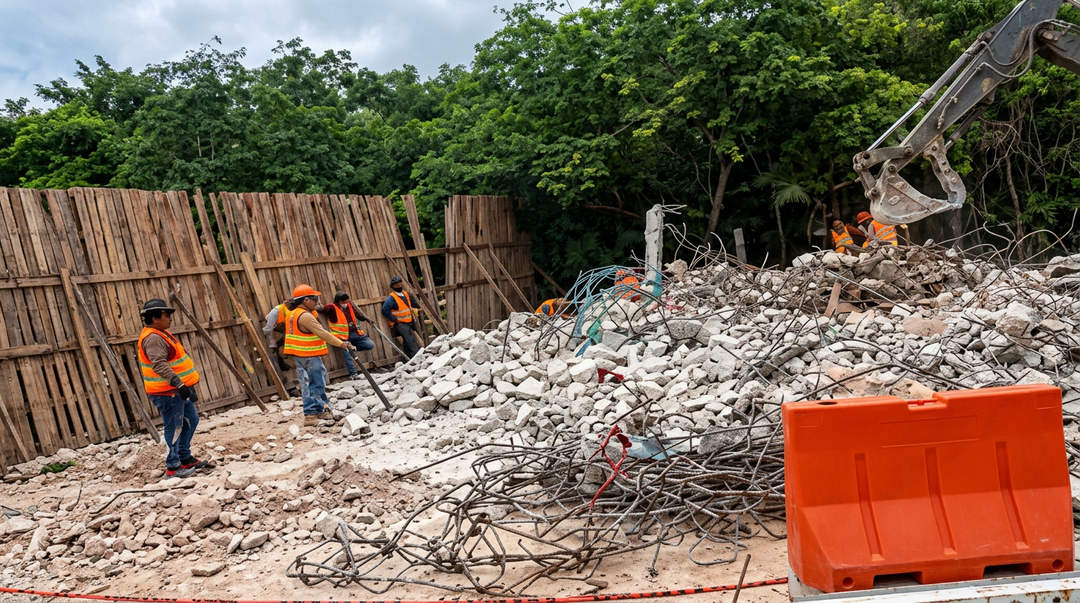
This image was generated or enhanced using artificial intelligence to improve its quality.

The Tulum Times · Newsletter
The story continues in your inbox.
Essential Tulum news and local insight, a few times a week. Free.
No spam. Unsubscribe anytime.
Tulum Cenotes, Ruins, and Practical Visitor Guides
Guides, access updates, regulations, and practical planning around cenotes and the Tulum archaeological zone.

“The best journalists reporting from paradise, highlighting the heroes that keep Tulum the most beautiful place in the world! THANK YOU!”