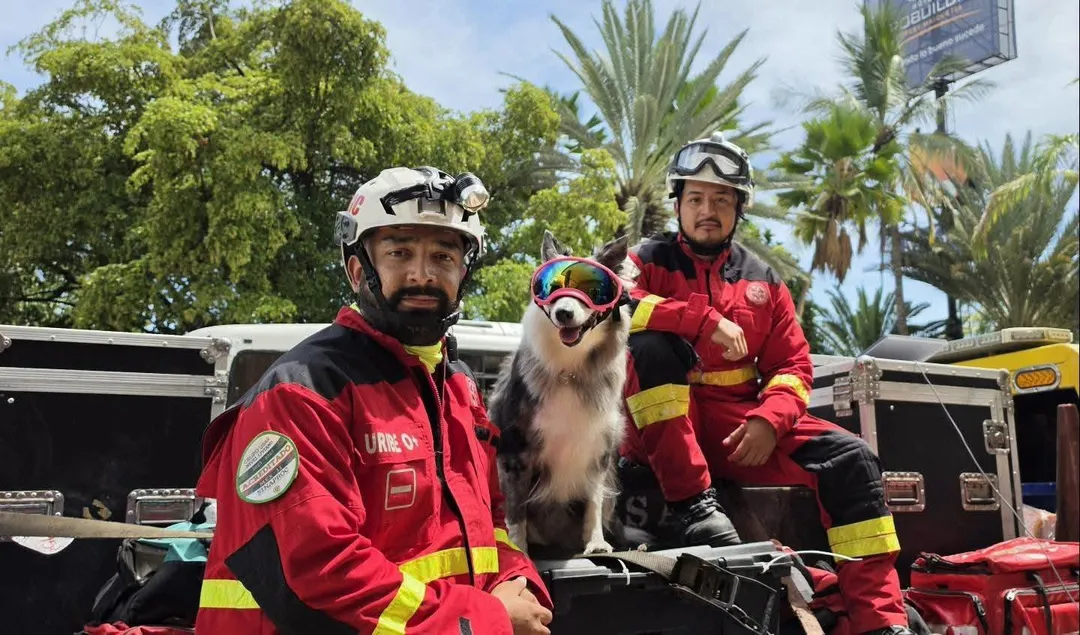
Less than 24 hours after leaving Mexico, Tulum rescuer Benjamín Heredia landed in Venezuela and joined search teams on Sunday, hunting for survivors of the twin earthquakes that killed more than 1,400 people.
Heredia, head of field operations for the Brigada de Rescate Internacional Cancún, is the only rescuer from Tulum in a contingent of 12 Mexican search and rescue specialists. His arrival places the municipality inside an international relief operation unfolding during the narrow window when people trapped under rubble can still be found alive.
He reached the South American country on Saturday night and was working in the field by Sunday, alongside the rest of the Mexican group and Red Cross personnel, with no pause to settle in. International missions leave little room for adjustment. Teams are expected to slot into the work the moment they arrive, which is exactly what happened here.
From Tulum to Toluca to a flight into the disaster
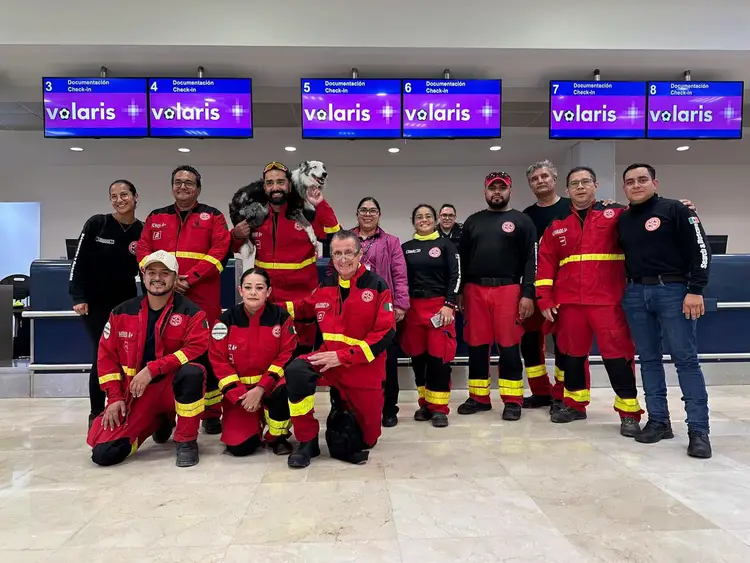
Heredia traveled from Tulum to Toluca, where he met the rest of the contingent before boarding the international flight. The group is made up of 12 Mexican specialists trained in urban search and rescue, working in coordination with the Red Cross and other emergency corps to locate people and attend to the worst-hit areas.
The speed of the deployment reflects the level of readiness these missions demand. There is no allowance for a long adaptation period when buildings have collapsed, and aftershocks continue. Crews arrive prepared to begin immediately, and the Mexican rescuers were folded into the coordinated operations within their first hours on the ground.
A canine unit and cutting tools for collapsed buildings
The team traveled equipped for high-risk scenarios. Among the material it brought is a canine unit trained to locate people, along with cutting, drilling, and breaching equipment used to work inside collapsed structures.
Those tools let rescuers reach the confined spaces where victims may be trapped between slabs of concrete and debris. Searching pancaked buildings for signs of life is one of the most difficult tasks in the field, and it is where trained dogs and specialized gear make the difference between reaching someone and missing them.
What the twin earthquakes did to La Guaira
On Wednesday, June 24, a magnitude 7.2 earthquake struck west of Caracas, followed less than a minute later by a magnitude 7.5 quake, the strongest recorded in Venezuela since 1900, according to the United States Geological Survey. The coastal state of La Guaira, just north of the capital, was hit harder than any other region and was declared a disaster zone on June 25.

Venezuelan authorities put the confirmed death toll above 1,400 by Saturday, with thousands injured. Tens of thousands of people have been listed as missing on independent databases, though officials caution that those counts may include duplicates and residents who remain cut off by downed phone lines. The shallow depth of both quakes and the fact that they hit within a minute of each other left many people no time to evacuate.
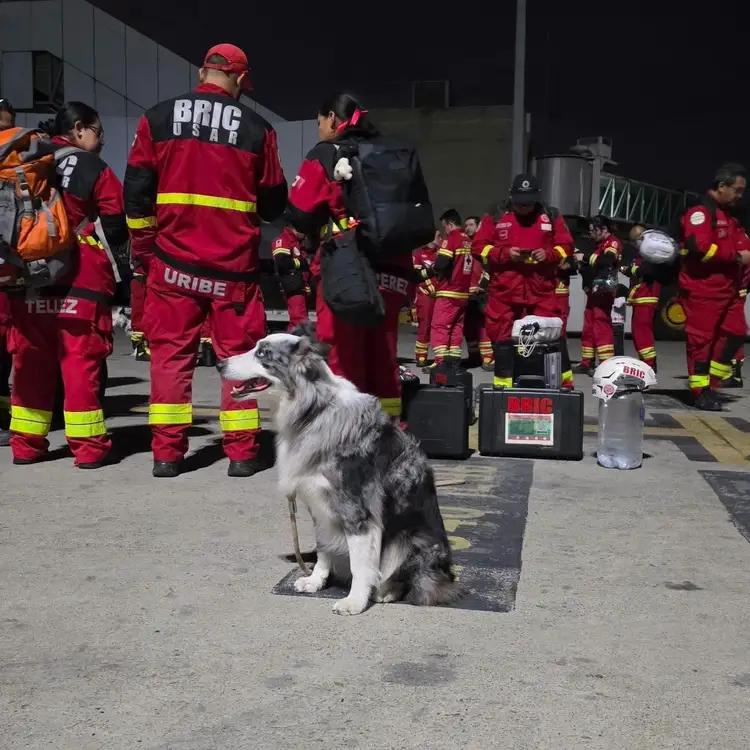
The response has been large. The United Nations humanitarian affairs office reported that dozens of international urban search and rescue teams, carrying more than 2,000 specialists and scores of dogs, have deployed at the Venezuelan government's request. Mexico's federal contribution, ordered by President Claudia Sheinbaum, included a military rescue and medical team and search dogs, sent separately from the volunteer contingent Heredia traveled with.
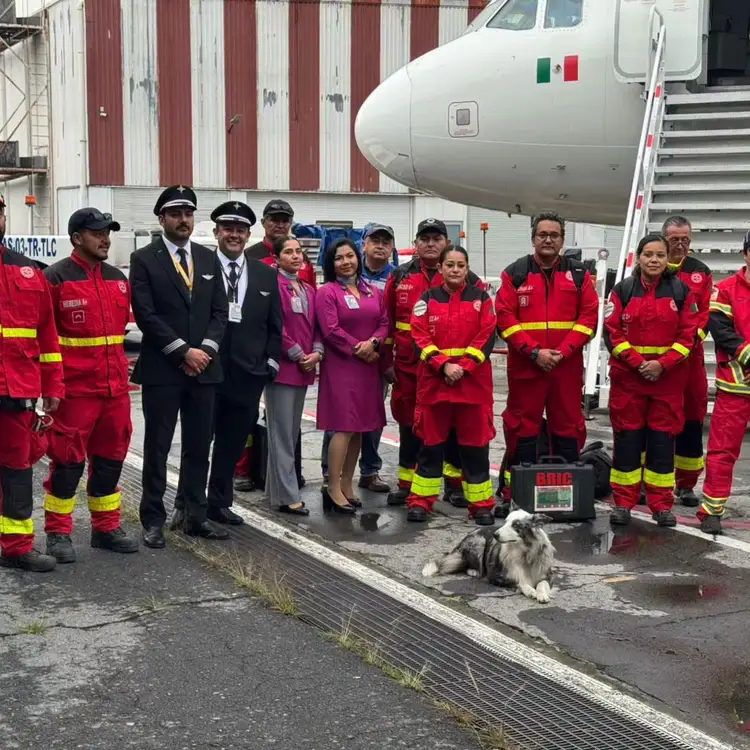
A Tulum rescuer in the field, hours after landing
Heredia's immediate incorporation into the work reflects the training regional rescuers have built over recent years in search techniques, first aid, and urban rescue. That preparation has earned them accreditations to intervene in major emergencies, both in Mexico and abroad.
Beyond representing his own brigade, his presence stands for the technical capacity that Mexico's specialized volunteer teams have developed. Being trusted to work shoulder to shoulder with emergency bodies from other countries is its own measure of that standing, and it is why a rescuer from a town better known for its beaches is now digging through rubble outside Caracas.
As the mission continues, Heredia and the rest of the contingent remain focused on surface search and specialized rescue. Three days have now passed since the quakes, the point at which the odds of finding survivors begin to fall sharply, and the teams keep working at sites still rattled by aftershocks, where each minute can decide whether a life is saved.
Should Tulum and the Riviera Maya invest more in training and equipping local rescue brigades for missions like this? Join the conversation and share your perspective with us on Instagram and Facebook at @thetulumtimes.

The Tulum Times · Newsletter
The story continues in your inbox.
Essential Tulum news and local insight, a few times a week. Free.
No spam. Unsubscribe anytime.

“The best journalists reporting from paradise, highlighting the heroes that keep Tulum the most beautiful place in the world! THANK YOU!”