

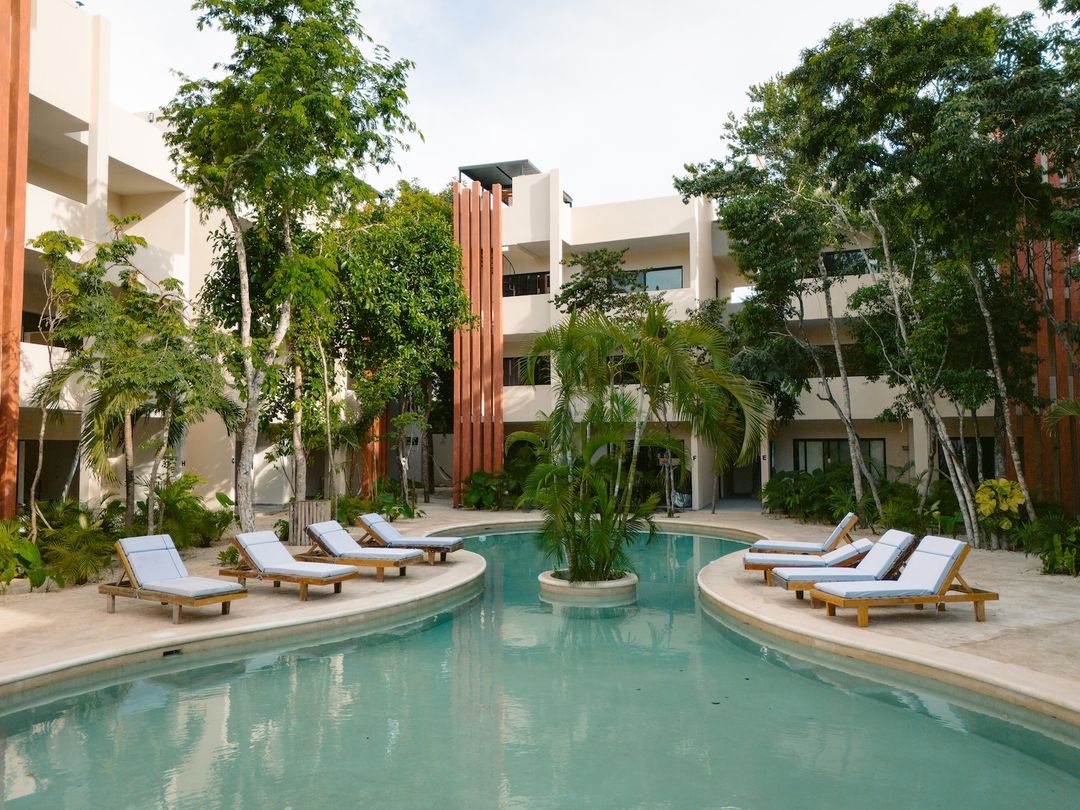
The Tulum real estate market is entering a pivotal transition where professional standards and long term stability are finally replacing the unregulated speculation that characterized the previous decade of rapid expansion.
This adjustment period is increasingly visible through a decrease in total transactions and the exit of numerous sales agents from the sector. While some observers might view these indicators with caution, industry specialists emphasize that this is a necessary maturation process that ultimately protects the equity of serious investors.
The era of effortless sales and speculative flipping is giving way to a market defined by operational performance and institutional transparency. This evolution is healthy for the destination, as it filters out the noise and leaves behind a more resilient and sophisticated investment environment built for the next decade.
The Exit of the Amateur and the Rise of Expertise
During the years of accelerated growth in the Riviera Maya, low barriers to entry allowed a massive influx of independent sales agents. Many operated without formal training or a deep understanding of the legal and technical complexities of the Quintana Roo property market.
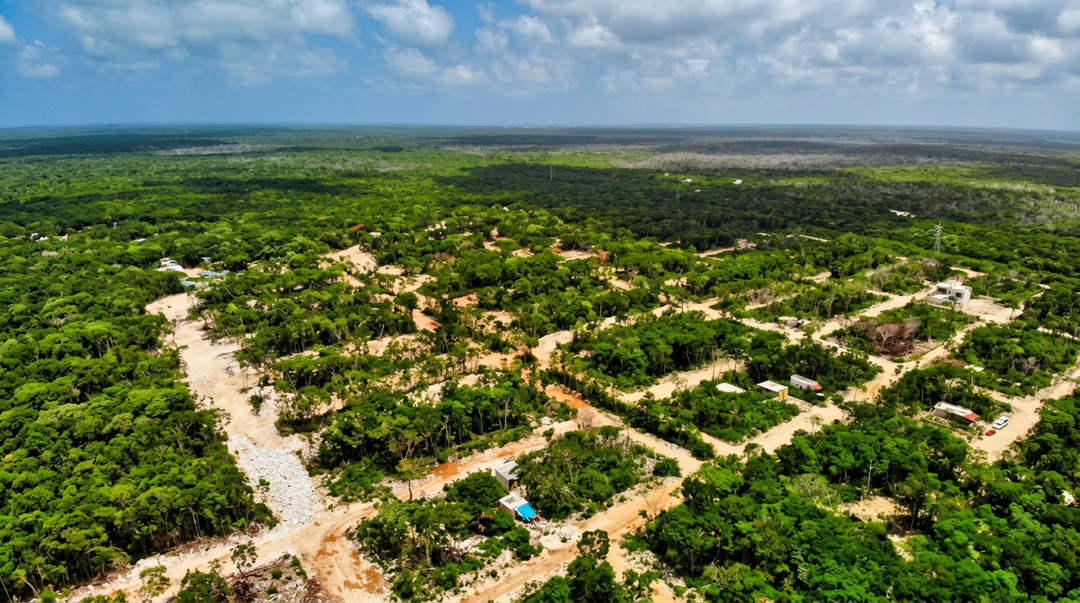
The current "parálisis relativa" described by industry veterans like Manuel Cano is largely a result of these early inefficiencies being cleared out. As sales processes extend from weeks to months, the agents who lacked the infrastructure and patience to navigate a sophisticated market are choosing to leave the activity.
This depuración represents a major victory for the consumer. When the number of amateur intermediaries decreases, the level of professional advice inevitably rises. The specialists who remain are those with the experience, local knowledge, and ethical standards required to service a more demanding global clientele. This trend is also supported by the Tulum Technological University first graduation, which is beginning to supply the region with the trained local talent needed for a mature economy.
From Quantity to Quality in Property Development
The reduction in the pace of sales is forcing developers to reconsider their value propositions. In a saturated market, simply offering a beautiful render is no longer sufficient to secure a commitment from an experienced investor.
The current landscape favors projects that prioritize physical delivery, legal certainty, and actual utility. Buyers are no longer interested in speculative concepts located in areas without guaranteed infrastructure. Instead, the focus has shifted to professional developments that are fully integrated into the municipal grid and water systems.
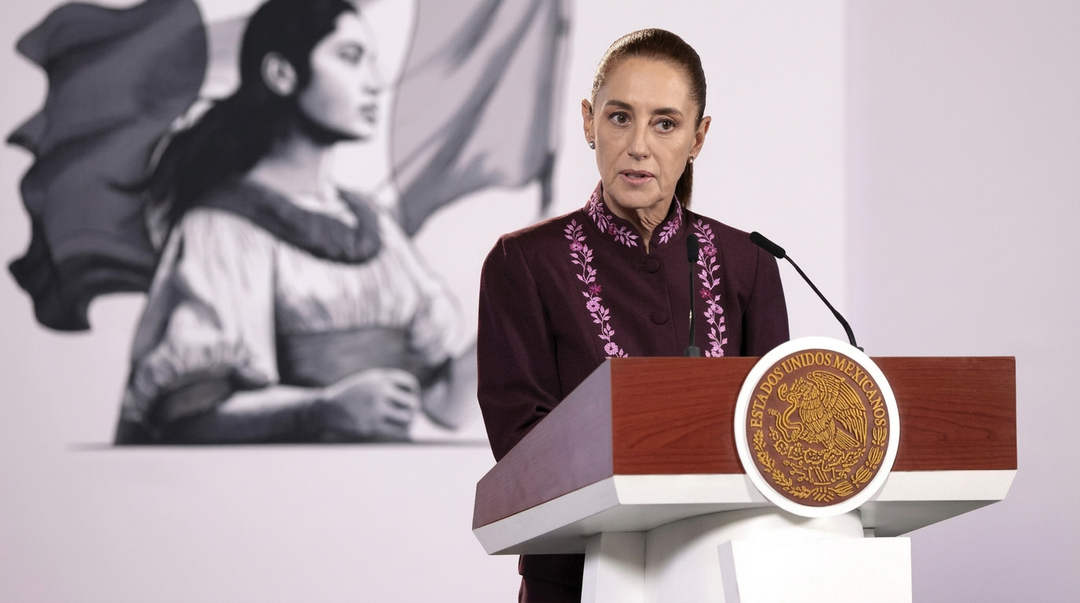
This flight to quality is most evident in the contrast between early-stage jungle projects and established urban areas. Investors are now prioritizing the "certainty geography" of Tulum, where the Tulum infrastructure growth contrast highlights the difference between a promise and a functional asset. This move toward quality ensures that the future skyline of the town will be defined by buildings that are actually built for long term preservation.
Identifying the 2026 Operational Shift
The transition from a growth-focused market to one centered on maturation can be understood through several key operational differences. These shifts signal a move toward more predictable and institutionalized property standards across the region.
The Evolution of the Sales Force
- The Speculative Era: A high volume of independent, untrained agents focused on rapid commissions.
- The Professional Standard: Experienced, certified specialists who prioritize long term relationships and legal advisory.
The Shift in Project Documentation
- The Speculative Era: Marketing centered on emotional renders and the promise of future lifestyle.
- The Professional Standard: Decisions based on delivery records, structural transparency, and historical developer performance.
The New Profile of the Tulum Investor
- The Speculative Era: High-risk, rapid-flip buyers looking for immediate capital gains.
- The Professional Standard: Institutional or private investors seeking stable, long term cash flows and sustainable yields.
The Re-calibration of ROI Expectations
- The Speculative Era: Projections based on aggressive capital appreciation with minimal supporting data.
- The Professional Standard: Yields calculated through actual operational records and conservative market analysis.
The Maturation of Market Pace
- The Speculative Era: An atmosphere of artificial urgency and forced scarcity.
- The Professional Standard: A deliberate environment featuring thorough research, due diligence, and analytical validation.
Increasing Transparency and the Role of Regulation
The "adjustment" is also a response to a more rigorous legal and regulatory environment. In previous years, the speed of development often outpaced the oversight of municipal and state authorities. In 2026, the landscape has changed significantly.
From the implementation of stricter environmental impact assessments to the requirement for individual individual deeds (escrituras) before advanced pre-sales, the hurdles for developers are higher. This increased regulation is the primary driver behind the Tulum real estate market 2026 readjustment that is currently shaping the industry.
Sustainable Urban Planning and the Tulum 2026 Grid
For the serious homebuyer, these regulations are not obstacles but safeguards. They ensure that every dollar invested is backed by a legal framework that protects against the scams and informalities of the past. The market is effectively under audit, and only those projects with the financial and legal integrity to pass are surviving the process.
This shift is rooted in the maturation of the Urban Development Plan (PDU). By standardizing density and land-use requirements, the municipality is creating a "certainty grid" where the value of a lot is determined by its long term utility and accessibility rather than its proximity to the jungle edge. The focus on sustainability has also seen the introduction of mandatory solar capacity and greywater recycling systems for new high-fidelity residential complexes, significantly reducing the overhead for future homeowners.
The Maturity of the Rental and Hospitality Ecosystem
Beyond individual properties, the entire real estate ecosystem of Tulum is becoming more institutionalized. The arrival of massive commercial investments, such as the Centro Tulum Commercial Plaza, provides the services and infrastructure required for a permanent, high-spending population.
The rental market is likewise moving away from the "Airbnb flip" model of the early 2020s. In 2026, the dominance of professional property management firms has stabilized occupancy rates and shifted the focus toward hospitality-grade service levels. Investors are now looking at "managed assets" where the return is backed by a verified operational record rather than a simplistic projection. This professionalization of the rental sector ensures that Tulum remains a competitive global destination, attracting digital nomads and remote professionals who require more than just a place to sleep; they require a functional lifestyle.
When professional shopping centers, world class hospitals, and international schools establish roots, property values become anchored to utility rather than just tourism trends. This transformation from a vacation outpost to a functional city is the most powerful signal of long term health.
Furthermore, the full connectivity provided by the Tulum International Airport and the Maya Train has expanded the "investable area" of the region. Investors are no longer limited to the beach zone but can now look at areas near transit hubs that offer a different type of value based on regional mobility and professional logistics.
Why Stability is the Ultimate Opportunity
Market parálisis is often another word for price discovery and stabilization. When a market stops moving at an unsustainable speed, it allows for a more accurate assessment of value. This is the period where the most intelligent acquisitions take place.
The exit of the noise and the speculators creates a window for the sophisticated investor to negotiate with developers who are focused on finishing and delivering high level assets. This phase represents the "boring" but profitable middle of the investment cycle, where risk is managed through data rather than enthusiasm.
Tulum is not slowing down; it is growing up. The current phase of consolidation is the final step in the transformation of a jungle town into a global hospitality powerhouse. For those who understand that professionalization is the precursor to long term appreciation, the 2026 adjustment is not a sign of a crisis, but a clear signal of maturity.
Is the current professionalization of the market a reason for caution or an invitation to invest with more certainty? Join the conversation and share your perspective with us on Instagram and Facebook at @TulumTimes.

The Tulum Times · Newsletter
The story continues in your inbox.
Essential Tulum news and local insight, a few times a week. Free.
No spam. Unsubscribe anytime.
Tulum Real Estate, Development, and Investment Context
Reporting and analysis on property, permits, development risk, legality, market trends, and investor context in Tulum.

“The best journalists reporting from paradise, highlighting the heroes that keep Tulum the most beautiful place in the world! THANK YOU!”


