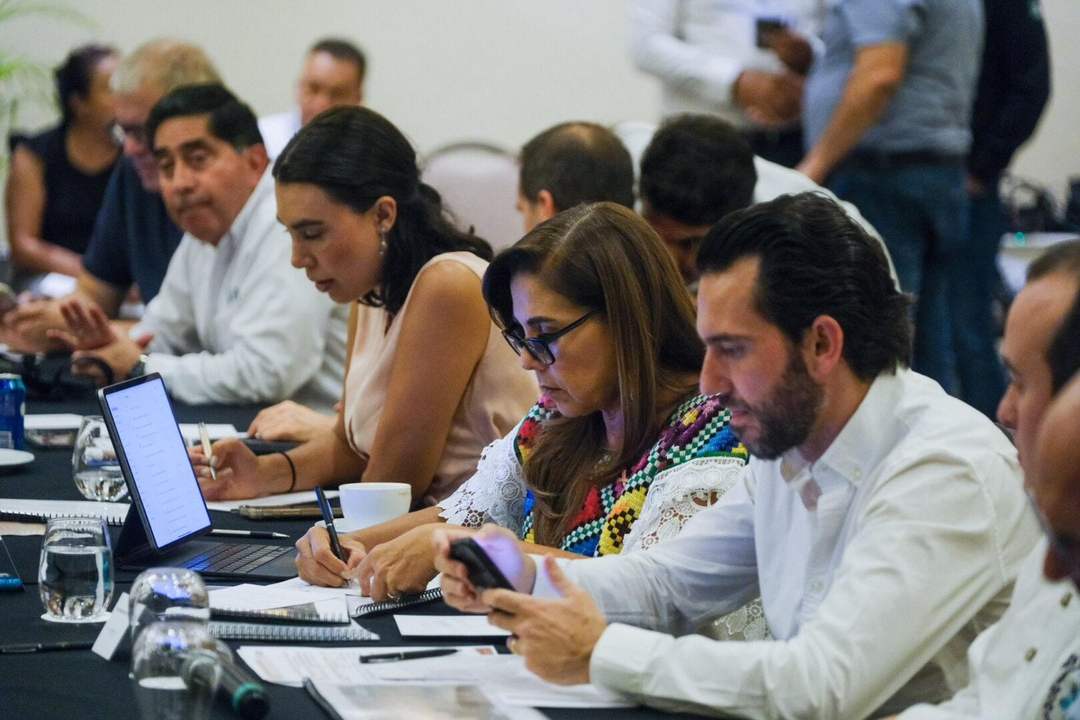
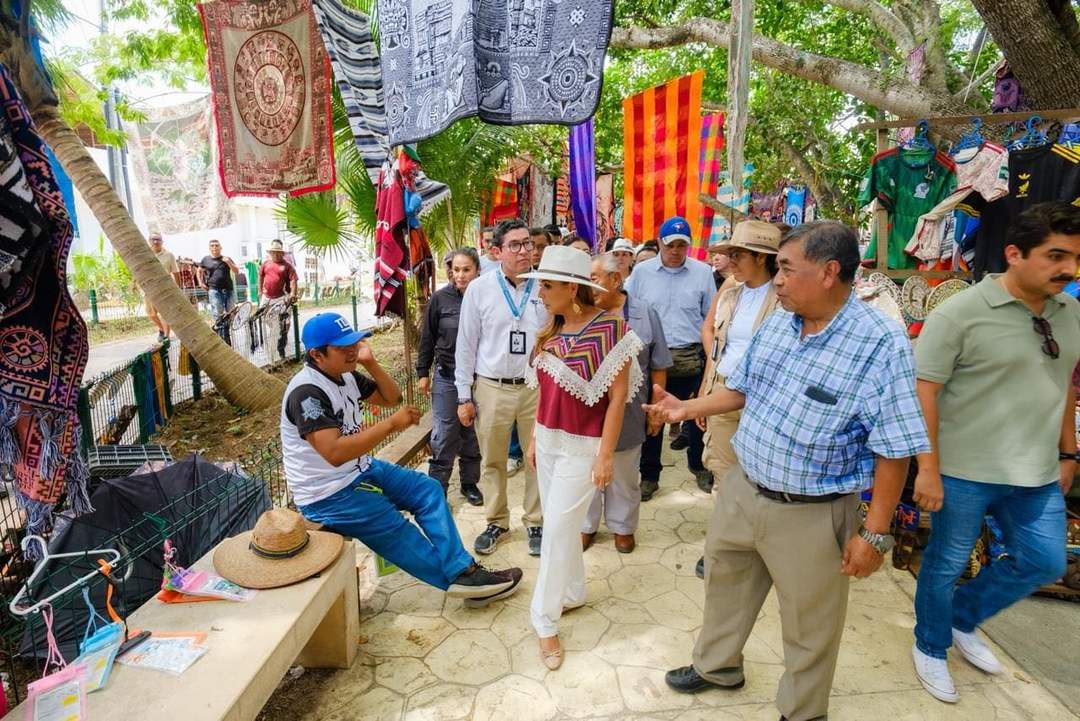
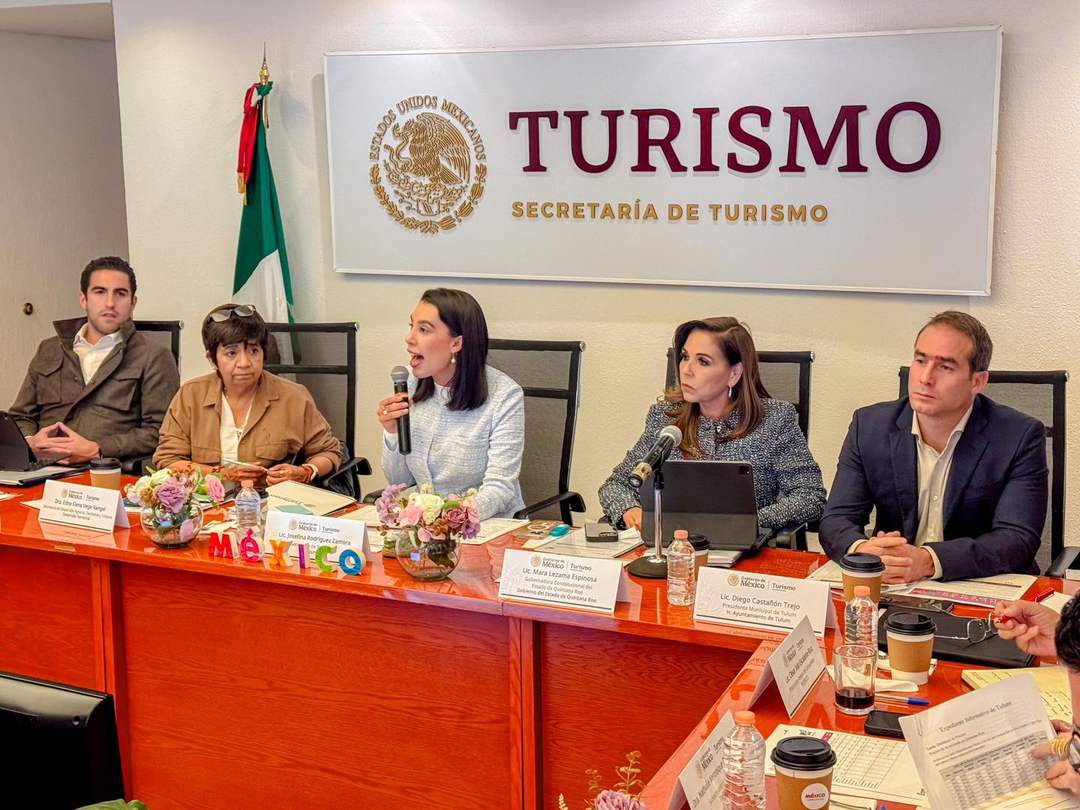
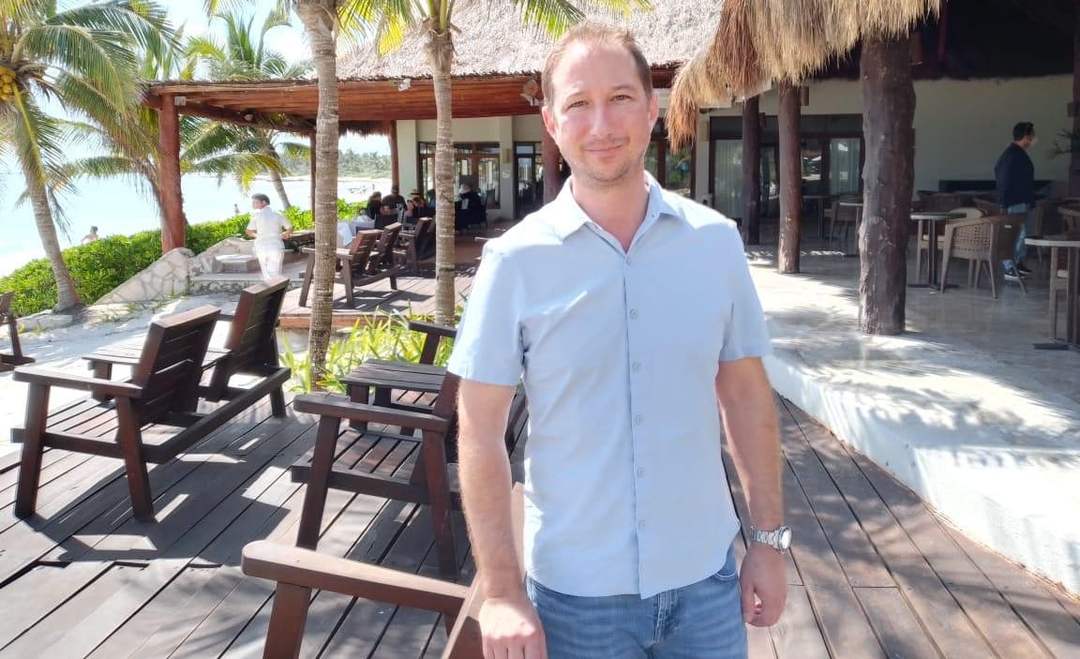
Governor Mara Lezama and Tourism Secretary Josefina Rodríguez Zamora lead talks on ensuring free access to Tulum’s beaches, linking public inclusion with the future of Quintana Roo’s tourism economy.
The Tulum Half Marathon will take place on December 7 with 5, 10, and 21-kilometer races and a family walk, aiming to attract over 2,500 participants and strengthen community spirit in Tulum.
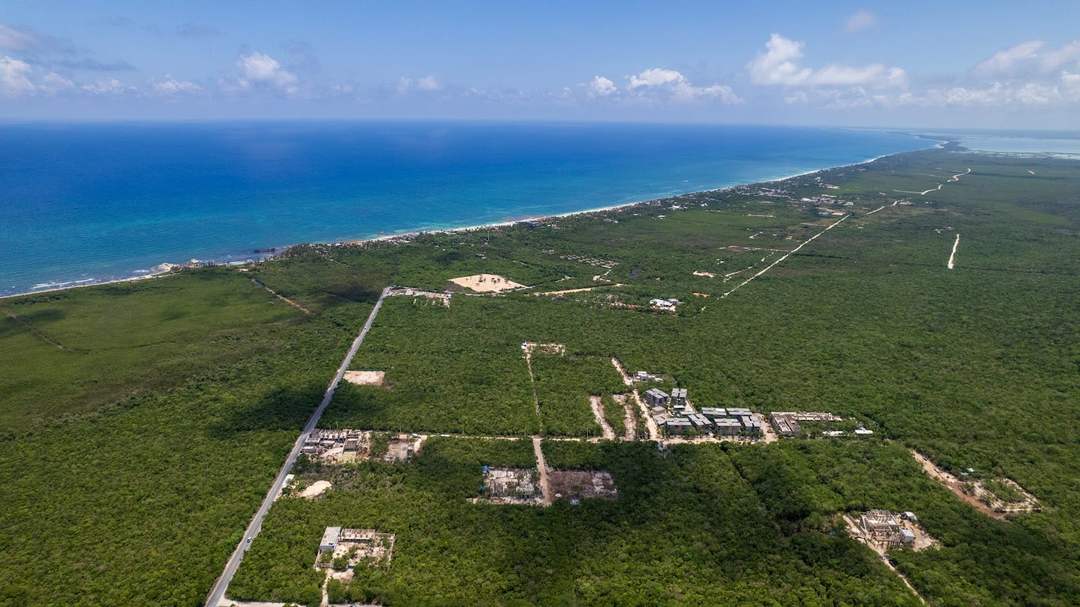
Tulum faces a tourism and urban crisis rooted in unchecked expansion. The government seeks to correct a development model that blurred the line between growth and sustainability.
Tulum faces a reckoning as overdevelopment and poor planning strain its growth model, forcing Mexico to rethink how tourism, territory, and community can coexist sustainably.
Quintana Roo launches an integrated plan to relaunch the Tulum brand and position the Mexican Caribbean as a key player during the FIFA World Cup 2026, blending global visibility with local inclusion.
Tulum’s tourism decline highlights the tension between conservation and accessibility as new management fees at Parque del Jaguar deter visitors and disrupt the Riviera Maya’s cultural economy.
Developers warn that the future of Tulum depends on reinforcing urban infrastructure before uncontrolled growth surpasses capacity, as real estate projects multiply across Quintana Roo.
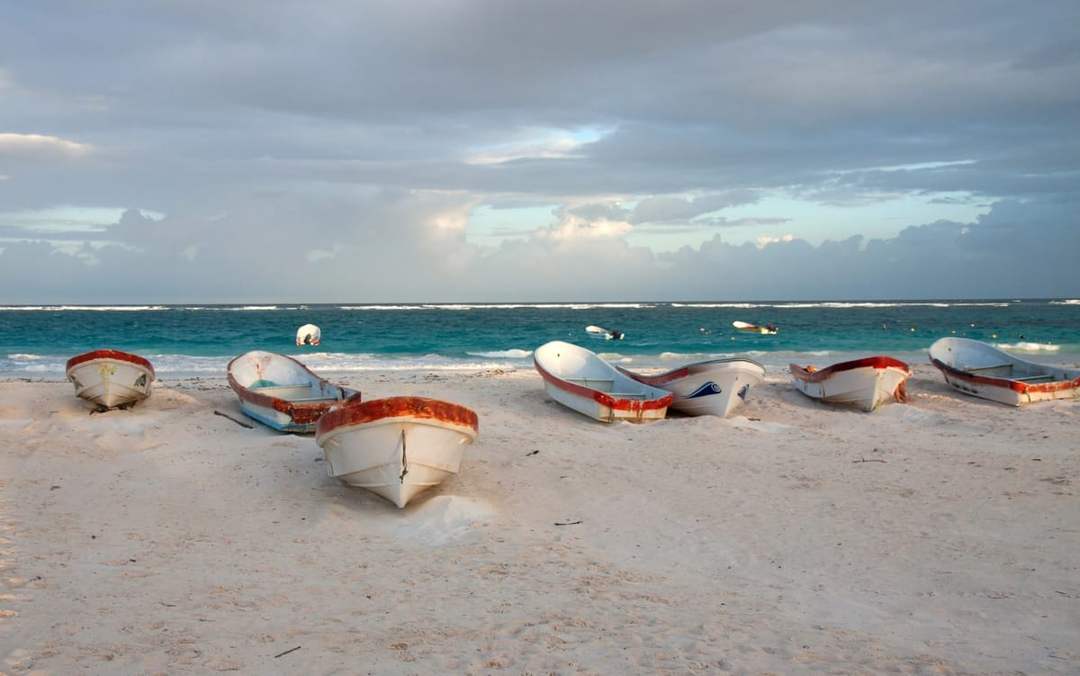
Local leaders and the Playas Libres movement press authorities in Tulum to guarantee free beach access, as federal officials prepare possible announcements on the issue in Quintana Roo.
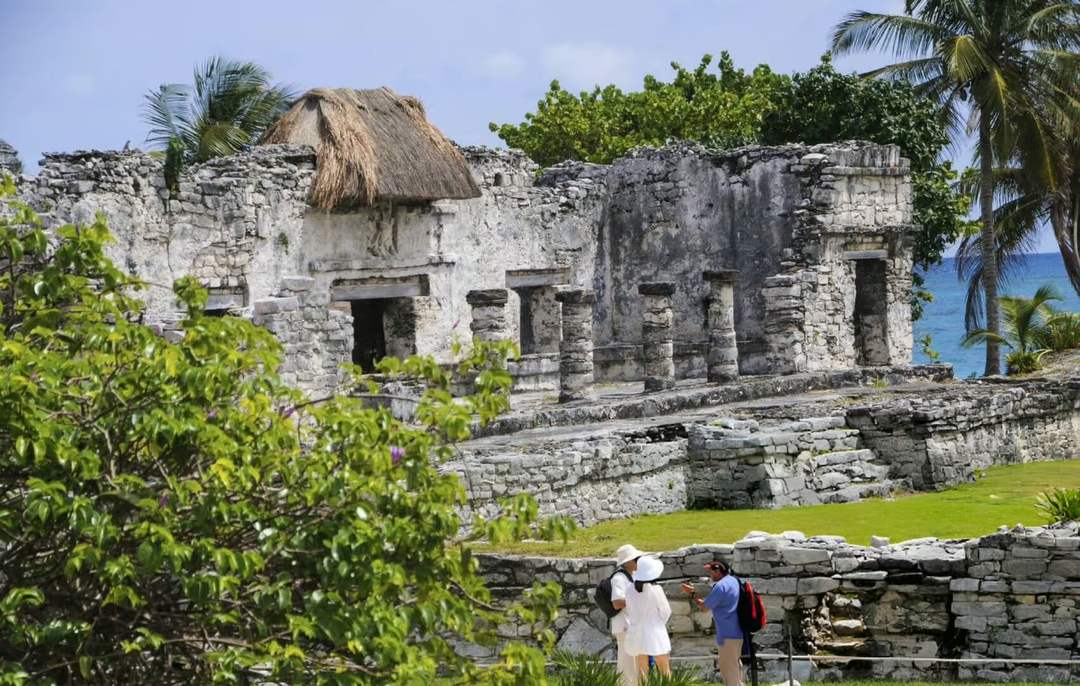
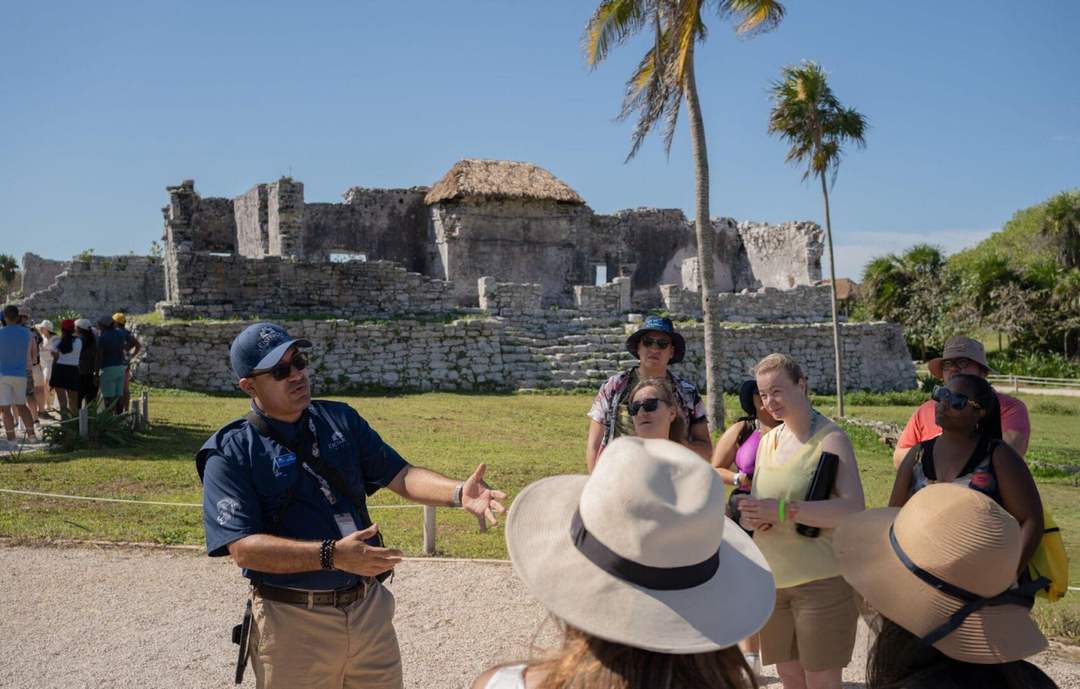
Tulum’s guides warn that Mexico’s new archaeological entry fees for foreign tourists could reduce competitiveness and arrivals, as federal policies link the increases to the Tren Maya project.
Mexico’s tourism remains strong, but Tulum’s debate over prices and perception reveals that competitiveness now depends less on arrivals and more on trust across the Riviera Maya.
Tulum syndic Rifka Queruel criticizes Mayor Diego Castañón for excluding her from planning sessions, warning that poor governance and political division threaten the town’s tourism future.
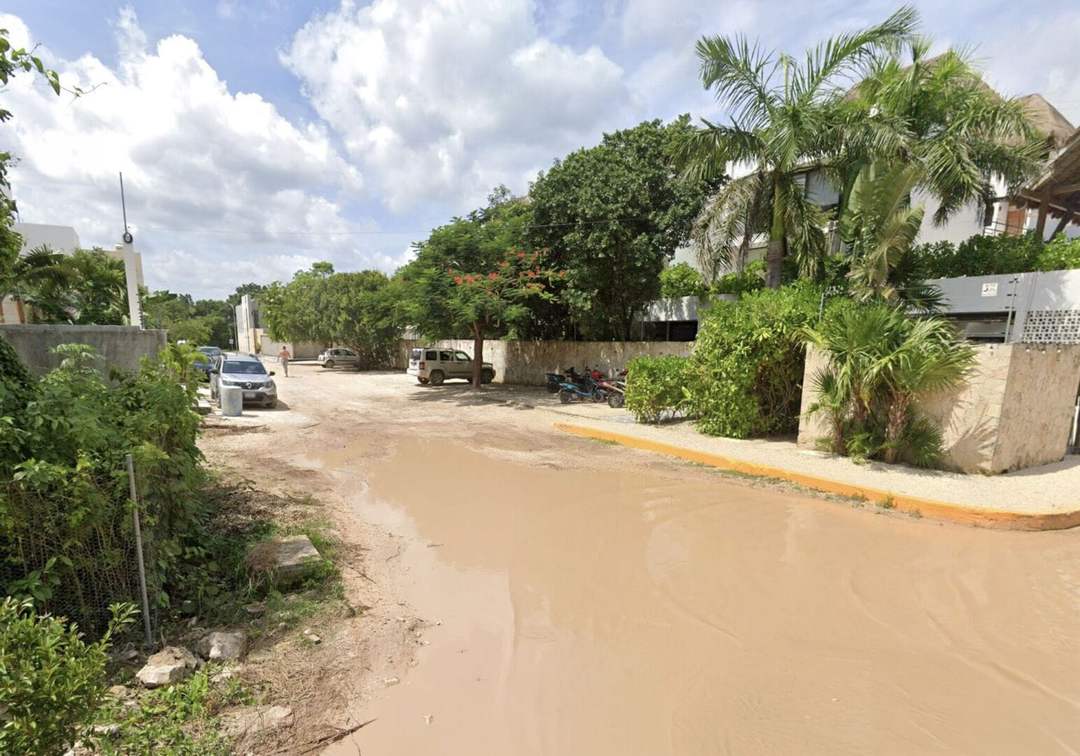
In La Veleta, Tulum’s booming real estate collides with neglected infrastructure as residents face flooded streets, rising frustration, and fading trust in local authorities.
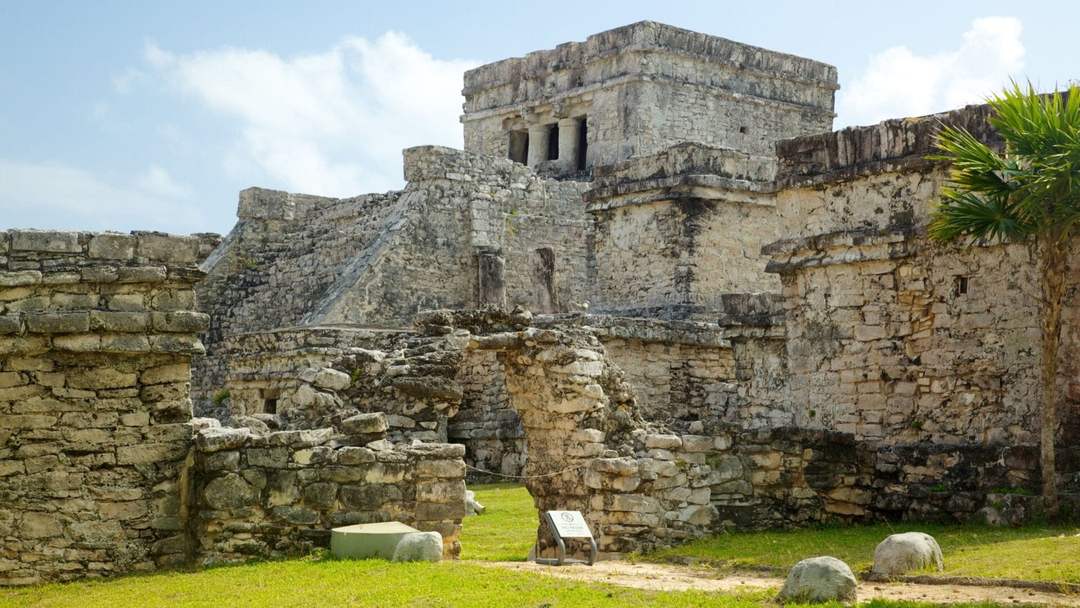
Mexico’s updated Federal Rights Law could double entry fees for foreign visitors at the Tulum archaeological zone, signaling a nationwide shift in how the country funds cultural heritage.
Tulum faces its own storm, not of wind but of reputation. As tourism declines, the town must learn from Cancún’s Wilma recovery to rebuild unity, credibility, and sustainable growth.
Tulum taxi drivers from the Tiburones del Caribe union are training to use AI-powered surveillance cameras connected to the C5, aiming to boost safety and transparency in public transport.
Semarnat denies authorization for Paraíso hotel in Tulum, citing environmental concerns within the National Park, exposing the legal uncertainty of tourism projects in protected areas.
Tourism in Tulum remains strong as officials project 90% occupancy to end 2025, despite sargassum and what Mayor Diego Castañón calls a “media crisis” challenging the destination’s reputation.
Mexico’s Tourism Ministry has launched a coordinated plan to restore visitor flow and economic confidence in Tulum after months of decline, aiming for a sustainable recovery across the Riviera Maya.
Tulum faces mounting pressure to fix beach access and infrastructure as tourism leaders call for urgent action. Officials agree: the experience must match the destination’s reputation.