Politics
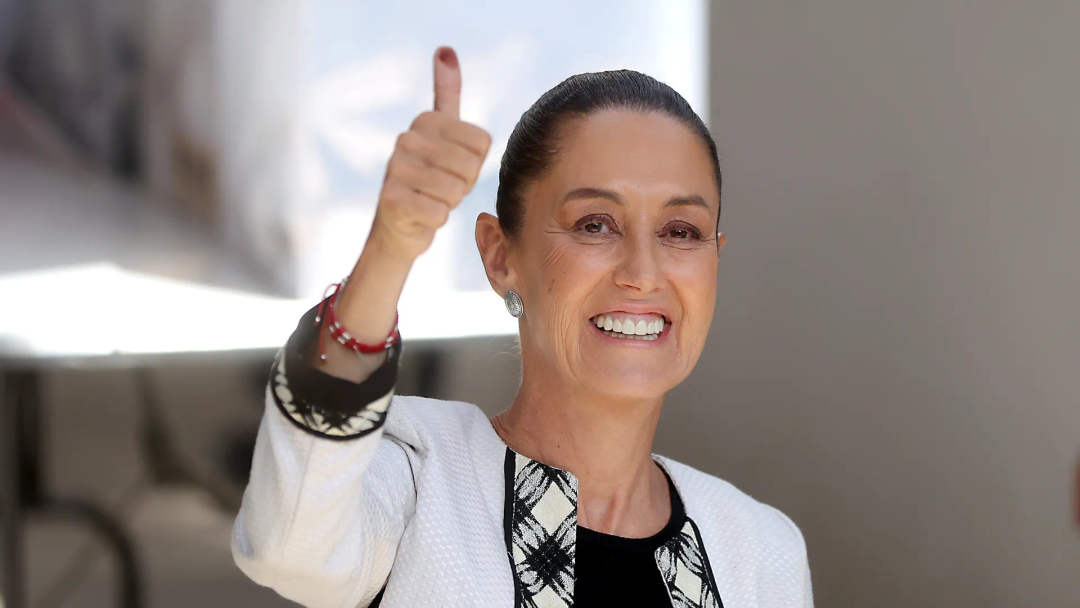
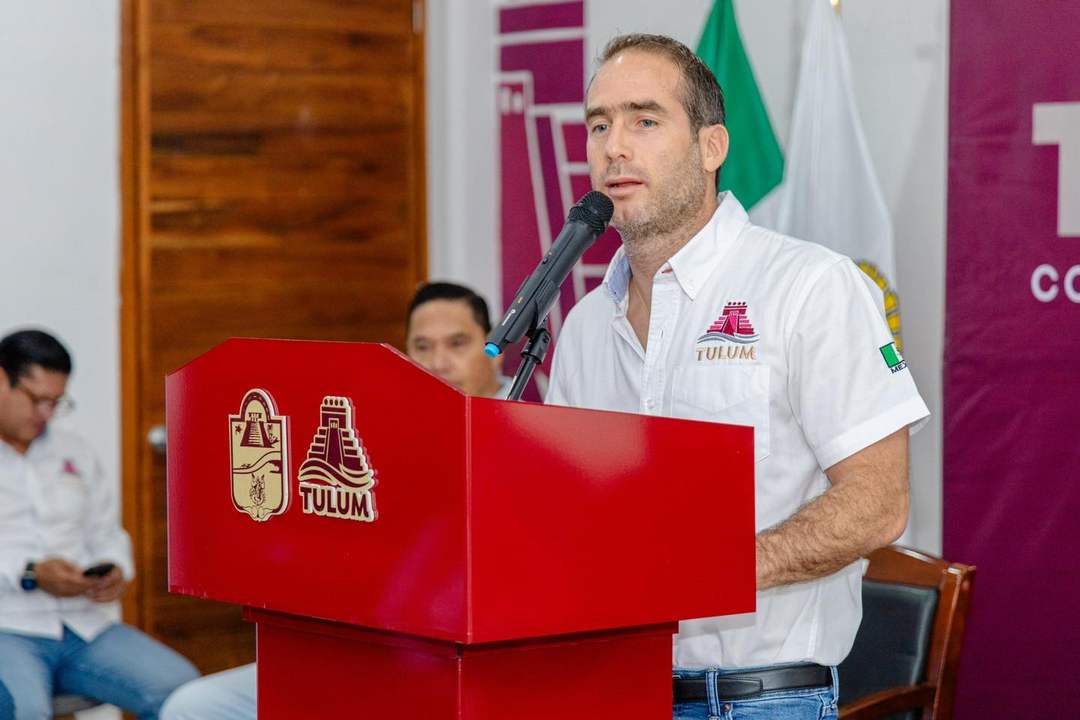
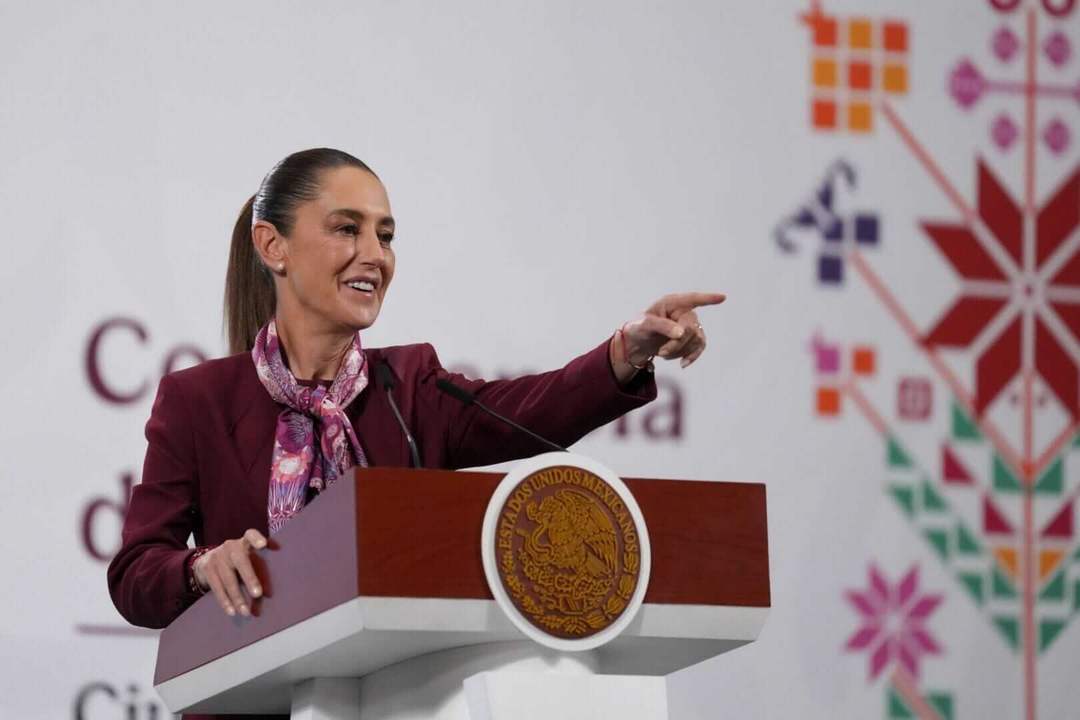
Sheinbaum tells Tulum mayor to prioritize planning over beach debate
President Claudia Sheinbaum urges Tulum's mayor to focus on territorial planning, asserting that the beach access debate is resolved by existing laws.
Reporting on permits, construction, regulation, and major development decisions shaping Tulum’s urban growth and investment climate.
349 linked stories · archive page 7 of 18
President Claudia Sheinbaum urges Tulum's mayor to focus on territorial planning, asserting that the beach access debate is resolved by existing laws.
Tulum vacation rentals face falling occupancy and rising supply as new developments enter the market, raising concerns among hosts, analysts, and investors across Quintana Roo.
Tulum Renace sets a new framework for tourism management in Quintana Roo, aiming for safer beaches, stronger regulation, and coordinated planning across one of Mexico’s most visited destinations.
Tulum moves through the Pueblo Mágico renewal process after federal updates, confirming its designation and outlining plans to strengthen cultural identity and tourism strategy.
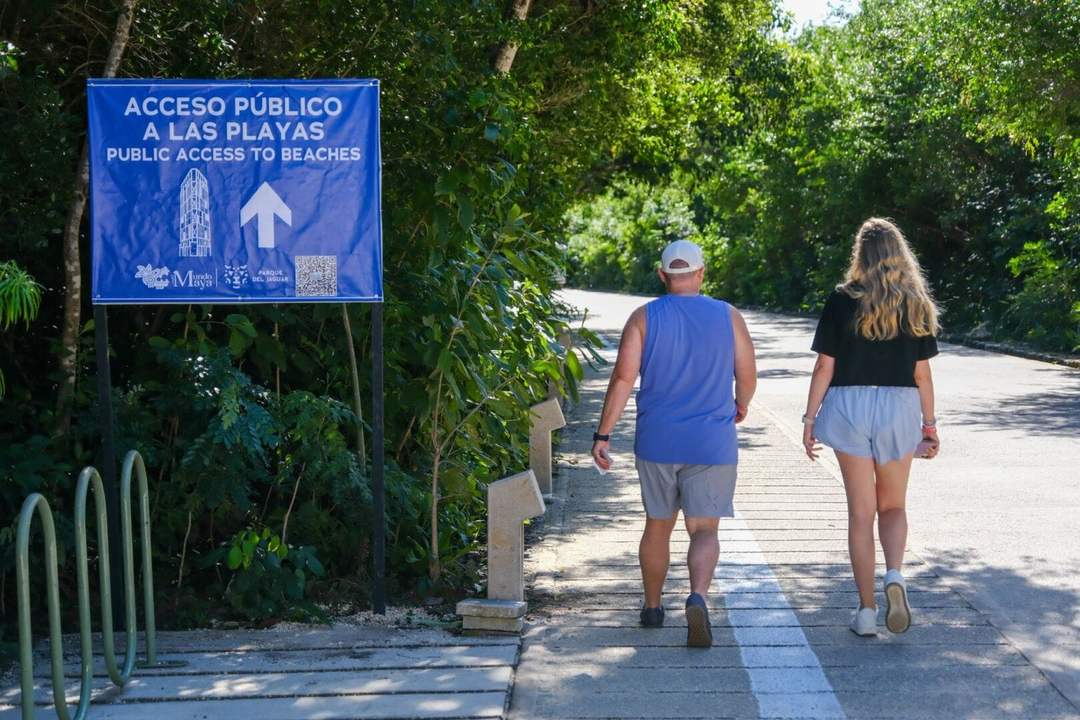
Tulum expands public access with new accesos libres a las playas de Tulum, opening two permanent corridors inside Parque del Jaguar for residents, tourists, and artisans.
Tulum’s short-term rental market keeps expanding despite falling occupancy and rates, raising concerns about urban strain and community impact in Mexico’s top coastal destination.
Tulum’s mayor announced new appointments in key departments, including Civil Protection and Firefighters, to strengthen public services ahead of the high tourist season.
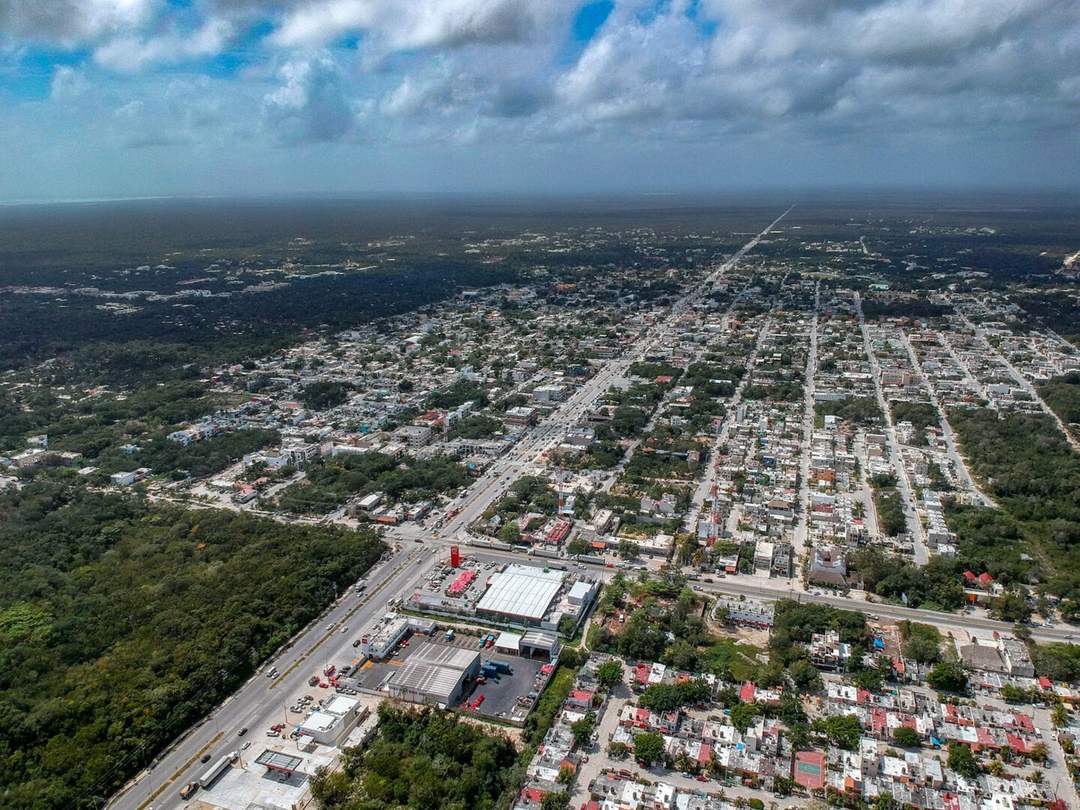
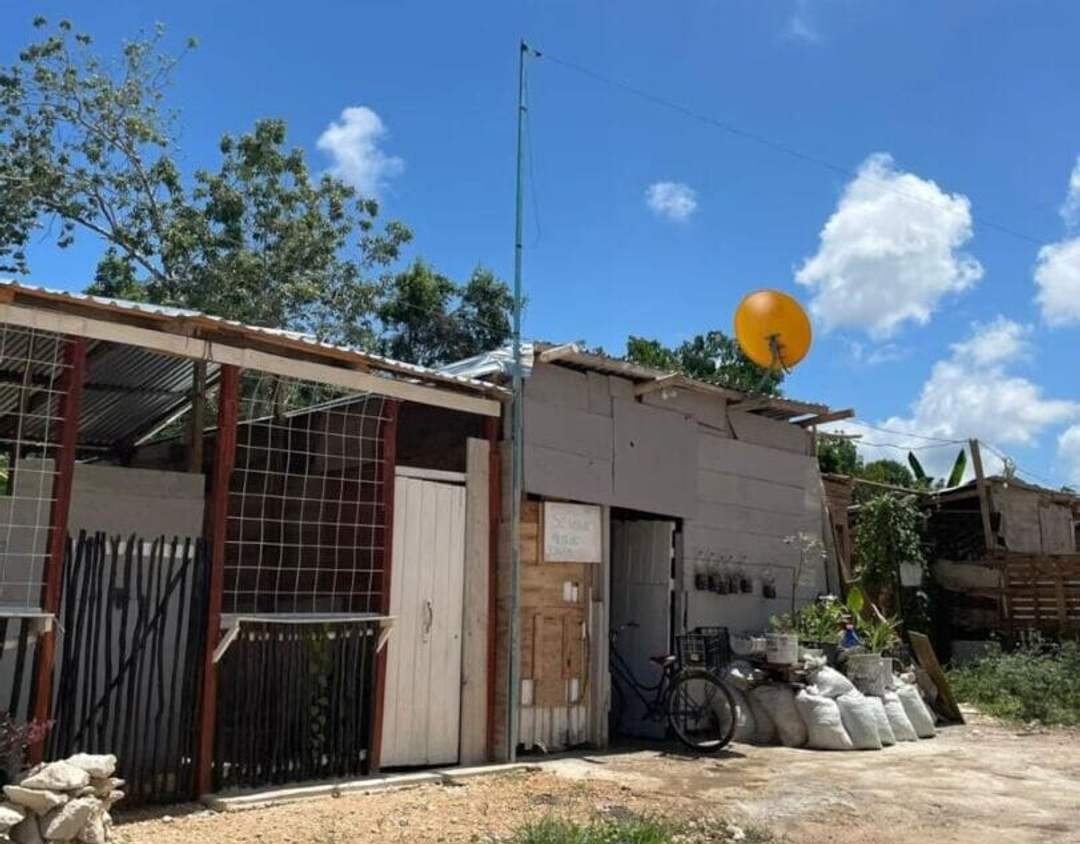
Illegal land invasions in Tulum, Quintana Roo highlight weak governance, corruption suspicions, and urban risks threatening one of Mexico’s most important tourism destinations.
A clear, step by step guide shows how to avoid real estate fraud in Tulum, from confirming title and land use to securing a bank trust and conditioning payments on milestones, with practical checks for foreign buyers.
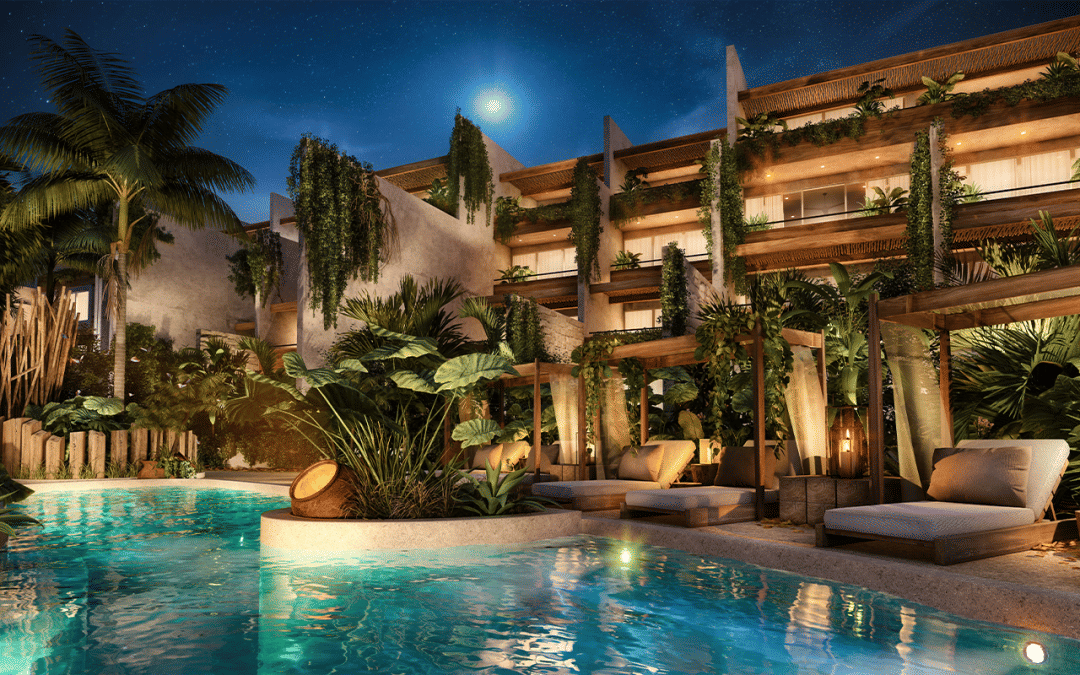
Accor expands its luxury portfolio with Mayaliah Tulum MGallery Collection, a project that blends design, culture, and sustainability to redefine high-end hospitality in the Riviera Maya.
Tulum authorities will intensify inspections during the 2025–2026 holiday season to prevent clandestine parties and ensure safety across the Riviera Maya.
The Festival de Cine Consciente in Tulum will merge cinema, sustainability, and community from November 14–16, 2025, creating an open-air ecological venue for reflection and collective action.
Tulum faces an economic recession as foreign visitor numbers fall sharply, forcing iconic businesses to close and halting construction projects across Quintana Roo.
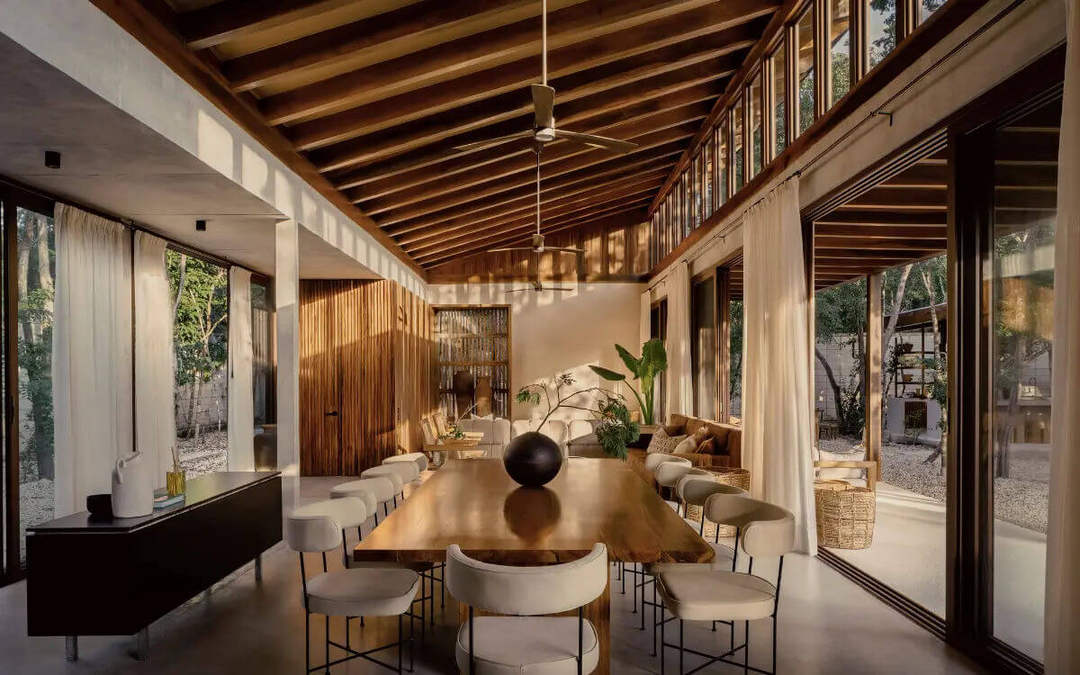
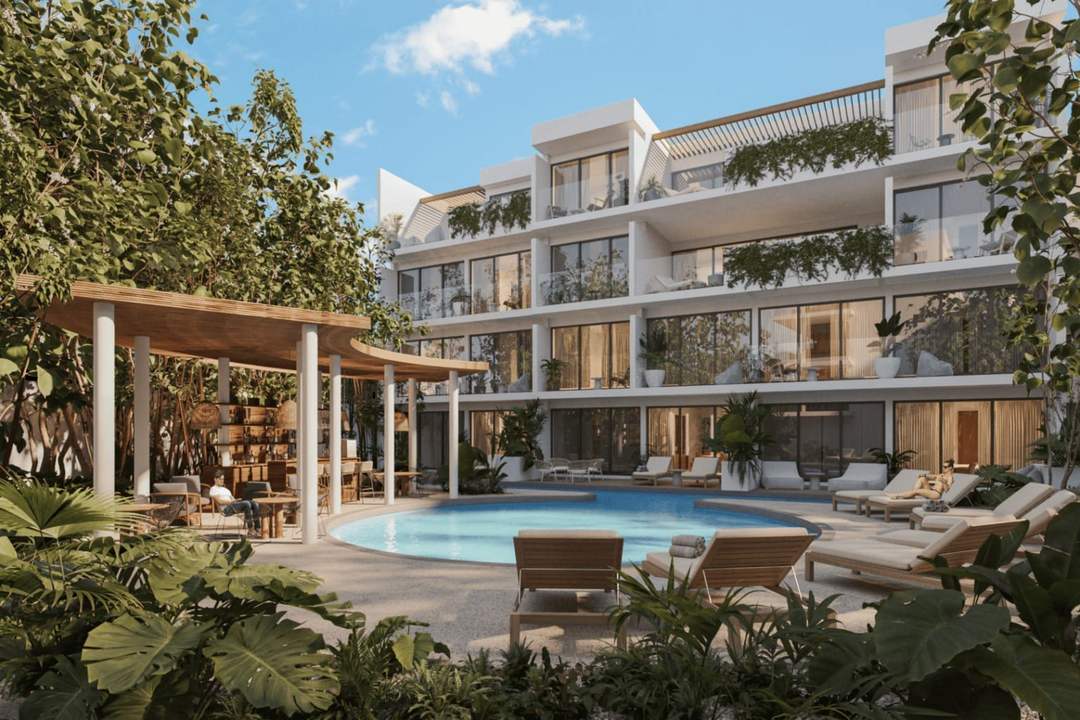
Tulum 101 introduces a new era of sustainable luxury in the Mexican Caribbean, where design, comfort, and nature coexist. 101 Park embodies this vision, redefining modern living in the heart of Tulum.