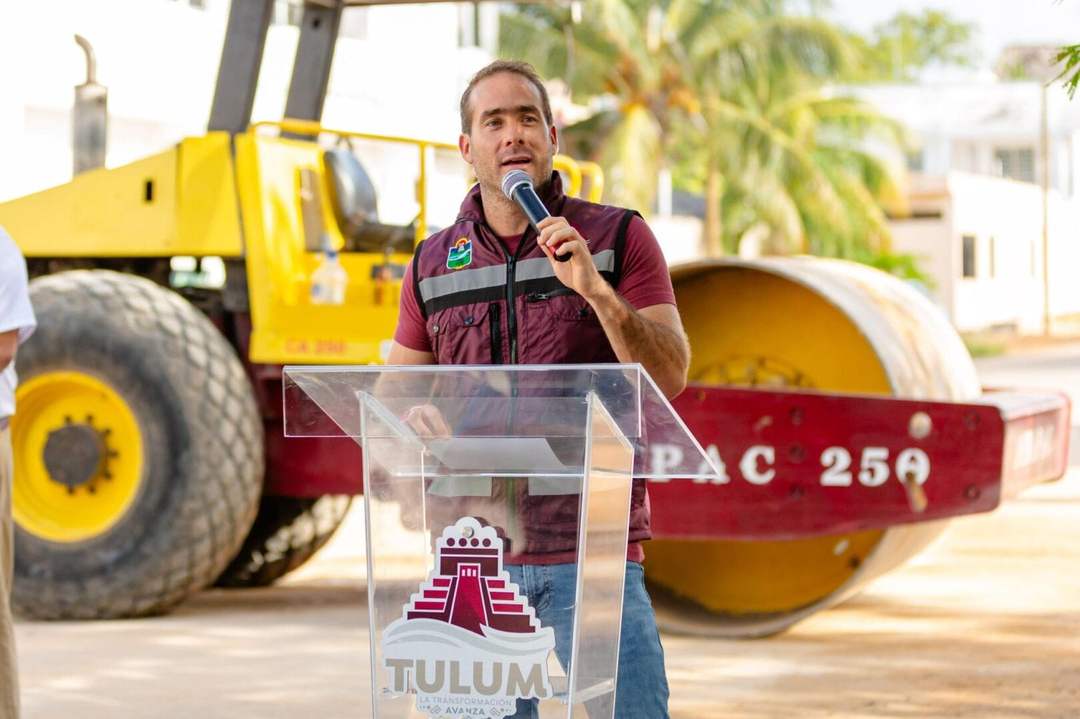
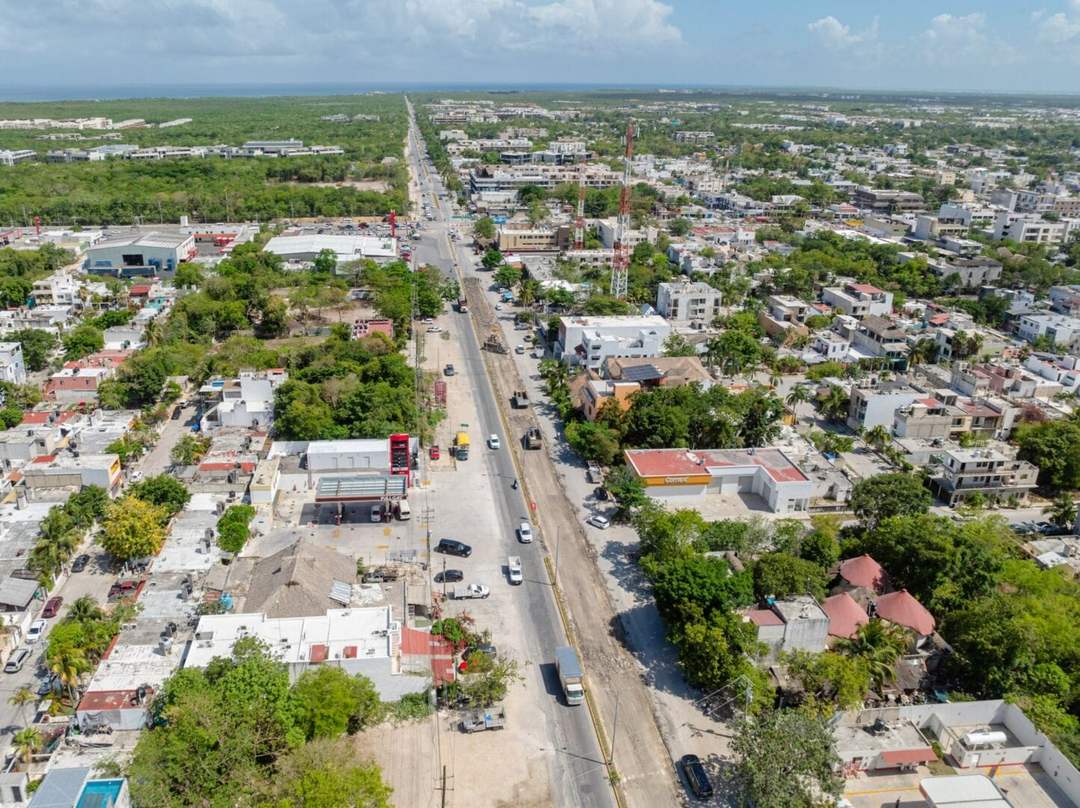
Tulum earns a rare kind of political affection by delivering tangible infrastructure improvements—paving roads in Macario Gómez and Ya’ax—boosting access to health, safety, and community trust.
How Inmobilia leads Mexico’s luxury real estate with sustainable, visionary communities, redefining lifestyle and attracting global investors to the heart of innovation.
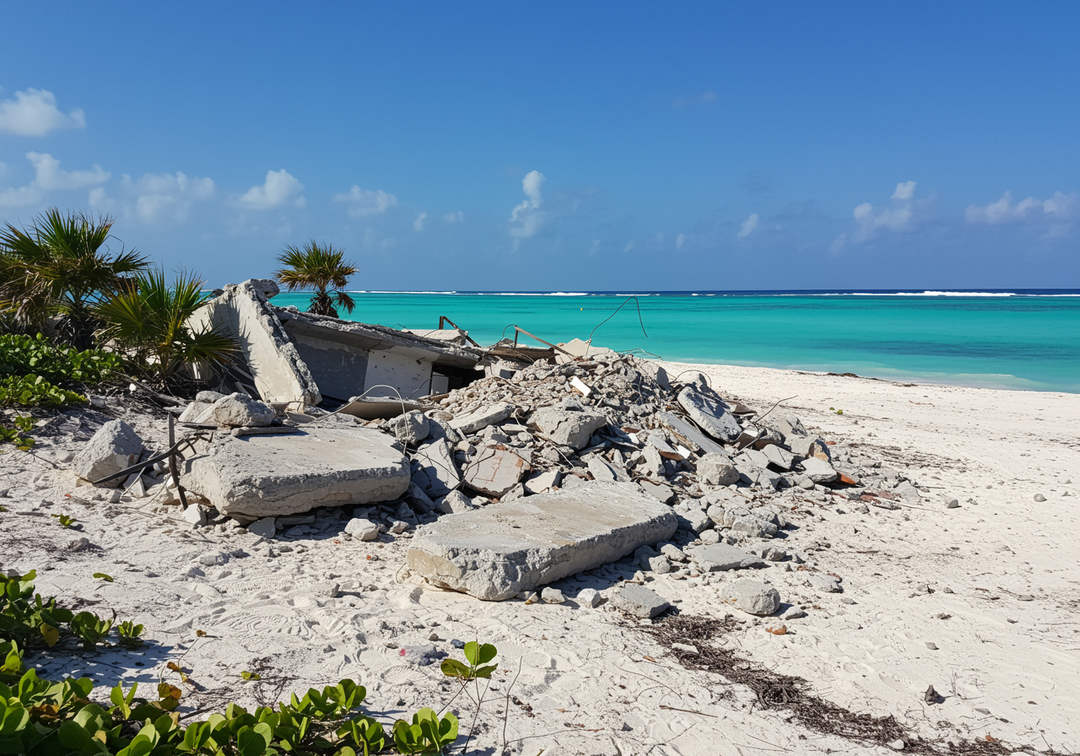
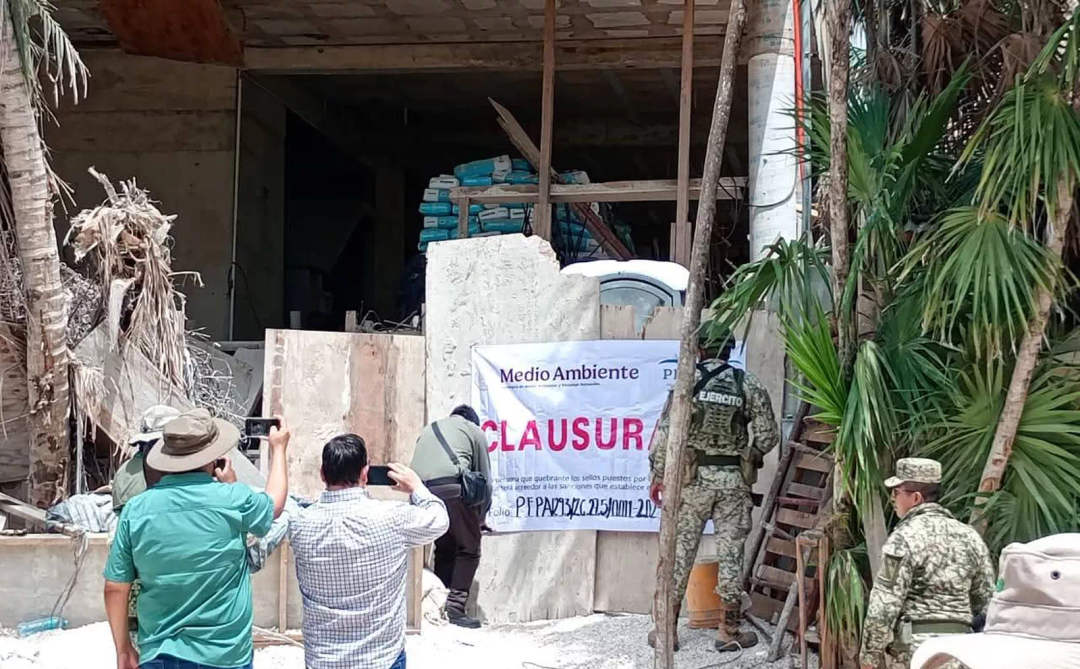
Mexico’s environmental agency PROFEPA will demolish illegally built tourist structures nationwide to reverse ecological harm, beginning with the first case targeting an unauthorized beach club in Tulum.
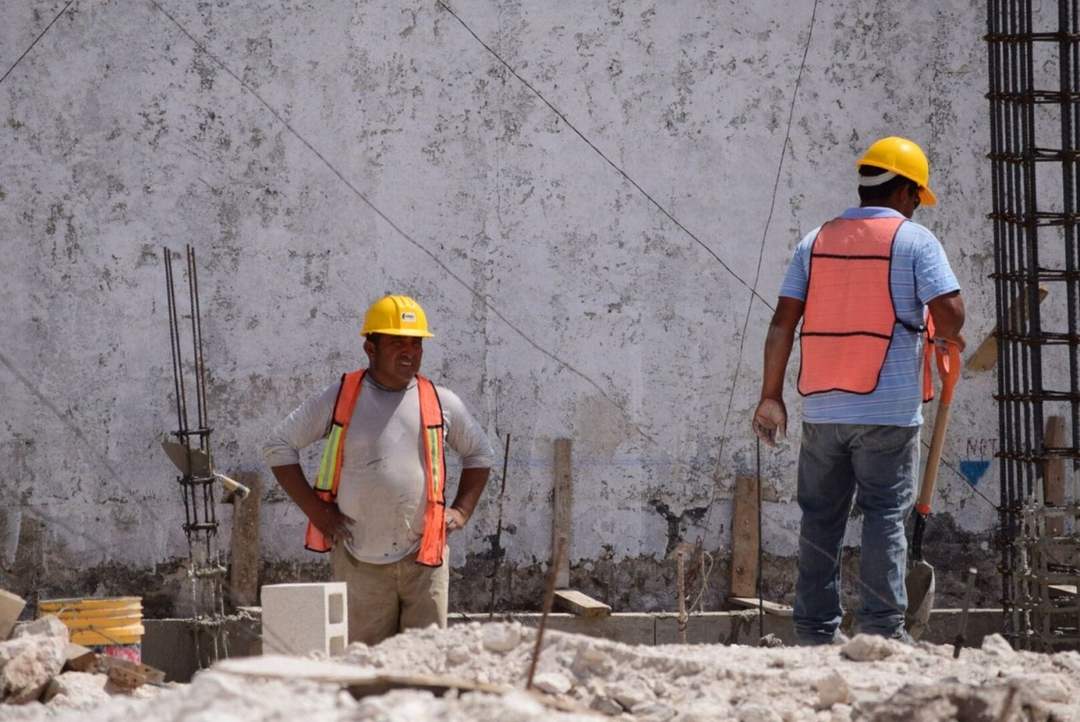
Tulum’s construction workers endure extreme heat without proper shade, hydration, or rest, prompting calls for stricter safety measures to shield laborers from dangerous conditions.
Investors from Nuevo León are leading a surge in Tulum’s property development, reshaping the region’s real estate landscape. Discover how this capital influx is driving growth, trends, and opportunities in Mexico’s hottest property market.
Tulum authorities, joined by federal agencies and volunteers, initiated a beach and coastal conservation campaign emphasizing debris removal, habitat restoration and community-driven shoreline protection.
A court ruling against a luxury project exposes the rising threat of environmentally harmful developments in Tulum, where weak oversight endangers fragile ecosystems and community trust.
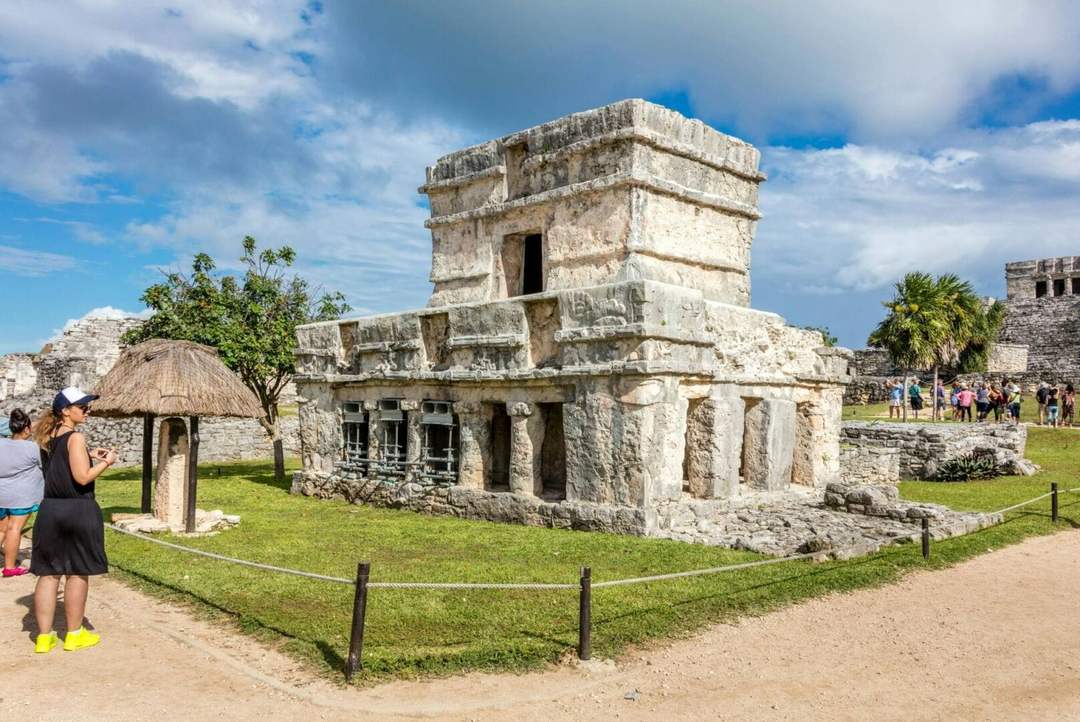
Everything you need to know about the Tulum ruins entry fee, including costs, travel tips, and visitor rules to enjoy this historic Maya site with respect and insight.
The Mexican Army backed a new closure against Tulum’s Adamar development, underscoring environmental regulations and the government’s resolve for sustainable urban growth.
A historic federal injunction halts a disputed coastal project in Tulum, spotlighting the clash between developers and environmental safeguards. Local authorities celebrate a legal victory that could reshape future coastal protections.
The municipal government of Tulum has intensified urban upkeep citywide, from street lighting repairs and pothole fixes to park restoration and tree replanting, ensuring safer, more vibrant public spaces for residents and visitors alike.
Soliman Bay’s illegal luxury development faces demolition after a federal ruling, exposing corruption, environmental violations, and a broken real estate system in Tulum.
Foreign residents in Tulum are calling for equal rights alongside Mexican residents to access beaches at no cost, highlighting discussions on local regulations, public spaces, and community inclusivity.
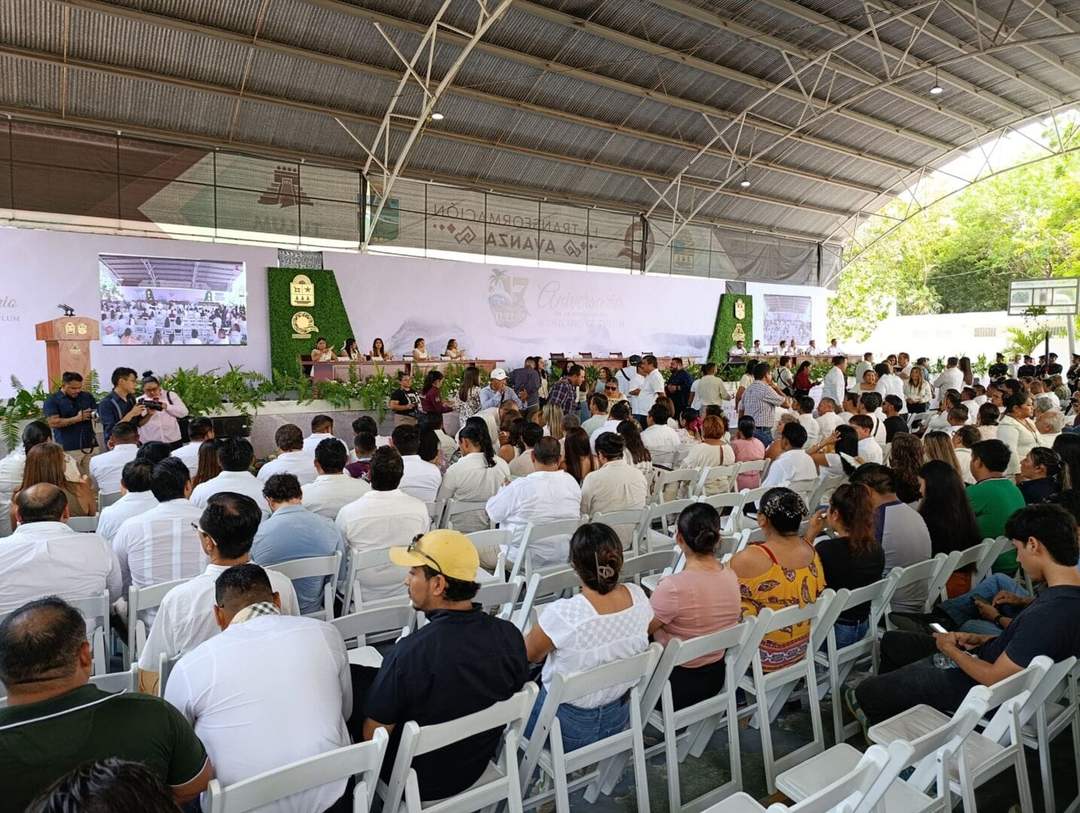
Tulum celebrates 17 years with a call for unity, transparency, and social justice. Governor Lezama pledges investment in education, health, and inclusive development for all.
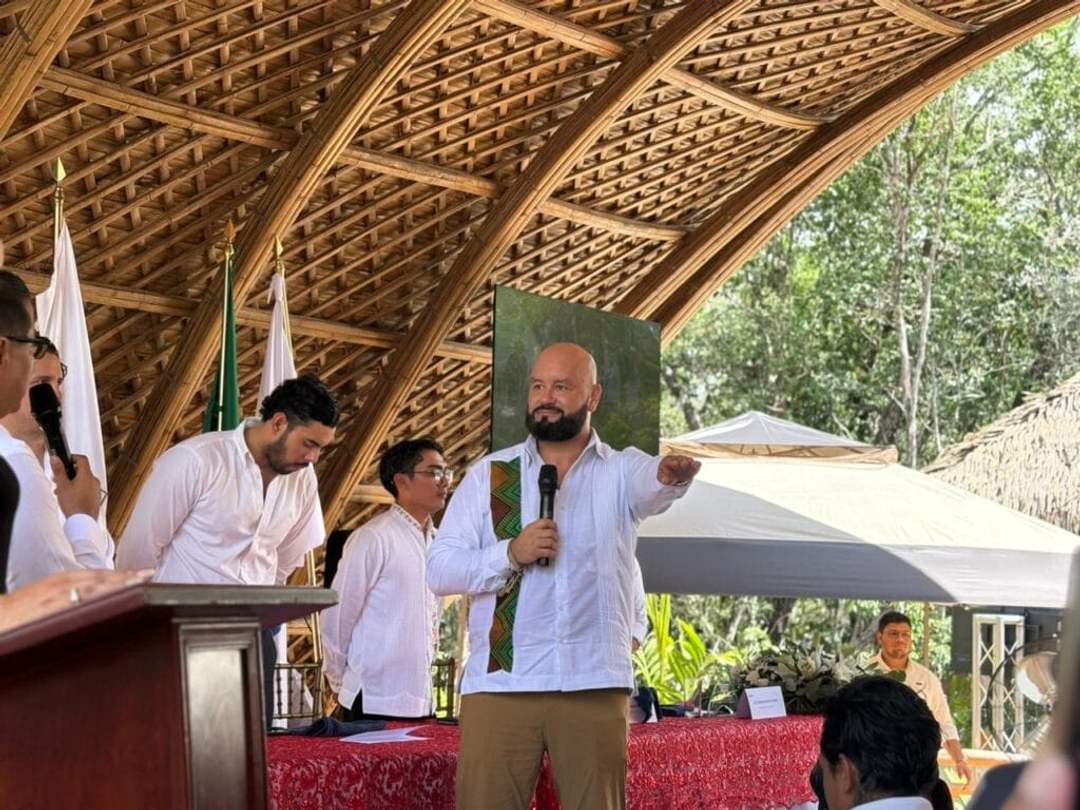
At Tulum’s 17th anniversary, Diego Castañón pledges to advance infrastructure, preserve heritage, and foster community unity, promising a municipality that honors its past while embracing sustainable growth.
Local officials urge stricter vacation rental rules in Quintana Roo to protect housing access and affordability, balancing tourism benefits with community well-being.
Tulum has become one of the world’s most expensive beach destinations. Discover why hotel, food, and taxi prices are so high—and what’s truly driving the cost for tourists.
Though Mexican law guarantees free beach access, Tulum’s coastline tells another story, one of fences, fees, and frustration. Locals and tourists now face two very different realities.
A pivotal study is underway to assess the carrying capacity of coastal areas, aimed at ensuring sustainable development and preserving long-term ecological balance for future generations.
Explore Tulum’s spiritual tourism, where ancient rituals and modern wellness converge, offering transformative experiences through yoga, temazcal ceremonies, and holistic retreats.