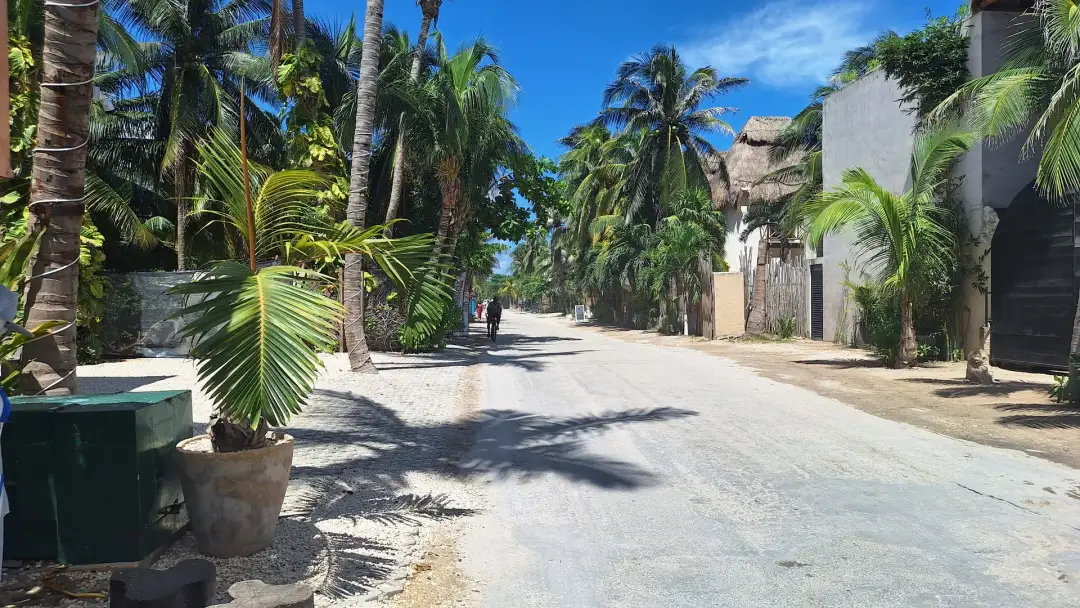
In the golden light of a Tulum morning, when the air still holds a whisper of ocean breeze, there’s no better way to connect with the region’s ancient roots than embarking on a Tulum Ruins half-day tour. This iconic archaeological site, perched atop 40-foot cliffs overlooking the turquoise Caribbean Sea, offers more than just a… Continue reading Tulum Ruins Half-Day Tour
Tulum leads as a sustainable tourism pioneer, blending eco-certified stays, community-driven conservation, and innovative practices to protect ecosystems while offering travelers authentic, low-impact experiences in Mexico’s Riviera Maya.
The Tulum government is reviewing road improvement projects to address traffic congestion and urban mobility challenges, aiming to enhance infrastructure and reduce bottlenecks in key areas.
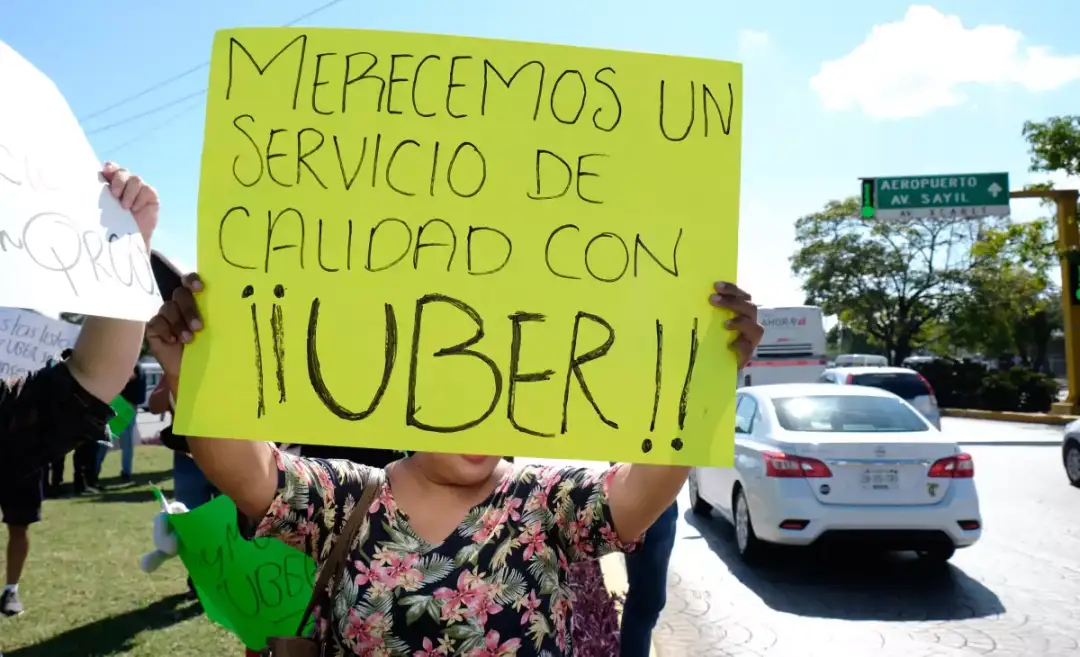
Uber is legal in Tulum but barely available due to union resistance, safety concerns, and low driver presence—leaving locals and tourists still reliant on taxis and limited transport options.
Major airlines reduce winter flights to Tulum as Mexico’s tourism surge slows, signaling shifting travel patterns and potential challenges for the region’s industry.
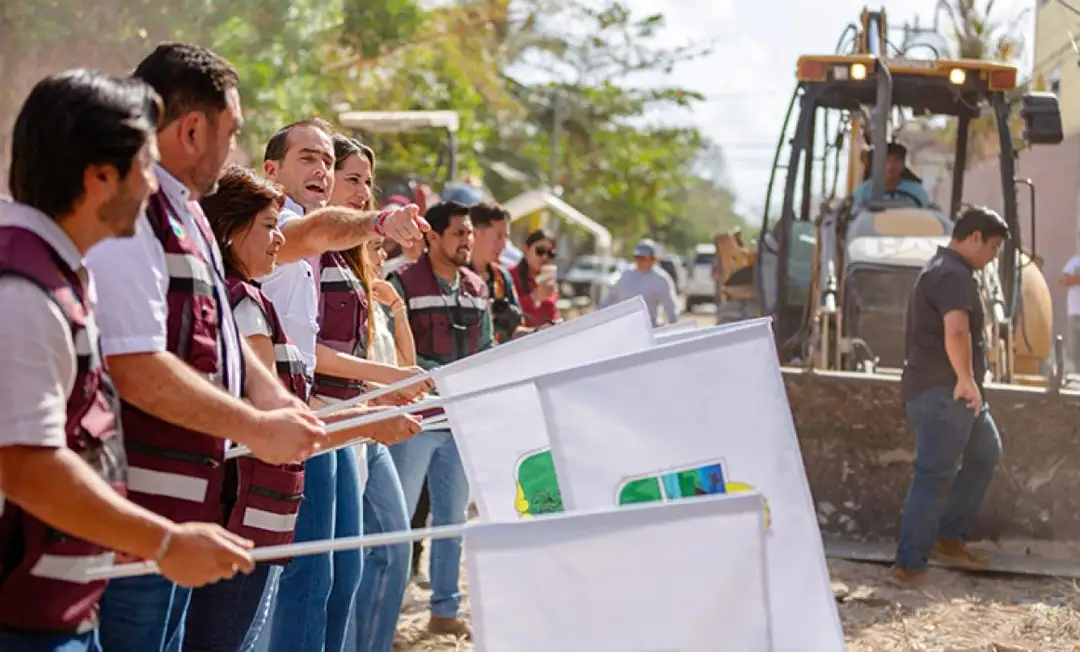
Tulum’s new paving projects aim to benefit 47,000 residents with improved roads and urban development initiatives enhancing infrastructure and community connectivity.
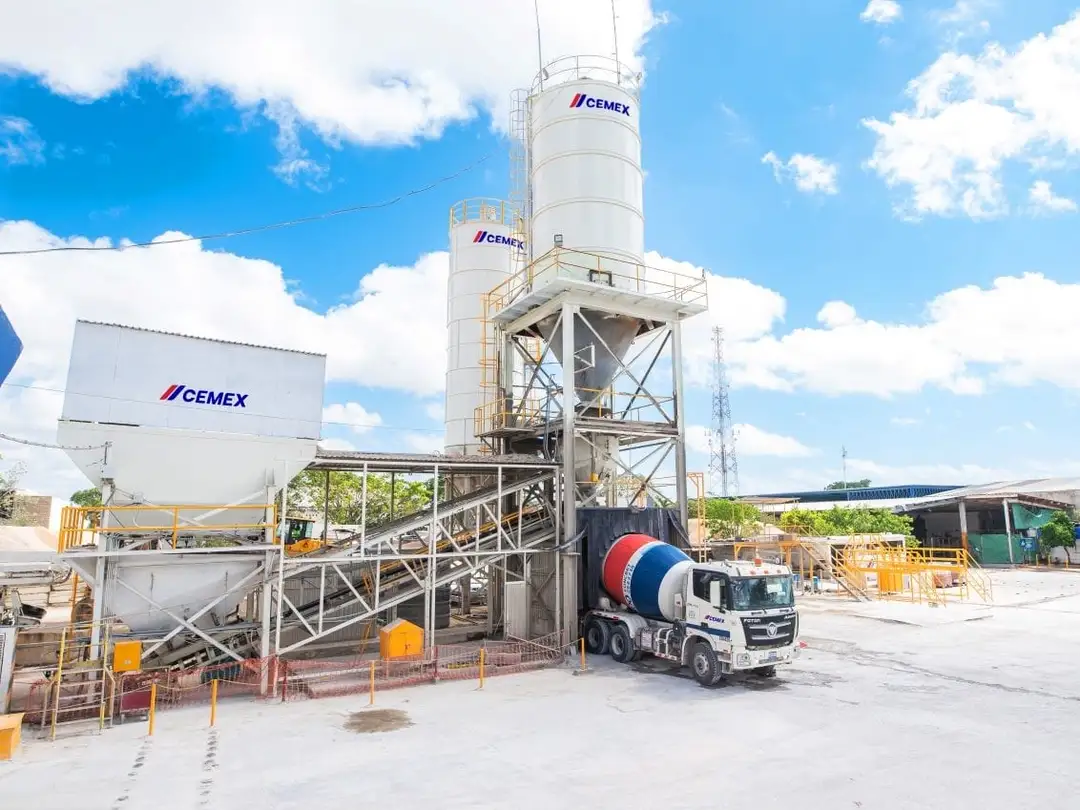
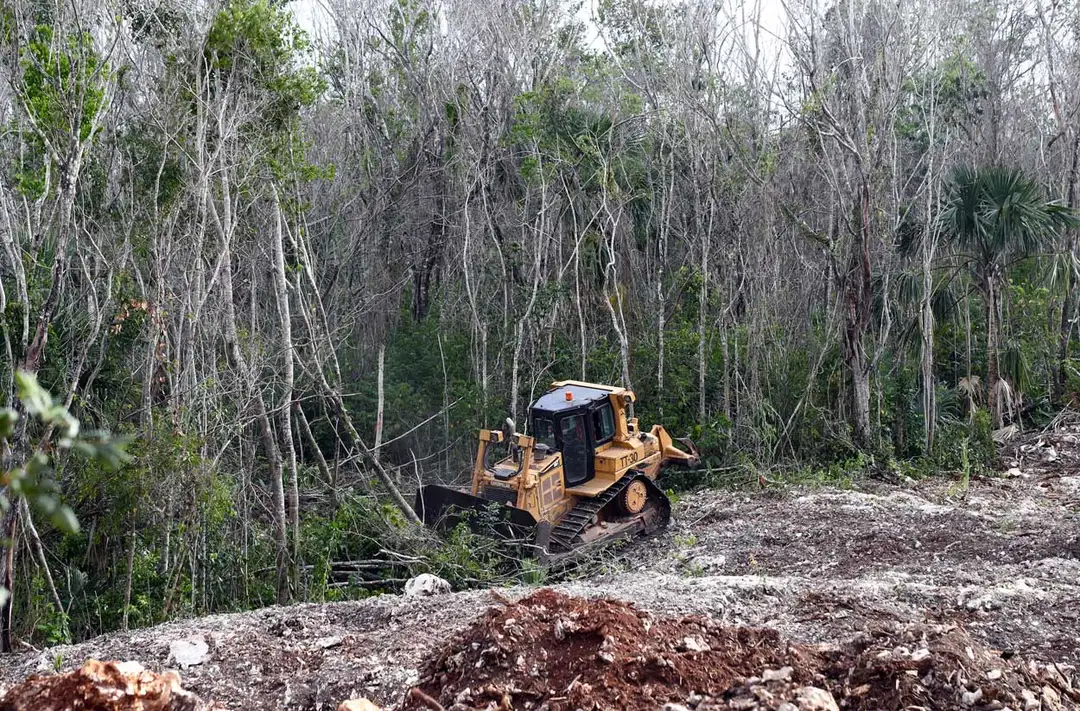
A controversial stone quarry in Tulum faces scrutiny as activists and residents challenge its environmental impact, citing violations of local regulations and threats to ecosystems critical to the region’s sustainability.
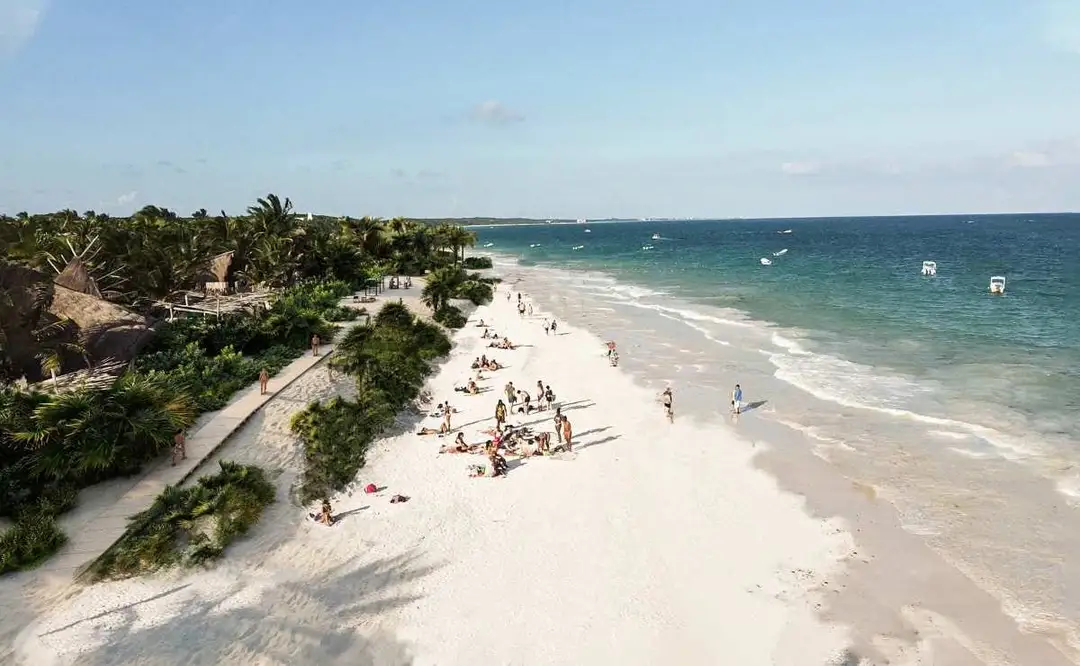
Local activists demand lawmakers prioritize free access to Tulum’s beaches, opposing proposals that favor privatization and highlight community rights over profit-driven development.
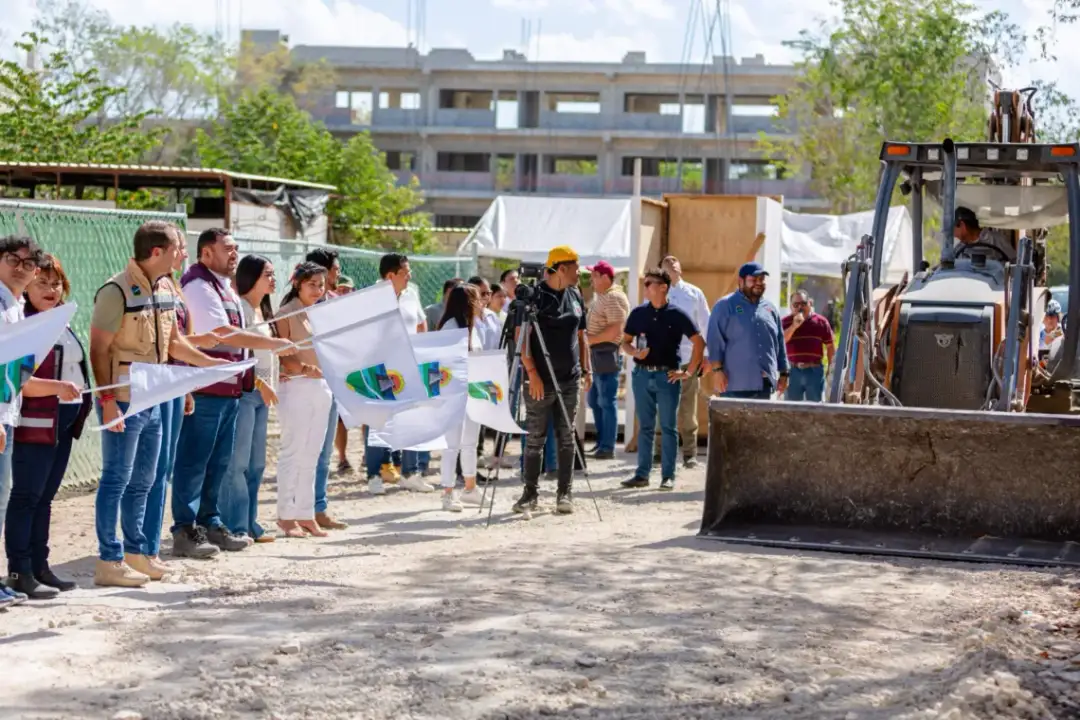
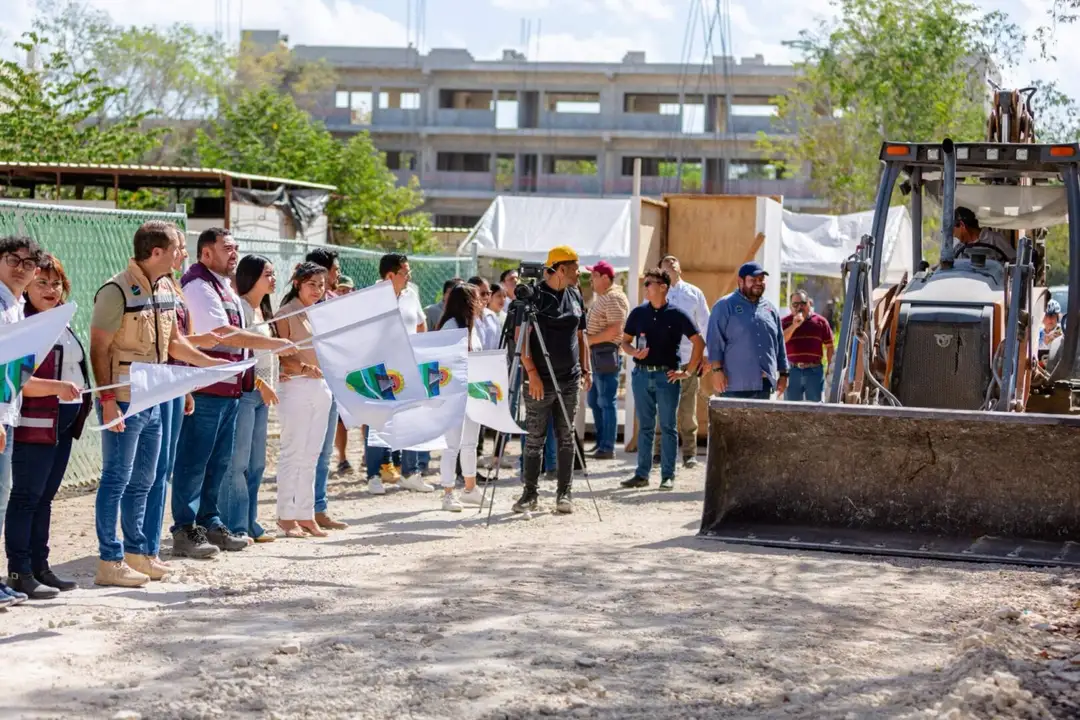
The Tulum municipality has launched critical paving works on Calle 21 Poniente, aiming to enhance community connectivity, safety, and local economic opportunities through improved road infrastructure.
Paving projects reach Tulum’s La Veleta colony, enhancing infrastructure and improving living conditions for residents as urban development advances in the region.
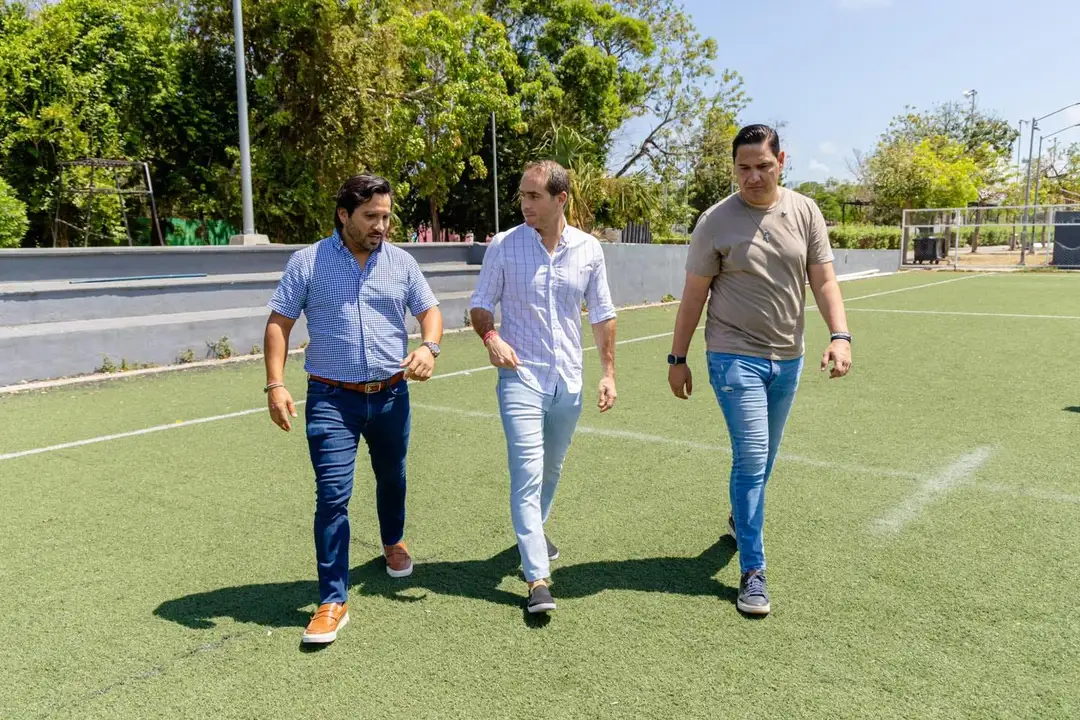
The government of Tulum is preparing to renovate the city’s sports complex, aiming to enhance recreational facilities and community spaces. The project promises modern amenities and improved accessibility for residents and visitors alike.
Tulum’s underground waterways are gaining traction as sought-after attractions as beaches grapple with seaweed surges, driving eco-friendly tourism and local adaptive responses.
The Maya Train project is projected to drive hotel occupancy rates to 50% by late 2025, signaling a significant boost for Mexico’s tourism sector as infrastructure developments enhance accessibility across the Yucatán Peninsula.
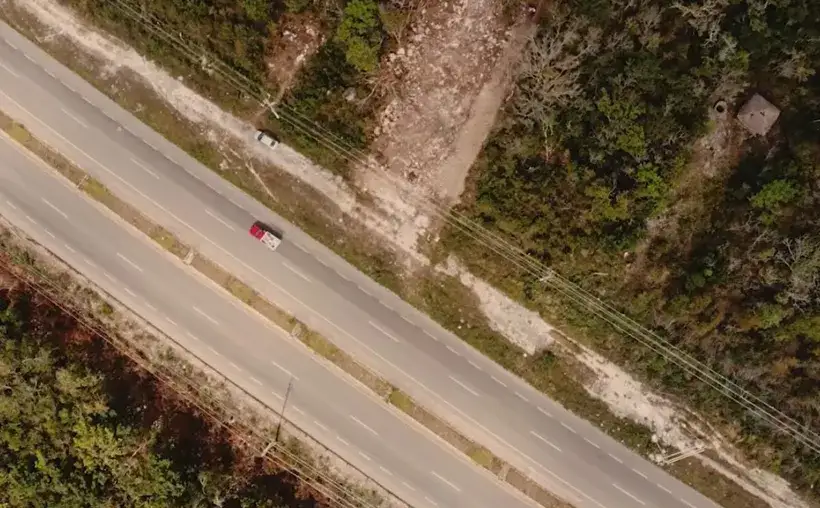
Residents file legal complaint against unauthorized road construction in Tulum, citing environmental and regulatory violations. The case highlights tensions between development and conservation in the region.
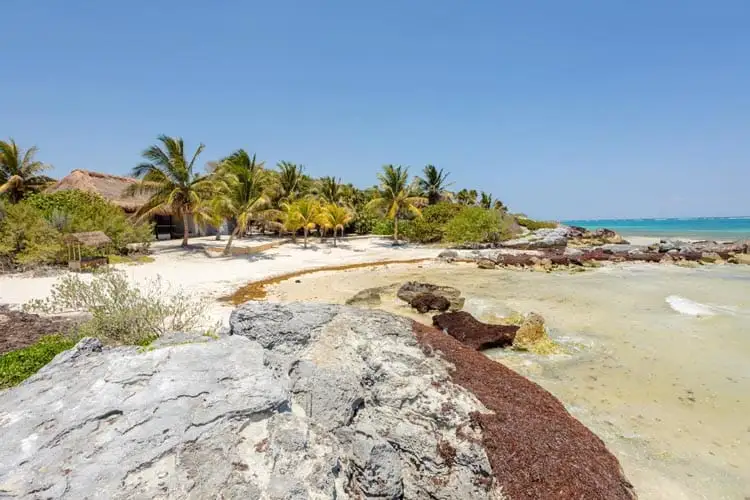
The Mexican government has initiated a large-scale operation to combat sargassum influxes along the Caribbean coast, deploying resources to protect ecosystems and tourism. Learn about the strategies and community impact.
Concerns rise over potential ecological damage in a proposed Yucatán corridor as the Tren Maya project advances, echoing earlier environmental critiques of the initiative.
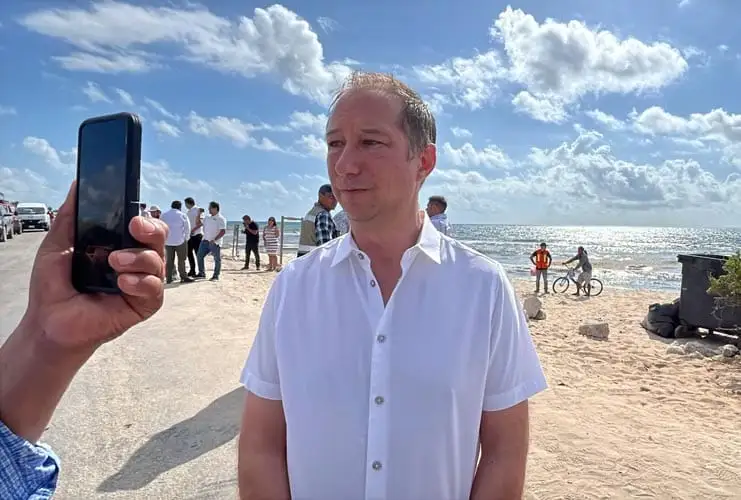
Tulum has unveiled a new public beach access point at the Mirador Temple, enhancing visitor experience while preserving cultural heritage. The initiative aims to reduce overcrowding and protect archaeological sites.
Discover key differences between Tulum and Playa del Carmen’s real estate markets in 2025—investment potential, property types, pricing, and infrastructure to guide your next property decision.