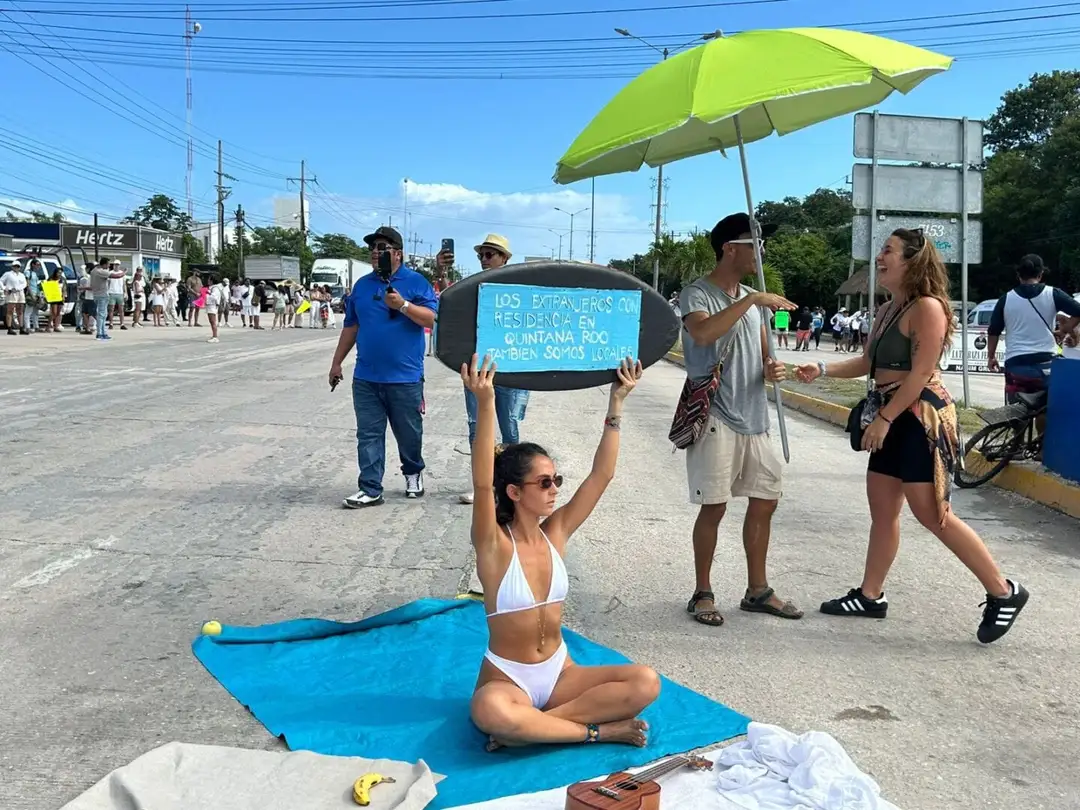
Foreign residents in Tulum are calling for equal rights alongside Mexican residents to access beaches at no cost, highlighting discussions on local regulations, public spaces, and community inclusivity.
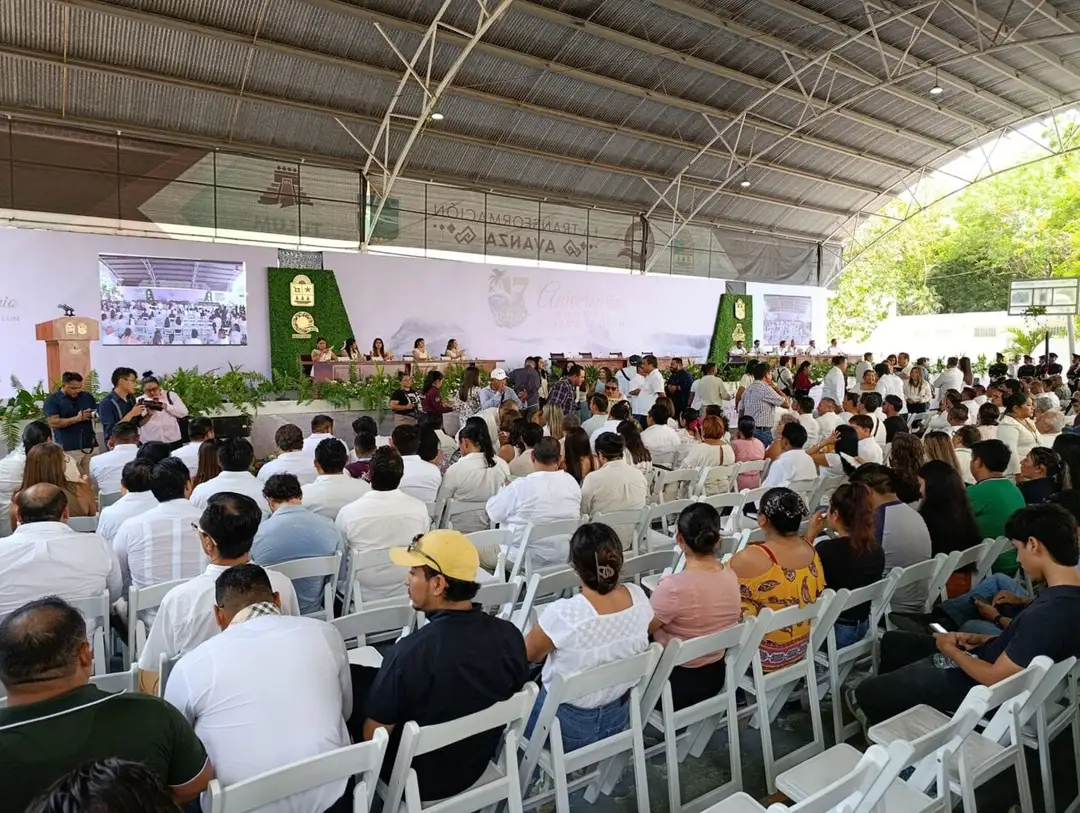
Tulum celebrates 17 years with a call for unity, transparency, and social justice. Governor Lezama pledges investment in education, health, and inclusive development for all.
At Tulum’s 17th anniversary, Diego Castañón pledges to advance infrastructure, preserve heritage, and foster community unity, promising a municipality that honors its past while embracing sustainable growth.
Local officials urge stricter vacation rental rules in Quintana Roo to protect housing access and affordability, balancing tourism benefits with community well-being.
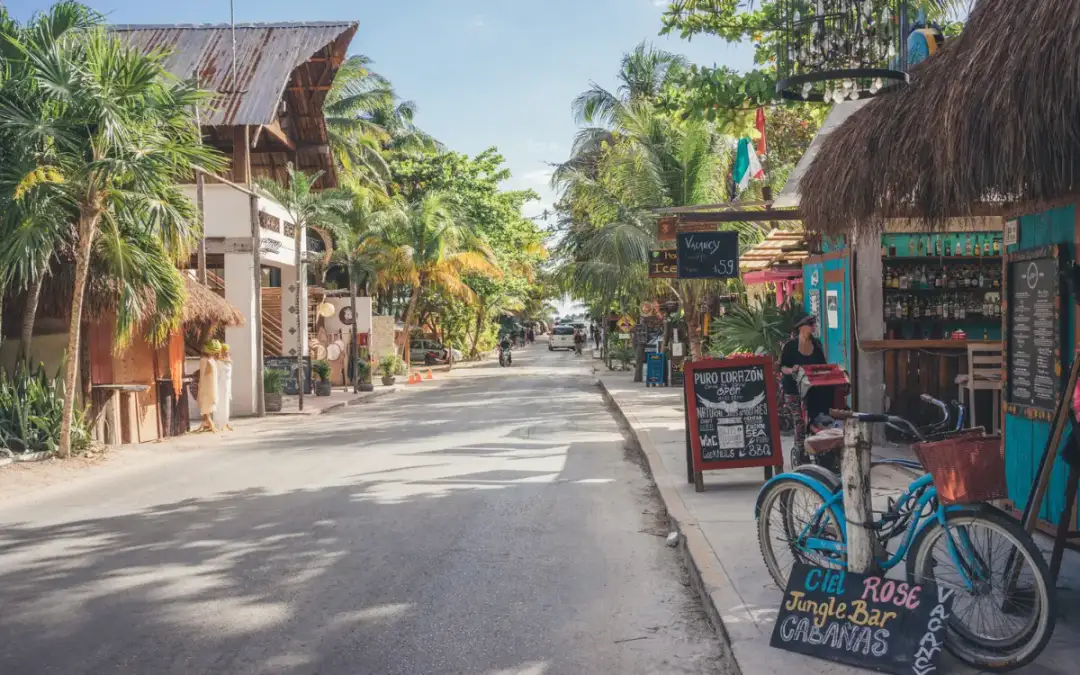
Tulum has become one of the world’s most expensive beach destinations. Discover why hotel, food, and taxi prices are so high—and what’s truly driving the cost for tourists.
Though Mexican law guarantees free beach access, Tulum’s coastline tells another story, one of fences, fees, and frustration. Locals and tourists now face two very different realities.
A pivotal study is underway to assess the carrying capacity of coastal areas, aimed at ensuring sustainable development and preserving long-term ecological balance for future generations.
Explore Tulum’s spiritual tourism, where ancient rituals and modern wellness converge, offering transformative experiences through yoga, temazcal ceremonies, and holistic retreats.
Leading luxury hotel operators are expanding their investments in Tulum, driving growth in tourism infrastructure and real estate, showcasing confidence in the area’s potential as a premier destination.
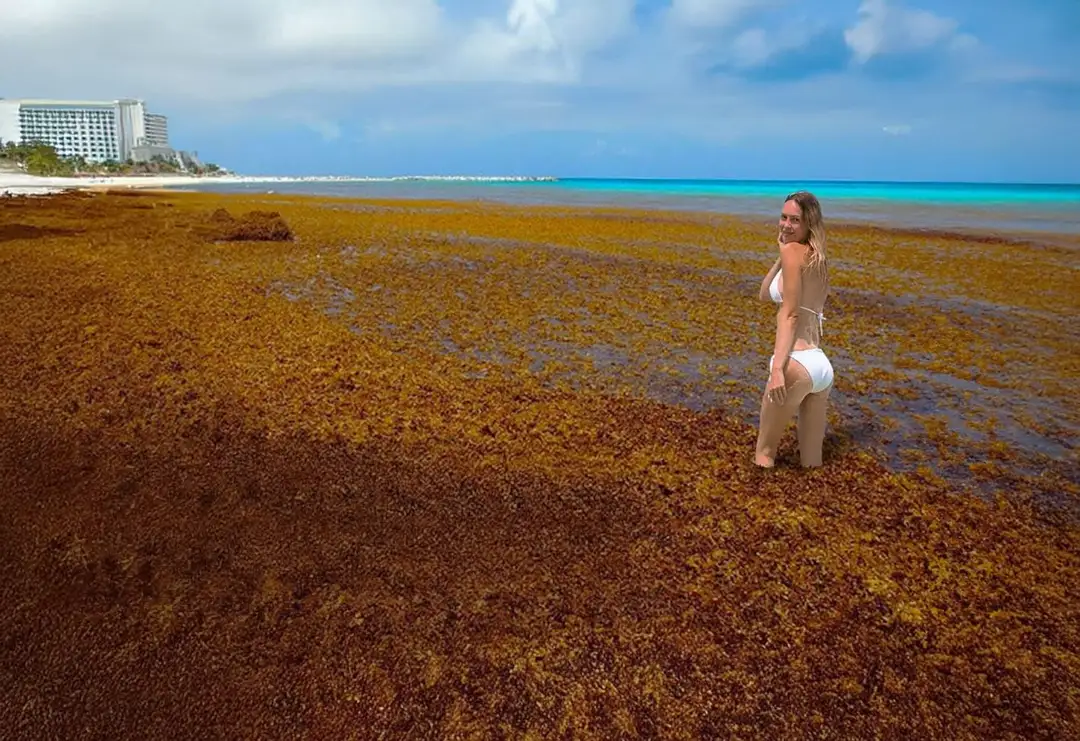
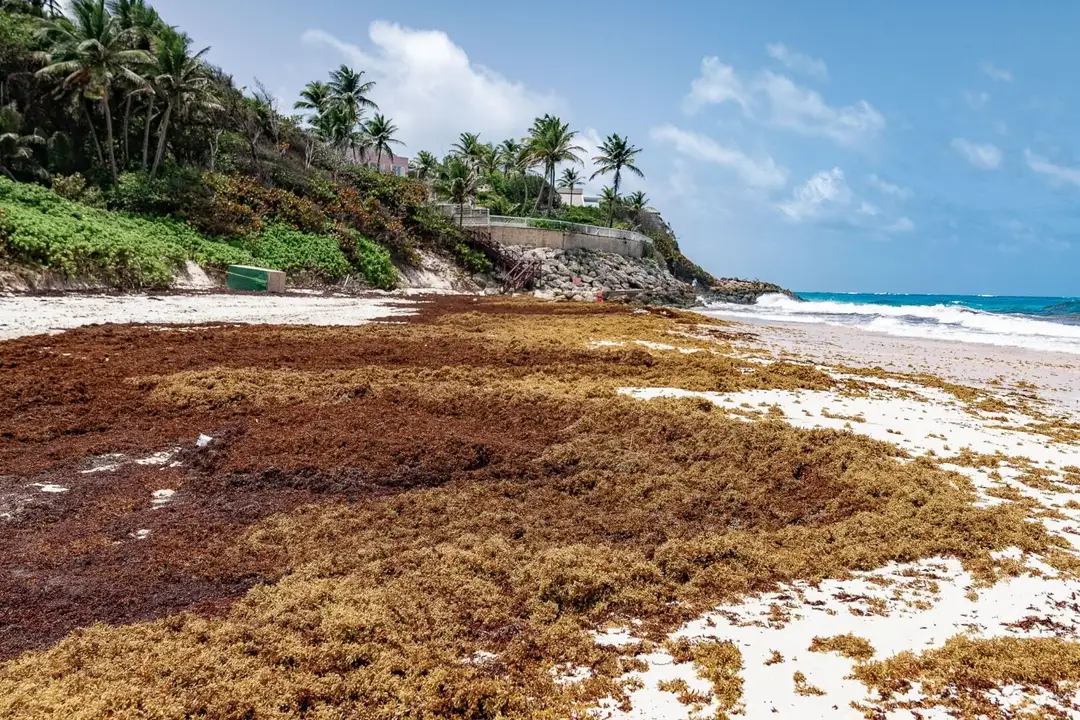
In 2025, record sargassum levels are overwhelming the Riviera Maya. Tulum faces mounting environmental and economic challenges as communities and authorities fight to protect their shores.
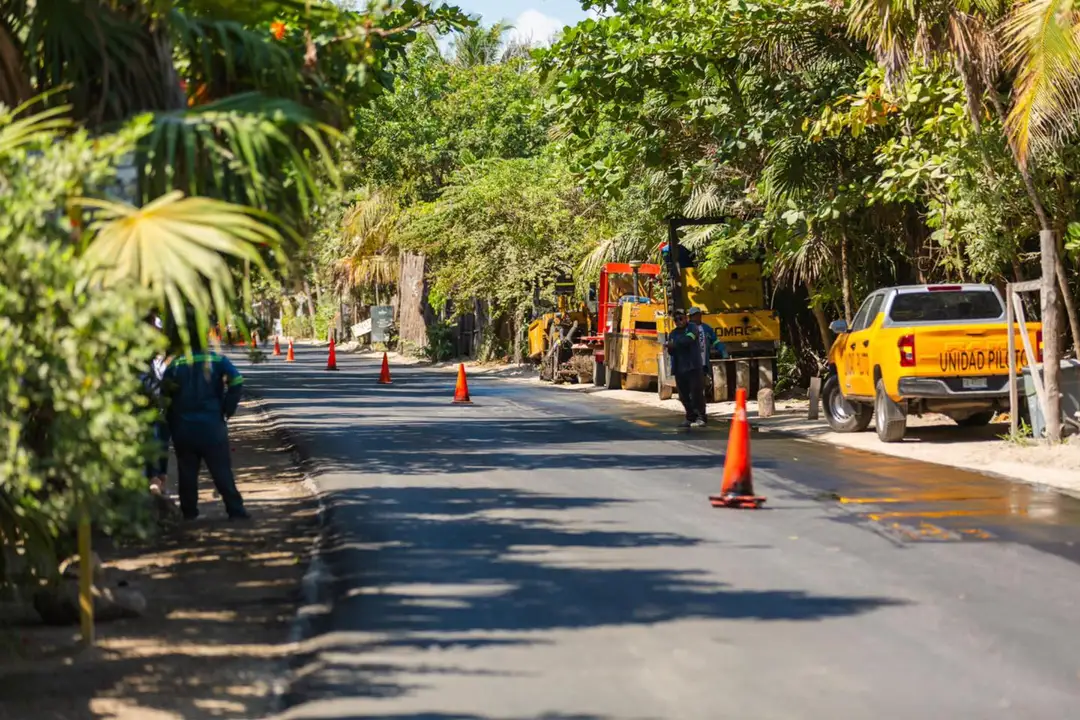
Tulum’s coastal road is being repaved, improving traffic flow—but locals urge authorities to ensure safety for cyclists and pedestrians along this busy tourist corridor.
Mayor Diego Cantidad spearheads a municipal security initiative aligning with national efforts to reduce violence in Tulum, emphasizing collaboration and community safety.
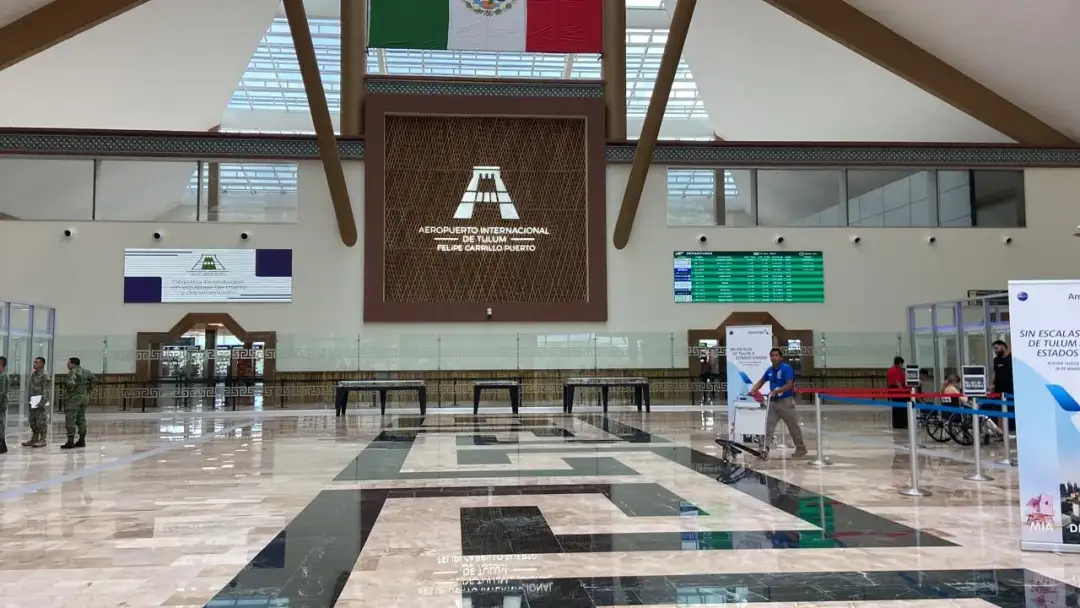
Tulum’s air access dwindles as key carriers reduce routes to the destination, driving tourists towards Cancún for better value and safer travel options. Discover the shifting dynamics in Mexican tourism.
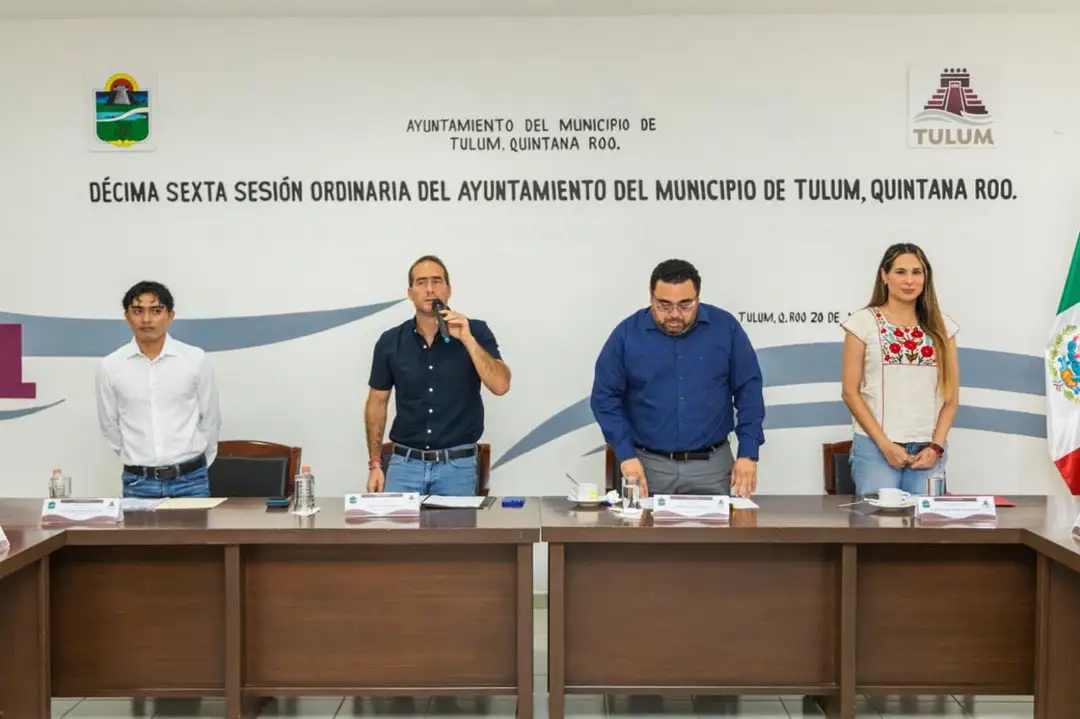
Tulum’s municipal council recently passed significant resolutions addressing urban development and public services, marking a pivotal step in the town’s ongoing administrative priorities.
Tulum faces a critical juncture in 2025, grappling with environmental and economic challenges that threaten its future as a premier tourist destination.
Sargassum in the Riviera Maya has reached historic levels in 2025, threatening tourism, marine ecosystems, and public health as local efforts intensify to combat this growing crisis.
Environmentalists renew calls to expand the marine turtle sanctuary in Xcacel-Xcacelito, Mexico, advocating for broader coastal protection to safeguard endangered species amid growing ecological concerns.
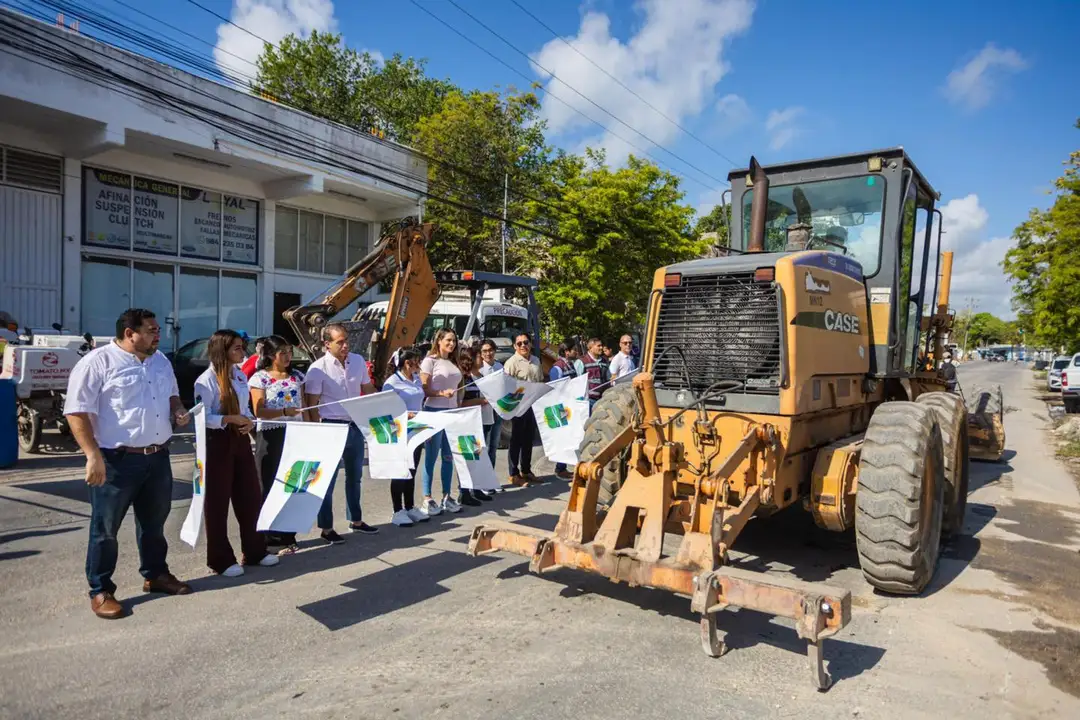
The government has initiated the rehabilitation of Coba Avenue in Tulum, a key infrastructure project aimed at improving traffic flow and safety in the rapidly growing area.
Discover private transportation in Tulum for seamless travel. Explore car rentals, private drivers, airport transfers, and eco-friendly options with cost ranges, booking tips, and safety advice to enhance your journey.
The best time to see sea turtles in Tulum is during nesting and hatching season from May to October, with ethical practices crucial for their conservation.