Pack smart for Tulum’s tropical climate with breathable fabrics, sun protection, and eco-conscious essentials. From cenote swims to jungle parties, our guide ensures you’re ready for beaches, ruins, and Tulum’s chic, sustainable vibe. 🌴
Discover how to explore Tulum car-free using eco-friendly bikes, shared colectivos, and agile scooters. Navigate beaches, cenotes, and Mayan ruins sustainably while embracing local culture—your guide to low-impact travel.
Renting a car in Tulum offers freedom to explore remote cenotes and Sian Ka’an, but bikes and taxis suffice for central areas. Compare costs and convenience for your travel style.
Discover the best transportation options from Merida to Tulum, from budget-friendly buses and private transfers to car rentals and eco-friendly rides. Explore efficient, safe, and scenic routes for your Yucatán adventure.
Discover how sustainable travel in Tulum preserves its paradise: eco-lodges, community partnerships, and mindful habits protect beaches, ruins, and culture. Travel responsibly—your choices shape its future.
Tulum leads as a sustainable tourism pioneer, blending eco-certified stays, community-driven conservation, and innovative practices to protect ecosystems while offering travelers authentic, low-impact experiences in Mexico’s Riviera Maya.
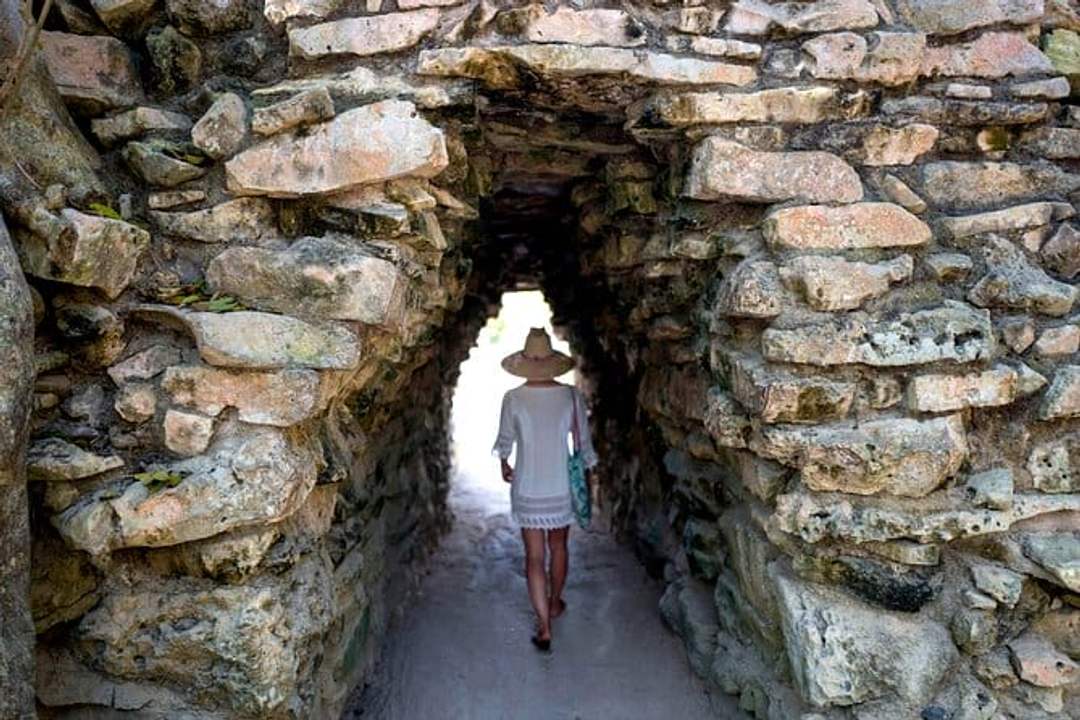
Essential Items to Bring When Exploring the Tulum Ruins Planning a trip to the iconic Tulum Ruins requires thoughtful preparation to ensure comfort, safety, and enjoyment. Nestled along the coastline of the Yucatán Peninsula, this ancient Mayan archaeological site offers both historical intrigue and natural splendor. Knowing what to pack for a Tulum Ruins visit… Continue reading What To Pack For Tulum Ruins Visit
**”Tulum’s ancient ruins now offer wheelchair-friendly paths, ramps, and inclusive services, blending history with accessibility. Explore the coastal Mayan site’s upgraded features, from beach access to guided tours, ensuring a seamless experience for all visitors. Plan your visit with practical tips for a smooth, memorable journey.”**
**Exploring the Tulum Ruins from Tulum Town: A Practical Guide**
Discover the best ways to reach the Tulum Ruins from Tulum Town with this essential guide. Whether you prefer biking through lush landscapes, taking a quick taxi, or joining a guided tour, each option offers a unique way to connect with the ancient Maya site. Learn about scenic routes, budget-friendly transport, and tips for a seamless visit, including the best times to go and what to bring. Perfect for travelers seeking adventure and history, this guide ensures your journey to the ruins is as memorable as the destination itself. Share your favorite Tulum travel tips with us!
Discover the Tulum Ruins entrance fee details and explore ancient Mayan history with tips for a seamless visit. Plan your trip to this iconic site, from costs to cultural insights, support preservation efforts.
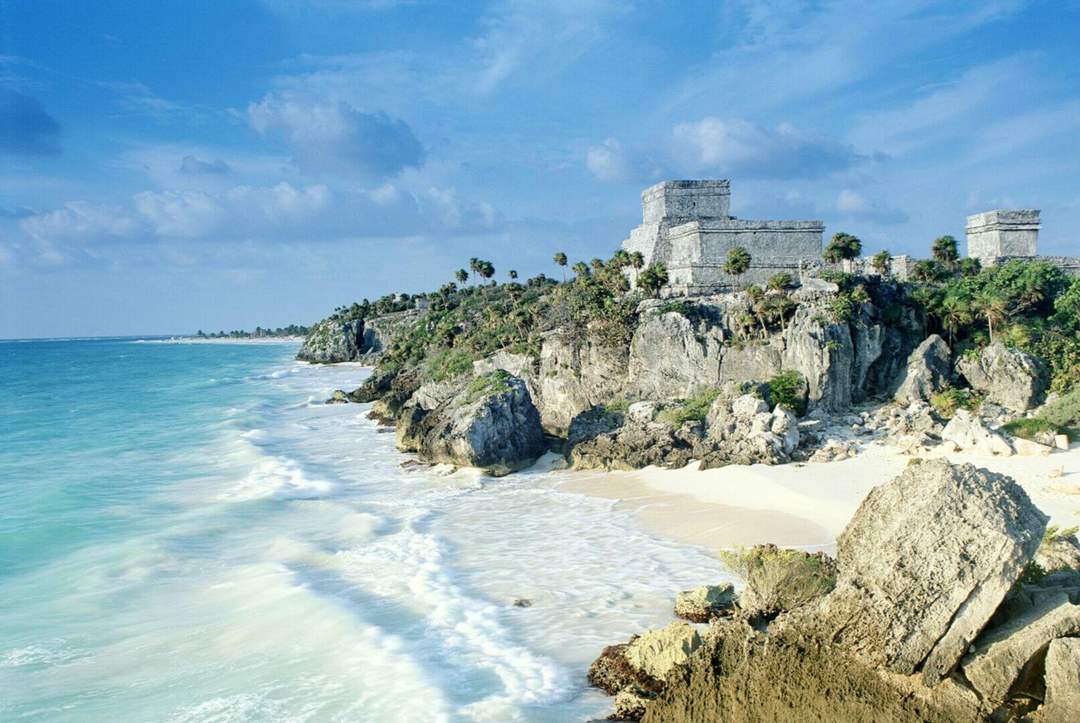
Plan your visit to Tulum Ruins: open daily 8 AM–5 PM. Explore ancient Maya temples like El Castillo, soak in Caribbean views, and discover tips for crowd-free mornings. Preserve history while embracing its coastal magic.
Discover the best time to visit Tulum Ruins for fewer crowds and ideal weather. Learn how seasonal tips and early arrivals enhance your ancient cliffside adventure.
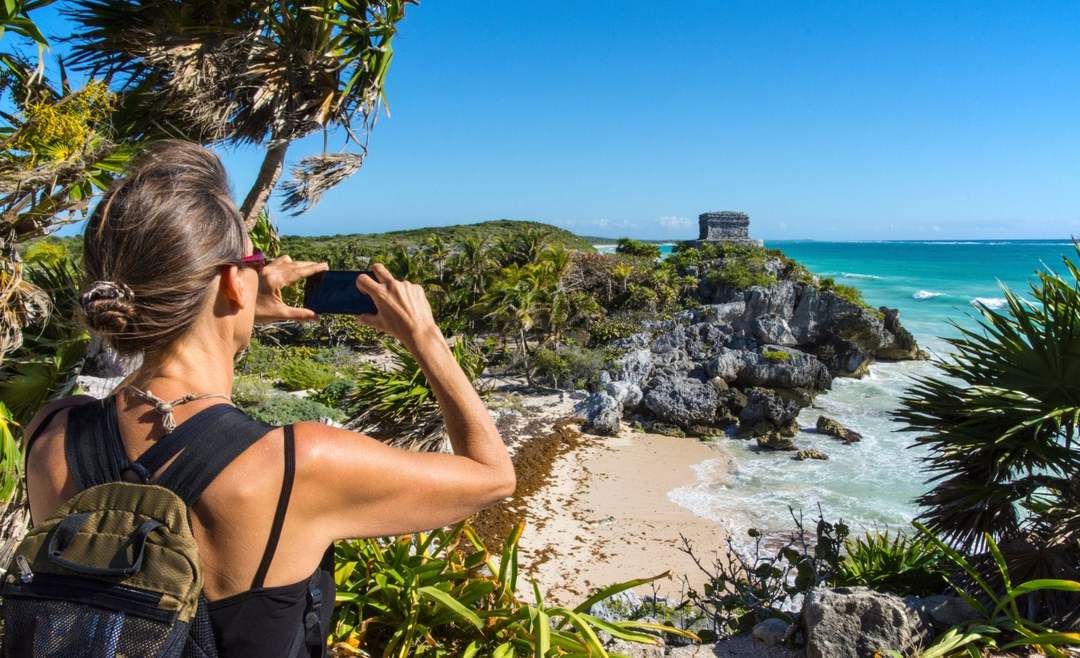
Discover the Tulum Mayan Ruins’ fusion of history and Caribbean beauty. Learn practical tips for crowd-free exploration, preserving ancient structures, and combining visits with hidden beaches and local culture along Mexico’s Riviera Maya.
Wondering where is Tulum Mexico? Nestled on the Caribbean coast of the Yucatán Peninsula, Tulum has transformed from a quiet village into one of the world’s most alluring destinations.
Tulum’s archaeological site has been named the most visited in Mexico for 2025, attracting over a million tourists annually. The ancient Maya ruins continue to draw global interest, highlighting Tulum’s cultural significance and tourism growth.
Tulum’s archaeological site emerges as Mexico’s third most frequented historical landmark during Holy Week, reflecting escalating cultural tourism and international interest in Maya heritage.