Society
They came with fences, and Tulum answered with dignity
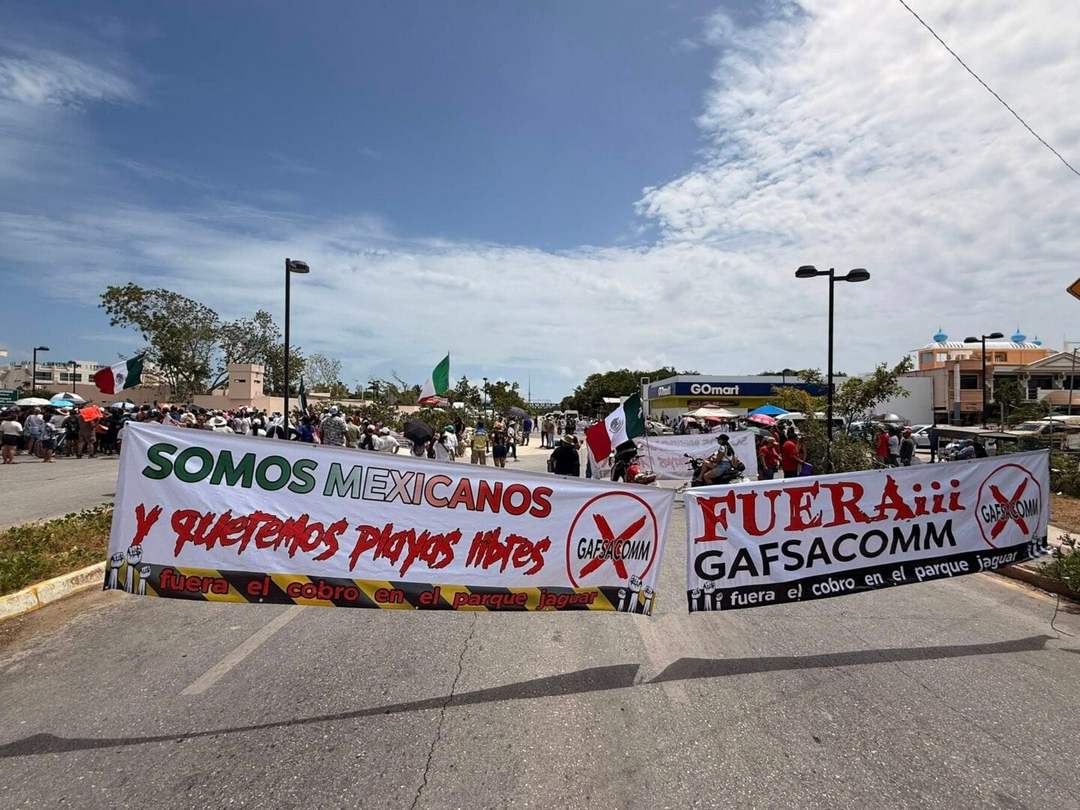
Tulum residents blocked Highway 307 demanding free access to beaches inside Jaguar Park, accusing military-run Grupo Mundo Maya of privatizing the coastline and damaging local tourism.
298 total stories · archive page 10 of 15
Tulum residents blocked Highway 307 demanding free access to beaches inside Jaguar Park, accusing military-run Grupo Mundo Maya of privatizing the coastline and damaging local tourism.
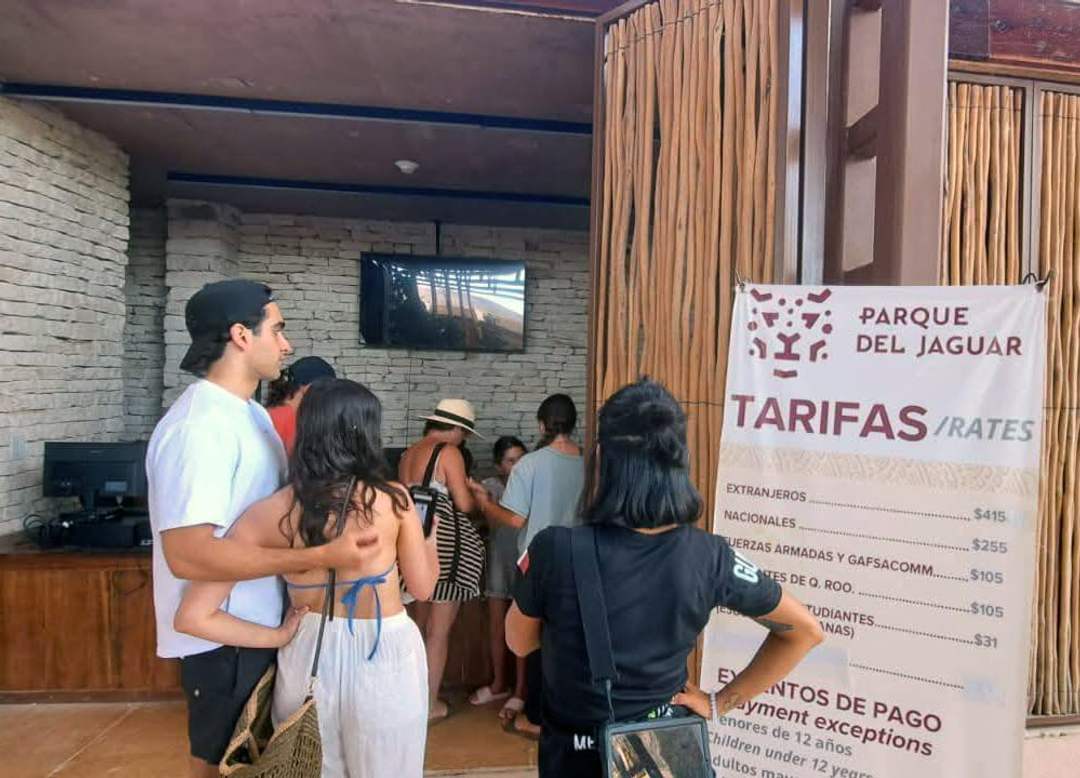
Tulum residents will block the archaeological zone this Sunday, protesting access fees and exclusion by Parque del Jaguar, which many say threatens local tourism and livelihoods.
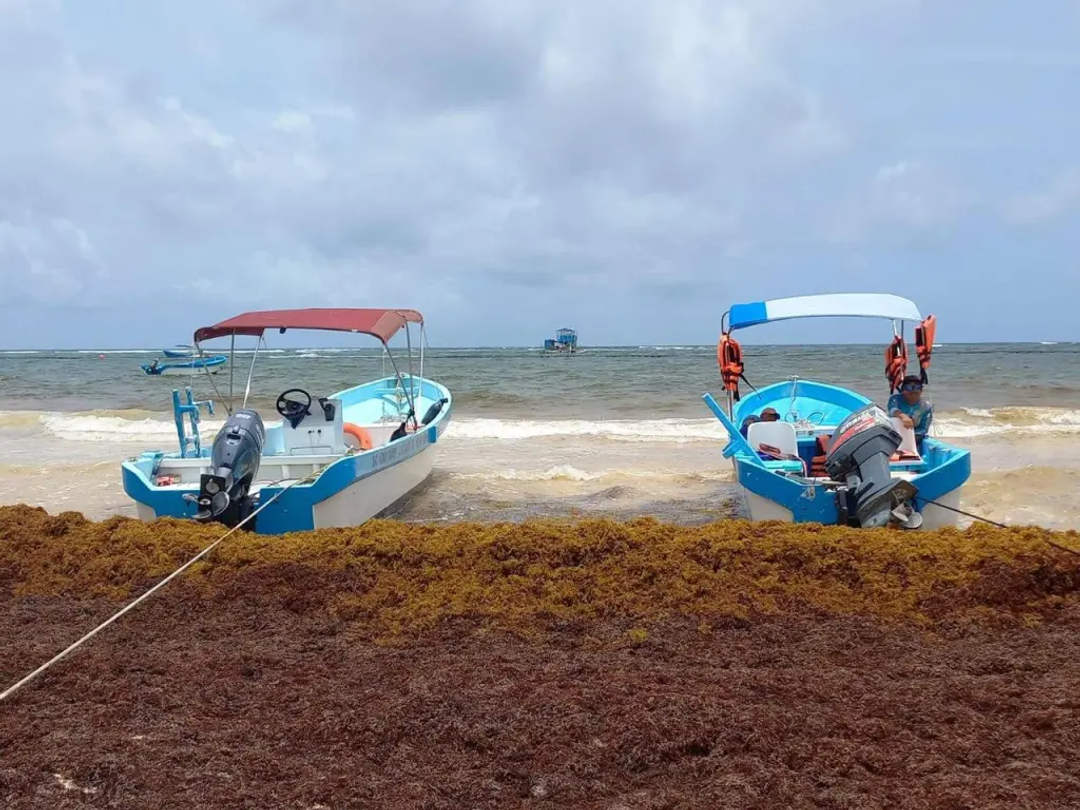
Tulum’s lancheros fear displacement as Grupo Mundo Maya plans new tour boats in Jaguar Park, fueling protests and raising questions about the future of local livelihoods in Riviera Maya.
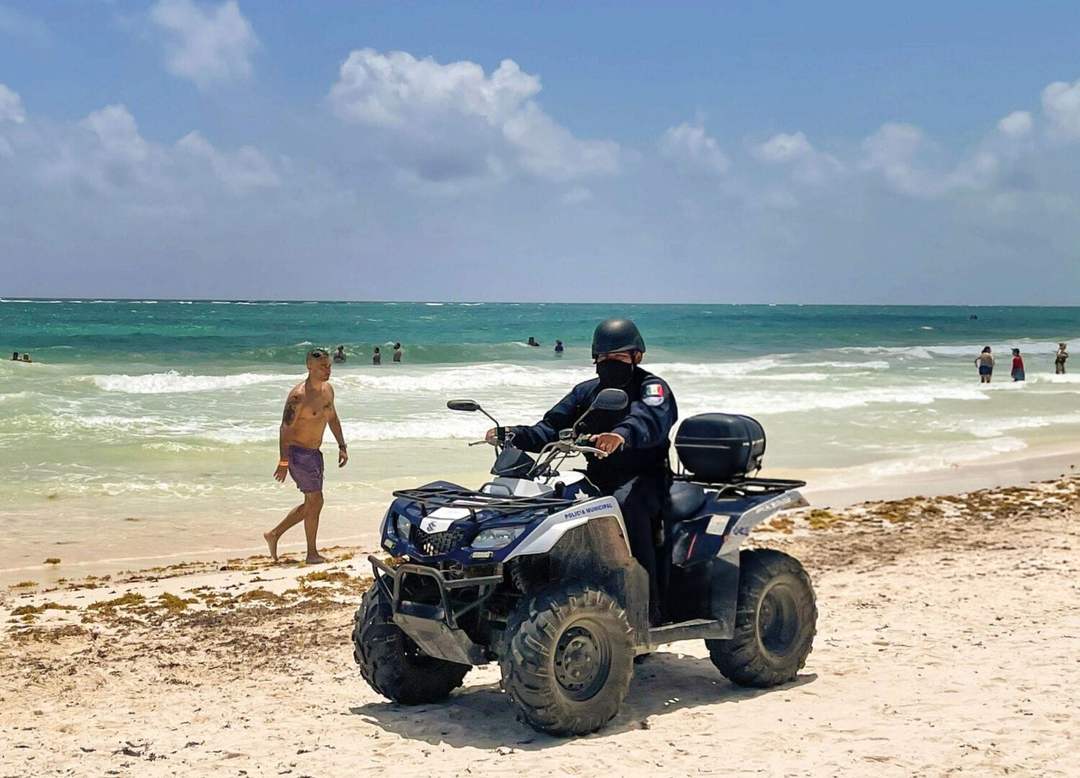
Quintana Roo will launch a new Tourism Police with 98 officers, lapel cameras, and international training to restore trust and protect visitors across Tulum, Cancún, and the Riviera Maya.
Tulum opens its first Multi-Sensory Stimulation Center, offering neurodivergent children a safe, inclusive space and marking a step forward in social care across the Riviera Maya.
Tulum locals are protesting high fees at Parque del Jaguar, claiming it’s hurting tourism and small businesses. The clash highlights deeper tensions in Mexico’s Riviera Maya economy.
Tulum’s tourism is unraveling. Rising prices, safety concerns, and informal services are pushing travelers to look elsewhere in Mexico, threatening the future of this once-thriving paradise.
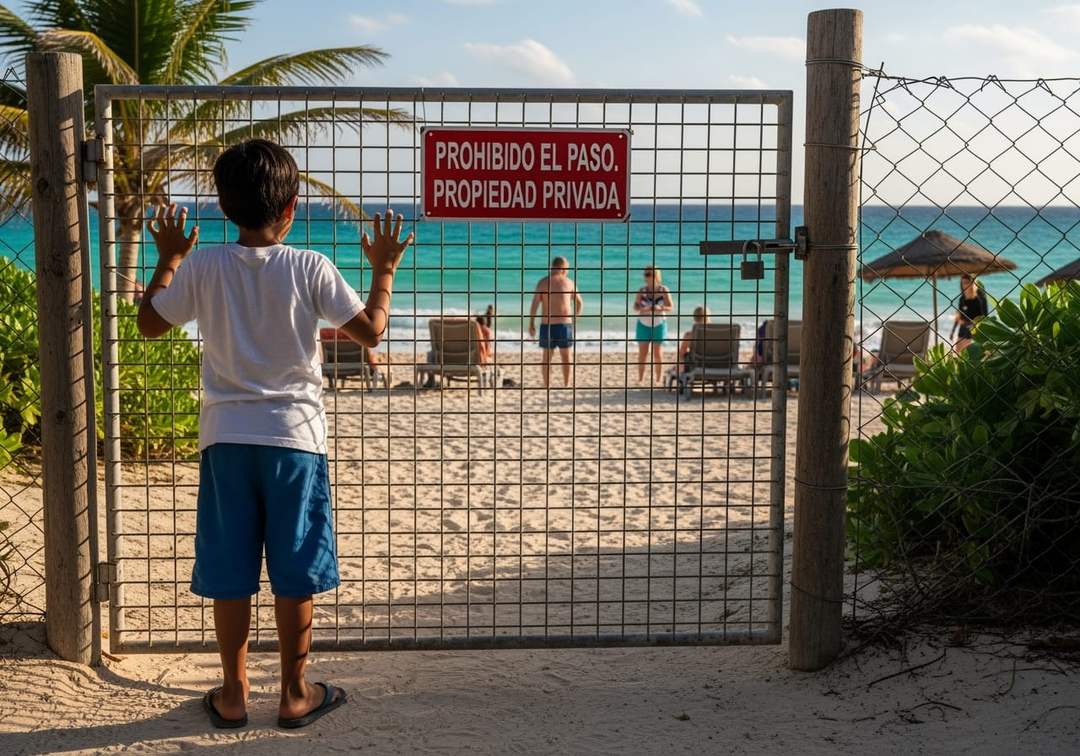
The fight for public beach access in Mexico intensifies as Tulum residents face fences, fees, and fading rights in a place once known for freedom, nature, and shared coastal beauty.
Child labor in Tulum nightlife is rising as children work late selling bracelets to tourists while laws remain unenforced and families are trapped in cycles of poverty and invisibility.
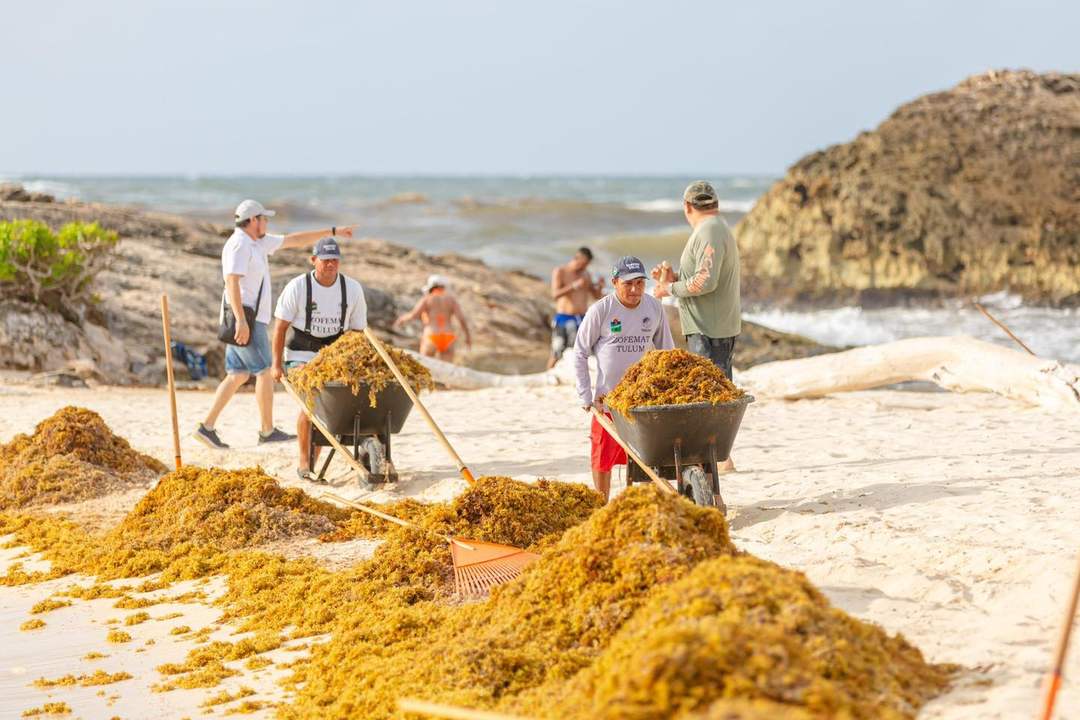
Tulum beach cleanup jobs are now open as the town hires workers to fight back against the rising tide of sargassum threatening its coastlines and tourism economy.
Tulum sees a drop in high-impact crime but locals wonder how long the calm will last. Discover what’s really behind the latest crime in Tulum and the forces shaping its uneasy peace.
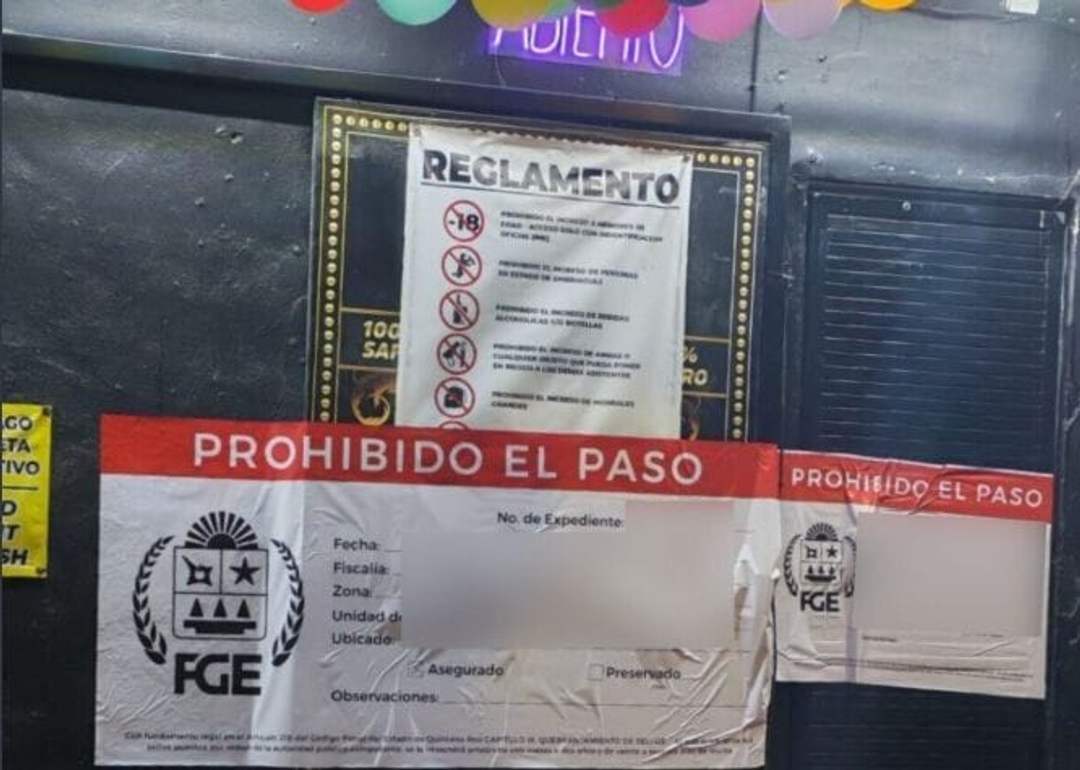
Authorities uncovered a hidden human trafficking operation in a Tulum bar, rescuing 15 women and exposing the dark side of Mexico’s tourism-fueled nightlife economy.
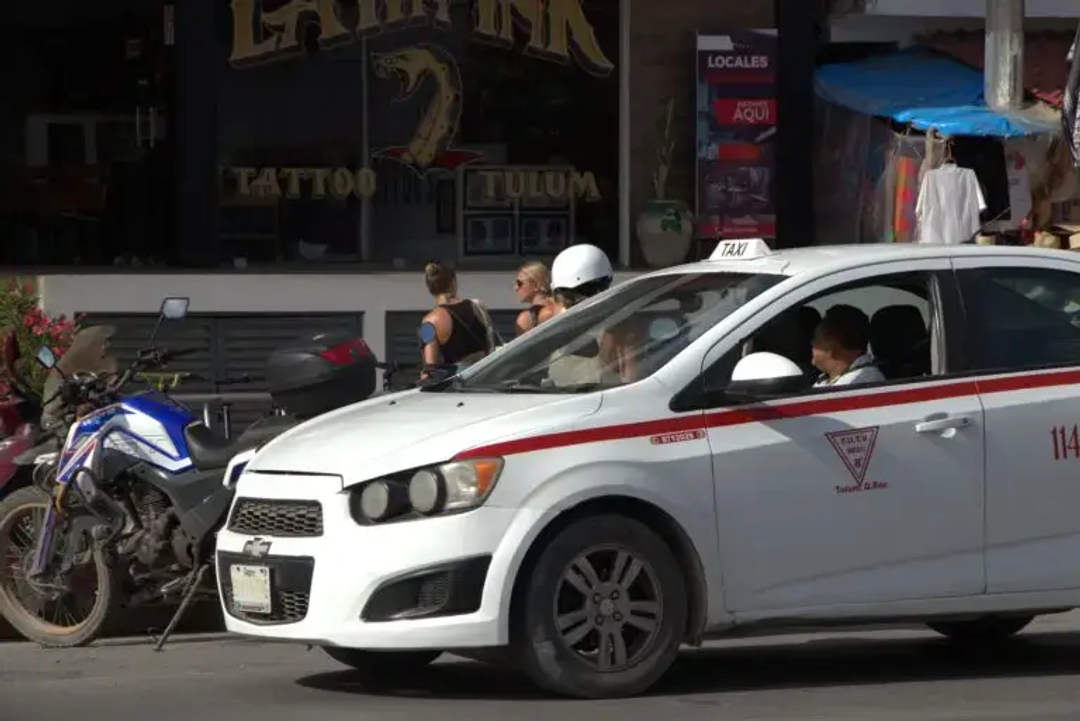
A viral video from Tulum reveals taxi fares that locals say are wildly inflated, sparking debate over tourism, trust, and the hidden costs of paradise.
Tulum’s taxi union leader Eleazar Sagrero faces renewed arrest and serious charges, sparking protests and political tension in Quintana Roo’s most watched legal battle.
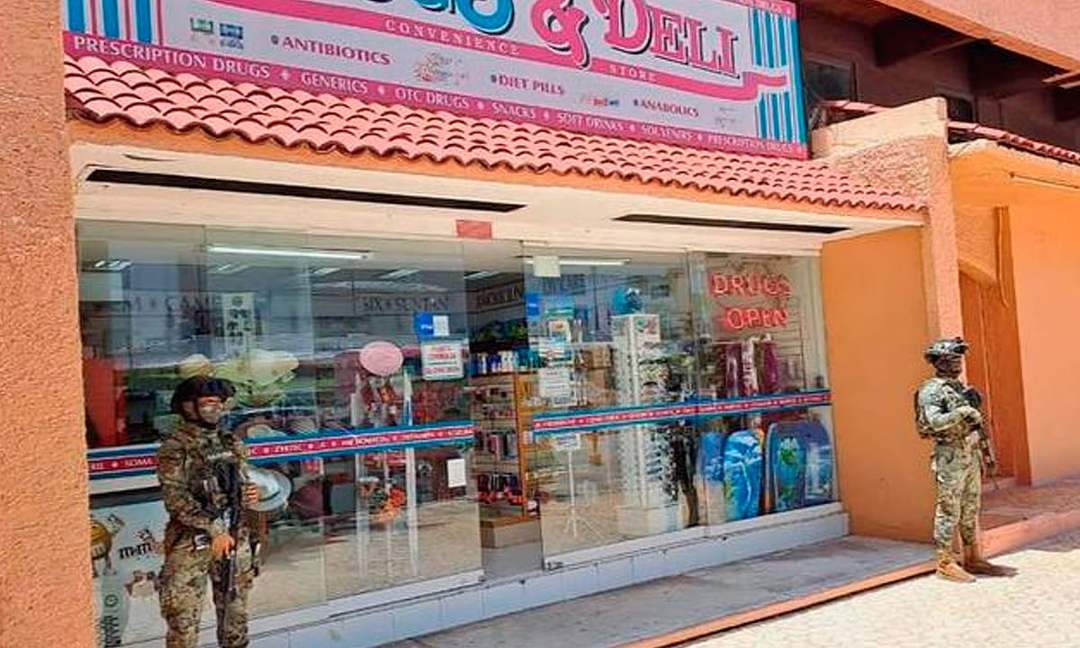
Mexico is facing a growing counterfeit medicine crisis as authorities uncover a vast network of fake pharmacies targeting locals and tourists with dangerous and life-threatening drugs.
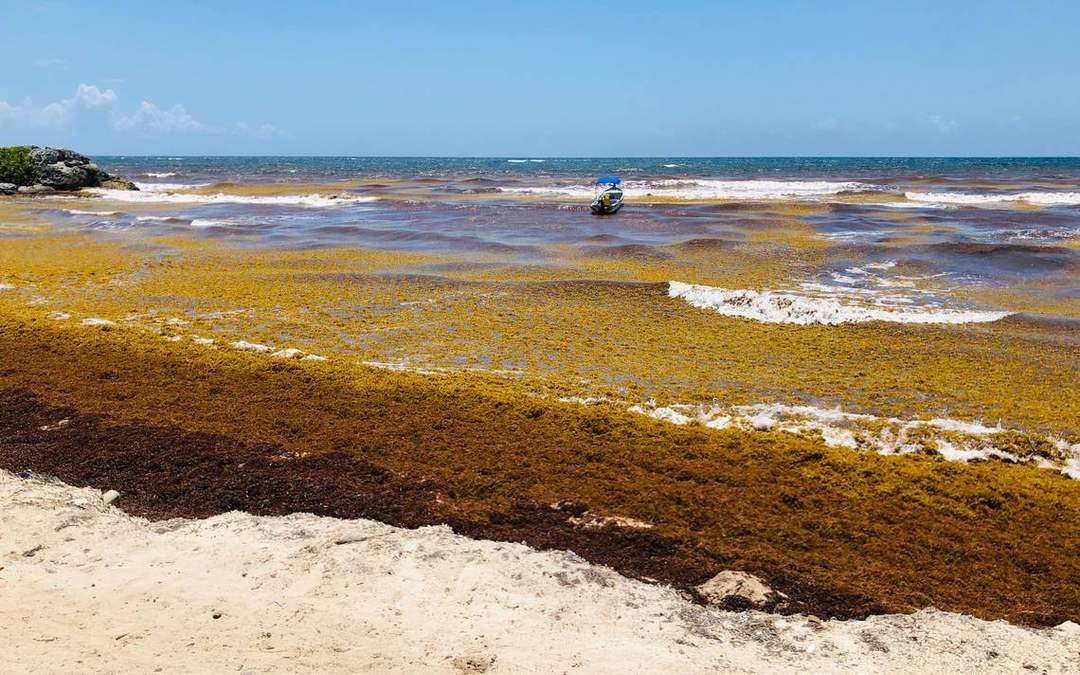
Sargassum in Tulum has reached record levels, forcing locals to step in as the Navy withdraws. A new cleanup program signals a shift in how this crisis is being fought.
Tulum’s rising archery club is leading the way for adaptive sports in Mexico, offering discipline, hope, and opportunity to a new generation of athletes aiming for more.
Tulum is bleeding in silence as tourism fades, prices rise, and locals vanish—revealing a paradise that now feels like abandonment more than escape.
Daily crews battle sargassum in Tulum, removing tons of seaweed to protect tourism and beaches during the high season.
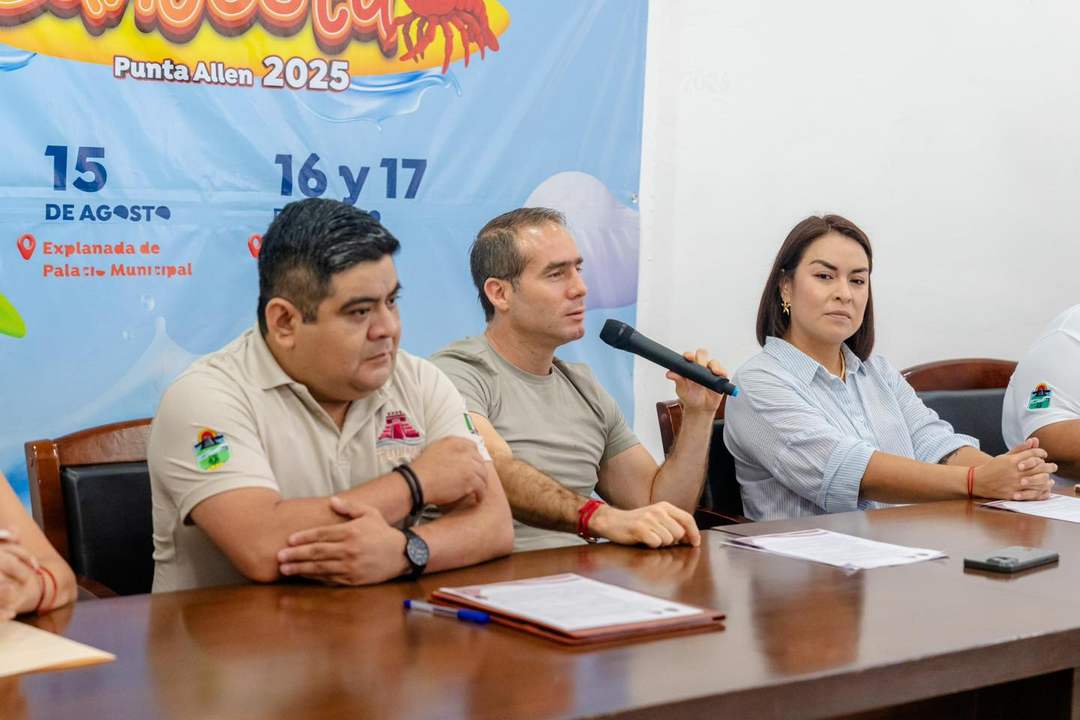
The Tulum Festival 2025 celebrates local culture, food, and identity through the beloved Lobster Festival Tulum, offering a rich mix of tradition, sustainability, and coastal flavor.