

Un grupo inmobiliario mexicano está introduciendo operaciones hoteleras institucionales en el mercado residencial de Tulum, asociándose con una de las mayores empresas hoteleras privadas de Asia para gestionar sus proyectos como activos generadores de ingresos en lugar de inventario especulativo.
Grupo Origen, fundado mediante una alianza estratégica entre el estudio de arquitectura EIDOS Arquitectura y la empresa de estructuración inmobiliaria RISE Patrimonio en Ascenso, ha construido su cartera en torno a un modelo que otorga la misma importancia al rendimiento posterior a la venta que al diseño y la ubicación. El grupo está liderado por Marco Ramírez Torreblanca, Eric Solís Palma y Óscar Cánovas Román.
Un operador detrás de la inversión
La estrategia de Grupo Origen se centra en una alianza formal con Archipelago International, un grupo hotelero con operaciones en el sudeste asiático y una sólida trayectoria en la gestión de activos hoteleros. Gracias a este acuerdo, los proyectos del grupo, incluidos sus desarrollos ICHT y BAO, operan bajo estándares de gestión de alquileres hoteleros que incluyen sistemas de gestión de ingresos y protocolos de optimización de la ocupación, propios de las grandes cadenas hoteleras.
Esta distinción es crucial en el mercado actual de Tulum. Si bien el destino ha atraído importantes inversiones en desarrollo residencial en los últimos años, la brecha entre el rendimiento de las ventas y la rentabilidad a largo plazo de los activos se ha convertido en un punto de presión evidente para los inversionistas. Las propiedades comercializadas con proyecciones de ingresos por alquiler no siempre han generado rentabilidades consistentes, en parte debido a que muchos proyectos carecen de infraestructura operativa profesional una vez finalizada la construcción.
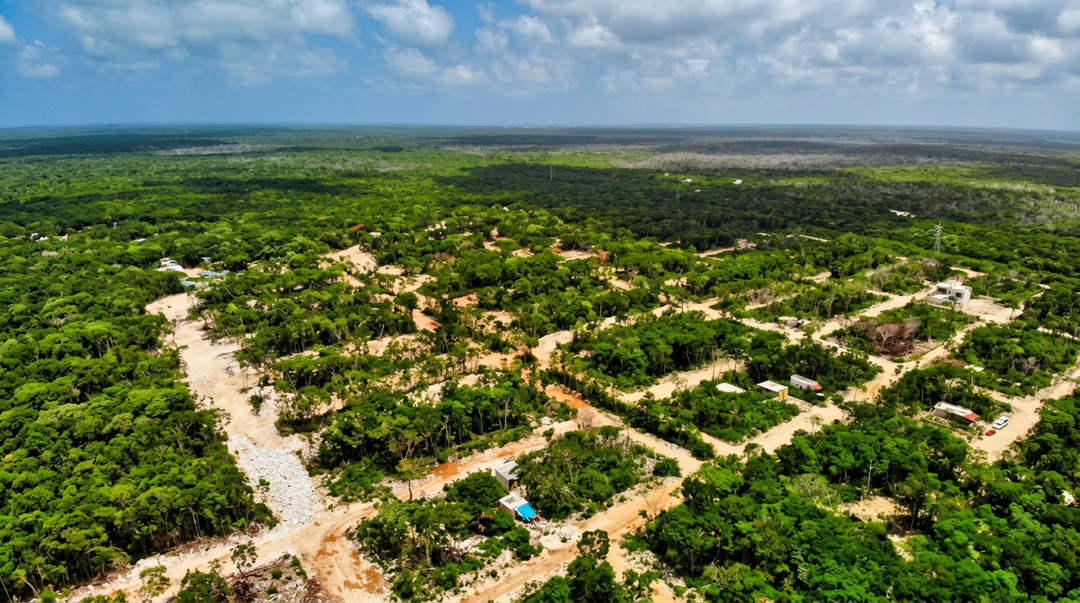
El modelo de Grupo Origen está estructurado para abordar directamente esa brecha. Al integrar Archipelago International en el proceso de desarrollo, en lugar de depender de plataformas de alquiler de terceros a posteriori, el grupo posiciona sus proyectos como unidades dentro de un sistema de gestión hotelera desde el principio.
La arquitectura y las finanzas detrás de Grupo Origen
Las dos empresas fundadoras del grupo se reparten las responsabilidades de forma complementaria. EIDOS Arquitectura se encarga de la conceptualización, el diseño y la ejecución de la construcción. RISE Patrimonio en Ascenso se centra en la estructuración financiera y la gestión integral del proyecto. Esta combinación está diseñada para controlar todo el ciclo de desarrollo, desde el concepto del terreno hasta el activo operativo.
En la práctica, esto significa que los proyectos se evalúan no solo por la calidad de su diseño o su tasa de venta, sino también por su capacidad para mantener el valor y generar rentabilidad tras su entrega. Este marco de referencia influye en las decisiones sobre la configuración de las unidades, el diseño de las zonas comunes y los sistemas integrados en cada propiedad antes de la llegada del primer huésped o residente.
La inversión inmobiliaria en Tulum se encuentra en un punto de inflexión.
El mercado inmobiliario de Tulum ha crecido rápidamente desde principios de la década de 2020, impulsado por la migración al teletrabajo, los cambios en el estilo de vida tras la pandemia y el dinamismo urbanístico generalizado generado por el Tren Maya y el Aeropuerto Internacional Felipe Carrillo de Puerto. Este crecimiento atrajo a promotores inmobiliarios de diversa índole y con distintas intenciones, y el mercado ha dedicado los últimos dos años a analizar las consecuencias.

La ocupación de los alquileres vacacionales en la zona ha disminuido debido a que la oferta superó la demanda. Varios proyectos importantes han sufrido retrasos o fallos operativos que han mermado la confianza de los inversores. Esta situación ha impulsado a los compradores serios a buscar proyectos que demuestren una infraestructura operativa sólida, y no solo materiales de venta atractivos.
La propuesta de Grupo Origen está adaptada a ese cambio. La alianza Archipelago International ofrece un operador acreditado con una base de referencia internacional, lo que proporciona a los inversores una base más verificable para proyectar rentabilidades que la que ofrece una simple estimación de ingresos elaborada por el promotor.
Una visión más amplia del destino
La filosofía declarada del grupo va más allá del desempeño de proyectos individuales. Grupo Origen describe su trabajo como orientado al desarrollo que equilibra el crecimiento, la habitabilidad y la responsabilidad ambiental, un lenguaje que refleja la tensión que ha enfrentado Tulum a medida que la rápida construcción ha ejercido presión sobre su entorno natural, incluyendo su red de cenotes, los manglares costeros y la zona de amortiguamiento más amplia de Sian Ka'an.
En los materiales públicos del grupo no se detalla cómo se traduce ese compromiso en prácticas ambientales específicas para cada proyecto. El marco regulatorio de Tulum para el cumplimiento ambiental en el desarrollo residencial se ha aplicado de manera inconsistente, y los compromisos generales con la sostenibilidad tienen menos peso en el mercado que las certificaciones específicas o los estándares medibles.
Lo que sí es concreto es el modelo operativo. La participación de Archipelago International le otorga a Grupo Origen una ventaja competitiva que la mayoría de los promotores inmobiliarios de Tulum no pueden igualar, y las condiciones del mercado sugieren que la demanda de este tipo de activos estructurados seguirá creciendo a medida que el destino madure.
Si la rentabilidad se corresponde con la promesa del modelo es una cuestión que la comunidad inversora de Tulum seguirá de cerca durante los próximos años.
¿Es la gestión profesional de nivel hotelero el futuro de la inversión inmobiliaria residencial en Tulum? Únete a la conversación y comparte tu opinión con nosotros en Instagram y Facebook en @thetulumtimes .

The Tulum Times · Newsletter
La nota sigue en tu correo.
Lo esencial de Tulum y contexto local, un par de veces por semana. Gratis.
Sin spam. Cancelá cuando quieras.
Tulum Real Estate, Development, and Investment Context
Reporting and analysis on property, permits, development risk, legality, market trends, and investor context in Tulum.

“The best journalists reporting from paradise, highlighting the heroes that keep Tulum the most beautiful place in the world! THANK YOU!”