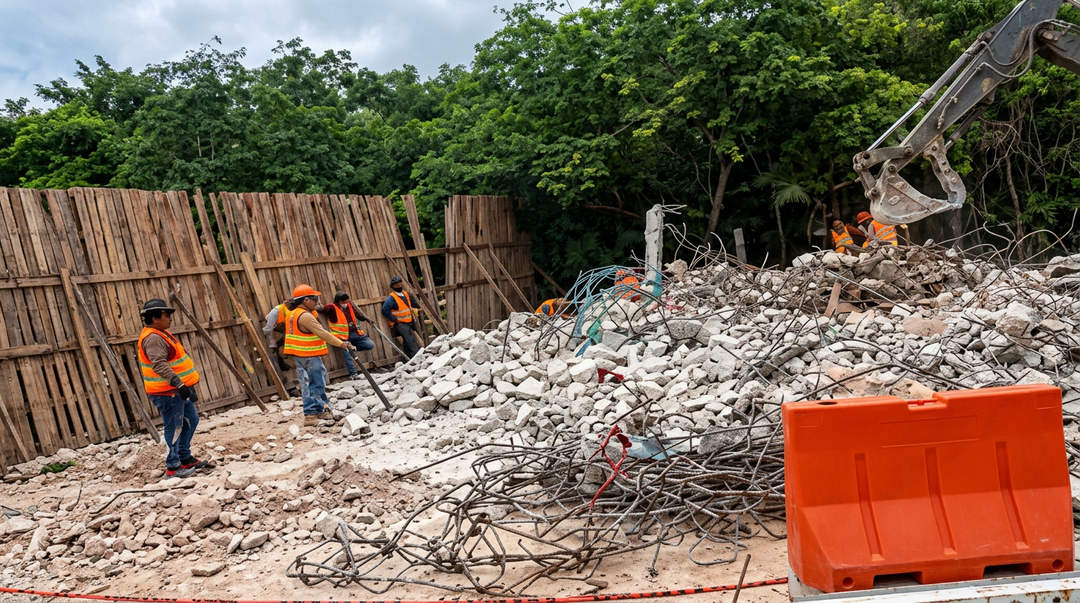

A veteran Tulum businessman is publicly alleging that the wave of closures sweeping the destination's hotel zone is not a random consequence of economic conditions but the result of a deliberate strategy by large real estate developers to drive down property values and acquire coastal land at reduced prices.
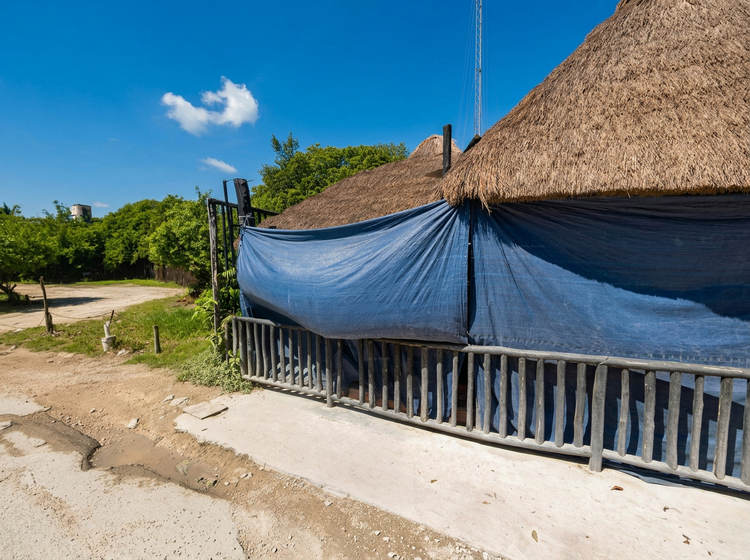
Víctor Chávez de la Torre, who has lived and worked in Tulum for more than 40 years, made the claim in a recent statement that is drawing attention as the destination continues to absorb one of the worst tourism contractions it has seen in a decade. At least 30 establishments in the hotel zone had closed at the time of a recent survey of the area, with some properties showing abandoned furniture still inside. The accusation raises questions that neither regulators nor municipal officials have answered publicly.
The allegation: manufactured crisis
"They are creating chaos to buy cheap," Chávez de la Torre said. "Many businesses are going under because there are no clients, but the large investors are happy because they are acquiring properties at reduced prices."
He described the actors behind this alleged strategy as "real estate cartels" — his term — pursuing large-scale development projects modeled on Cancún or Miami. The claim is unverified and comes from a single source. No government body or independent investigation has confirmed that a coordinated effort to suppress the local economy exists. But the allegation lands at a moment when Tulum's economic deterioration is visible and documented.

According to data from Quintana Roo's tourism bureau, hotel occupancy in Tulum's coastal zone fell to around 30 percent during the summer of 2025, with rates in the town center dropping as low as 15 percent. The destination's archaeological site went from nearly 75,000 visitors in September 2024 to just 18,000 during the same month in 2025, according to Mexico's Tourism Secretariat. Airlines including United, JetBlue, and Air Canada suspended or reduced service to Felipe Carrillo Puerto International Airport, citing weak demand.
Tulum's crisis in context
The destination's decline is widely attributed to a convergence of problems: record sargassum accumulation on beaches, sharp price increases across hotels and services, restricted beach access under the Parque Nacional del Jaguar fee structure, infrastructure deficits, and a security environment that has deterred visitors. Average room rates reached $450 per night in 2025, a 25 percent jump from 2023, while beach clubs introduced minimum consumption requirements of $80 to $200 per person.
Chávez de la Torre argued that some of the damage is self-inflicted by the service sector itself. He pointed specifically to what he described as excessive fares charged by taxi drivers, particularly from the Felipe Carrillo Puerto international airport, and to overpricing in some establishments. "We are chasing people away ourselves," he said.
That frustration echoes what other residents and business owners have said publicly. A local resident cited in a recent regional report put it bluntly: overcharging by police officers, waiters, taxi drivers, and other service workers has contributed to the exodus of visitors. The mayor of Tulum acknowledged the crisis last year and announced a set of measures including free access to the municipality's 25 public beach access points and a voluntary agreement with hotel and transportation associations to lower rates. Those measures were widely described as arriving too late for businesses that had already closed.
Who is Chávez de la Torre
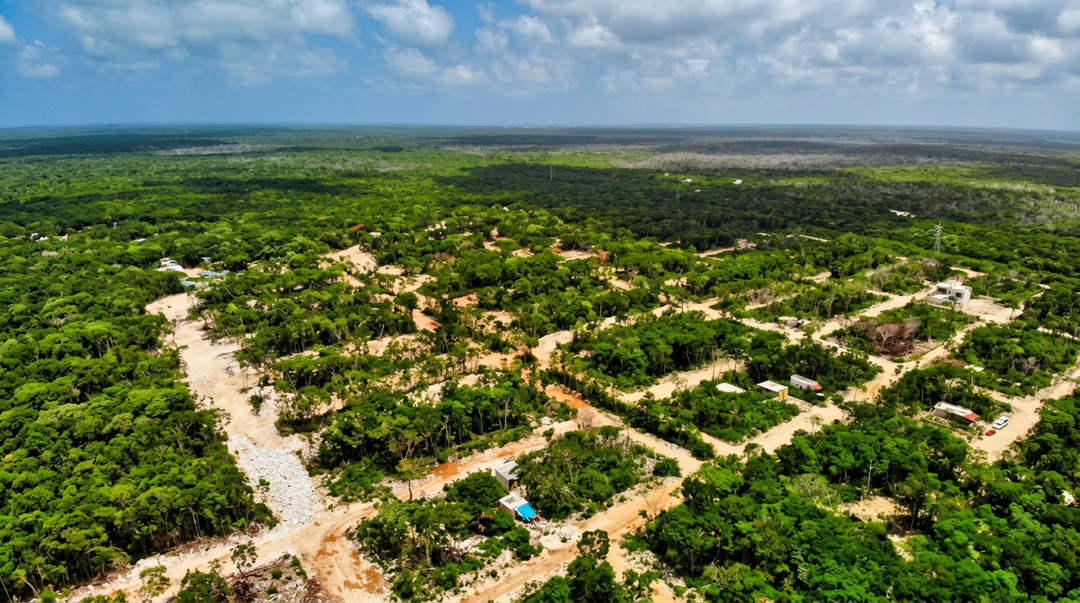
Chávez de la Torre is not a neutral observer. He has been one of the most vocal local voices against large-scale real estate speculation in Tulum for years, and his own history with the destination's land disputes is extensive. In 2020, he was forcibly removed from a property he had held for decades in the hotel zone's coastal stretch near kilometer 8.5 of the Tulum-Punta Allen highway. He subsequently filed formal complaints with the Quintana Roo Human Rights Commission and has pursued legal action over the land through the agrarian court system.
That personal history gives his accusations particular weight with some observers and makes others cautious about treating his characterization as a broader structural analysis. His view of who benefits from Tulum's economic deterioration is shaped by a specific experience of land dispossession in a zone that has become one of the most contested real estate corridors in the Mexican Caribbean.

The real estate dimension
Whatever Chávez de la Torre's motivations, the underlying dynamic he describes is not without precedent in the region. Tulum's coastline has attracted significant speculative investment for years, and the combination of economic distress, distressed sellers, and well-capitalized buyers is a pattern that has played out in other overheated tourism markets. Whether that pattern reflects an organized strategy or simply the ordinary mechanics of a down market is a question the available evidence does not resolve.
What is documented is that closures in the hotel zone have accelerated during a period of severe occupancy decline, and that the properties going vacant sit on some of the most sought-after coastal land in Quintana Roo. The pressure on small and mid-size operators is real. The beneficiaries of that pressure, if any coordinated actors exist, remain unnamed and unidentified in the public record.
The service problem no one is solving
Chávez de la Torre's comments about overpricing and excessive taxi fares point to a separate but related problem that has received attention from multiple directions. The cost to travel within Tulum by taxi from the airport has been cited repeatedly as a deterrent for visitors, and overcharging complaints have surfaced in traveler reviews and local reporting for years.
A visitor who arrives at Felipe Carrillo Puerto airport and encounters a $40 taxi fare to a hotel zone property, followed by a beach club minimum spend and inflated restaurant prices, is a visitor who may not return. Chávez de la Torre's point is that Tulum's image problem is partly a conduct problem, and that the businesses bearing the cost of declining arrivals include many that had nothing to do with the pricing practices driving visitors away.
The destination's recovery, if it comes, will depend on whether those conduct issues are addressed alongside the larger structural and economic questions. As of now, neither the municipal government nor any industry body has produced a credible enforcement mechanism for pricing practices in the taxi and services sector.
The hotel zone closures documented on the ground, with their abandoned furniture and shuttered facades, represent real losses for real owners. Whether those losses are the result of an organized strategy, a collective failure of pricing discipline, broader market forces, or some combination of all three remains an open question. Chávez de la Torre has offered one answer. The evidence does not yet confirm it.
Do you think Tulum's crisis is the result of bad practices, market forces, or something more deliberate? Join the conversation and share your perspective with us on Instagram and Facebook at @thetulumtimes.
This image was generated or enhanced using artificial intelligence to improve its quality.

The Tulum Times · Newsletter
The story continues in your inbox.
Essential Tulum news and local insight, a few times a week. Free.
No spam. Unsubscribe anytime.
Transportation in Tulum: Taxi, Bus, Transfers, and Mobility
Taxi fares, buses, transfers, road changes, mobility updates, and practical transport guidance for Tulum.

“The best journalists reporting from paradise, highlighting the heroes that keep Tulum the most beautiful place in the world! THANK YOU!”