Tulum has become one of the Caribbean's most talked-about destinations, and a practical Tulum travel guide now matters more than ever as a new airport, the Maya Train, and record sargassum reshape every visitor's trip.
For years, reaching Tulum meant a long transfer from Cancun and a beach club booked on instinct. That playbook is outdated. The town now has its own international airport, a passenger rail line connecting it to the rest of the peninsula, and a coastline whose conditions swing sharply by season. Knowing how these pieces fit together is the difference between a smooth trip and an expensive surprise.
Getting to Tulum and what changed at the airport
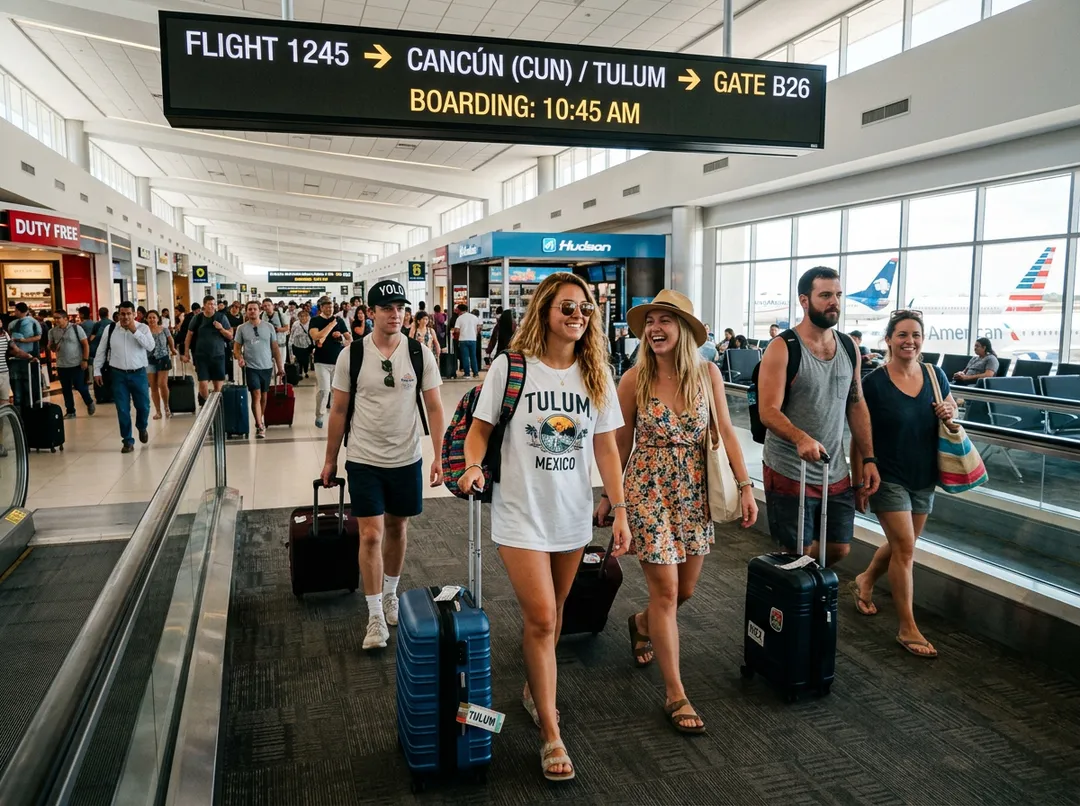
Felipe Carrillo Puerto International Airport, code TQO, opened in December 2023 about 30 minutes from the town center. It put Tulum within direct reach of several North American cities and removed the default four-hour round trip to and from Cancun.
The early picture is more uneven than the launch suggested. Through 2026, several carriers have trimmed or dropped routes, with reporting pointing to roughly a 27 to 30 percent capacity reduction compared with late 2024. Some services have shifted to seasonal-only schedules built around the November to April high season, and a few routes have been canceled outright as airlines weigh demand against nearby Cancun.
The practical takeaway is simple. Direct flights into TQO exist and can save hours, but availability is thinner and more seasonal than the airport's profile implies. Compare fares and schedules against flying into Cancun before committing, especially outside the winter months.
The Maya Train as a real option
The Maya Train began service on December 15, 2023, and now links Tulum to the broader Yucatan Peninsula. Tulum sits on the network with two stops, Tulum Pueblo in the town and a station serving the airport, which makes rail a genuine alternative to a rental car or private driver for regional trips.
Fares are modest by tourist standards. On the Cancun to Tulum stretch, tourist class has run around 245 pesos at the general rate, with lower prices for residents of the five states along the line and for students, teachers and seniors. Pricing is dynamic, so booking ahead through the official portal tends to cost less than buying at the window. Promotional discounts have appeared and expired throughout 2026, which is why checking current rates before you travel is worth the minute it takes.
When to visit and the sargassum question
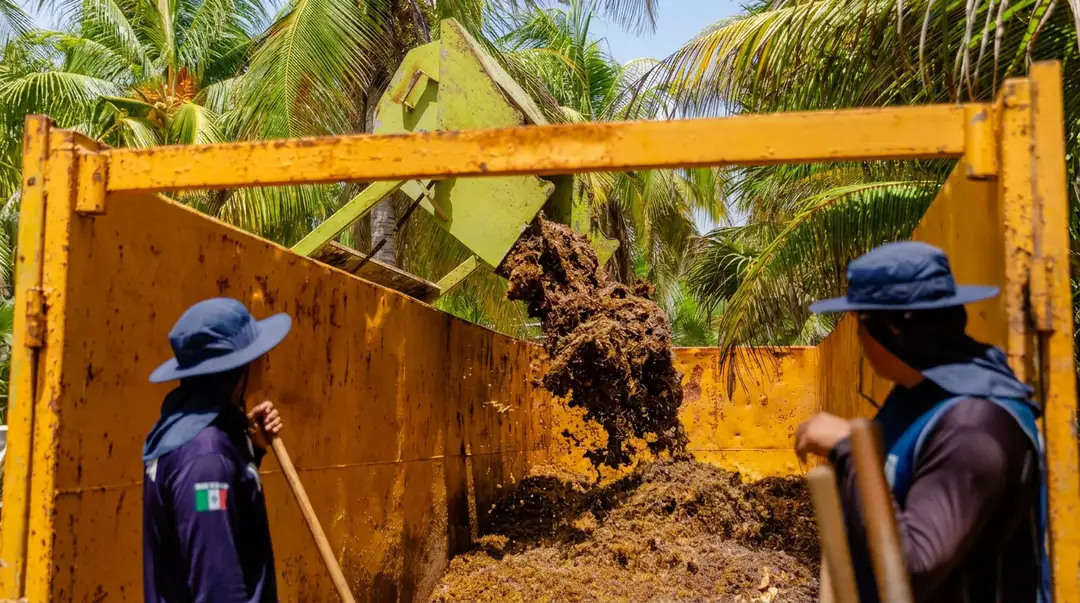
Timing is the single most important decision in any Tulum travel guide, and the reason is sargassum. The brown seaweed drifts in from the Atlantic and piles onto open beaches, and Tulum's exposed coastline catches more of it than most of the Riviera Maya.

The season generally runs from April through October and peaks between June and August. The University of South Florida's monitoring has flagged 2026 as a potential record year, with unusually early arrivals reported as far back as the winter and spring. None of this makes Tulum off-limits in summer, but it does mean managing expectations.
The clearest water tends to fall between November and February. If postcard beach days are the priority, aim for that window. If you travel in the high-sargassum months, favor hotels that rake their beaches daily, build the itinerary around cenotes and ruins rather than the shoreline, and treat any single forecast as a snapshot, since conditions vary beach by beach and day by day.
The ruins and Parque del Jaguar
The clifftop Maya ruins remain Tulum's signature sight, and access now runs through Parque del Jaguar, the protected area that surrounds the archaeological zone. Entry combines the federal INAH site ticket with conservation and park-management fees, and for foreign adults the combined cost has landed in the range of roughly 500 pesos, close to 28 US dollars.
Because the fee structure has been layered and adjusted since the park opened, confirm the current rates and what each charge covers before you go. Arriving early in the day helps on two fronts, lighter crowds and gentler heat at an exposed coastal site with little shade.
Cenotes, water and traveling responsibly
The cenotes, freshwater sinkholes carved into the limestone, are among the region's most distinctive draws. They are also under pressure. Local authorities have issued warnings about high bacteria levels at several popular cenotes near Tulum, with reports citing elevated readings, including E. coli, at sites such as Calavera and Cristal.
This is a reason for care, not avoidance. Choose well-managed cenotes, ask operators about recent water testing, rinse off beforehand, and skip sunscreen and repellent that are not reef and cenote-safe, since those chemicals damage a fragile and slow-recovering ecosystem. The same restraint applies across Tulum, where rapid growth has strained water and waste systems faster than infrastructure has kept pace.
Building your own Tulum travel guide
The throughline is that Tulum rewards planning more than it used to. Decide first whether you are chasing clear beaches or simply the place itself, because that answer drives your travel month. Then sort logistics, weighing a direct flight into TQO against Cancun plus the Maya Train. Finally, line up the experiences that hold up regardless of the sea, the ruins, the cenotes worth visiting, and the cooking and culture that made Tulum more than a beach in the first place.
Conditions here keep moving, from flight schedules to seaweed forecasts to entry fees. The smartest approach is to lock in the decisions that rarely change and verify the ones that do in the weeks before you leave.
Are you planning a Tulum trip around the high season or willing to risk the summer sargassum? Join the conversation and share your perspective with us on Instagram and Facebook at @thetulumtimes.
This image was generated or enhanced using artificial intelligence to improve its quality.

The Tulum Times · Newsletter
The story continues in your inbox.
Essential Tulum news and local insight, a few times a week. Free.
No spam. Unsubscribe anytime.
Tulum Cenotes, Ruins, and Practical Visitor Guides
Guides, access updates, regulations, and practical planning around cenotes and the Tulum archaeological zone.

“The best journalists reporting from paradise, highlighting the heroes that keep Tulum the most beautiful place in the world! THANK YOU!”