Tulum is entering a defining period of strategic recalibration in the first quarter of 2026, as stakeholders across the destination collaborate to refine the tourism model that has made this coastal enclave a global symbol of the Mexican Caribbean.
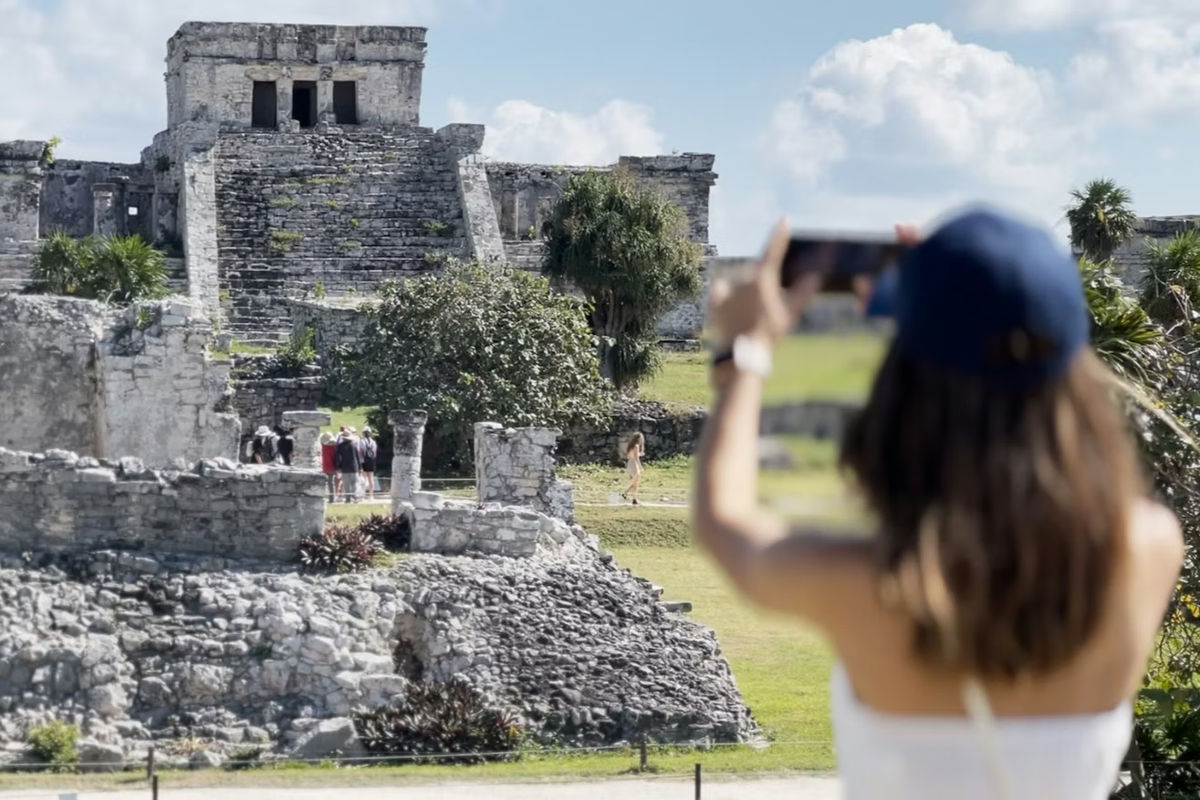
Data from the National Institute of Anthropology and History (INAH) indicates that the archaeological site received 257,978 visitors during the first three months of the year. While this represents a 33.1 percent decrease compared to the same period in 2025, when the site saw 385,879 registrations, local leaders view these figures as a vital dataset that is already guiding a series of pro-active destination management adjustments. The current phase is described by industry observers not as a permanent retreat, but as a necessary transition toward a more sustainable and organized tourism ecosystem.
Addressing the Operational Shift
The transition follows a complex 2025, which served as a proving ground for new administrative structures in the region. Tulum continues to hold its position as one of the most significant cultural destinations in the Americas, and the current focus is on optimizing the visitor experience to match its reputation for exclusivity and historical depth.
The primary driver of the current recalibration is the ongoing fine-tuning of the Parque del Jaguar, a monumental federal infrastructure project designed to protect the region's biodiversity while providing a more structured environment for tourism. The integration of this project has included a shared management role with the federal government through GAFSACOMM and the Mexican Army (SEDENA), primarily to ensure security and administrative stability during a period of rapid regional growth.
Refining the Visitor Experience
Local authorities and federal agencies are currently working to streamline the logistics of visiting the archaeological site and the surrounding national park. The initial implementation of layered fees in 2025 has provided valuable feedback that is now being used to consolidate access costs and improve transparency for international and domestic travelers.
The goal, according to stakeholders, is to ensure that the "Parque del Jaguar" represents a value-added experience. By consolidating access to the ruins with high-quality park facilities and improved environmental protections, the destination is aiming to offer a more inclusive benefit that justifies the premium nature of the Tulum brand. The presence of administrative personnel at key access points is being framed as an essential component of the city’s broader commitment to safety and orderly development.
The Role of Private Sector Leadership
A central figure in this recovery strategy is the organized hotel sector, led by David Ortiz Mena, president of the Tulum Hotel Association. Ortiz Mena has consistently advocated for a collaborative approach that balances the destination's high-end positioning with a focus on long-term image management.
Following the operational insights gained in 2025, the hotel industry is launching renewed efforts to strengthen promotion and address the perception of costs in the region. The sector's leaders are calling for a unified front to emphasize that Tulum remains a accessible, secure, and uniquely beautiful destination that offers value across its diverse lodging and dining landscape. These promotional efforts by the Quintana Roo Tourism Promotion Council (CPTQ) are increasingly focused on the destination's resilience and its ability to adapt to a changing global market.
Strengthening Social and Economic Ties
Stakeholders are also addressing the social dynamics of destination management. The dialogue between community leaders, tourism operators, and federal authorities has intensified, with a focus on refining the "access for all" policies that were established last year.
The refinement of these policies aims to ensure that Tulum remains a welcoming environment for the domestic market, which is essential for the region's economic diversity. By clarifying rules regarding beach access and food and beverage policies, the community is working to eliminate friction and foster a sense of shared belonging for both visitors and residents. This collaborative spirit is seen as the cornerstone of the destination's strategy to maintain its competitiveness in the Caribbean market.
A Vision for Sustainable Growth
As 2026 progresses, the focus in Tulum is firmly on the future. The infrastructure investments represented by the Maya Train and the new Tulum International Airport are entering their most productive phase, providing the destination with unprecedented connectivity.
The current statistical adjustment is being treated as a mandate for excellence. For authorities and the private sector alike, the mission is to ensure that Tulum’s infrastructure, service quality, and pricing are perfectly aligned to support a new era of growth. The destination is no longer relying solely on its natural beauty; it is building a sophisticated administrative and promotional framework that can sustain its status as a premier global hub for years to come.
Tulum remains a destination of unparalleled historical and aesthetic power. By proactively addressing the challenges of 2026, the community is ensuring that its next chapter will be defined by stability, quality, and a renewed promise to every traveler who reaches its iconic shores.
How can Tulum best balance its high-end positioning with the need for accessibility to ensure a vibrant tourism future? Join the conversation and share your perspective with us on Instagram and Facebook at [@thetulumtimes](https://www.instagram.com/thetulumtimes).
Support The Tulum Times
Independent journalism takes time and resources. If you found this article valuable, consider supporting our work!
Buy us a taco 🌮“The best journalists reporting from paradise, highlighting the heroes that keep Tulum the most beautiful place in the world! THANK YOU!”
Read Next