

The environmental collective SélvameMX has reignited the national conversation regarding the fragile ecosystems of the Riviera Maya by releasing a detailed video report documenting what they describe as the illegal construction of a bypass in Tulum. This work, according to the group and visible evidence, is proceeding despite multiple closure orders from federal authorities and represents a critical threat to the Sac Actun system, the second largest underground river network on the planet.
For weeks, local activists and environmental experts have monitored the area known as the Tulum Bypass, a project initially presented as a solution to the city's growing traffic congestion. However, the latest findings suggest a more complex and potentially more damaging reality. The collective argues that the road is not merely a public infrastructure project but a pathway designed to facilitate high density real estate speculation in protected or ecologically sensitive areas.
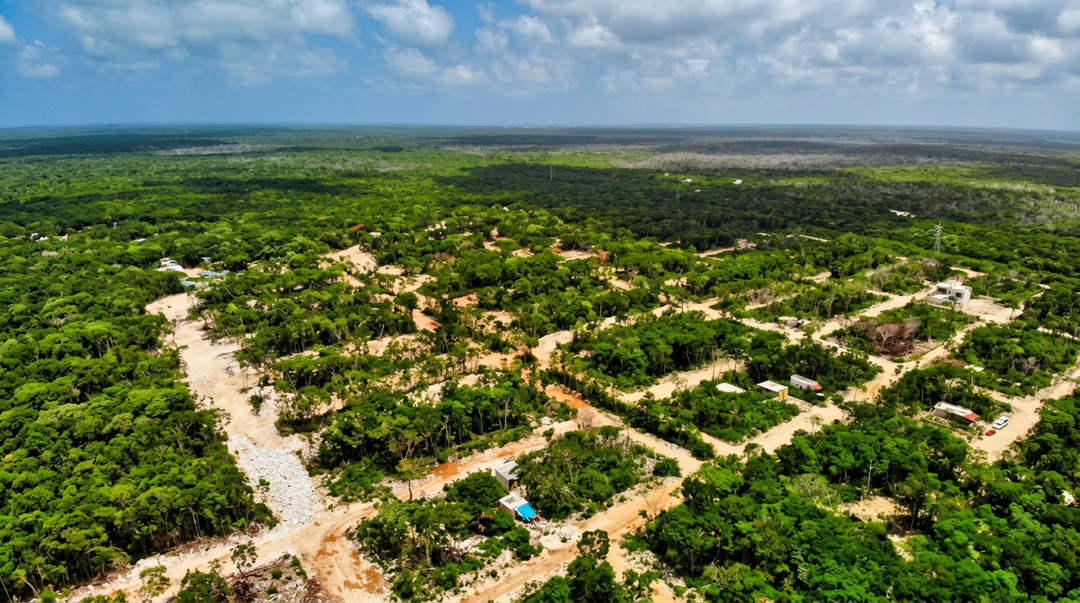
This latest denunciation coincides with a period of heightened scrutiny over federal infrastructure projects in Quintana Roo, yet it focuses explicitly on a local development that has managed to operate under the radar of public discourse until now. The images shared by SélvameMX show heavy machinery moving earth and limestone directly above the subterranean voids that characterize the region's unique karst topography.
The Significance of Sac Actun
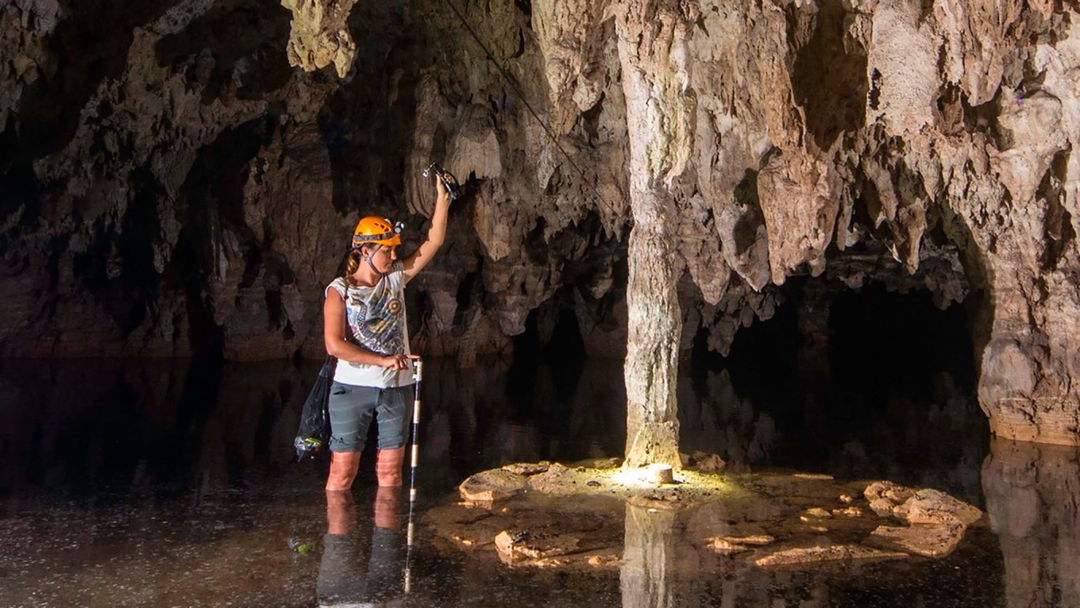
To understand the weight of this denunciation, one must understand the geological importance of the Sac Actun system. Extending for over 350 kilometers, this labyrinth of flooded caves and tunnels serves as the primary freshwater aquifer for the entire region. It is not only a geological marvel but a vital resource that sustains the local jungle and provides the water necessary for human life and tourism in Tulum.
The construction of heavy infrastructure directly above these aquatic arteries is a high risk endeavor. The karst soil of the Yucatan Peninsula is essentially a honeycomb of limestone, extremely porous and prone to collapse under the weight of heavy vehicles. Environmental engineers have long warned that vibration and weight from machinery can cause the ceilings of these caves to cave in, permanently damaging the aquifer and potentially contaminating the region's only source of fresh water.
When machinery operates in these zones, the risk is twofold. First, there is the physical destruction of the cave structures themselves, which often house archaeological remains and prehistoric fossils. Second, the disruption of the surface soil allows for the infiltration of pollutants, oils, and construction waste directly into the underground river system, which flows ultimately into the Mesoamerican Barrier Reef.
Federal Closures and Defiance
One of the most striking aspects of the SélvameMX report is the presence of official closure seals from the Federal Attorney for Environmental Protection, known in Mexico as PROFEPA. These large, neon colored notices are explicitly intended to halt all activity in a given area due to environmental violations or the lack of proper impact assessments.
In the video, members of the collective stand beside these official seals while heavy machinery is clearly audible and visible in the background. This open defiance of federal regulations raises serious questions about the rule of law in Tulum and the ability of environmental agencies to enforce their own mandates. If a project has been officially closed, yet work continues unabated, it suggests a level of institutional failure or local complicity that puts the entire region's natural heritage at risk.

Activists in the video point out that the machinery enters and exits the site daily, seemingly indifferent to the legal status of the work. This pattern of irregular construction has become a point of contention for both locals and international observers who see a discrepancy between the government's rhetoric of sustainable tourism and the reality of field operations.
The Real Estate Speculation Angle
Beyond the immediate environmental damage, the SélvameMX collective is sounding the alarm on the underlying motives for this road. While it was marketed as a bypass to alleviate traffic on the main avenue of Tulum, the location and design of the path suggest it may be serving a different purpose.
Speculation is rife that this road is being built primarily to provide access to hundreds of hectares of land that were previously inaccessible. By creating a high speed route through the jungle, developers can significantly increase the value of adjacent land, turning protected jungle into lucrative real estate opportunities. This process, often referred to as urban sprawl or unplanned development, is one of the primary drivers of environmental degradation in the Caribbean.
The collective's members argue that this is not about improving the lives of Tulum's residents, but about enriching a small group of investors at the cost of the area's natural assets. The irony is not lost on the observers, as they point out that the very nature and beauty that drive tourism to Tulum are being systematically destroyed to build more rooms for the tourists that come to see it.
High Density Risks in a Fragile Zone
If the speculation claims are true, the subsequent development of these lands would place even more pressure on the Sac Actun system. High density residential or hotel projects require significant sewage management, water extraction, and waste disposal. In a karst environment, even the best treatment plants can struggle to prevent leachate from reaching the subterranean rivers.
Tulum is currently facing a critical juncture in its urban history. The rapid growth seen in the last decade has already strained the municipality's capacity to manage its resources. Adding a new, illegally built urban corridor above the world's most critical underground river system could be the tipping point for the area's environmental viability.
The SélvameMX video serves as a call to action for the citizens of Tulum and the international community. It is an invitation to look beyond the slick marketing of new developments and ask where the water comes from and where the waste goes. The road, as it stands now, is a physical manifestation of a development model that prioritizes short term gain over long term survival.
A Pattern of Irregularity
This is not the first time that infrastructure in Quintana Roo has faced these types of accusations. From the various sections of the Tren Maya to local bypass projects, the conflict between development and conservation is ever present. However, the specific case of the Tulum Bypass is unique because of its direct overlap with the most sensitive parts of the Sac Actun system.
Environmental groups have documented similar instances where the rush to complete projects has led to the bypassing of environmental impact studies. In the karst soils of Tulum, a bypassed study is not just a bureaucratic oversight; it is a recipe for geological and ecological disaster. The lack of transparency regarding the bypass project has only fueled the distrust among local communities who feel their voices are being ignored in favor of large scale capital.
The collective has called upon the public to share the video and demand that PROFEPA and other federal agencies take stronger action to enforce their closures. They argue that if the government can build a multi billion dollar train, it should also be able to stop a few dozen illegal tractors from destroying a world class natural wonder.
Moving Forward: The Choice for Tulum
As Tulum continues to evolve into a global hub for luxury tourism and expatriate living, the decisions made today regarding infrastructure will echo for decades. The destruction of Sac Actun would be an irreversible loss, not just for Mexico, but for global natural history.
The SélvameMX denunciation is a reminder that the jungle is not an empty space to be filled with roads and buildings, but a living system with complex underground networks that sustain everything above them. The protection of these systems requires more than just seals on a post; it requires a fundamental shift in how development is perceived and permitted.
The coming weeks will be crucial to see if the federal government responds to this public outcry or if the machinery continues its work in the shadow of the jungle. For the people of Tulum, the choice is clear between a future of planned, sustainable growth or a future of collapsed caves and contaminated water.
Is the perceived need for infrastructure worth the risk of permanent damage to our underground water systems? Join the conversation and share your perspective with us on Instagram and Facebook at @TulumTimes.

The Tulum Times · Newsletter
The story continues in your inbox.
Essential Tulum news and local insight, a few times a week. Free.
No spam. Unsubscribe anytime.
Tulum Development, Permits, and Construction Watch
Reporting on permits, construction, regulation, and major development decisions shaping Tulum’s urban growth and investment climate.

“The best journalists reporting from paradise, highlighting the heroes that keep Tulum the most beautiful place in the world! THANK YOU!”


