

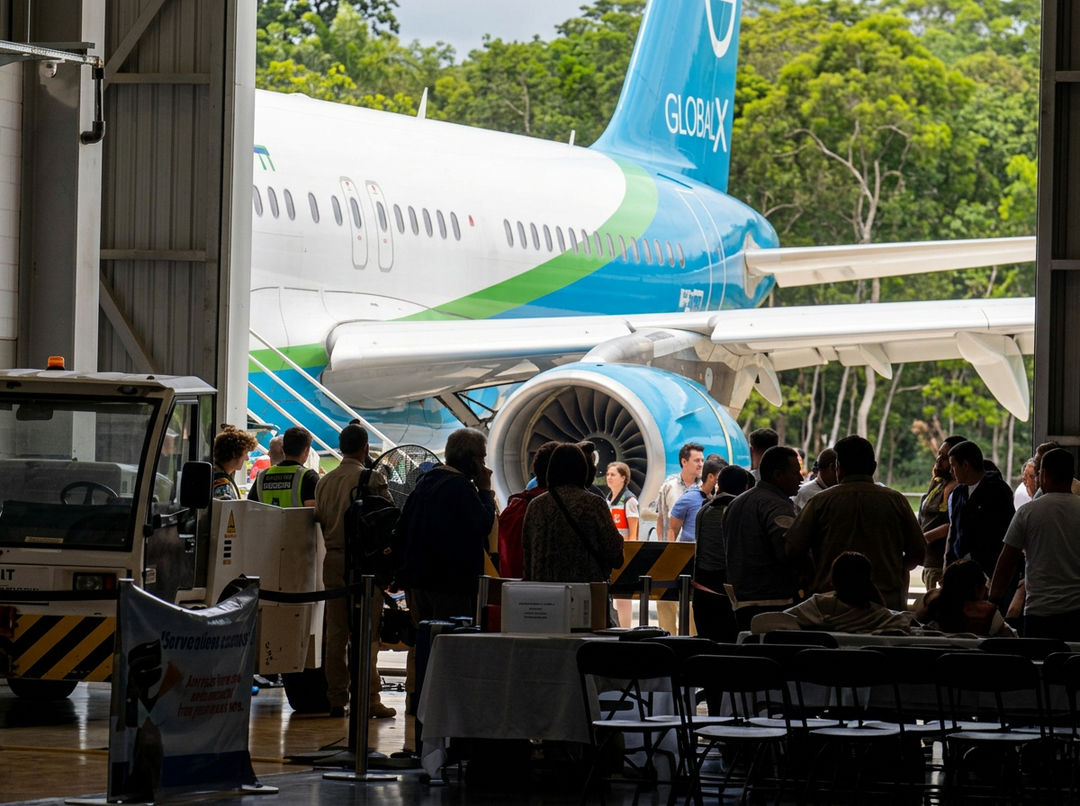
The Aeropuerto Internacional de Tulum “Felipe Carrillo Puerto” (TQO) processed its largest single-day volume of returnees on Friday, May 1, as 308 Mexican citizens were repatriated from the United States across two separate charter missions. The arrival of these flights, originating from Harlingen, Texas, and Mesa, Arizona, marks a significant operational evolution for the terminal, where Tulum Airport repatriations are increasingly being utilized as a strategic node for national migration logistics beyond its primary vocation as a luxury tourism gateway.
The dual-flight operation was managed under the federal "México te abraza" (Mexico Embraces You) framework, a multi-agency strategy designed to provide a dignified and orderly reception for nationals returning from abroad. The scale of the deployment, involving the National Institute of Migration (INM), the National Guard, and various state health and welfare agencies, underscores the growing importance of the Mexican Caribbean in the country's humanitarian and security infrastructure.
Logistical Breakdown of the Dual-Mission Arrival
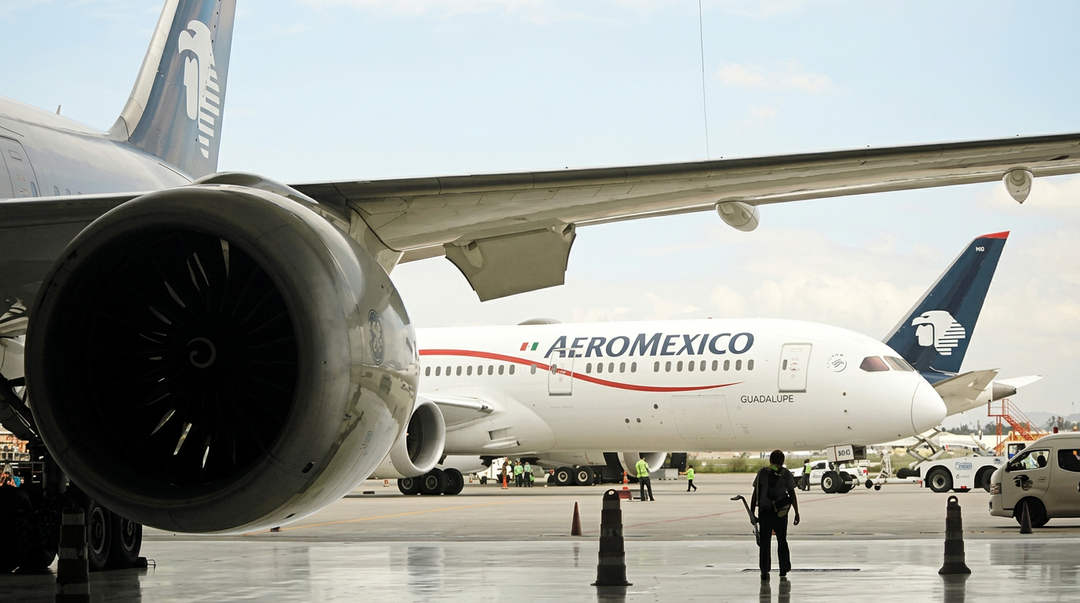
The day’s operations began at 11:25 a.m. with the landing of Mission 26-4912 from Harlingen, Texas. This first aircraft transported 155 passengers, including 143 men and 12 women. The second mission, identified as Mission 26-4913, arrived from Mesa, Arizona, at 3:00 p.m., carrying 153 individuals, comprised of 146 men and seven women.
The use of Tulum for these missions represents a deliberate strategy by the federal government to decentralize the arrival of repatriated citizens. Historically, such operations were concentrated at the northern border or at the Mexico City International Airport (AICM). However, as U.S. enforcement policies intensify and the southern border faces increasing pressure, the logistical capacity and secure environment of TQO offer a streamlined alternative for processing high-density returnee groups.
Upon arrival, the 308 citizens were funneled into a specialized processing zone within the terminal. This area was strictly segregated from the airport’s commercial international traffic to ensure that the humanitarian operation did not disrupt regular tourism schedules. The transition from the aircraft to the assistance modules was overseen by a coordinated security perimeter established by the Secretariat of the Navy (SEMAR) and the National Guard.
The "México te abraza" Protocol in Action
The "México te abraza" program, coordinated by the Secretariat of the Interior (SEGOB), aims to provide immediate relief and long-term reintegration paths for returnees. At Tulum, this manifested in a comprehensive service suite that began the moment the passengers deplaned.
Medical evaluations were the first priority. Personnel from IMSS-Bienestar and the Quintana Roo Secretariat of Health (SESA) performed individual screenings and administered vaccines to ensure the physical well-being of the group. Following the health checks, the returnees received a basic humanitarian package including food and water, addressing immediate needs after the flight.
A critical component of Friday’s operation was the participation of Financiera para el Bienestar (Finabien). Representatives provided orientation on financial services, focusing on the safe management of remesas (remittances) and access to credit for returning citizens looking to start small businesses in their home states. This economic reintegration layer is a hallmark of the 2026 iteration of the federal program, recognizing that financial stability is the most significant hurdle for those returning after years of working in the U.S.

The Secretariat of Welfare and the National System for Integral Family Development (DIF) also provided counseling and administrative support. Vulnerable groups, including the women in the contingent, were given specialized legal advice regarding their rights and the process for obtaining a "constancia de repatriación," a document essential for accessing public services and re-establishing their identity in Mexico.
Strategic Context: U.S. Enforcement and Regional Shifts
The intensification of Tulum Airport repatriations occurs against a backdrop of maximum enforcement in U.S. migration policy. Throughout the first half of 2026, the U.S. has maintained an aggressive removal campaign, characterized by frequent charter flights and the implementation of summary removal proceedings.
While border apprehensions have reached historic lows in some sectors due to deterrent policies, the volume of deportations remains high as authorities clear existing backlogs. This pressure has forced Mexico to rethink its reception logistics. By utilizing the Felipe Carrillo Puerto terminal, the Mexican government can more efficiently distribute returnees toward the center and south of the country, reducing the strain on border cities like Tijuana or Ciudad Juárez.
Furthermore, the "CBP Home" voluntary departure program in the U.S. has introduced a new dynamic to these flights. While many on the Friday flights were subject to formal removal orders, the integration of voluntary returnees into these charter networks is becoming more common. This hybrid model requires the high-level coordination demonstrated at Tulum to ensure that individuals with different legal statuses are processed appropriately and given the correct level of state assistance.
Operational Resilience and Future Outlook
Authorities reported that the dual-mission operation was completed with "saldo blanco" (no incidents), reflecting the maturity of the logistical protocols established at the airport since its inauguration in late 2023. The ability of the terminal to handle 308 individuals in a single day while maintaining its schedule of international commercial flights from carriers like American Airlines and Delta is a testament to the facility's versatility.
However, the presence of these flights also highlights a tension in the region’s development. Tulum is branding itself as a world-class luxury destination, yet its infrastructure is now a vital gear in the nation’s security and humanitarian machinery. For the federal government, this dual-use capability is a key success metric for the regional development projects associated with the Maya Train and the new airport.
Looking ahead, it is anticipated that the frequency of Tulum Airport repatriations will continue to rise. As the U.S. electoral cycle and policy shifts maintain pressure on migration flows, the Felipe Carrillo Puerto terminal is positioned to remain a central pillar in Mexico’s response. The successful management of the May 1 operation confirms that the Mexican Caribbean is no longer just a destination for leisure, but a strategic asset in the management of the nation’s most complex social challenges.
How does the strategic expansion of Tulum Airport's role impact your view of regional development? Share your perspective with the community on Instagram and Facebook at @thetulumtimes.

The Tulum Times · Newsletter
The story continues in your inbox.
Essential Tulum news and local insight, a few times a week. Free.
No spam. Unsubscribe anytime.
Tulum Airport, TQO Flights, and Arrival Logistics
Coverage and practical guidance around Tulum International Airport, routes, transfers, delays, and airport operations.

“The best journalists reporting from paradise, highlighting the heroes that keep Tulum the most beautiful place in the world! THANK YOU!”


