

Traveling across the Yucatán Peninsula just became significantly more affordable as new **Tren Maya fares** implemented a sweeping 30 percent reduction and permanently eliminated the controversial separate pricing tier for international tourists.
The pricing overhaul, which took effect in late April 2026, represents a strategic pivot for Mexico’s flagship infrastructure project. By consolidating rates and undercutting traditional bus services, the federal government aims to transition the train from a high-profile novelty into a sustainable, high-volume transportation backbone for the region’s residents and visitors alike. The shift comes as the project prepares for a massive expansion of service frequency and the long-awaited integration of freight operations later this year.
The New Pricing Architecture
The core of the change lies in the simplification of the ticket structure. Previously, travelers were categorized into tiered rates that often placed a heavy premium on international visitors. The new system introduces three streamlined categories that prioritize accessibility while maintaining social discounts for vulnerable groups.
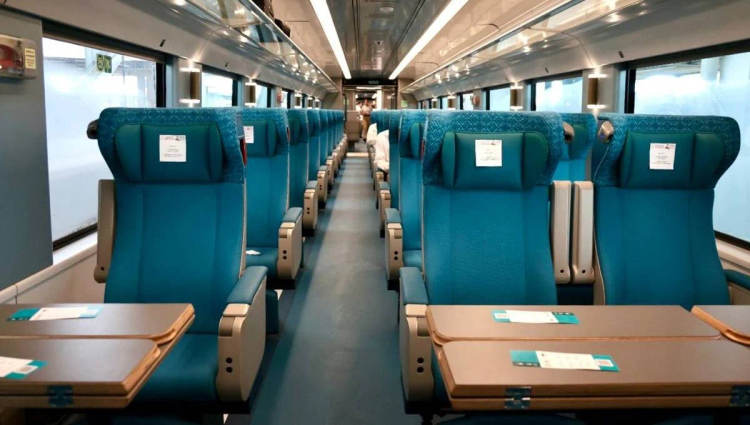
The "Local Rate" remains the most accessible tier, exclusively available to residents of the five states along the 1,554-kilometer route, which includes Yucatán, Quintana Roo, Campeche, Tabasco, and Chiapas. This rate saw a 20 percent reduction, ensuring that the local workforce and families can utilize the system for daily mobility. Similarly, the "Special Rate," which is designed for seniors, teachers, students, and people with disabilities, also fell by 20 percent.

Most significant for the tourism industry is the introduction of the "Turista México" category. This new tier consolidates what had been two separate pricing structures for Mexican nationals from other states and international travelers into a single, lower rate, representing savings of up to 30 percent for those who previously paid the foreigner rate.
How the New Tren Maya Fares Impact Regional Travel Costs
The impact of these new Tren Maya fares is most visible on the high-traffic corridor between Mérida and Cancún. On this route, the tourist fare dropped from MX$781 to MX$547, which is approximately US$27. By comparison, first-class ADO bus tickets for the same journey typically range from MX$501 to over MX$900, depending on the service level and booking time. For the first time since the train’s inauguration in late 2023, the rail service is not only faster in many instances but also price-competitive with established road transport.
On the Mérida–Campeche run, the "Turista México" rate fell from MX$484 to MX$339, or about US$17, while the local fare dropped to MX$258. Travelers heading to the archaeological site of Chichén Itzá from Cancún now pay MX$351, a price point that positions the train as a primary option for day-trippers who previously relied on private tours or rental cars.
The administrative shift to a unified tourist rate removes a significant point of friction for international travelers. Industry analysts suggest that the "foreigner surcharge" was a psychological barrier that discouraged spontaneous rail travel among expats and short-term visitors. By removing this distinction, the Tren Maya is aligning its commercial strategy with international rail standards found in Europe and Asia.

Scaling Operations to Meet Demand
The timing of the price cuts follows a record-breaking Semana Santa period. Josefina Rodríguez Zamora, Mexico’s tourism secretary, reported that the system moved over 10,000 passengers in just two days during the holiday peak. This surge in ridership is part of a broader trend as international ticket sales saw a 47 percent increase in early 2026 compared to the previous year.
General Óscar David Lozano Águila, the train’s director general, noted that since its launch, the system has carried more than 2.3 million passengers. To accommodate this growing demand, the current schedule of 20 daily services is slated for a major expansion. By the end of 2026, the project aims to operate 32 daily runs as the full fleet of 42 Alstom-manufactured trains enters regular rotation.
This expansion is not limited to passenger cars. The remainder of 2026 will see the inauguration of the freight service, a component critical to the project’s long-term financial viability. The development of multimodal terminals in Cancún, Progreso, and Palenque, anchored by the massive cargo hub in Poxilá, is expected to transform the logistical landscape of southeastern Mexico.
Integration and the Road to 2030
The federal government has set an ambitious target of four million annual passengers by 2030, a milestone required to achieve operational break-even. The current fare reductions are a calculated gamble to accelerate this timeline by capturing a larger share of the regional transit market.
Beyond the immediate price drops, the administration is looking toward deeper integration. Plans are already underway to construct 66.7 kilometers of additional rail branches to support freight logistics and to extend the line from Mérida to the port of Progreso. This "Progreso Extension" will facilitate the movement of cargo directly from the Gulf of Mexico into the heart of the peninsula, further justifying the massive infrastructure investment.
Practical Information for Travelers
Tickets for the Tren Maya can be purchased through the official reservation portal at reservas.ventaboletostrenmaya.com.mx or at any of the 34 operational stations. In Mérida, a dedicated sales office remains active on Calle 50, between Calles 25 and 27, in the Cordemex neighborhood.
For those traveling between Mérida and Cancún, six daily departures are currently available, starting at 7:00 a.m. and ending at 4:22 p.m. The Mérida–Campeche route offers three primary departures at 10:55 a.m., 12:19 p.m., and 7:29 p.m. While travel times remain subject to minor adjustments as the track stabilizes, the current average for the Mérida-Cancún run sits at approximately three and a half hours.
As the Tren Maya enters this new phase of lower fares and higher frequency, the project is moving closer to its original promise of a unified, accessible, and modern connection across the ancient heart of the Mayan world.
Will the lower fares and unified pricing encourage you to choose the train over the bus for your next trip to the Yucatán? Join the conversation and share your perspective with us on Instagram and Facebook at @thetulumtimes.

The Tulum Times · Newsletter
The story continues in your inbox.
Essential Tulum news and local insight, a few times a week. Free.
No spam. Unsubscribe anytime.
Transportation in Tulum: Taxi, Bus, Transfers, and Mobility
Taxi fares, buses, transfers, road changes, mobility updates, and practical transport guidance for Tulum.

“The best journalists reporting from paradise, highlighting the heroes that keep Tulum the most beautiful place in the world! THANK YOU!”