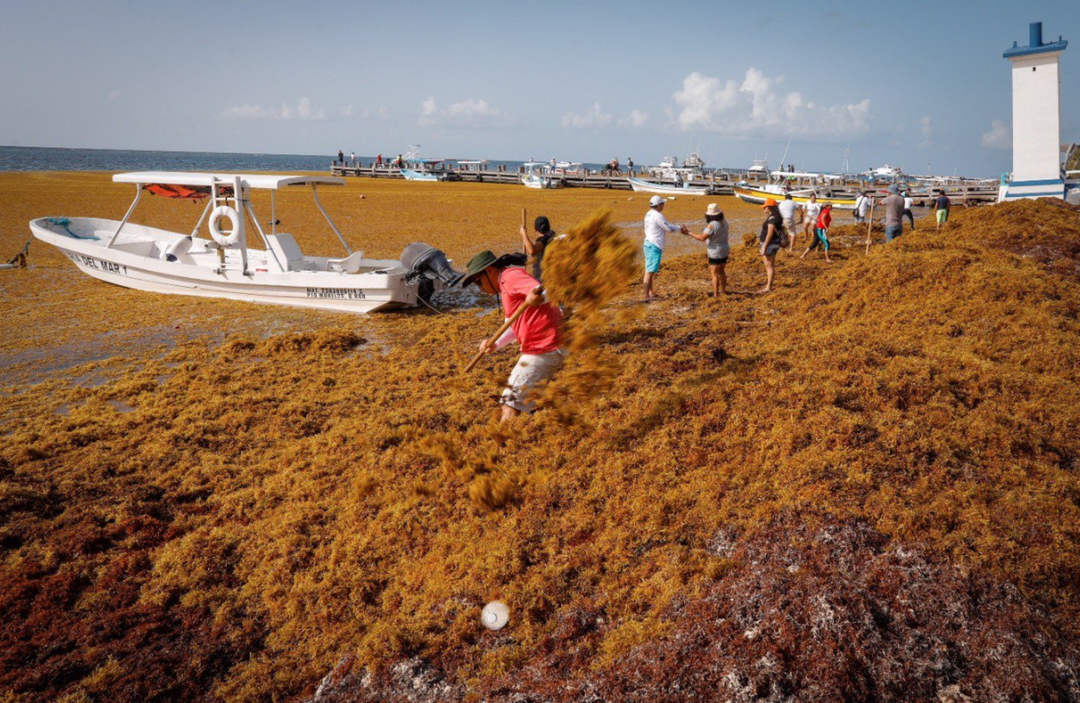
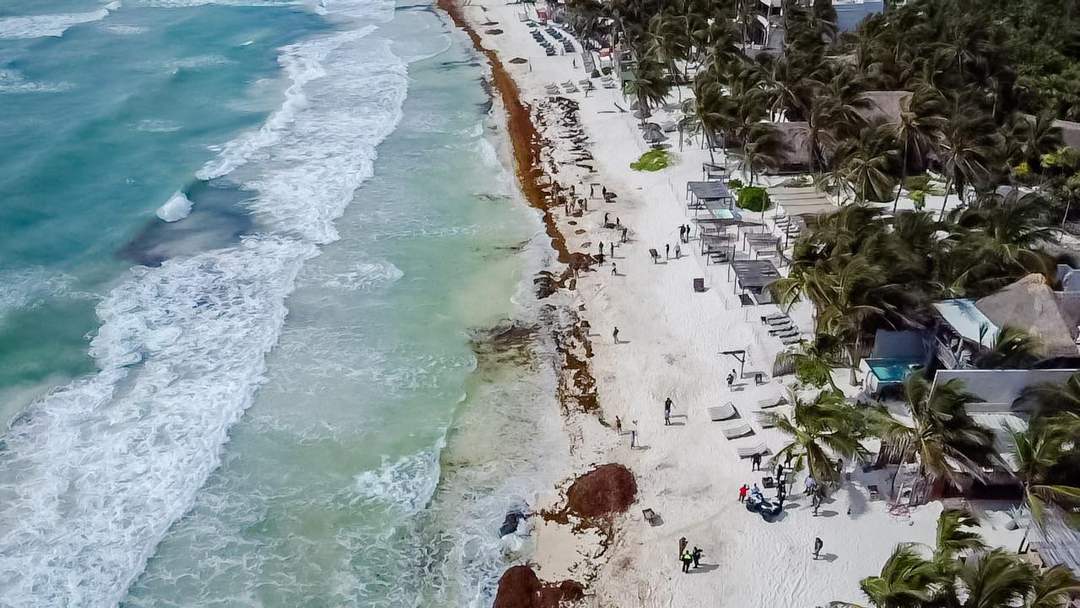
Sargassum in Mexico 2025 brings record seaweed to Caribbean shores, threatening tourism, marine life, and health, while communities respond with cleanups, innovation, and collective resilience.
Local authorities in Tulum have launched a comprehensive emergency response plan, reinforcing shelters, coordinating resources, and issuing early warnings to safeguard communities as the hurricane season approaches.
Experience the best Michelin restaurants in Tulum — from jungle fire kitchens to ancestral recipes — where flavor, passion, and local spirit create unforgettable dining moments.
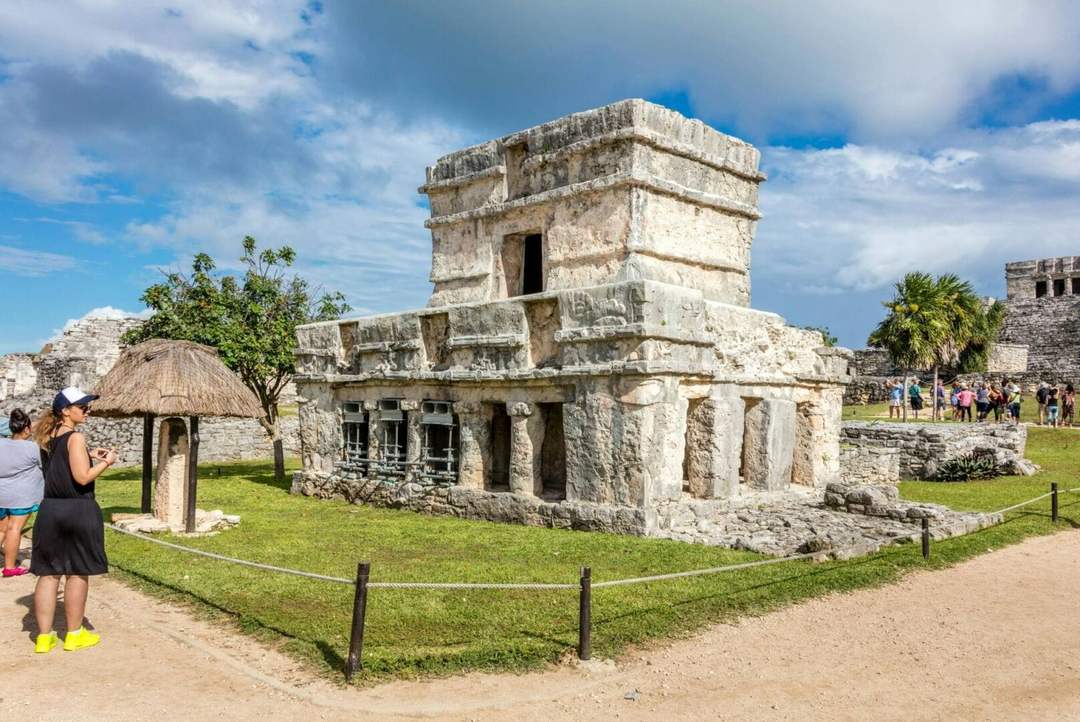
Everything you need to know about the Tulum ruins entry fee, including costs, travel tips, and visitor rules to enjoy this historic Maya site with respect and insight.
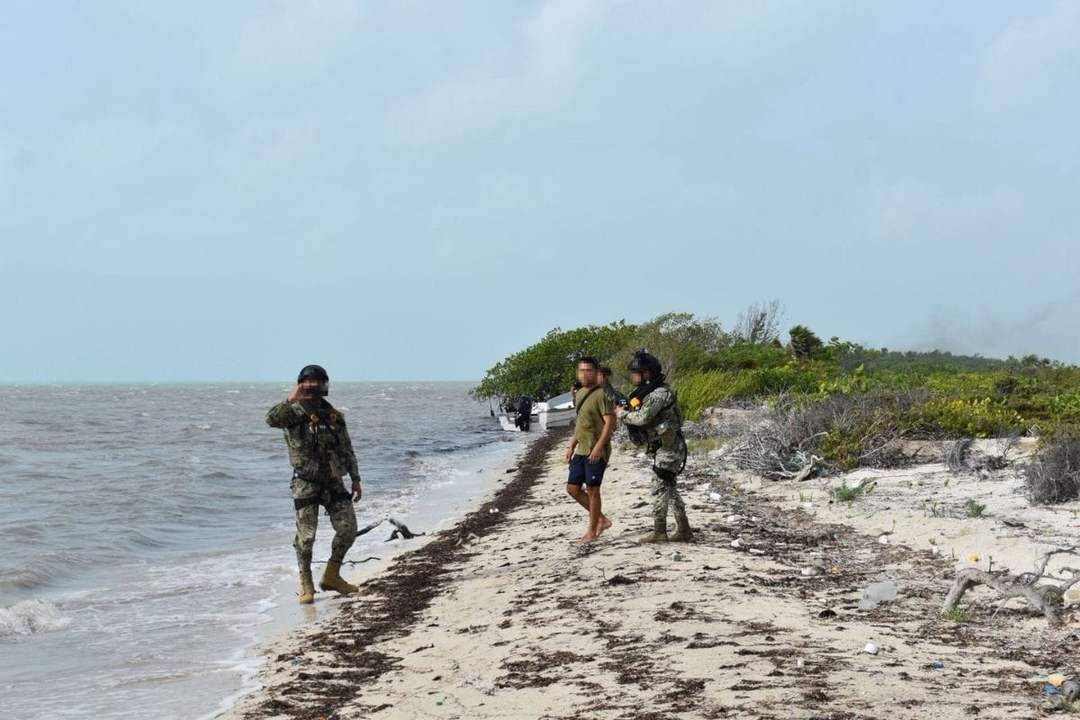
Five men claiming to be marines were stranded offshore near Tulum after engine failure. Dehydrated but stable, they were rescued by naval forces and taken ashore for medical treatment and identity verification.
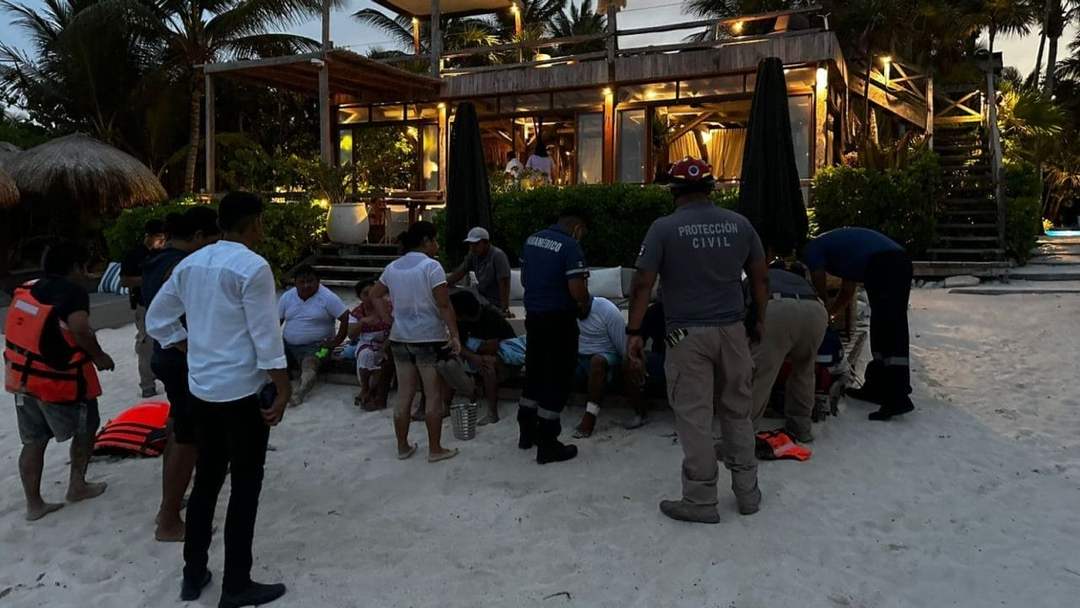
A recent maritime incident off Tulum’s coast has prompted heightened security measures and patrols. Authorities are investigating the cause, reinforcing vessel safety protocols, and updating maritime traffic guidelines to prevent future risks.
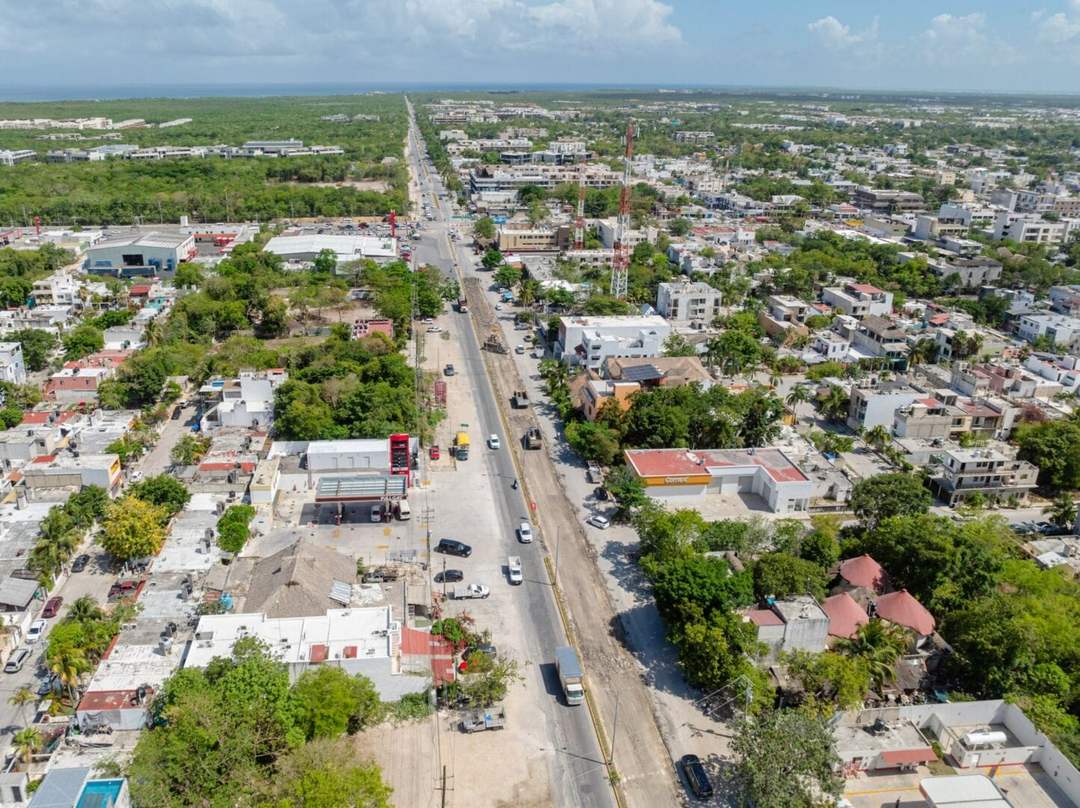
The municipal government of Tulum has intensified urban upkeep citywide, from street lighting repairs and pothole fixes to park restoration and tree replanting, ensuring safer, more vibrant public spaces for residents and visitors alike.
A tropical wave has unleashed heavy rains and storms in Tulum, triggering floods, power outages, and transportation delays. Officials warn of continuing downpours and advise residents to stay vigilant and follow safety updates.
Bacab Tulum is a conscious real estate project blending art, wellness, and community in La Veleta, offering a new model for sustainable, cultural living in the heart of Tulum.
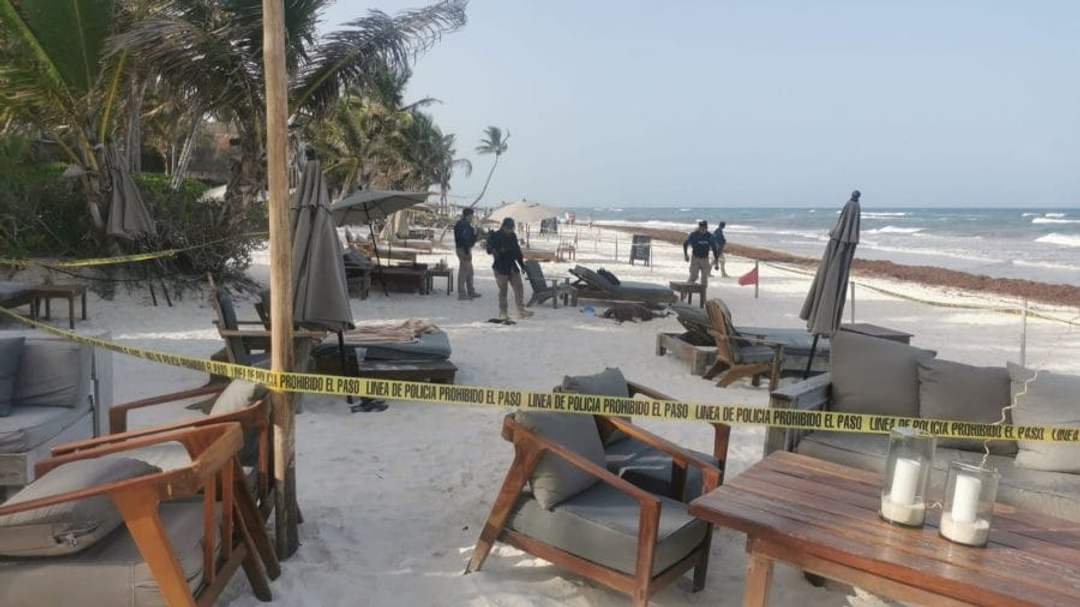
Tulum shows a drop in homicides in 2025, but behind the numbers, fear, organized crime, and everyday insecurity continue to define life in this growing beachside town.
On the 17th anniversary of Tulum’s founding, the community woke to another harrowing reminder of its growing crisis: two femicides, just hours apart, that pierced the early hours and shook a town already grappling with the weight of escalating violence.
Cancun’s iconic dolphinarium announces permanent closure, raising questions on ethics and tourism as local authorities and animal rights groups react to the long-awaited shutdown.
A landing gear malfunction forced Tulum International Airport to halt operations on May 29, grounding flights and diverting air traffic. Authorities cleared the runway within hours, yet passengers faced delays and cancellations.
Tourism operators in Tulum report this season’s downturn rivals pandemic lows, citing steep drops in bookings and occupancy. Service providers urge collaborative marketing efforts to revive the industry and safeguard livelihoods.
Tulum has become one of the world’s most expensive beach destinations. Discover why hotel, food, and taxi prices are so high—and what’s truly driving the cost for tourists.
Though Mexican law guarantees free beach access, Tulum’s coastline tells another story, one of fences, fees, and frustration. Locals and tourists now face two very different realities.
Local authorities and industry leaders urge a comprehensive rescue plan to stabilize Tulum’s tourism sector, improve infrastructure, and promote sustainable growth amid overcrowding and environmental pressures.
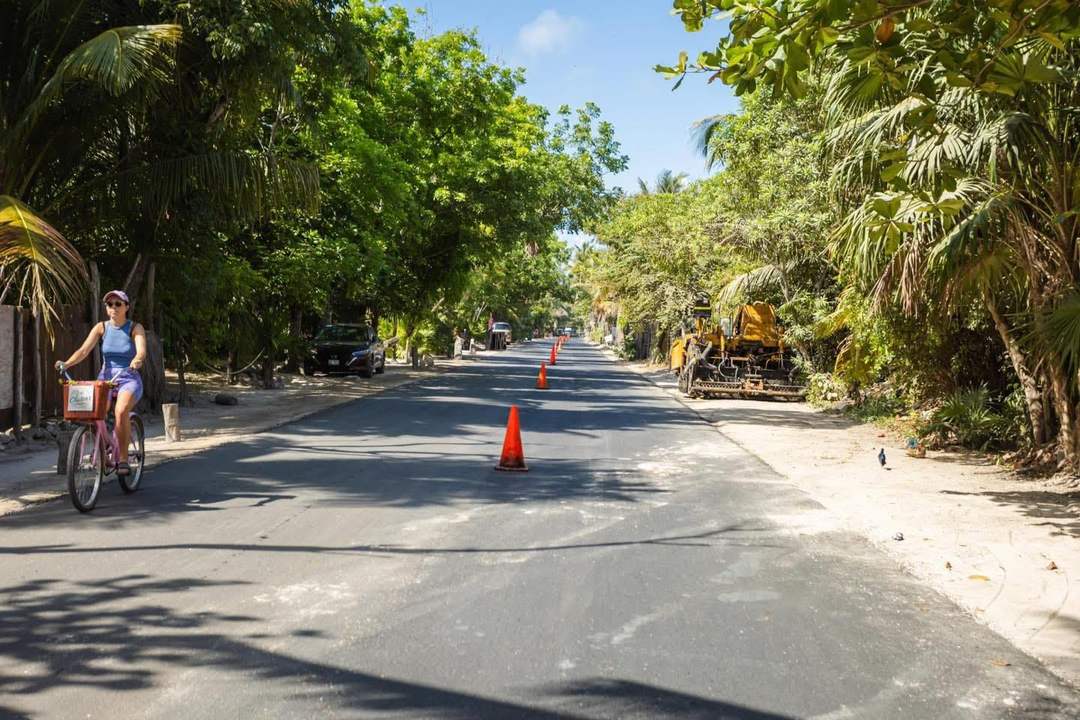
Tulum’s mayor reports significant strides in the coastal road rehabilitation, promising smoother travel, improved safety and continued economic boost as crews near completion.
Traditional shops and eateries in Tulum are closing as they fail to meet evolving tourist expectations, exposing a growing gap between visitor demands and local offerings—and sparking concern over the region’s tourism economy.
A pivotal study is underway to assess the carrying capacity of coastal areas, aimed at ensuring sustainable development and preserving long-term ecological balance for future generations.