A new killing inside Rosa Negra restaurant has intensified pressure on Tulum’s government as citizens question Mayor Diego Castañón’s ability to contain growing violence in the tourist town.
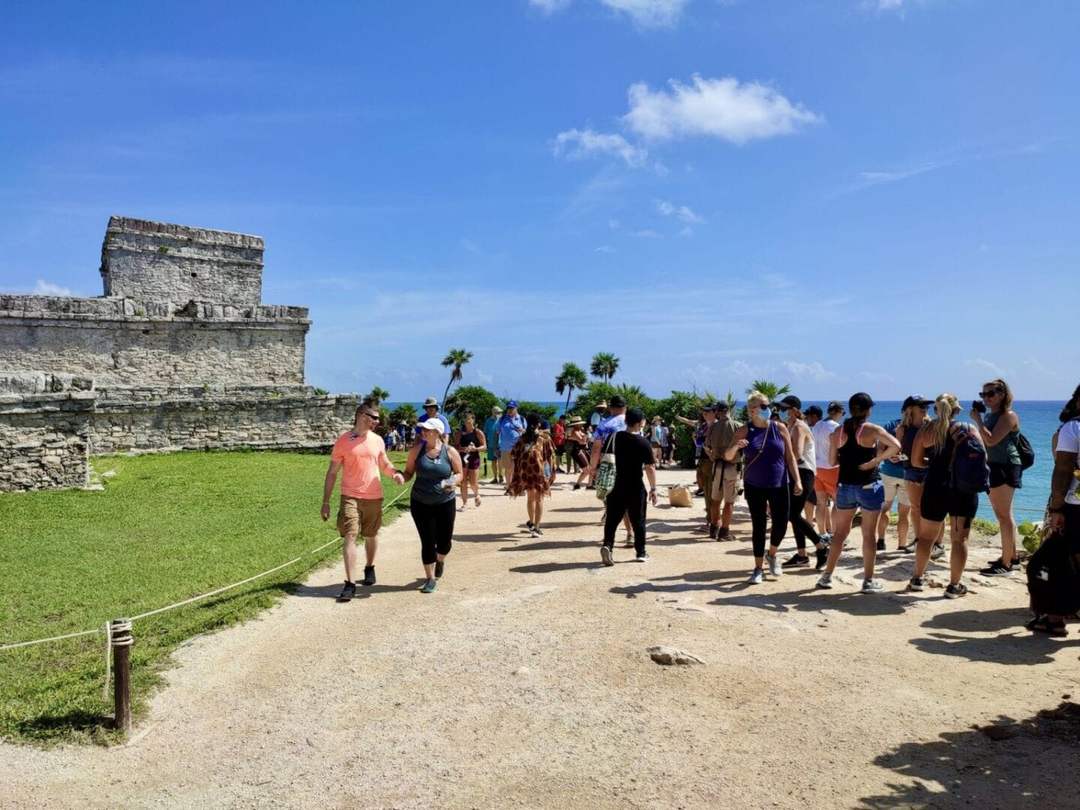
Tourism in Tulum shows a modest rebound as free entry to the archaeological site draws more visitors, offering hope for local businesses after a difficult season in Mexico’s Riviera Maya.
A clear, step by step guide shows how to avoid real estate fraud in Tulum, from confirming title and land use to securing a bank trust and conditioning payments on milestones, with practical checks for foreign buyers.
Accor expands its luxury portfolio with Mayaliah Tulum MGallery Collection, a project that blends design, culture, and sustainability to redefine high-end hospitality in the Riviera Maya.
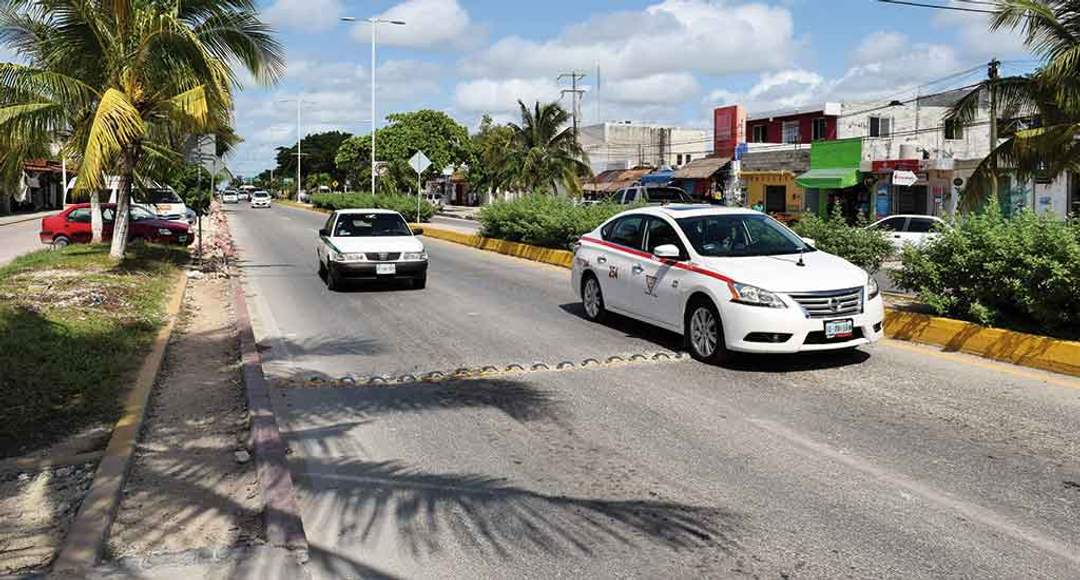
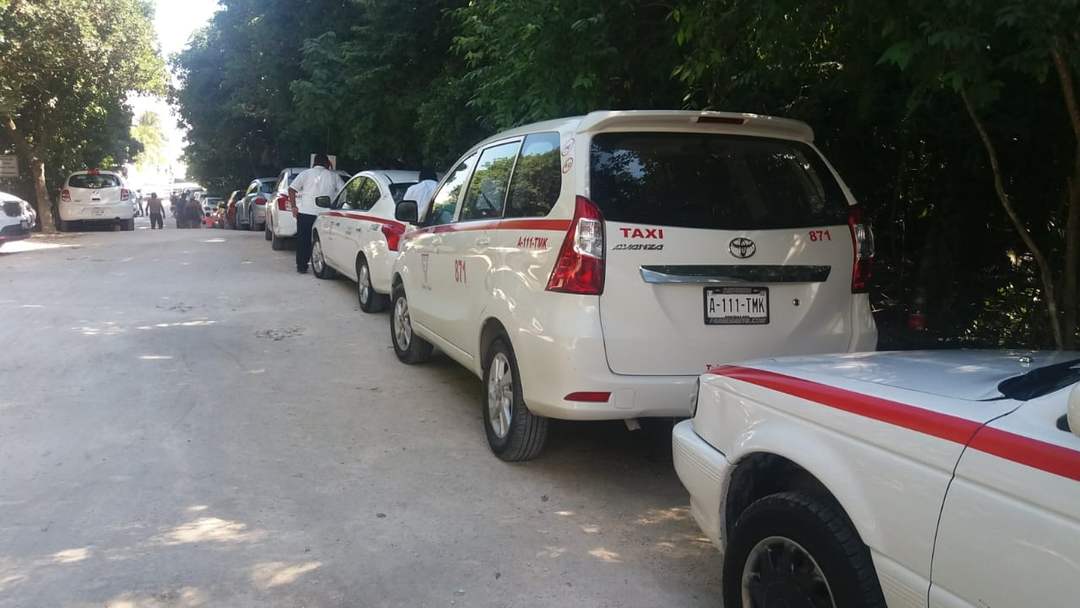
Tulum taxi rates are set for overhaul as authorities introduce a digital fare system to improve transparency and reduce tourist complaints about overcharging and abuse in Quintana Roo’s key destination.
Tulum authorities will intensify inspections during the 2025–2026 holiday season to prevent clandestine parties and ensure safety across the Riviera Maya.
The Festival de Cine Consciente in Tulum will merge cinema, sustainability, and community from November 14–16, 2025, creating an open-air ecological venue for reflection and collective action.
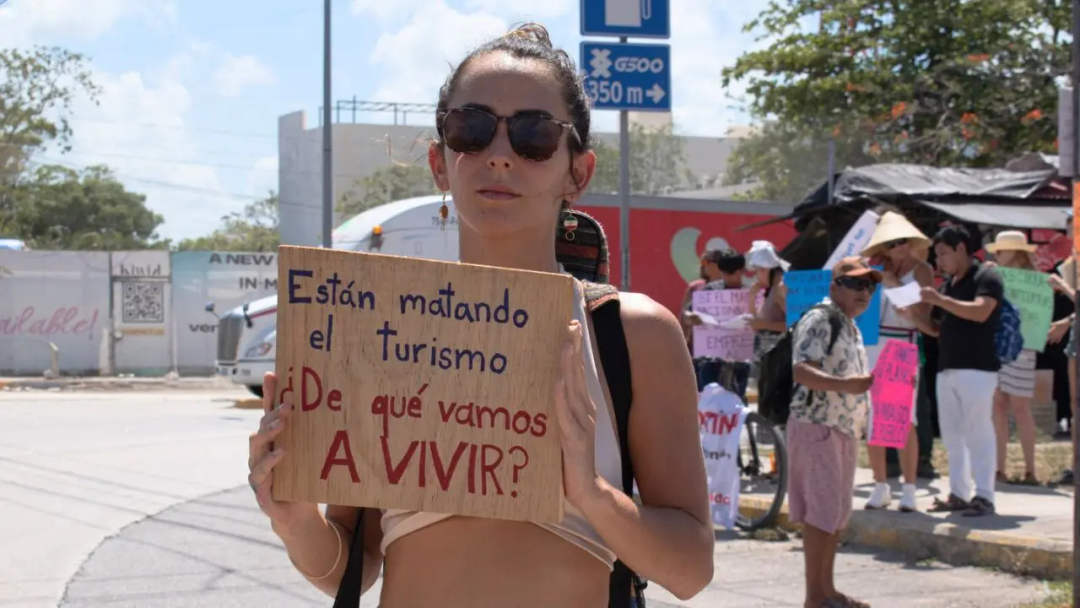
Tulum faces an economic recession as foreign visitor numbers fall sharply, forcing iconic businesses to close and halting construction projects across Quintana Roo.
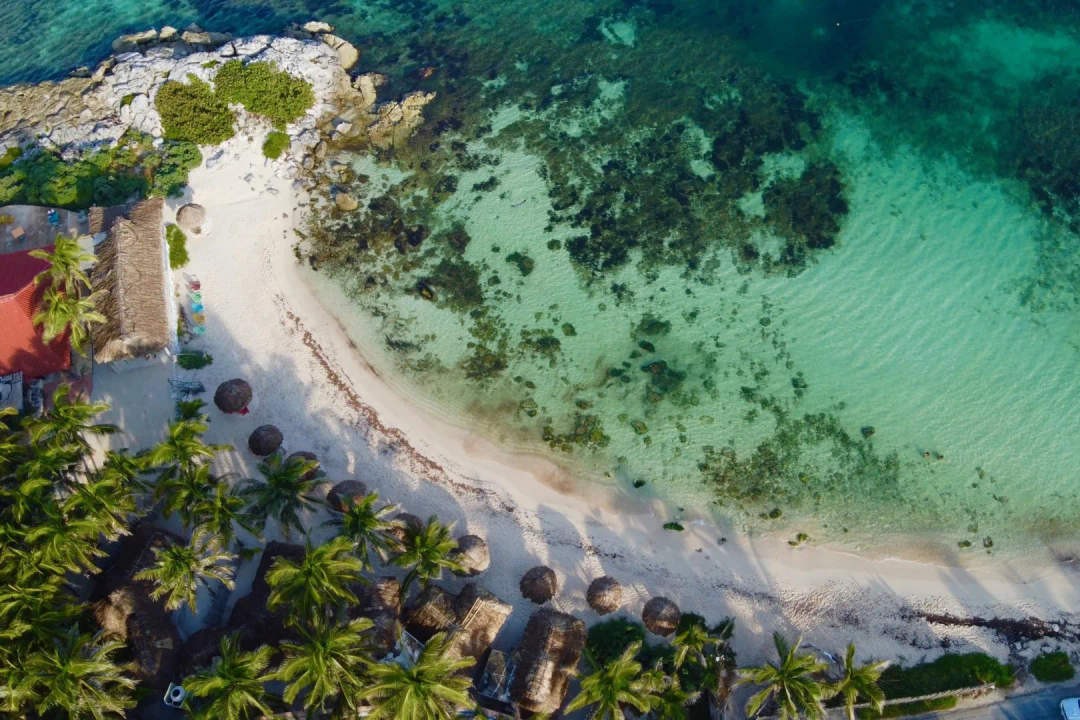
Tulum beach access fees have triggered local backlash over legality and fairness in Quintana Roo, with activists urging alternatives that protect conservation and keep public beaches open to all.
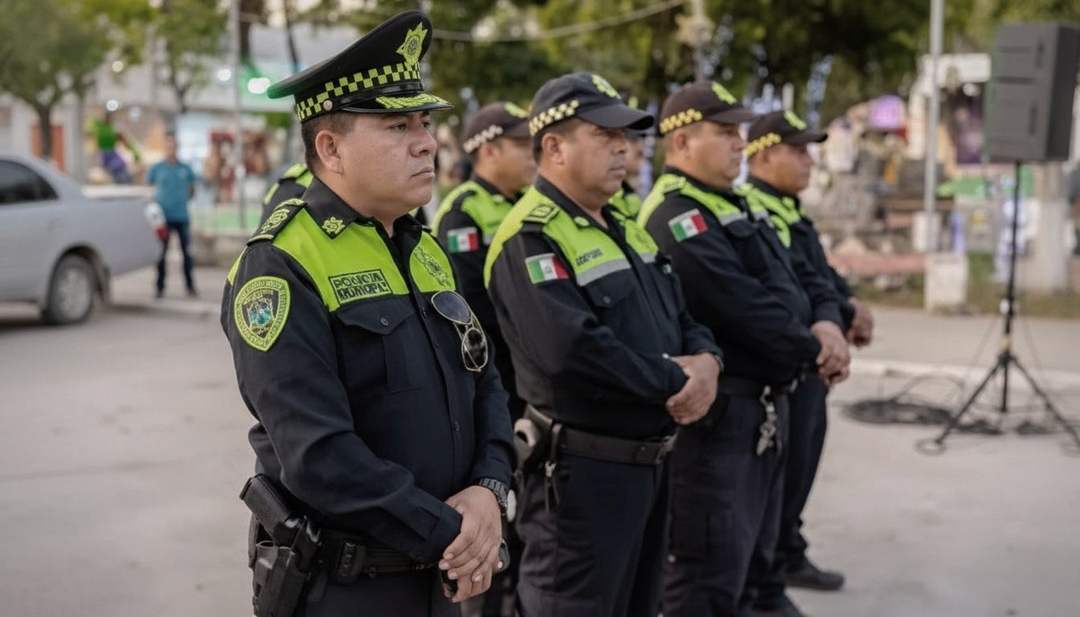
Learn how to avoid police extortion in Mexico with calm, safe strategies from real experiences. Practical advice for travelers and residents navigating encounters in Tulum and across the country.
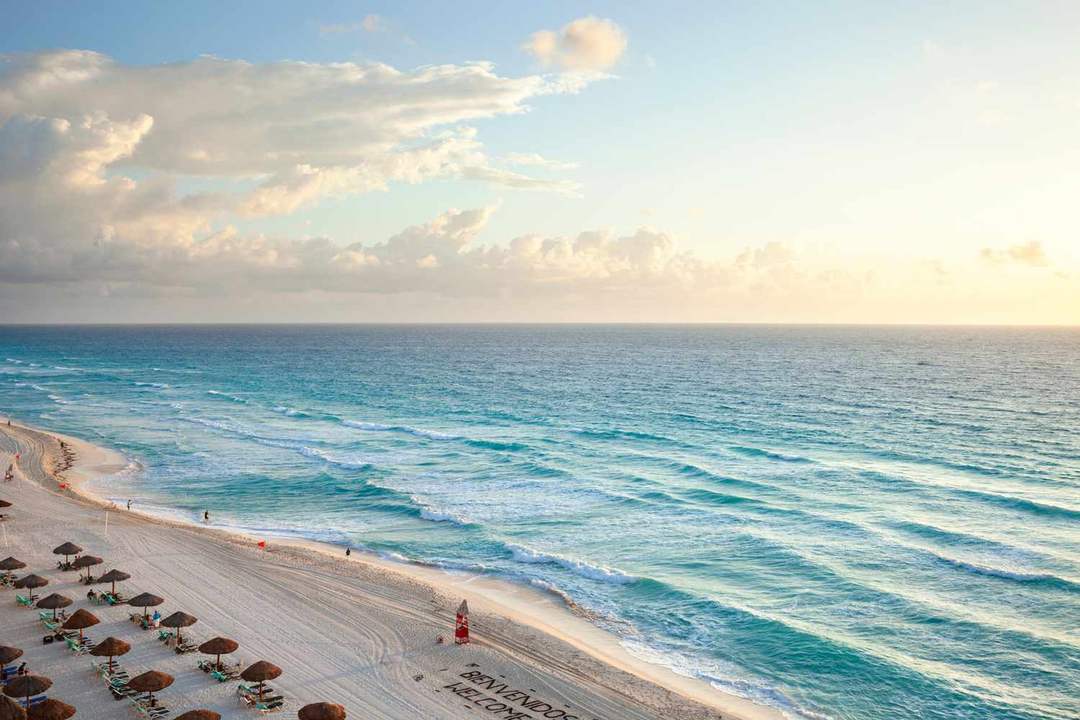
Mexico’s government plans new public beaches in Parque Jaguar Tulum and Cancún, aiming to restore access and improve the image of Quintana Roo’s top destinations before the winter tourism season.
Tulum 101 introduces a new era of sustainable luxury in the Mexican Caribbean, where design, comfort, and nature coexist. 101 Park embodies this vision, redefining modern living in the heart of Tulum.
Quintana Roo’s participation in the World Travel Market in London strengthened Tulum’s global image and opened new opportunities for tourism growth across the Mexican Caribbean.
Mexico’s tourism ministry reopens Tulum public beaches, ending restrictions by Jaguar Park and ensuring free access for visitors while aiming to revive the local economy.
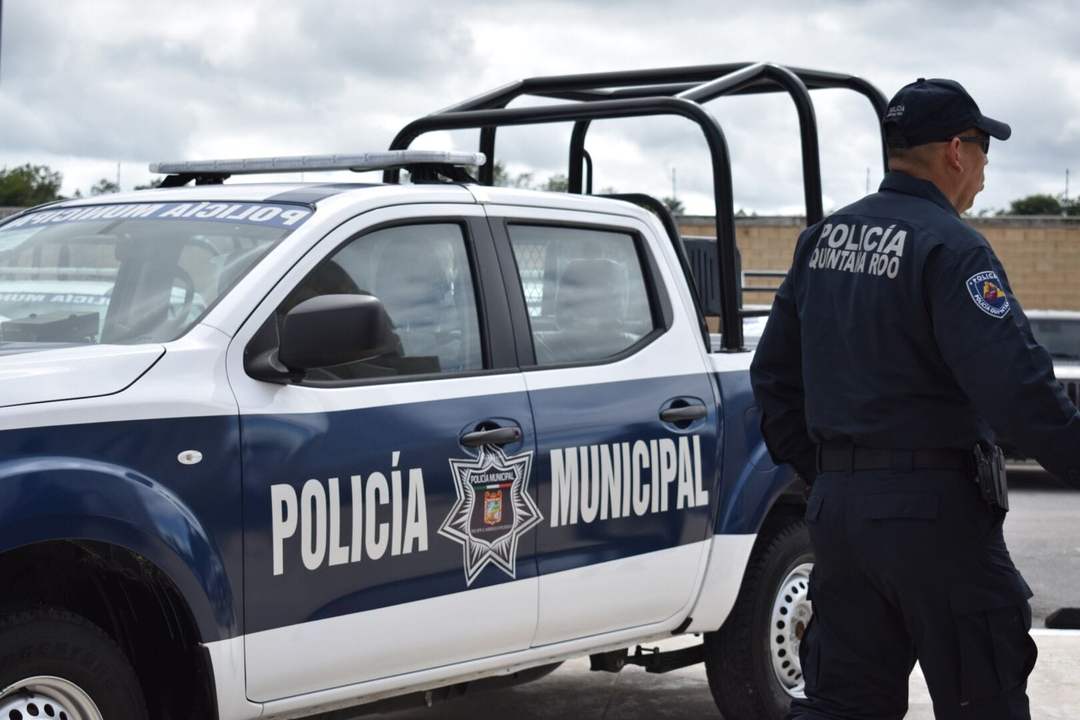
Tulum Mayor Diego Castañón Trejo urges citizens and visitors to report police extortion, seeking to protect public trust and preserve the town’s tourism image ahead of the December season.
Tulum reaffirms its environmental leadership with new Playa Platino and NOM 120 White Flag certifications, solidifying its role as a Quintana Roo model for sustainable coastal management.
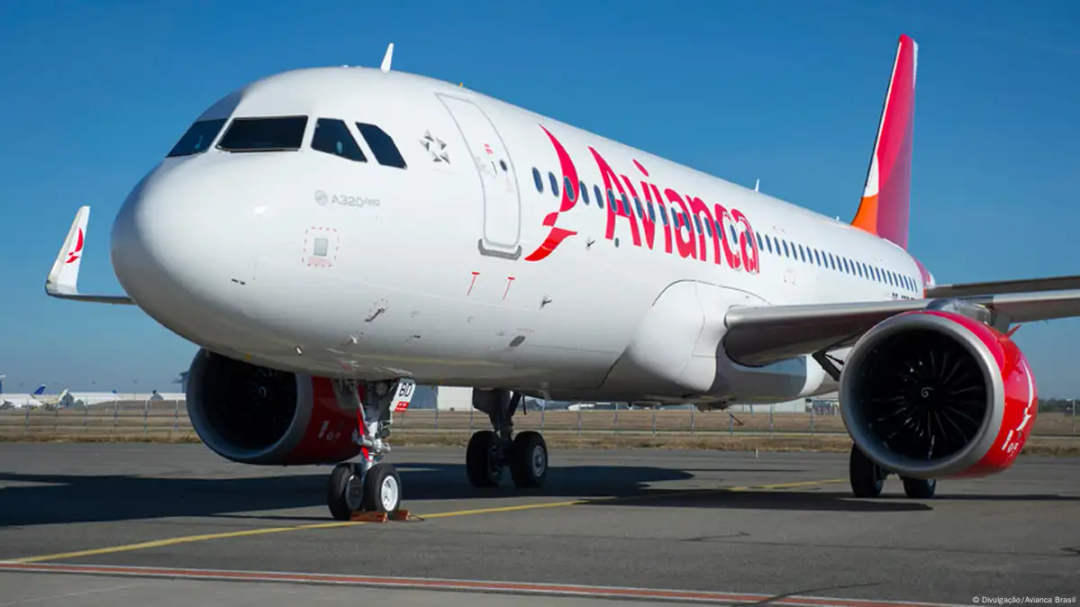
Avianca launches new routes from Bogotá to Monterrey and Belém, strengthening its Latin American network while confirming it will not resume flights to Tulum International Airport.
Tulum hotels saw a 10–20% rise in occupancy during Mexico’s Day of the Dead holiday, as cultural events and an extended weekend boosted tourism across the Riviera Maya and Quintana Roo.
Grupo Centurión prevented a 400,000-peso phone extortion in Quintana Roo, helping a man confirm his family was safe while traveling to Tulum and highlighting new security efforts across the Riviera Maya.