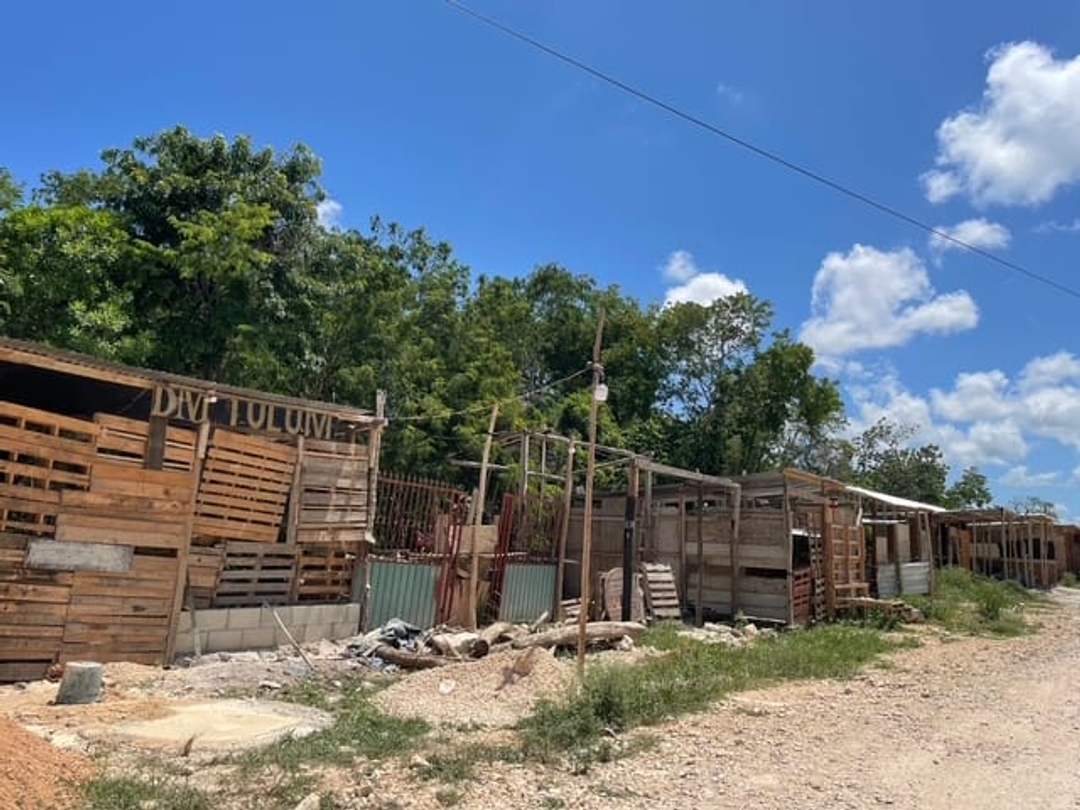
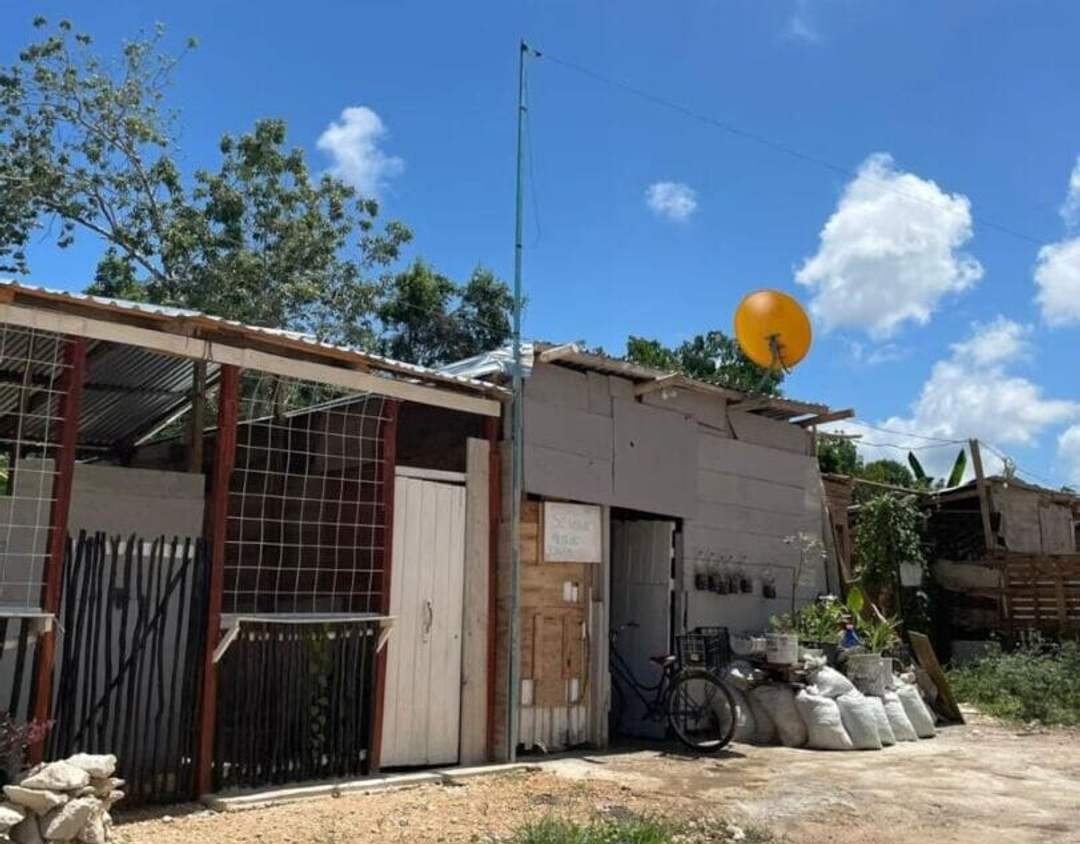
The illegal occupation in Tulum’s Juanek Street has ignited public outrage, exposing governance failures and raising concerns about security, corruption, and the city’s future stability.
Tulum’s short-term rental market keeps expanding despite falling occupancy and rates, raising concerns about urban strain and community impact in Mexico’s top coastal destination.
Illegal land invasions in Tulum, Quintana Roo highlight weak governance, corruption suspicions, and urban risks threatening one of Mexico’s most important tourism destinations.
A clear, step by step guide shows how to avoid real estate fraud in Tulum, from confirming title and land use to securing a bank trust and conditioning payments on milestones, with practical checks for foreign buyers.
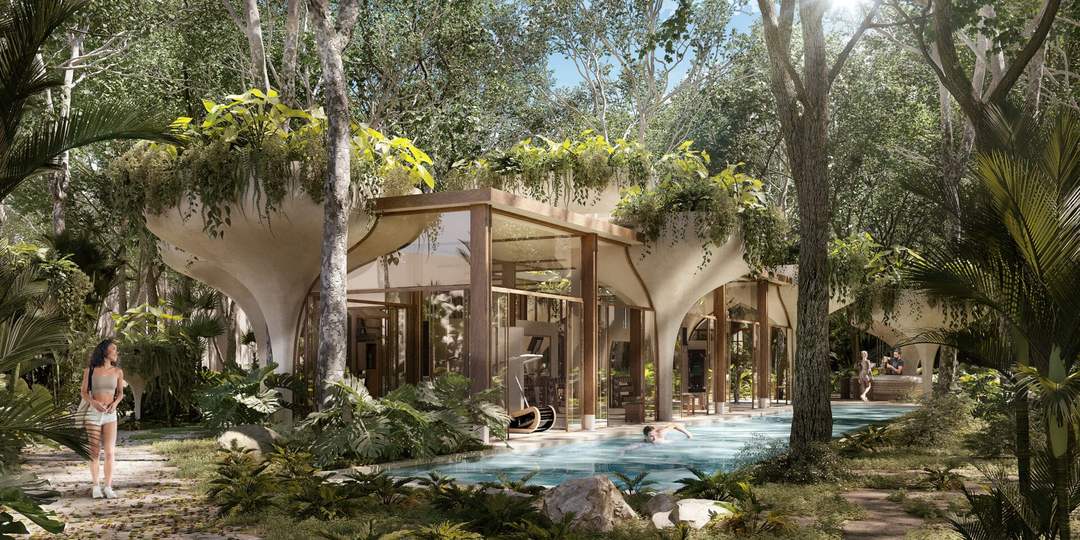
Ramia is a private enclave in Tulum 101 that blends design, nature, and security, offering titled lots and a lifestyle rooted in wellness, art, and authenticity.
Accor expands its luxury portfolio with Mayaliah Tulum MGallery Collection, a project that blends design, culture, and sustainability to redefine high-end hospitality in the Riviera Maya.
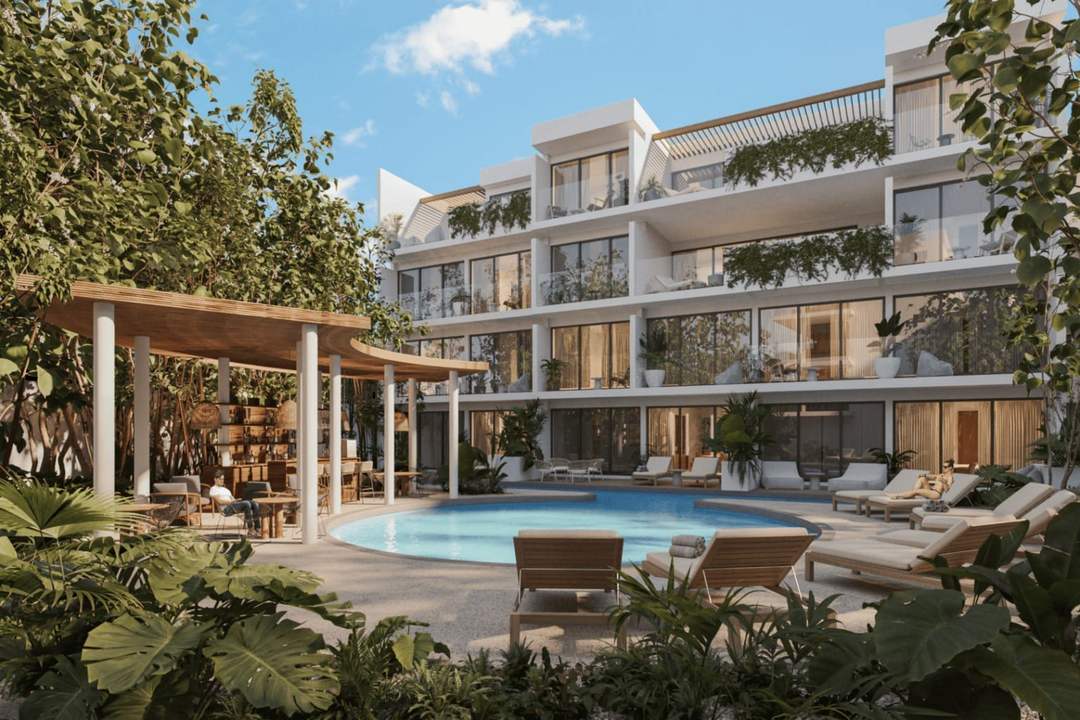
Tulum 101 introduces a new era of sustainable luxury in the Mexican Caribbean, where design, comfort, and nature coexist. 101 Park embodies this vision, redefining modern living in the heart of Tulum.
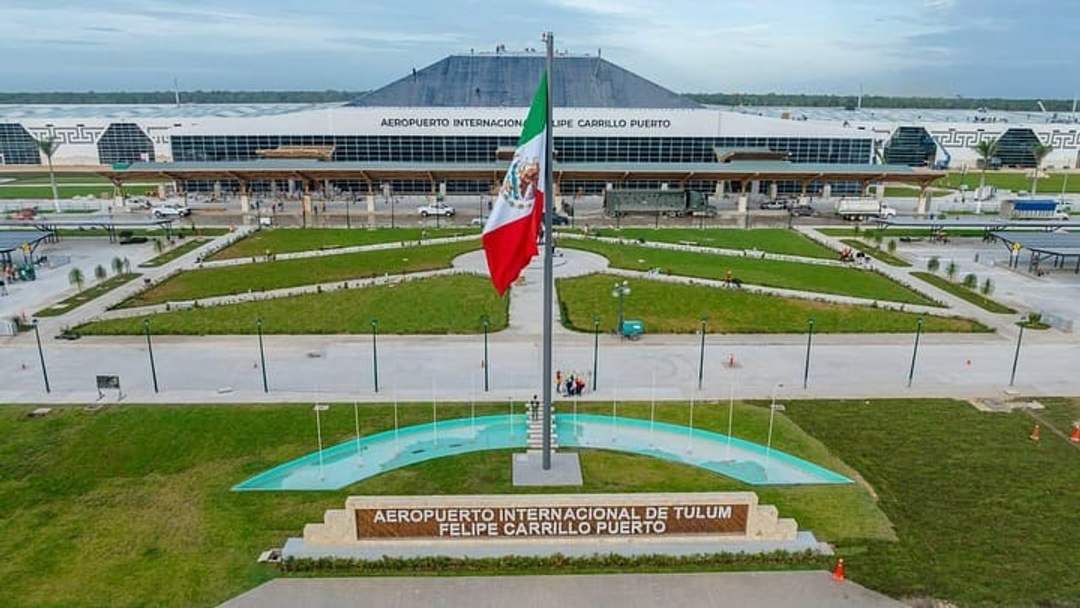
Tulum will regain air routes this November as Quintana Roo launches a $3.2 million global campaign and plans new connections across its four airports by 2026.
Experts say the real estate industry in Tulum must pivot from luxury studios to family housing as sales slow and new public investment aims to restore the town’s image.
Tulum’s hospitality sector faces mounting costs and weaker demand. Business leaders say unity, not division, will be key to restoring growth and keeping Tulum’s tourism strong.
Governor Mara Lezama traveled to Mexico City to strengthen security and tourism promotion for Tulum, aligning Quintana Roo’s strategy with preparations for the 2026 World Cup.
Tourism in Mexico faces new fiscal hurdles as business leaders urge the government to replace rising taxes with investment incentives to keep the country competitive in global travel markets.
Tulum cancels its externally made Urban Development Program and begins a new, locally driven process to align growth, tourism, and sustainability under Mayor Diego Castañón and architect Guadalupe Portilla.
Semarnat authorized the Aktun Chen ecotourism park in Tulum after previous Profepa sanctions, granting 18 months for regularization and 50 years of operation under new environmental compliance rules.
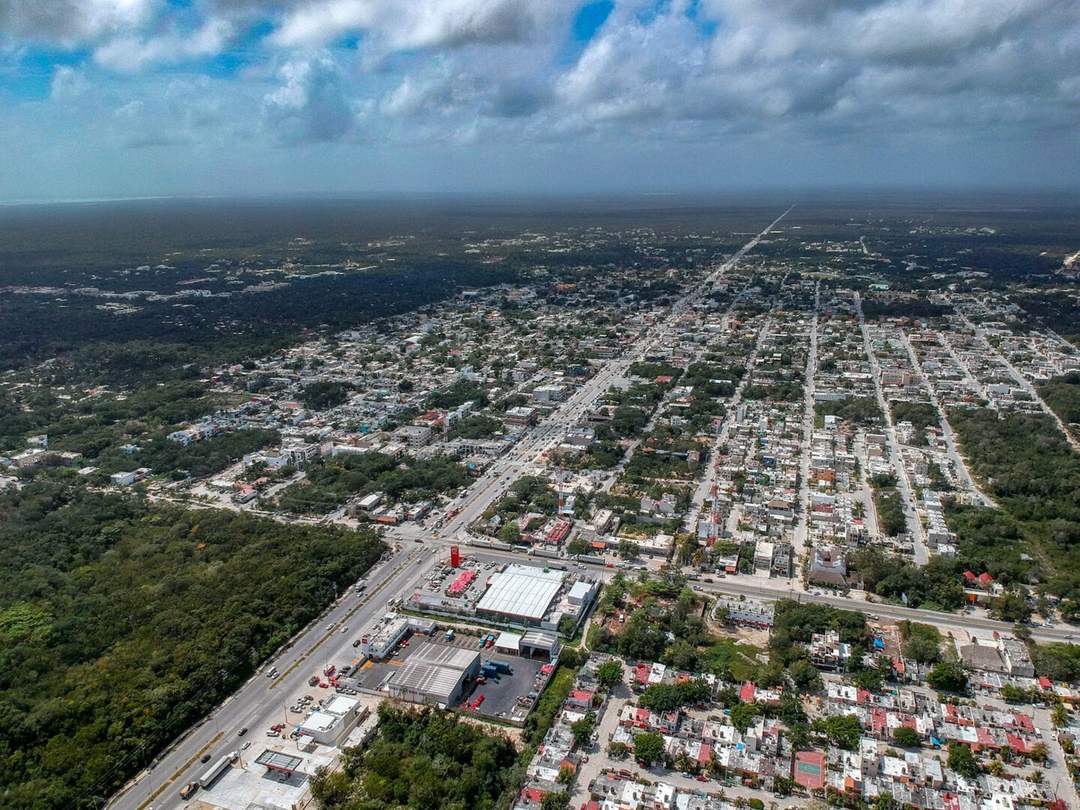
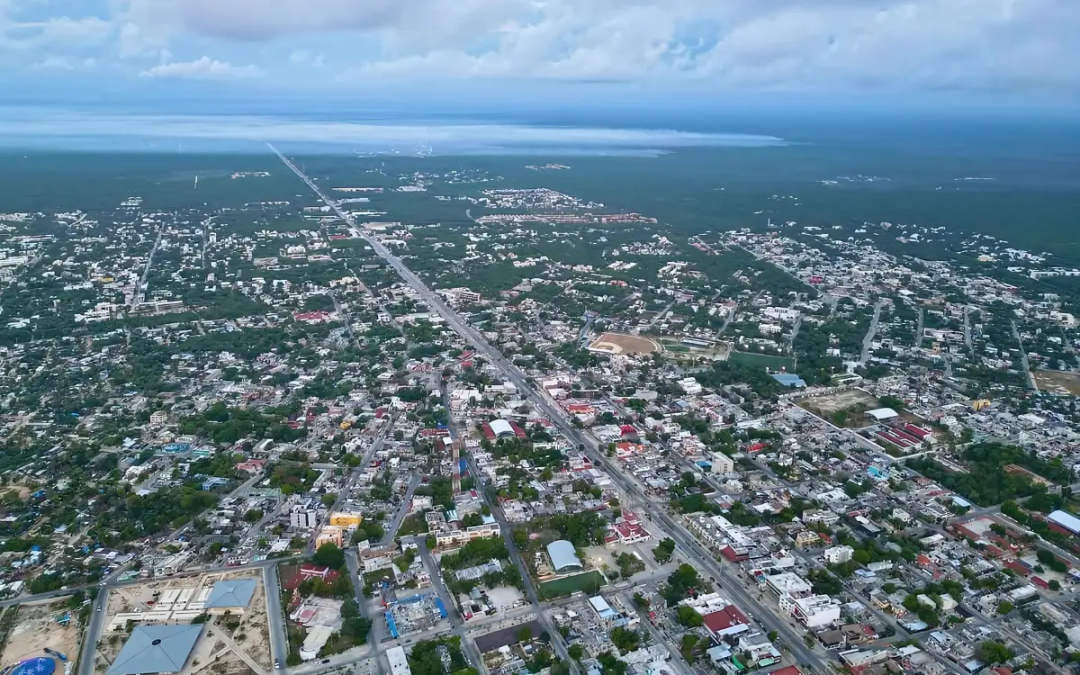
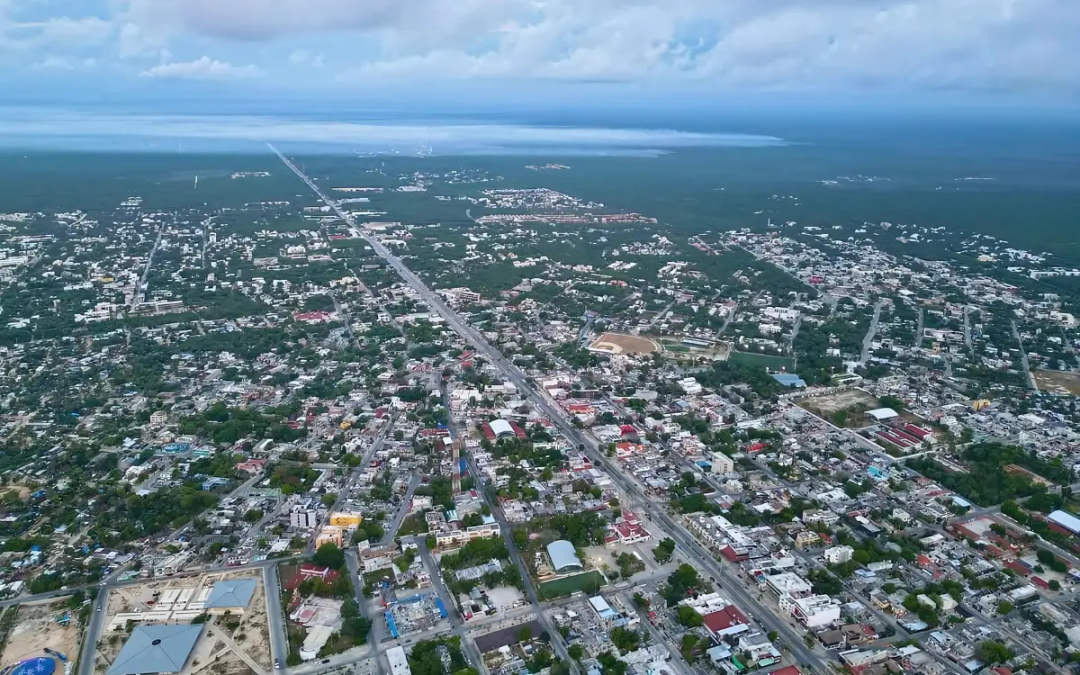
Tulum faces a tourism and urban crisis rooted in unchecked expansion. The government seeks to correct a development model that blurred the line between growth and sustainability.
Tulum faces a reckoning as overdevelopment and poor planning strain its growth model, forcing Mexico to rethink how tourism, territory, and community can coexist sustainably.
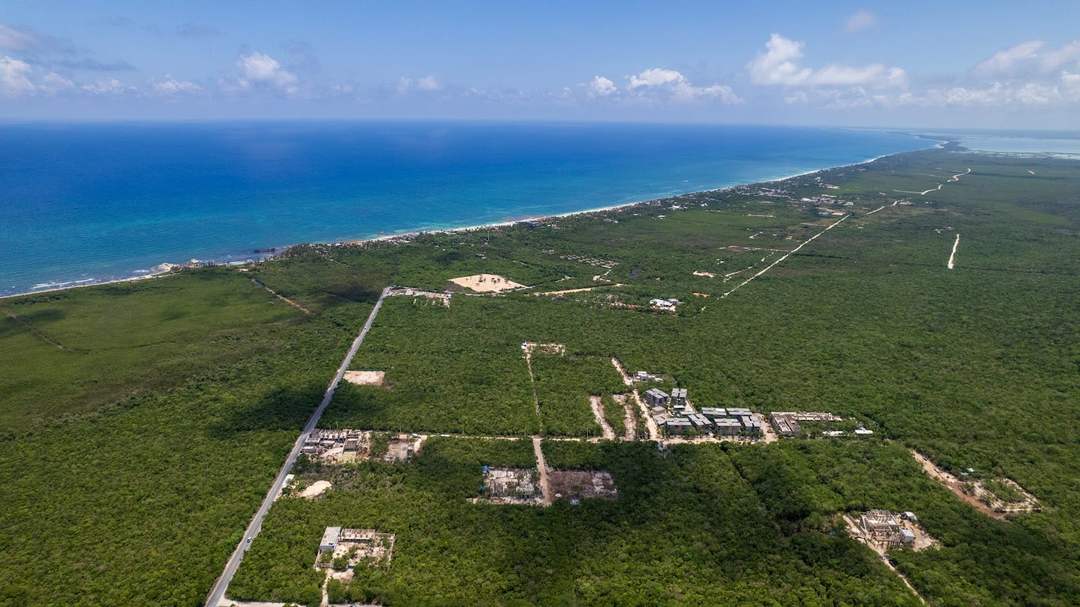
Developers warn that the future of Tulum depends on reinforcing urban infrastructure before uncontrolled growth surpasses capacity, as real estate projects multiply across Quintana Roo.
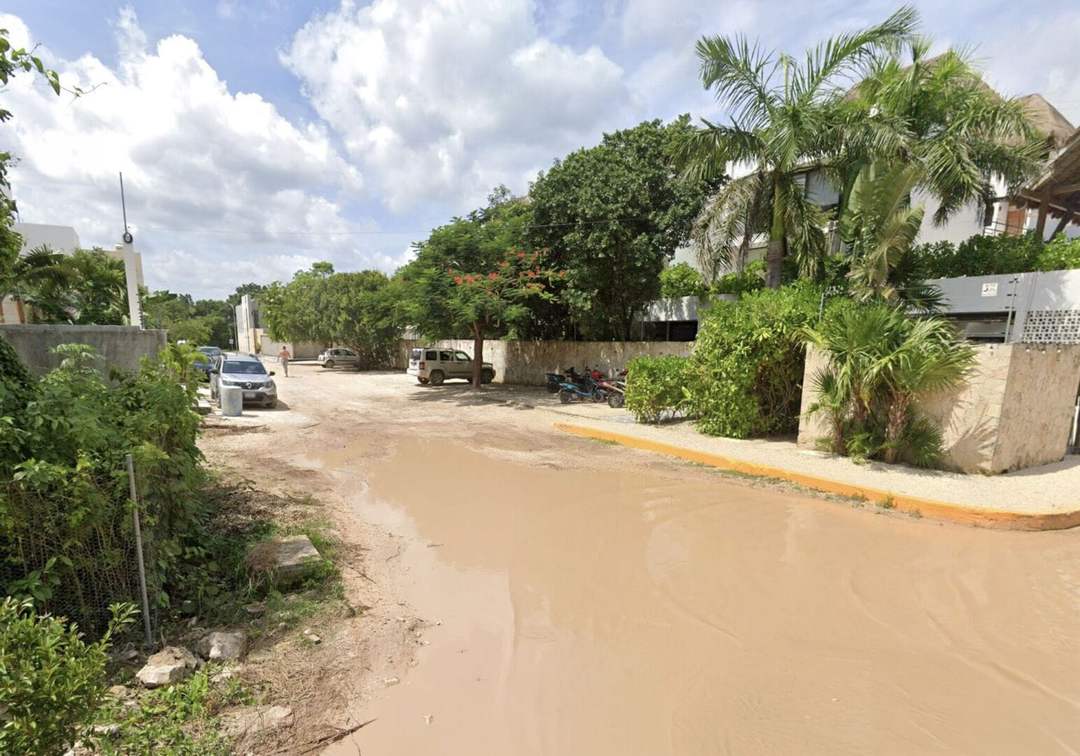
In La Veleta, Tulum’s booming real estate collides with neglected infrastructure as residents face flooded streets, rising frustration, and fading trust in local authorities.
Semarnat denies authorization for Paraíso hotel in Tulum, citing environmental concerns within the National Park, exposing the legal uncertainty of tourism projects in protected areas.