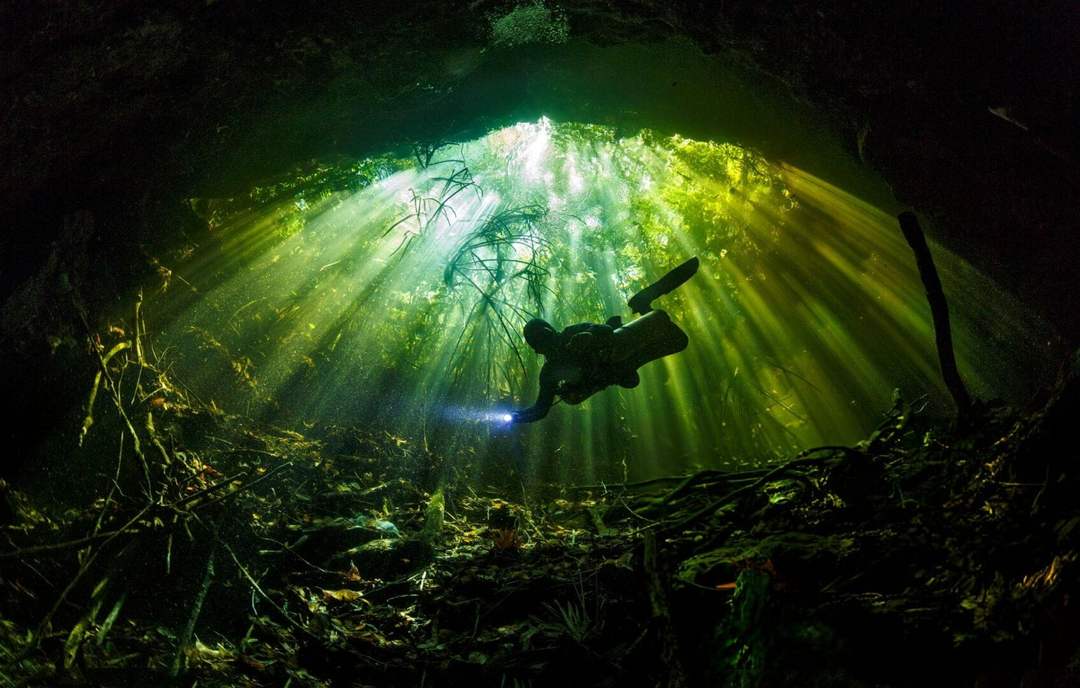
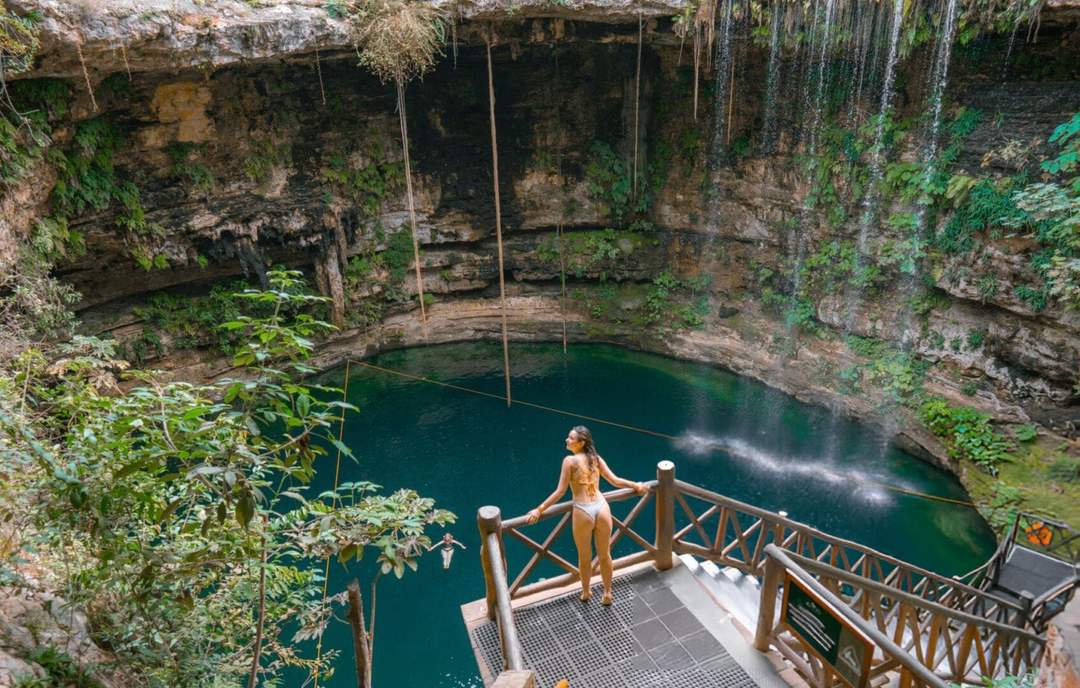
Cenote diving in Tulum reveals a hidden world of underwater caves, Maya history, and geological marvels—making it one of Mexico’s most breathtaking and unforgettable scuba destinations.
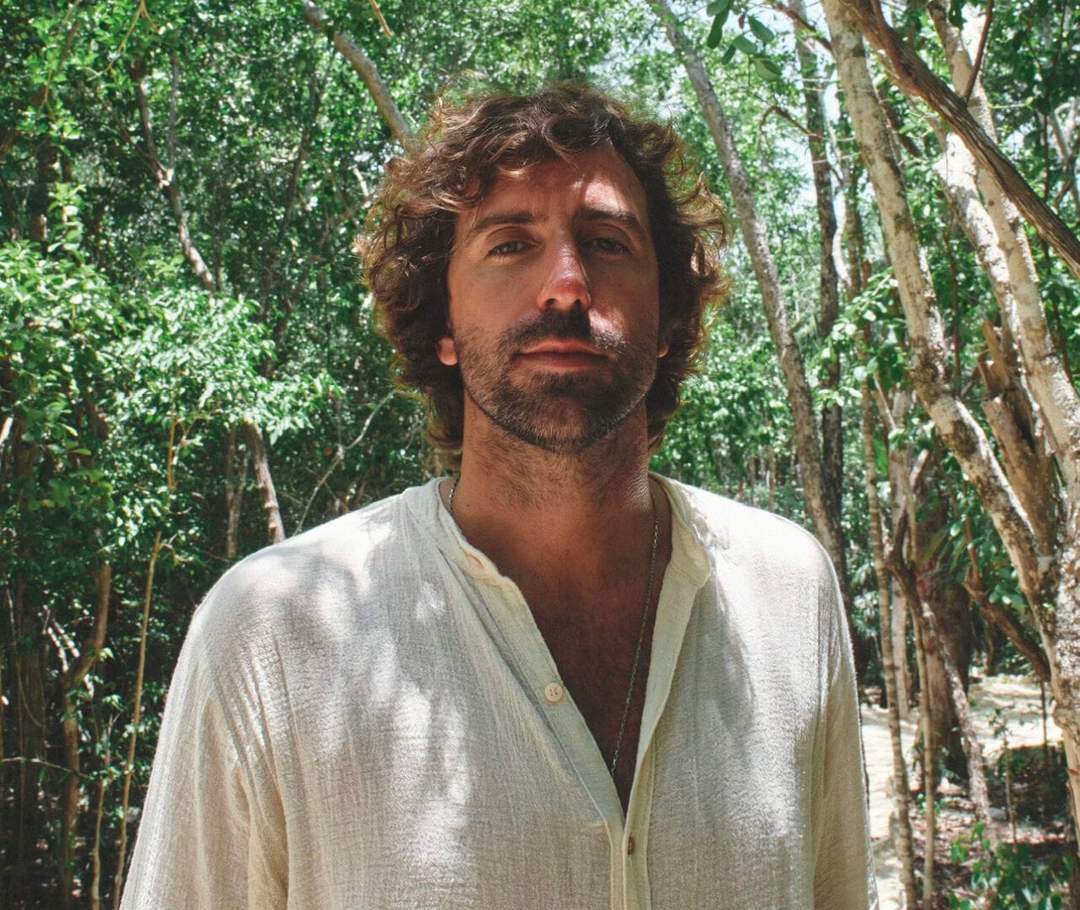
From the family-run cement yards of Argentina to the sacred lands of Tulum, Matías Carosio has never just built structures—he’s built belonging. As a business developer at Grupo Inmobilia and the mind behind transformative projects like Faena Tulum, he is quietly leading a revolution: one where real estate honors the land, connects cultures, and plants seeds for generations to come.
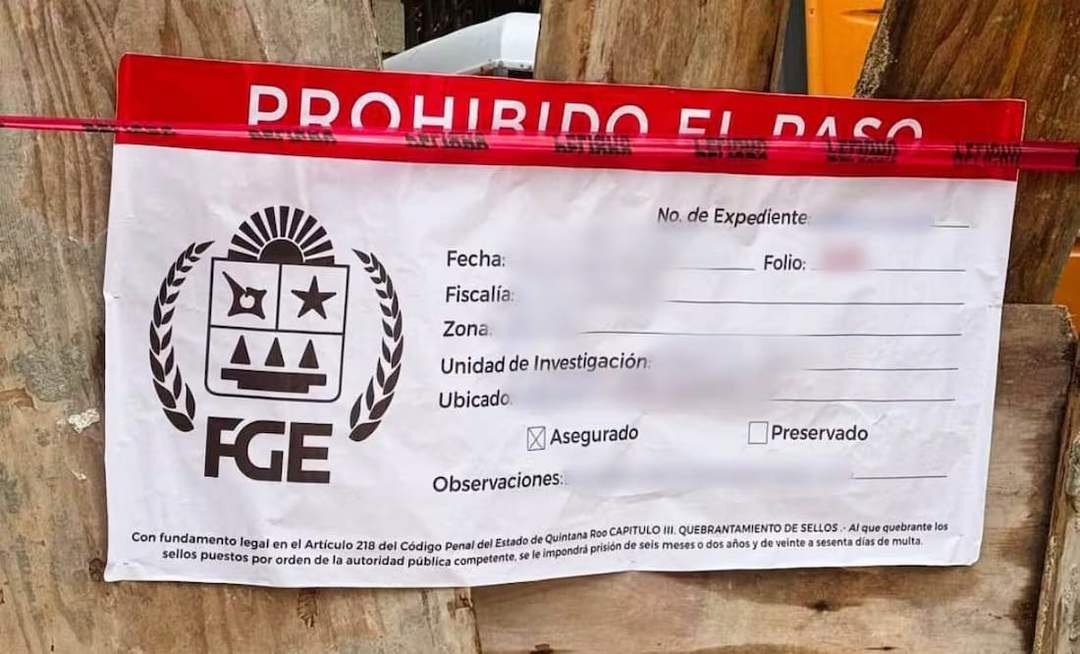
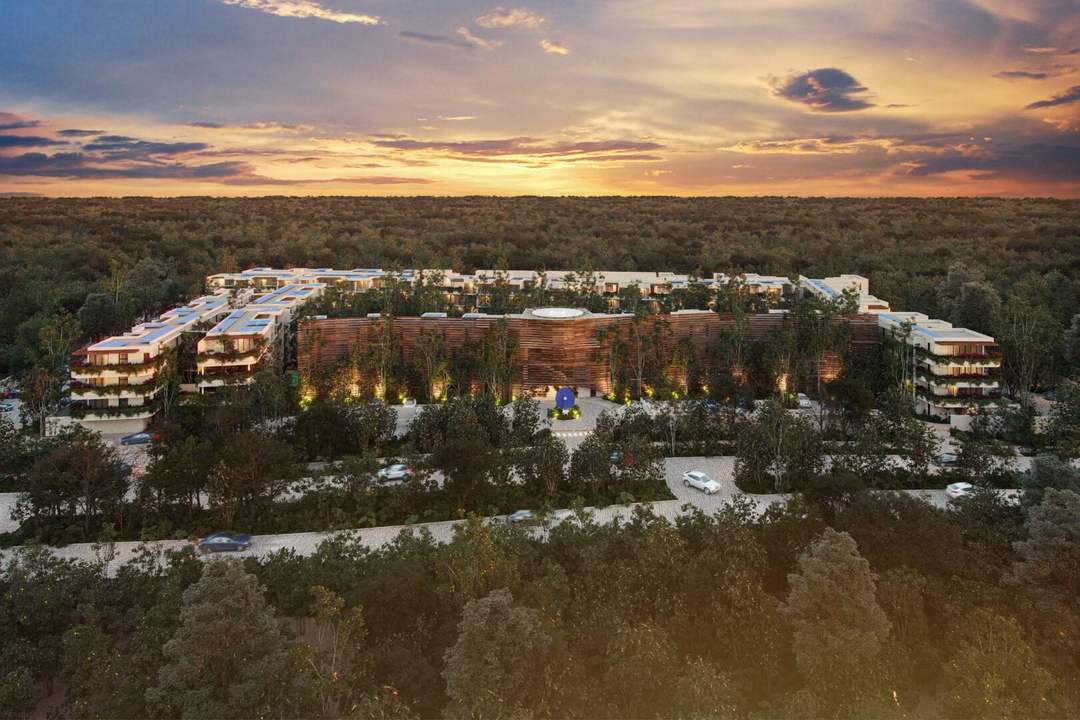
The Adamar development in Tulum’s Tankah IV was halted after a judge’s order, citing environmental violations and lack of permits, sparking debate over coastal preservation in the Riviera Maya.
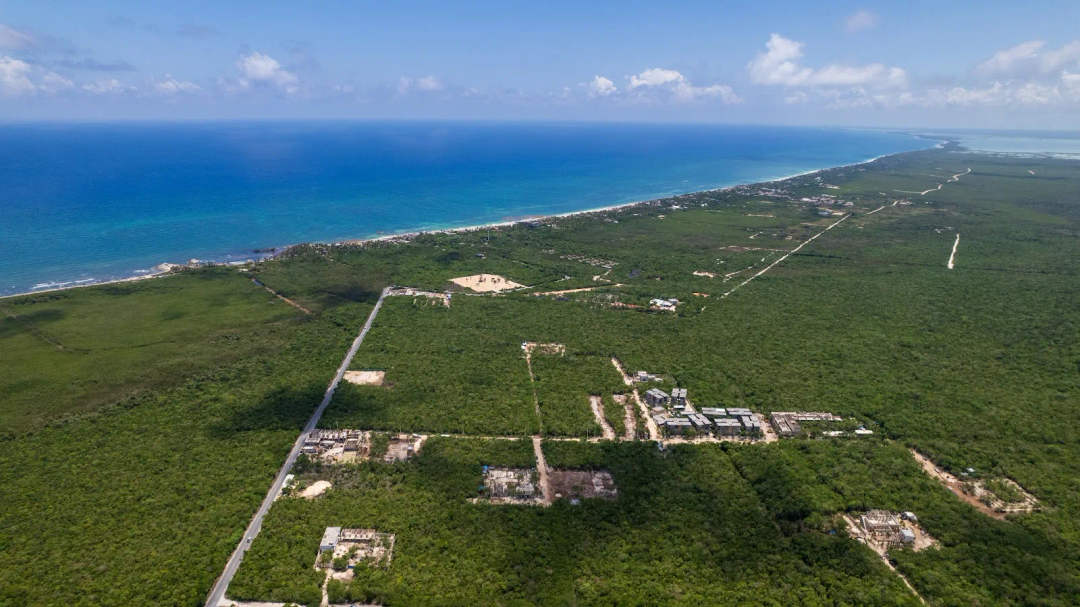
Tulum authorities list 26 illegal real estate developments, revealing confusion over naming practices and urging buyers to verify legal status before investing in Riviera Maya properties.
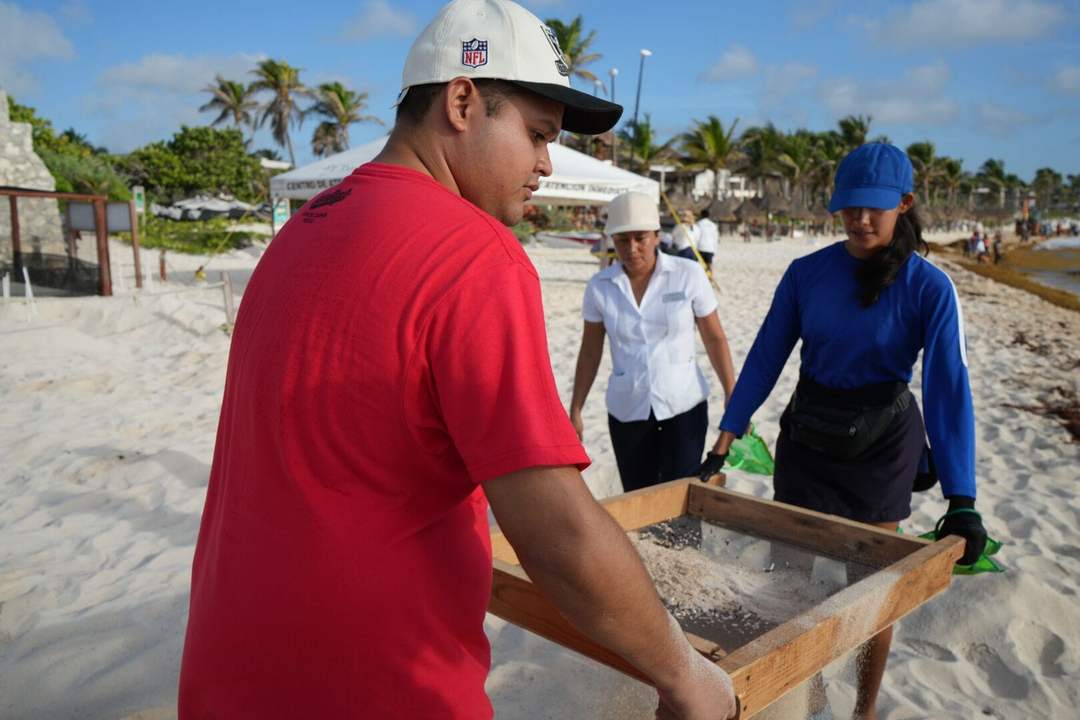
Programa SAK’s latest coastal cleanups in Tulum removed 243 nurdles and exposed troubling waste patterns, highlighting the urgent need for marine conservation in Quintana Roo.
Grupo Piñero invested €2.2 million in 2024 to promote regenerative tourism in Mexico and the Caribbean, protecting marine life, cutting emissions, and expanding water treatment in Riviera Maya.
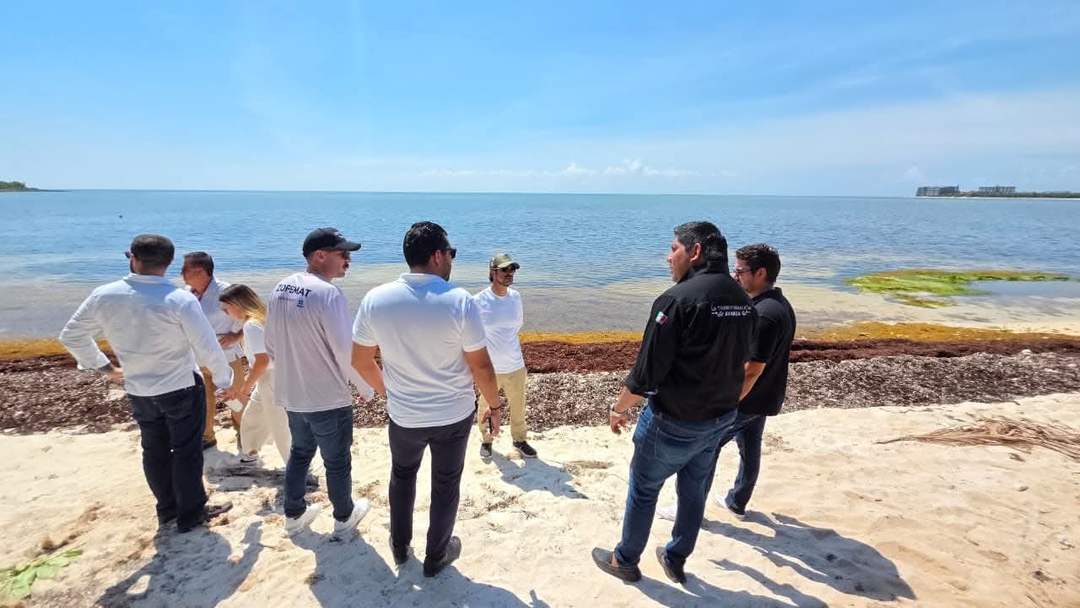
Tulum authorities are inspecting 25 public beach access points amid growing concerns about blocked paths and limited entry, aiming to ensure fair access for locals and tourists.
Playa del Carmen launches Mexico’s first Cenote Corridor, uniting Tulum, Mérida, and more in a bold eco-tourism plan—but can it survive luxury development and environmental threats?
SEDETUS has removed 14 developments from its list of irregular projects in Tulum, confirming full legal compliance. This clears the path for buyers and restores trust in the market.
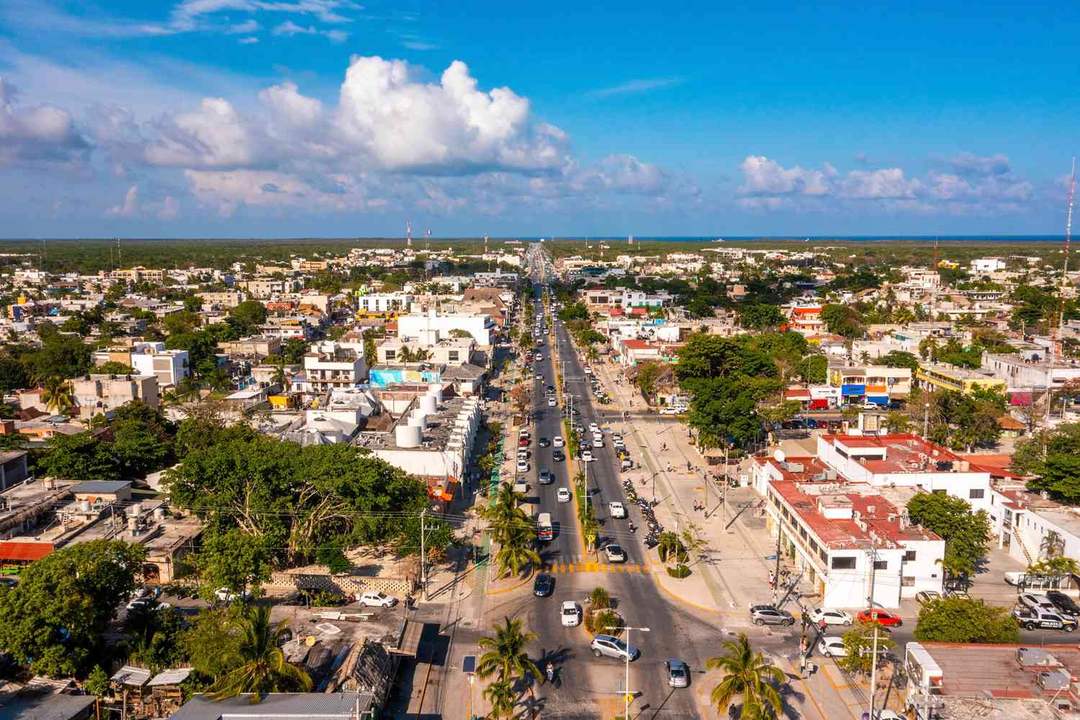
Tulum’s real estate stays resilient in 2025 thanks to tourism, infrastructure, and demand. But rising regulations and uneven occupancy require strategic investment and full legal compliance.
Tulum’s government and Grupo Mundo Maya unite to ensure public beach access, aiming to protect natural areas like Parque del Jaguar while promoting sustainable tourism in Quintana Roo.
Tulum’s experience offers valuable insights for emerging tourist destinations. Its rapid growth shows how smart planning can align real estate success with long-term sustainability.
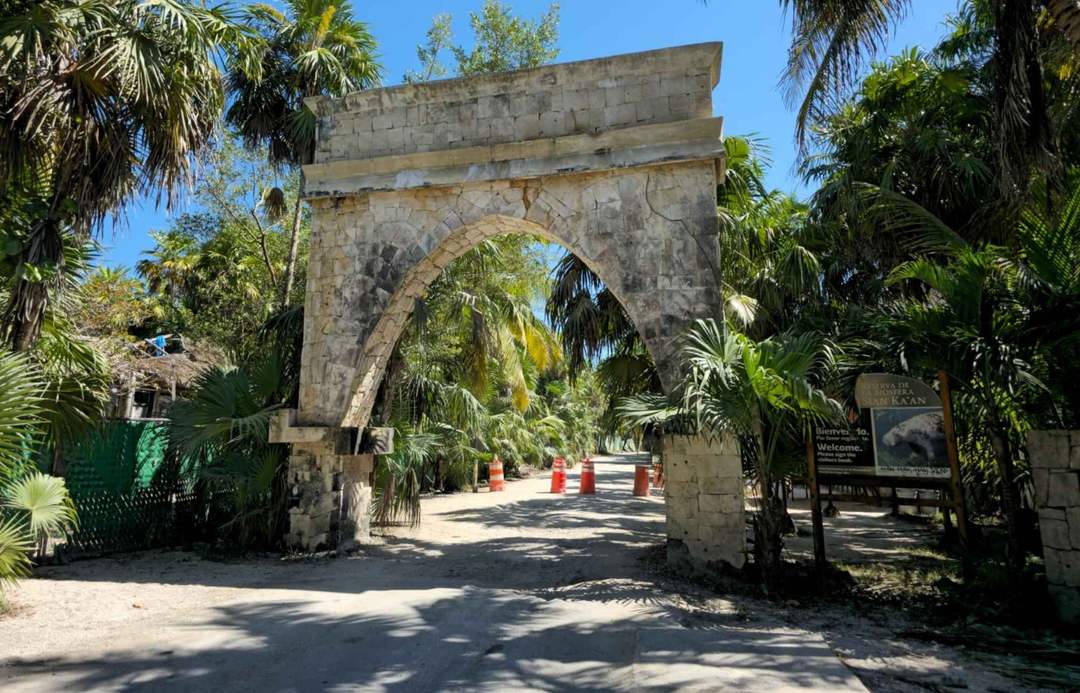
Profepa sealed off land in Sian Ka’an Reserve after forest fires, enforcing a 20-year ban on land use to ensure ecological recovery in Quintana Roo, a key issue for Mexico tourism and conservation.
Tulum’s Feria de Adopción con Causa gives rescued dogs and cats a second chance, promoting responsible pet adoption while uniting the Riviera Maya community around compassion.
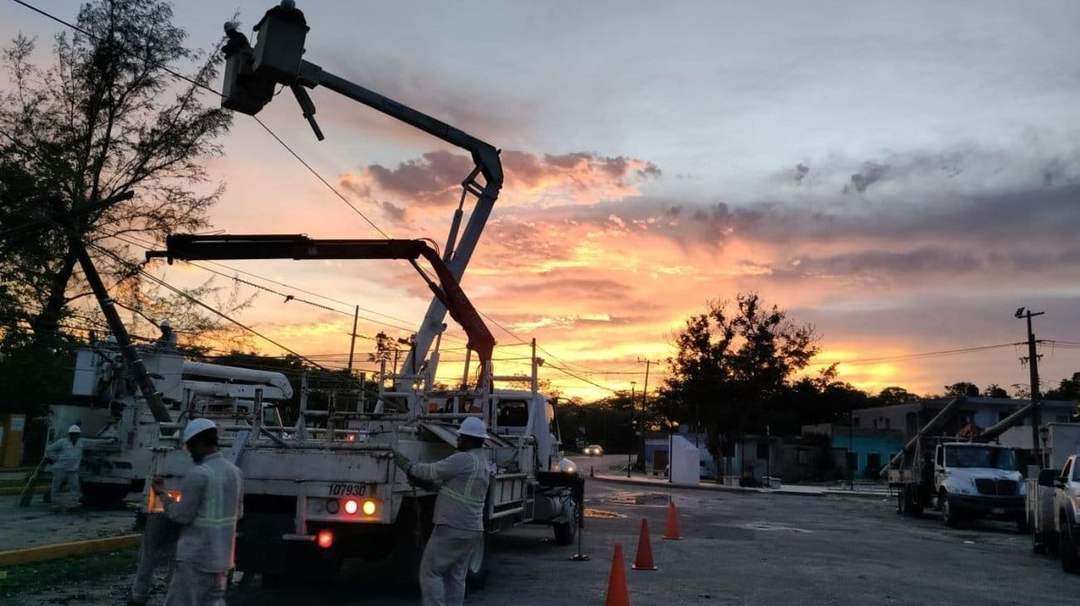
Tulum’s La Veleta faces planned blackouts as CFE upgrades its power grid. Rapid growth and rising demand challenge infrastructure in one of Mexico’s top tourist destinations.
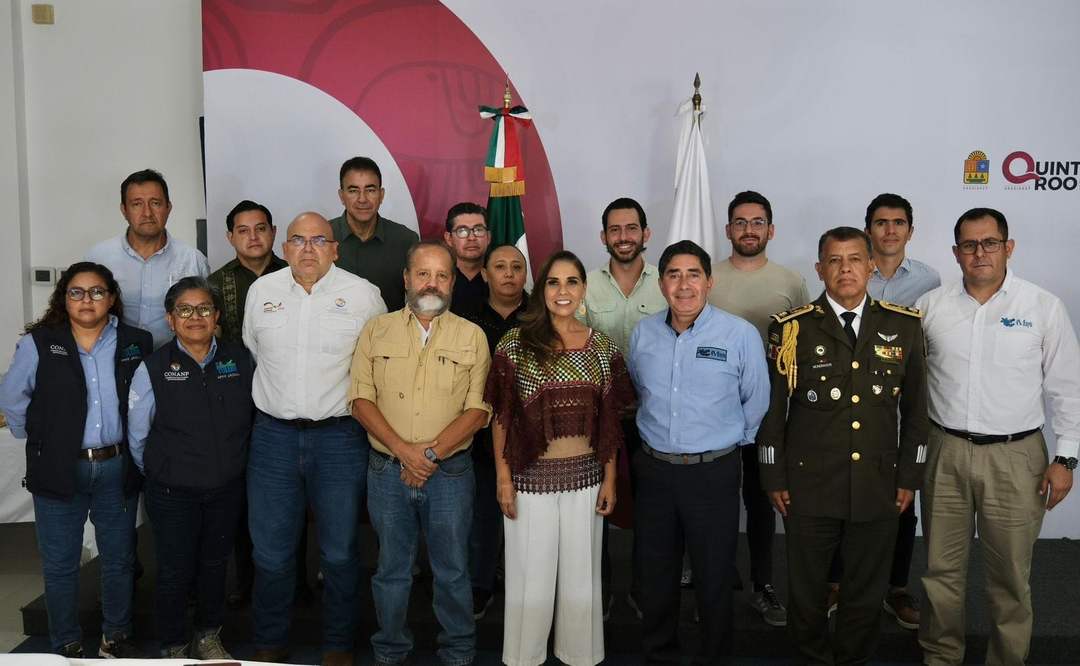
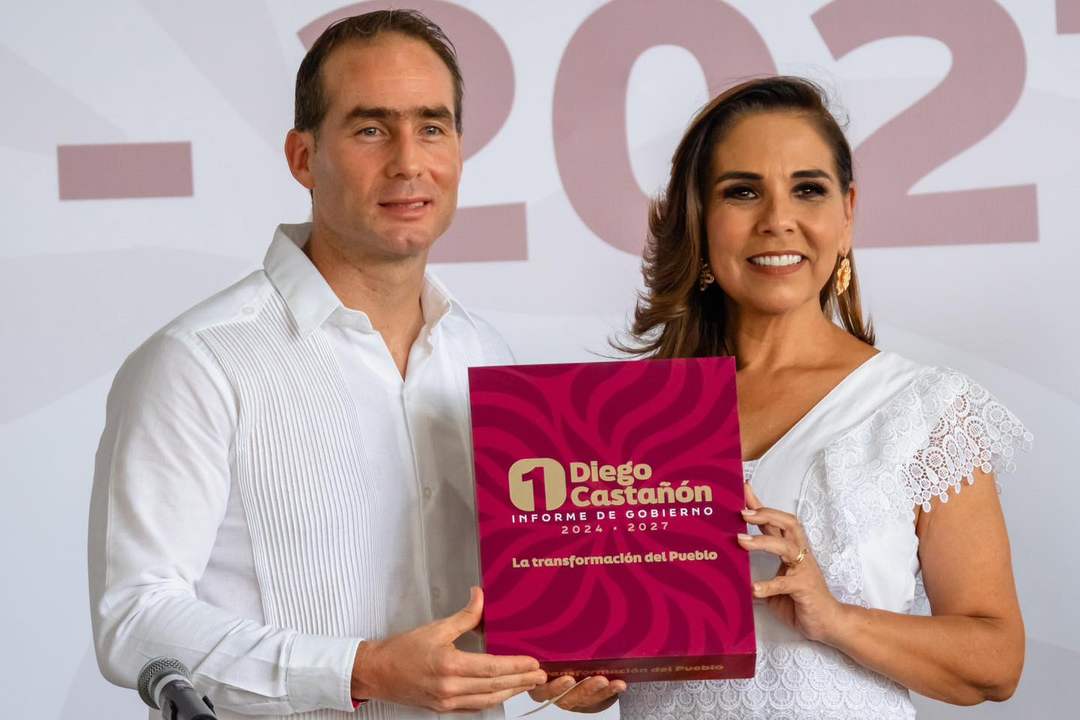
Tulum’s first government report highlights community tourism, Maya inclusion, and a new era of transformation under Mayor Diego Castañón and Governor Mara Lezama.
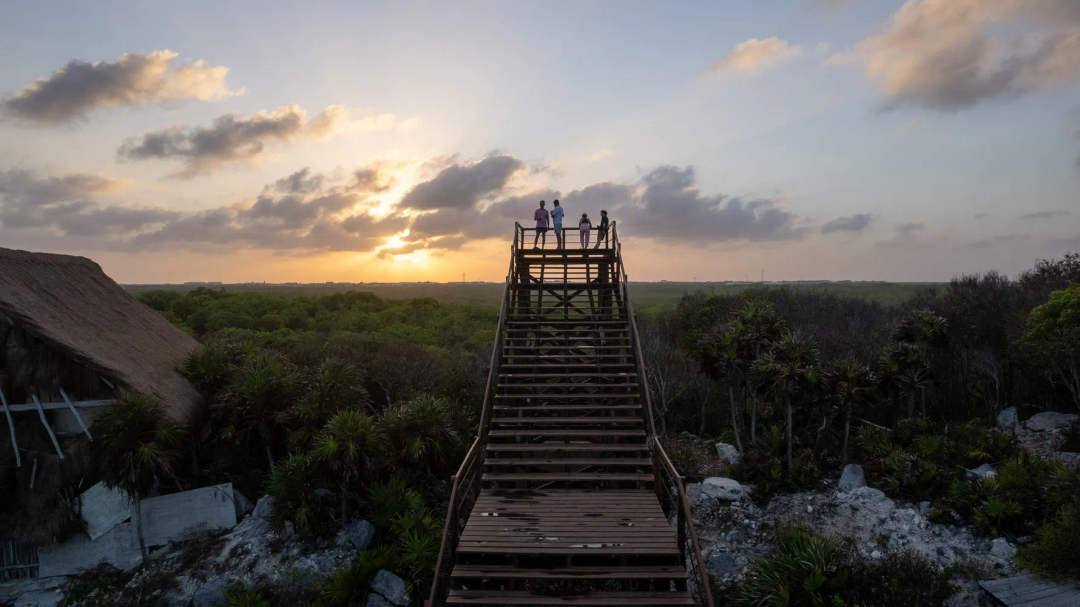
Tulum officials are pushing to open free beach access in Jaguar National Park, aiming to benefit locals and tourists alike while reigniting the local economy in Quintana Roo.
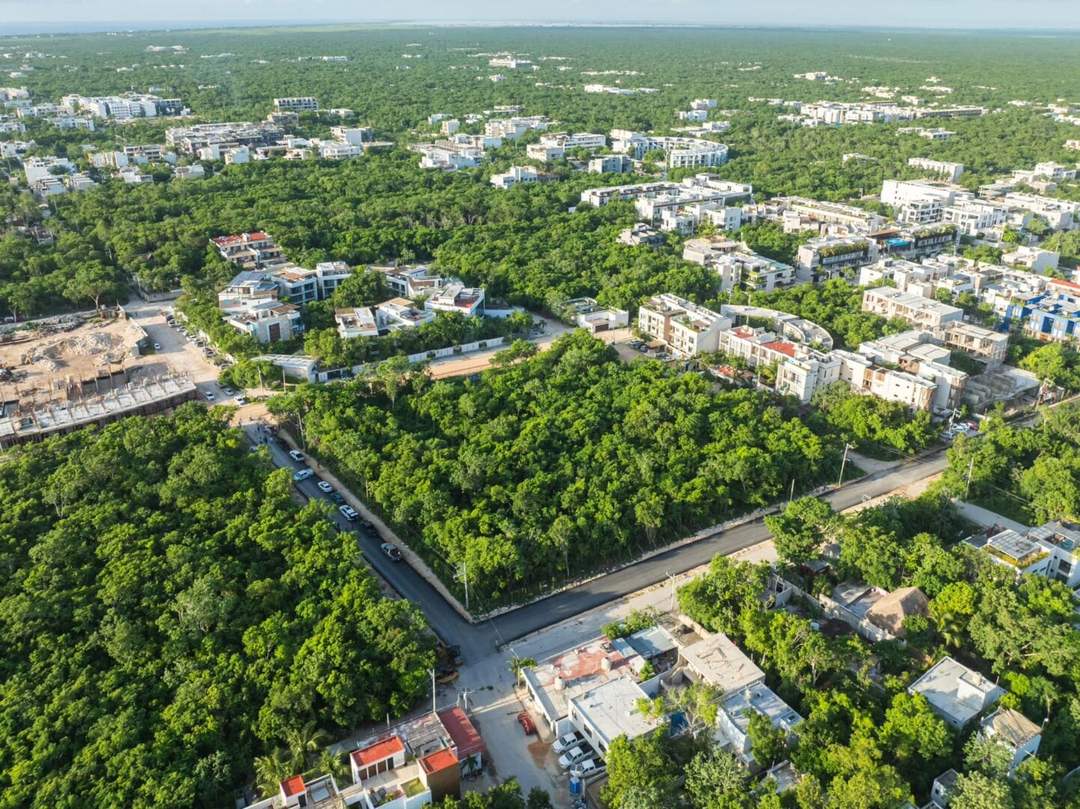
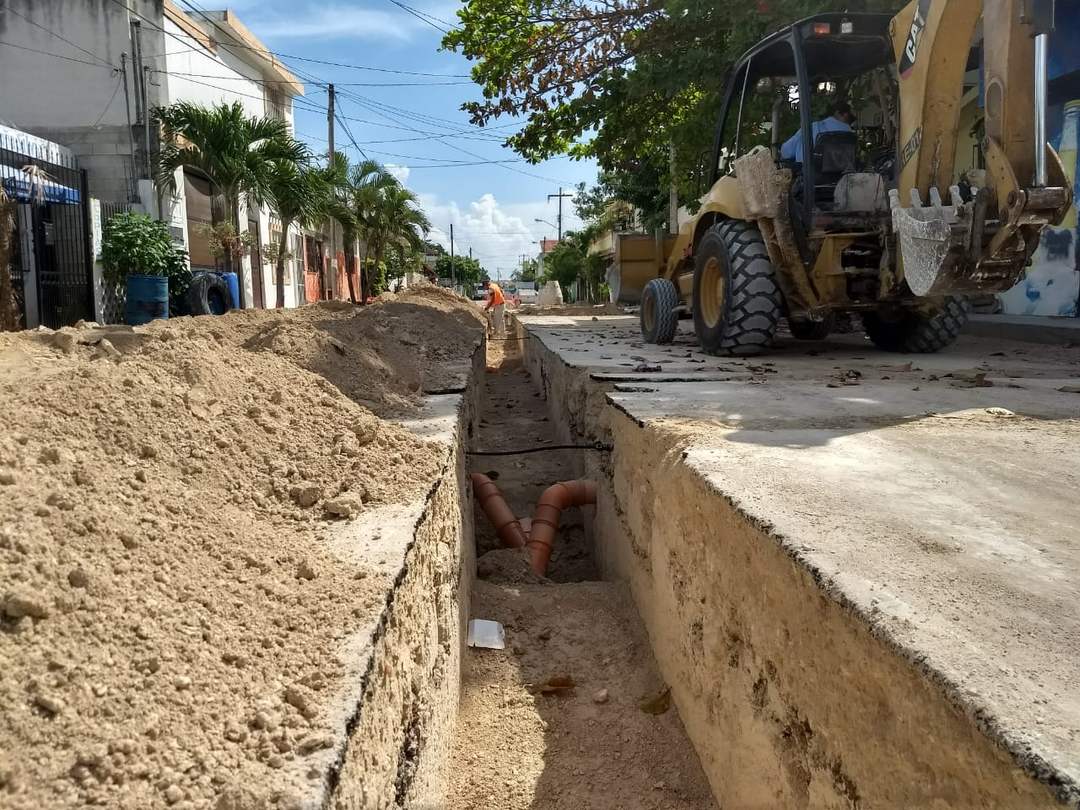
Tulum’s explosive growth is outpacing basic infrastructure, with over half the urban zone lacking sewage—putting the aquifer and the Riviera Maya’s future at serious risk.
In 2025, Tulum’s rental prices dropped by 30%, leaving property owners in crisis. The only way to compete now? Professional exposure—Riviera Maya Residences leads the way.