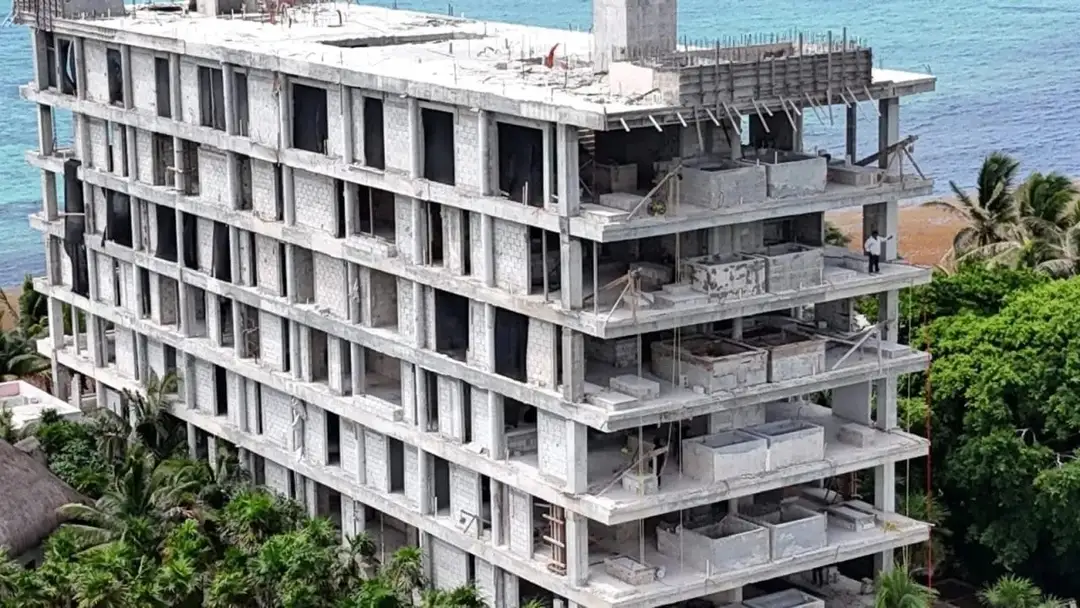
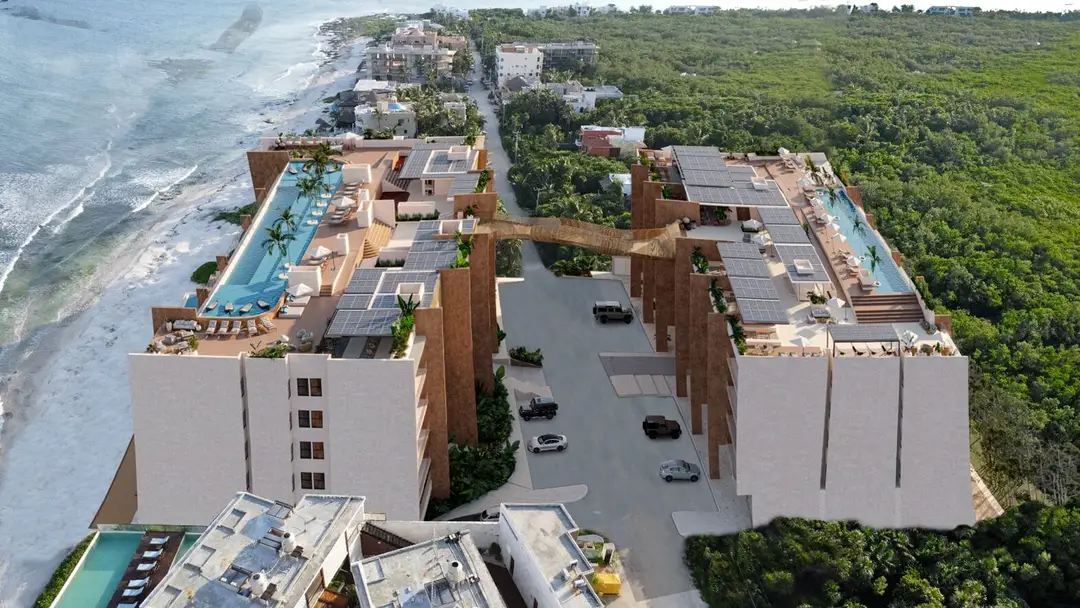
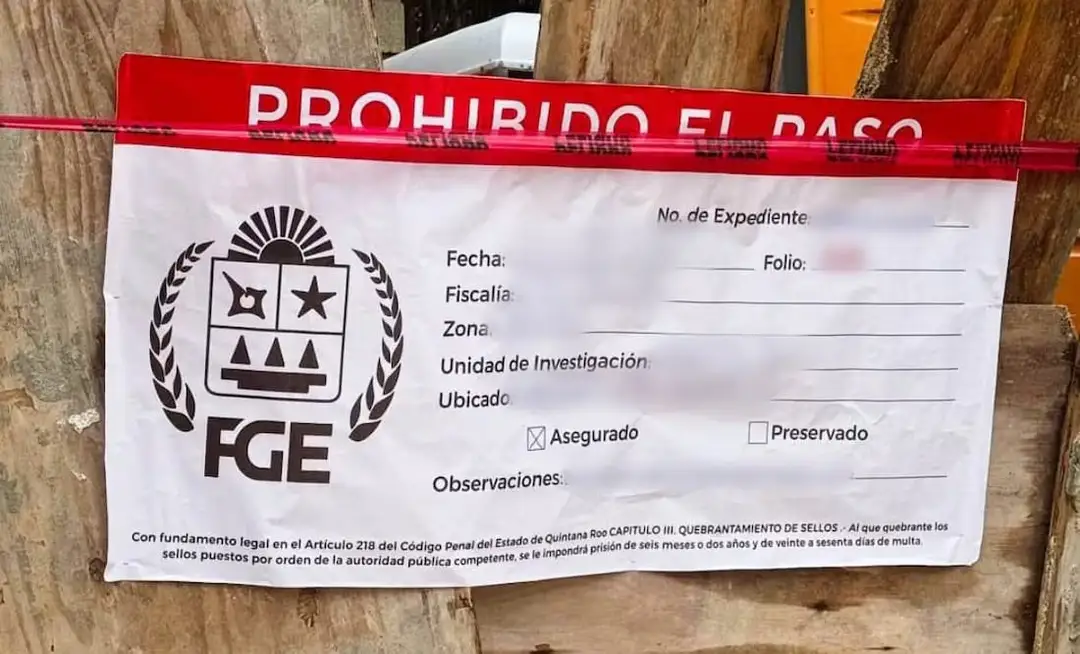
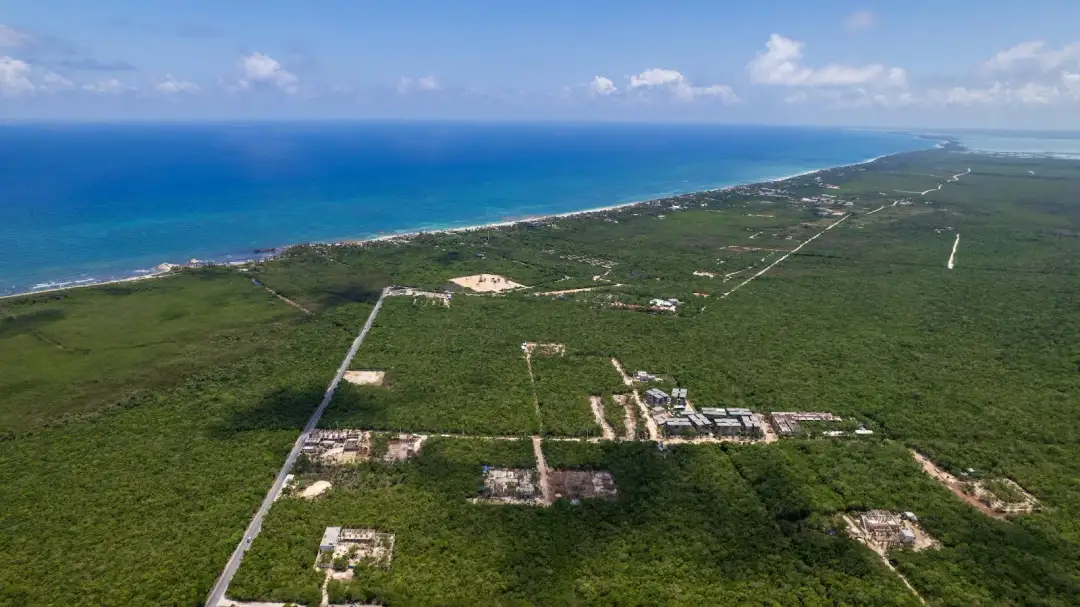
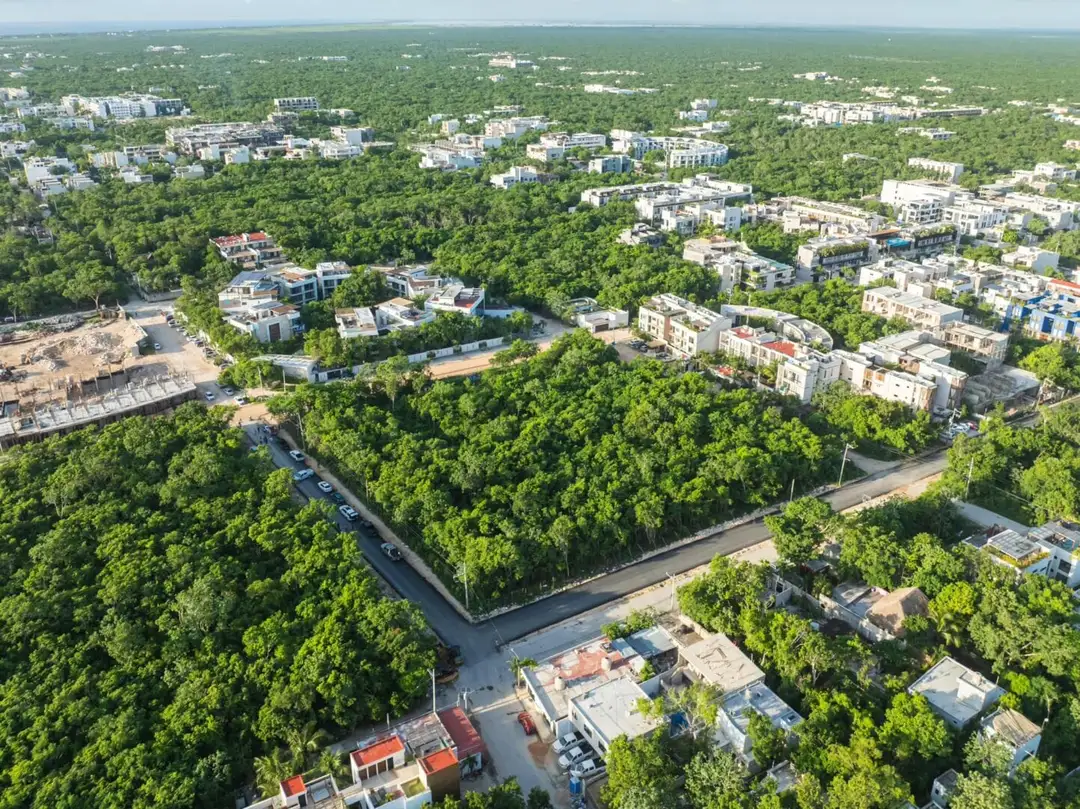
Tulum denied environmental approval for two luxury projects in Tankah IV, after both began construction without permits, triggering legal battles and damage to protected dune ecosystems.
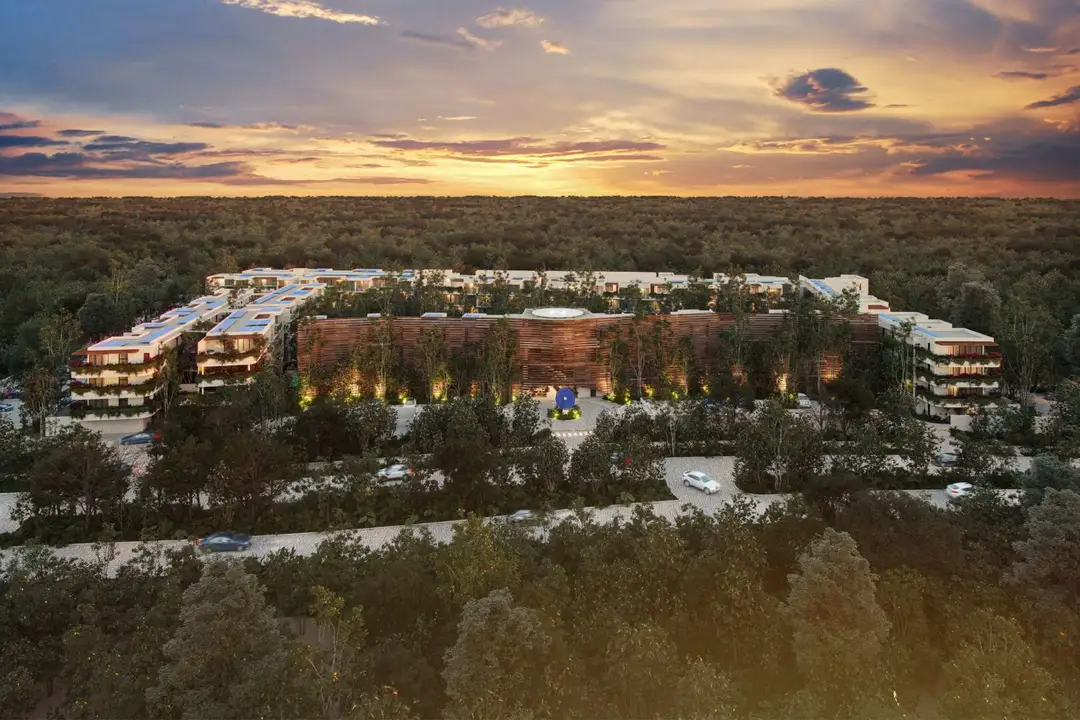
Tulum Bay, a proposed luxury condo project in Tankah IV, has entered environmental review amid concerns over impacts to sensitive ecosystems on Tulum’s rapidly developing coast.
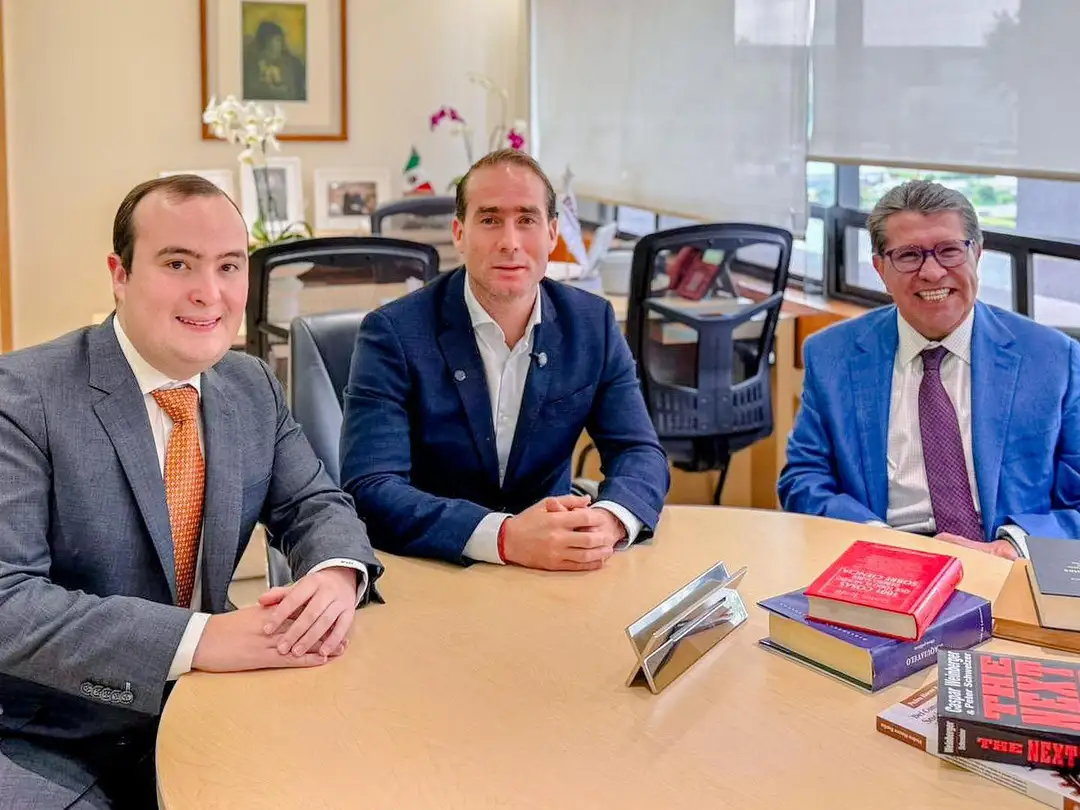
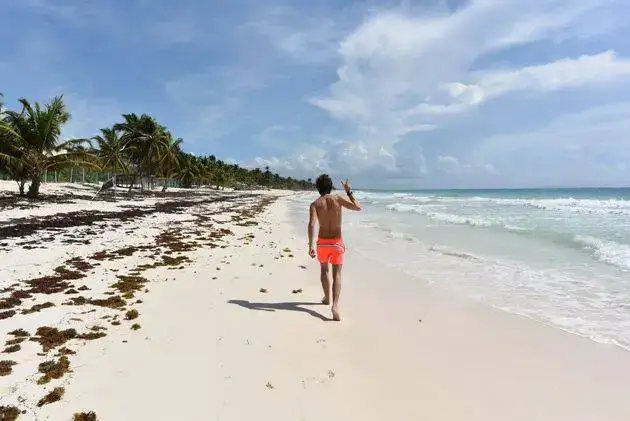
Tulum Mayor Diego Castañón led the push behind a new Mexican law that guarantees free and dignified access to beaches, a historic move with nationwide impact for coastal communities.
Riviera Maya Residences is transforming real estate in Mexico’s Caribbean coast with a local-first platform offering professional listings, visibility tools, and end-to-end property management.
Mexico approved a reform guaranteeing free access to all beaches and protected areas, following a Tulum-led initiative aiming to end private restrictions in Quintana Roo.
Mexico advances a new law for free beach access in protected areas, driven by Tulum’s mayor and supported nationwide. This could reshape tourism and public rights along the coastline.
Tulum approved a short-term loan request of 76 million pesos to address falling tourism revenue and rising service demands, raising questions about its financial future and development model.
Tulum is facing a surge in mosquitoes this September, fueled by rain, humidity, and urban growth. Locals and tourists are adapting — but the jungle isn’t giving in without a fight.
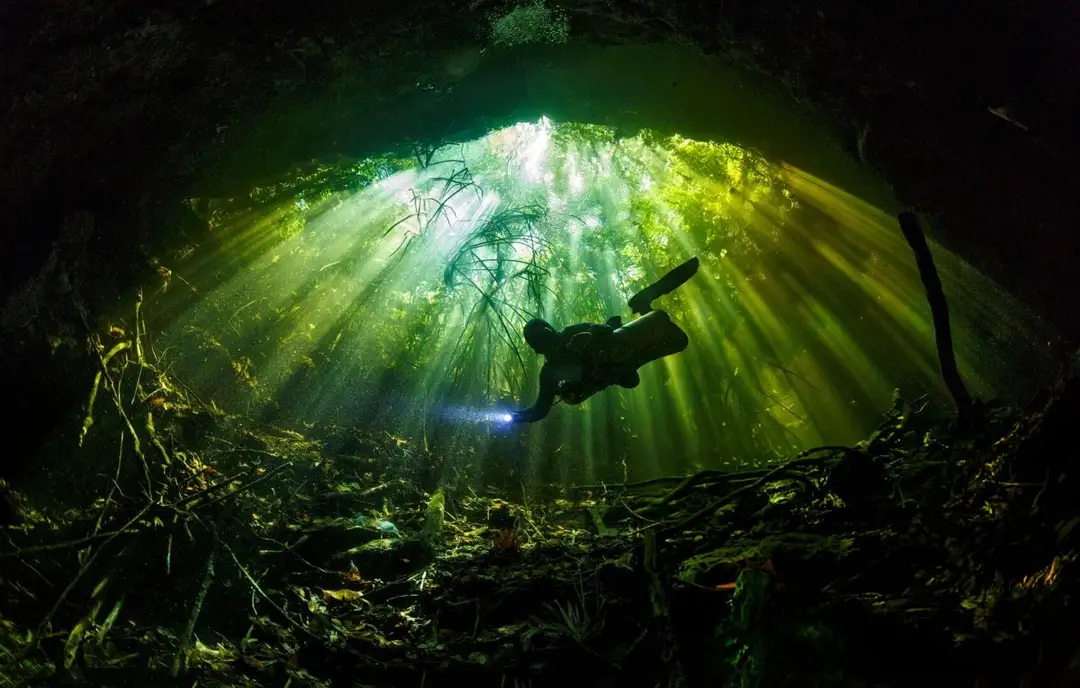
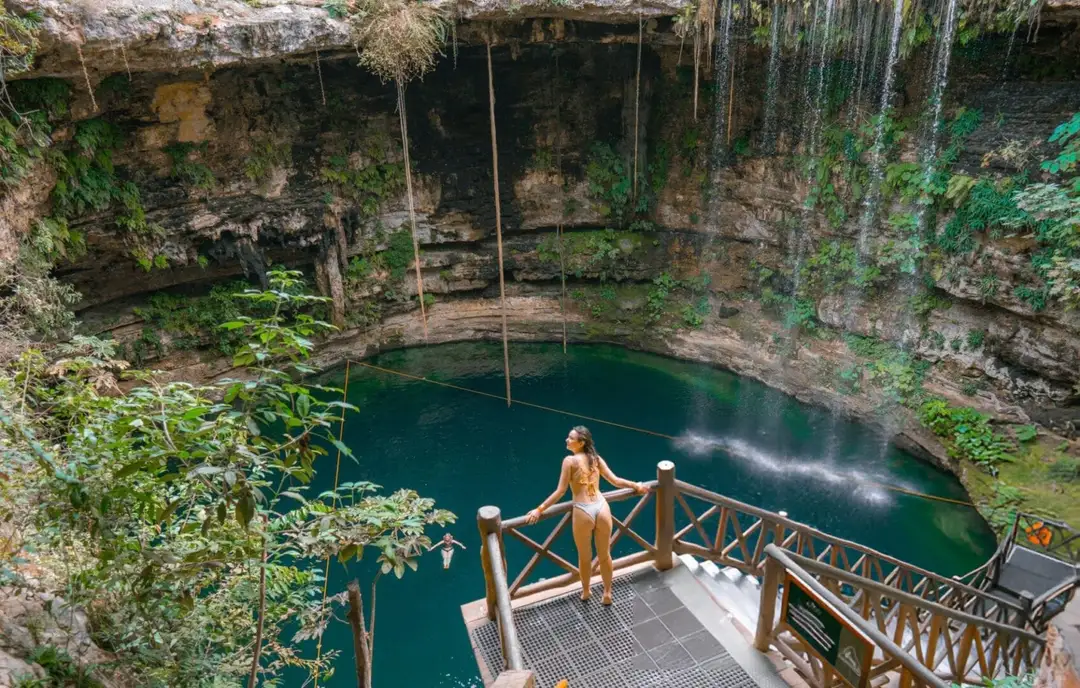
Cenote diving in Tulum reveals a hidden world of underwater caves, Maya history, and geological marvels—making it one of Mexico’s most breathtaking and unforgettable scuba destinations.
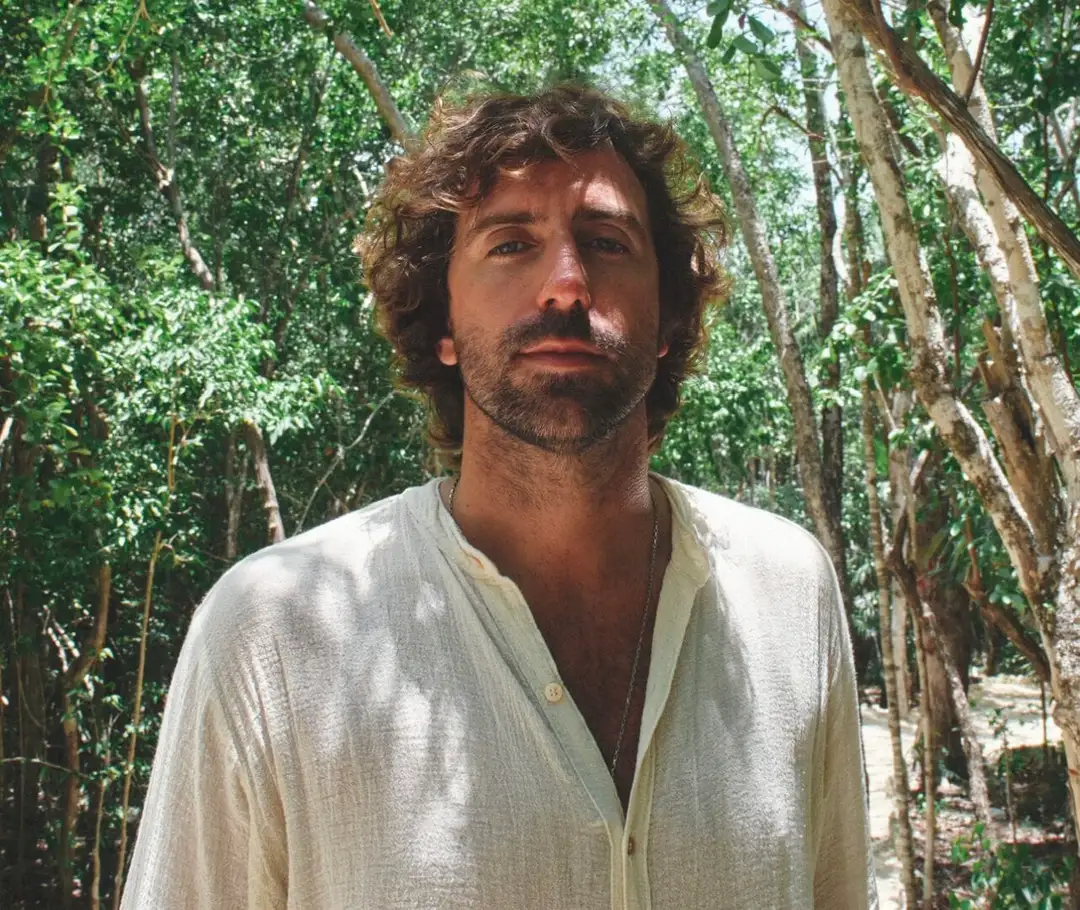
From the family-run cement yards of Argentina to the sacred lands of Tulum, Matías Carosio has never just built structures—he’s built belonging. As a business developer at Grupo Inmobilia and the mind behind transformative projects like Faena Tulum, he is quietly leading a revolution: one where real estate honors the land, connects cultures, and plants seeds for generations to come.
The Adamar development in Tulum’s Tankah IV was halted after a judge’s order, citing environmental violations and lack of permits, sparking debate over coastal preservation in the Riviera Maya.
Tulum authorities list 26 illegal real estate developments, revealing confusion over naming practices and urging buyers to verify legal status before investing in Riviera Maya properties.
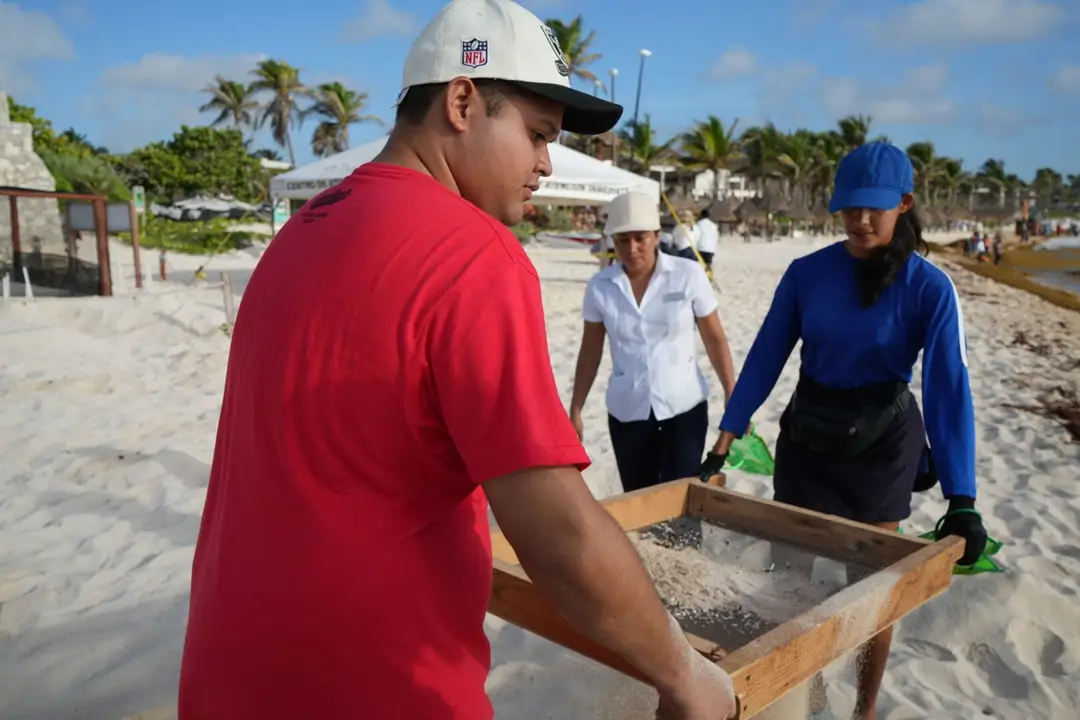
Programa SAK’s latest coastal cleanups in Tulum removed 243 nurdles and exposed troubling waste patterns, highlighting the urgent need for marine conservation in Quintana Roo.
Grupo Piñero invested €2.2 million in 2024 to promote regenerative tourism in Mexico and the Caribbean, protecting marine life, cutting emissions, and expanding water treatment in Riviera Maya.
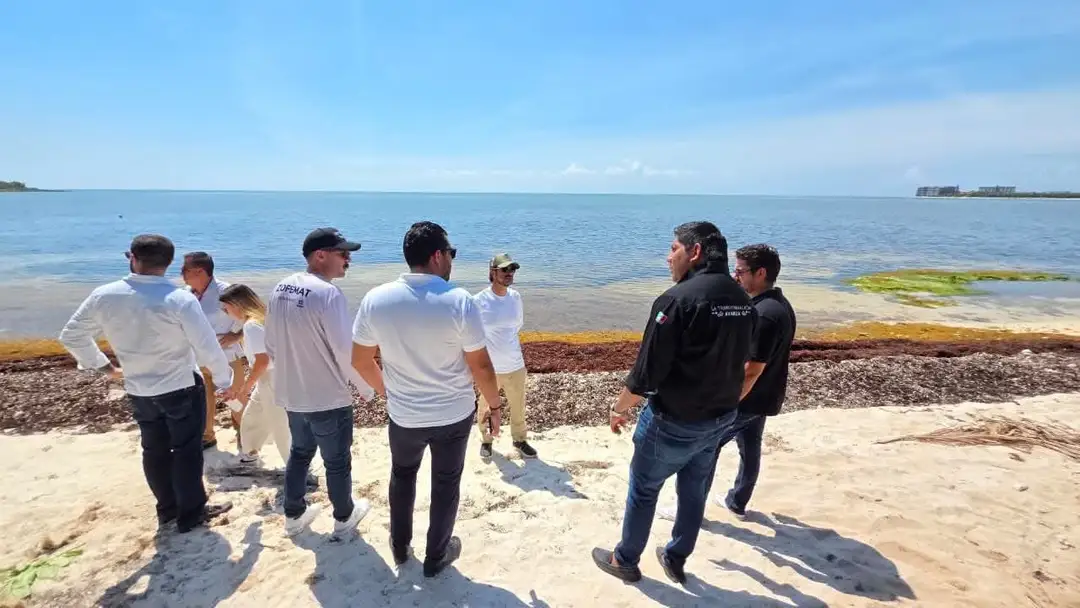
Tulum authorities are inspecting 25 public beach access points amid growing concerns about blocked paths and limited entry, aiming to ensure fair access for locals and tourists.
Playa del Carmen launches Mexico’s first Cenote Corridor, uniting Tulum, Mérida, and more in a bold eco-tourism plan—but can it survive luxury development and environmental threats?
SEDETUS has removed 14 developments from its list of irregular projects in Tulum, confirming full legal compliance. This clears the path for buyers and restores trust in the market.
Tulum’s real estate stays resilient in 2025 thanks to tourism, infrastructure, and demand. But rising regulations and uneven occupancy require strategic investment and full legal compliance.
Tulum’s government and Grupo Mundo Maya unite to ensure public beach access, aiming to protect natural areas like Parque del Jaguar while promoting sustainable tourism in Quintana Roo.