

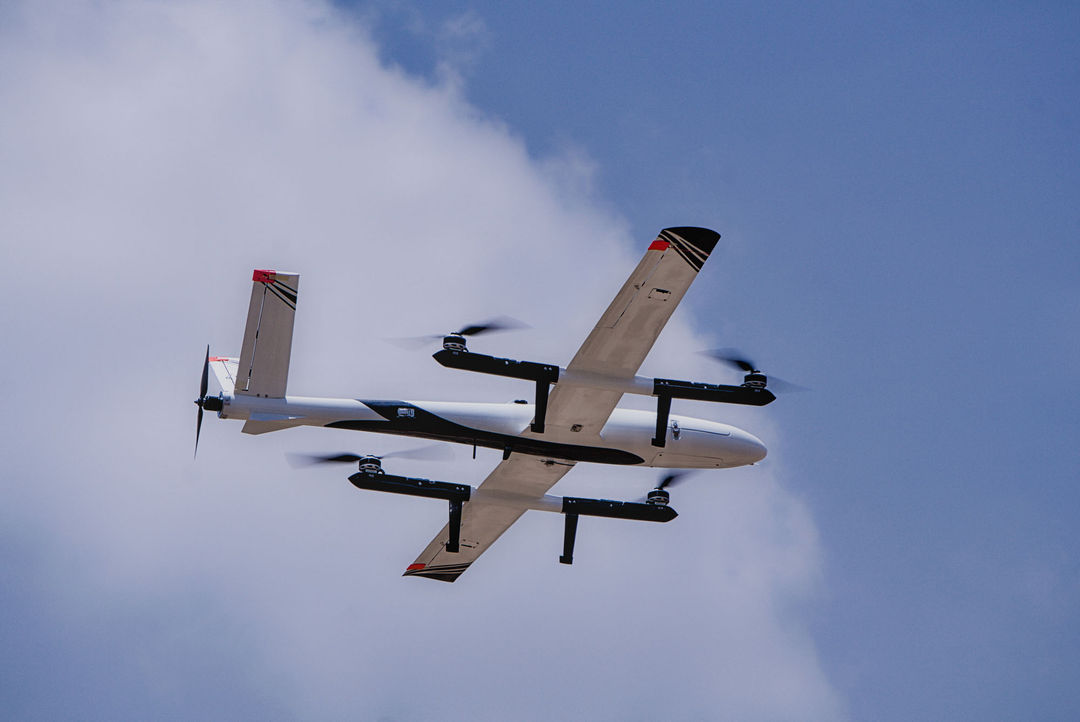
The turquoise horizon of the Mexican Caribbean is preparing to host more than just the roar of traditional turbines this spring. As the Tulum Air Show 2026 descends upon the "Felipe Carrillo Puerto" International Airport, a distinct silhouette is set to capture the attention of industry leaders and defense strategists: the Holom platform of Imago Aerospace. This debut marks a pivotal transition for the Mexican aerospace sector, moving away from its historical role as a manufacturing hub for international conglomerates and toward a future defined by domestic design and advanced industrial sovereignty.
Founded in 2018 in San Luis Potosí, Imago Aerospace represents a new generation of Mexican engineering firms that are bypassing the limitations of traditional fixed-wing aviation. By focusing on VTOL technology, which combines the vertical versatility of a helicopter with the efficient cruise speed of a standard airplane, the company is positioning itself at the center of a logistical revolution. In the context of the Tulum Air Show, organized by the Mexican Aerospace Fair (FAMEX), Imago’s presence is not merely a commercial exhibit; it is a declaration of capability for a nation seeking to solve complex logistical challenges with local intelligence.
The San Luis Potosí Engineering Hub
The trajectory of Imago Aerospace is rooted in the industrial heart of central Mexico. San Luis Potosí, long recognized as a cornerstone of the North American automotive and manufacturing corridor, provided the fertile ground for the company’s early exploration into Advanced Air Mobility (AAM). In its foundational stages, the firm experimented with air taxi concepts, a bold move that allowed its multidisciplinary team to build internal expertise in aerodynamics, flight validation, and the manufacturing of advanced composite materials.
This early R&D phase proved critical. The team, composed of specialists in aeronautical design, structures, and avionics, refined the complex transitions between vertical flight and horizontal cruise, the most challenging aspect of VTOL engineering. While many global startups in this space have faltered during the prototyping phase, Imago's pragmatic focus on industrial and civil applications has provided a clearer path toward operational adoption in markets like Mexico and Latin America, where infrastructure gaps often hinder traditional transport.

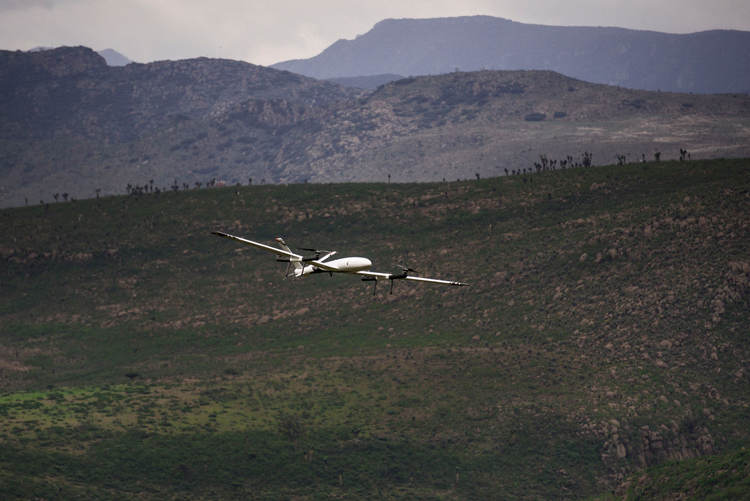
Turix and Holom: The Industrial Workhorses
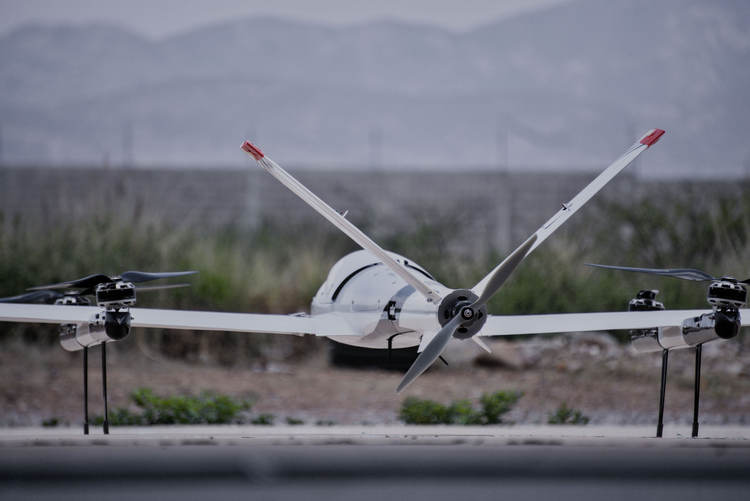
At the center of Imago Aerospace’s portfolio are its two flagship platforms: Turix and Holom. Each serves a distinct segment of the rapidly evolving unmanned aerial vehicle (UAV) market, yet both share a common DNA of Mexican-built reliability and cost-efficiency. However, for its presentation in Tulum, the company will be showcasing only Holom.
Turix is a hybrid VTOL aircraft specifically engineered for critical logistics. In a region like the Yucatán Peninsula, where dense jungle and limited road infrastructure can turn a 100-kilometer delivery into a multi-hour ordeal, Turix offers a surgical solution. Designed for the transport of urgent medical supplies, critical industrial components, and high-value cargo, the platform utilizes a hybrid propulsion system to provide the range and endurance that purely electric drones often struggle to achieve in humid, coastal environments. For the industrial chains supporting the Maya Train or the offshore energy sector in the Gulf of Mexico, Turix represents a significant upgrade in operational flexibility.
Holom, by contrast, is a 100% electric VTOL designed for multi-purpose surveillance and mapping. Its silent propulsion and advanced optical payloads make it an ideal candidate for environmental monitoring, a task of increasing urgency in Quintana Roo. As local authorities and researchers from institutions like Ecosur work to track sargassum movements and monitor the health of the Mesoamerican Reef, Holom provides a persistent, low-impact eye in the sky. Beyond environmental protection, the platform is being positioned for infrastructure inspection in the mining and energy sectors, where its ability to hover for detailed analysis and then transit quickly between sites offers a massive efficiency gain over traditional methods.
The Minds Behind the Machines
The leadership of Imago Aerospace reflects a calculated blend of business acumen and technical depth. Francisco de la Rosa Carpizo and Pedro Gabay bring a background in management and high-impact social initiatives, providing the strategic framework necessary to navigate the capital-intensive aerospace industry. However, it is the technical direction of Luis Zárate Vilet that anchors the company’s engineering credibility.
With a background in computer engineering and specialized studies in aeronautical systems from France, Zárate Vilet has led the team through the rigorous validation processes required for flight safety. This combination of European-standard education and Mexican industrial grit has allowed Imago to develop everything from flight control laws to structural integration in-house. The result is a technology stack that is not only "Made in Mexico" but designed specifically for the unique geographical and economic realities of the region.
A Strategic Debut in the Caribbean
The participation of Imago Aerospace in the Tulum Air Show 2026, held from April 23 to 26, is a calculated strategic move. FAMEX 2026 is designed to showcase Mexico’s aerospace maturity to an international audience, and the inclusion of domestic VTOL developers is a key part of that narrative. By exhibiting at the Tulum International Airport, Imago is placing its technology in front of the very stakeholders who need it most: logistics firms navigating Caribbean trade routes, government agencies managing regional security, and environmental organizations protecting the biosphere.

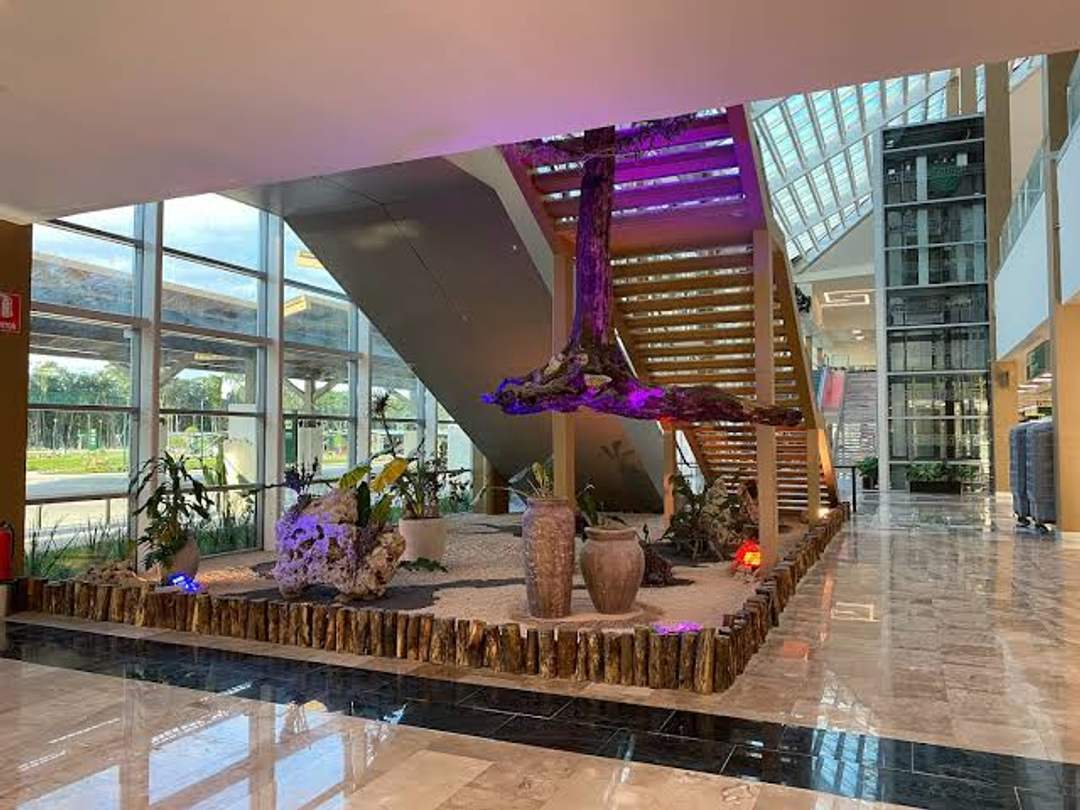
The "Felipe Carrillo Puerto" airport, itself a symbol of Mexico's recent infrastructural expansion, serves as the perfect backdrop for this unveiling. As the aerospace fair bridges the gap between commercial aviation and military technology, Imago occupies a unique middle ground, providing industrial solutions that are accessible to the civil sector.
The Path Forward: From Prototype to Commercial Scale
Currently, Imago Aerospace is navigating the transition from a technology developer to a commercial-scale manufacturer. The years spent in the "Dragon Fly" prototype phase and the subsequent refinement of the Turix and Holom models have built a foundation of flight hours and structural data that many competitors lack. The company’s focus is now on strengthening its manufacturing capabilities in San Luis Potosí and securing the necessary operational certifications to begin full-scale deployment in 2026.
As the turbines quiet down each evening at the Tulum Air Show, the conversation among attendees is increasingly focused on what comes next. In the hangars and exhibition tents, it is clear that the future of the Mexican sky will not be written solely by the giants of the past. Companies like Imago Aerospace are proving that with the right combination of engineering discipline and regional focus, Mexico is more than ready to design its own way forward.
Visitors to the Tulum Air Show can find the Imago Aerospace exhibition in the primary commercial zone at the Military Air Base No. 12, where the team will be providing technical briefings on the Holom platform throughout the four-day event.
How do you believe VTOL technology will transform the logistics landscape of the Mexican Caribbean? Join the conversation and share your perspective with us on Instagram and Facebook at @thetulumtimes.
The Tulum Times · Newsletter
The story continues in your inbox.
Essential Tulum news and local insight, a few times a week. Free.
No spam · Unsubscribe anytime · 100% free
Transportation in Tulum: Taxi, Bus, Transfers, and Mobility
Taxi fares, buses, transfers, road changes, mobility updates, and practical transport guidance for Tulum.
Support The Tulum Times
Independent journalism takes time and resources. If you found this article valuable, consider supporting our work!
Buy us a taco 🌮“The best journalists reporting from paradise, highlighting the heroes that keep Tulum the most beautiful place in the world! THANK YOU!”


