
Governor Mara Lezama confirmed that Quintana Roo's specialized Grupo Centurión is leading a Tulum extortion investigation, after merchants accused public officials, not only criminal groups, of demanding payments to operate.
She spoke on July 17 at President Claudia Sheinbaum's daily morning news conference, where reporters pressed her on complaints from Tulum business owners who say some extortion in the destination now comes from inside local government.
The accusations arrive as Tulum, the Riviera Maya's marquee destination, contends with a tourism slowdown and rising public frustration. They also move the extortion debate toward the state itself, raising the stakes for an administration that has built much of its security message around fighting the crime.
Grupo Centurión takes over the Tulum extortion investigation
Lezama described Grupo Centurión as a specialized team of security and prosecution authorities created to investigate extortion. She said it is now handling the Tulum reports directly.
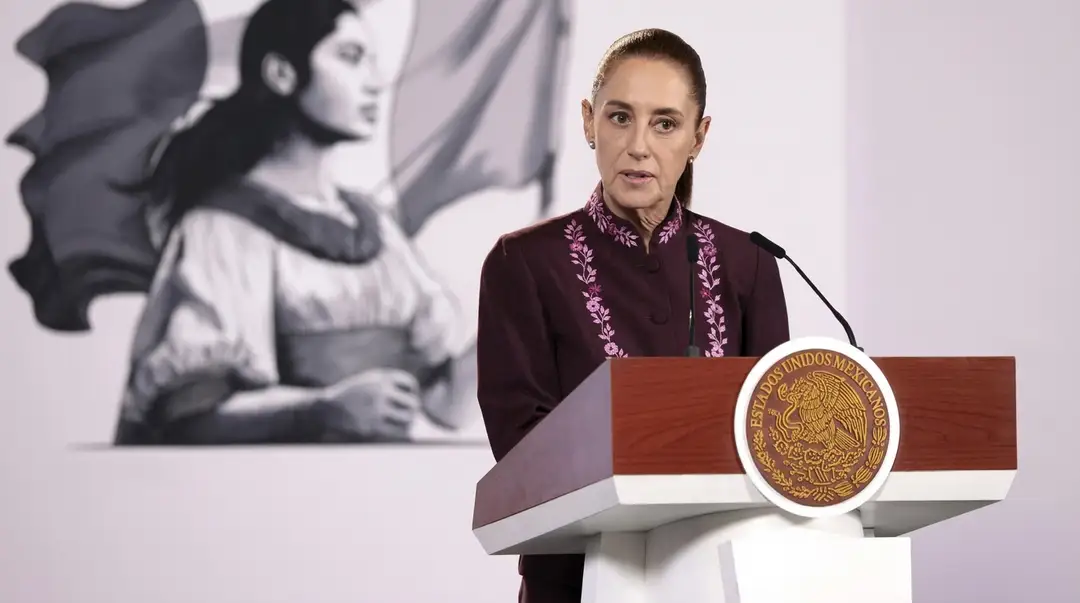
"When there is any kind of complaint or extortion in any crime, we investigate, and for that we have a large team on extortion, for example Grupo Centurión, which is specifically in charge of it," the governor said.
According to Lezama, no formal complaint has been filed with authorities so far. She said the investigation is proceeding through the collection of testimony and verification of facts, to determine whether there are enough elements to establish a crime.
"We are investigating it in detail with experts from Grupo Centurión. If there is a crime, we are the first to make sure the law is applied," she said.
A health official removed as a preventive measure
The state health secretariat separated Emigdio Morales Mezquita from his post in Tulum's sanitary risk protection area on July 16, a day before the governor's remarks. The removal was described as a preventive administrative measure meant to protect the impartiality of the inquiry.
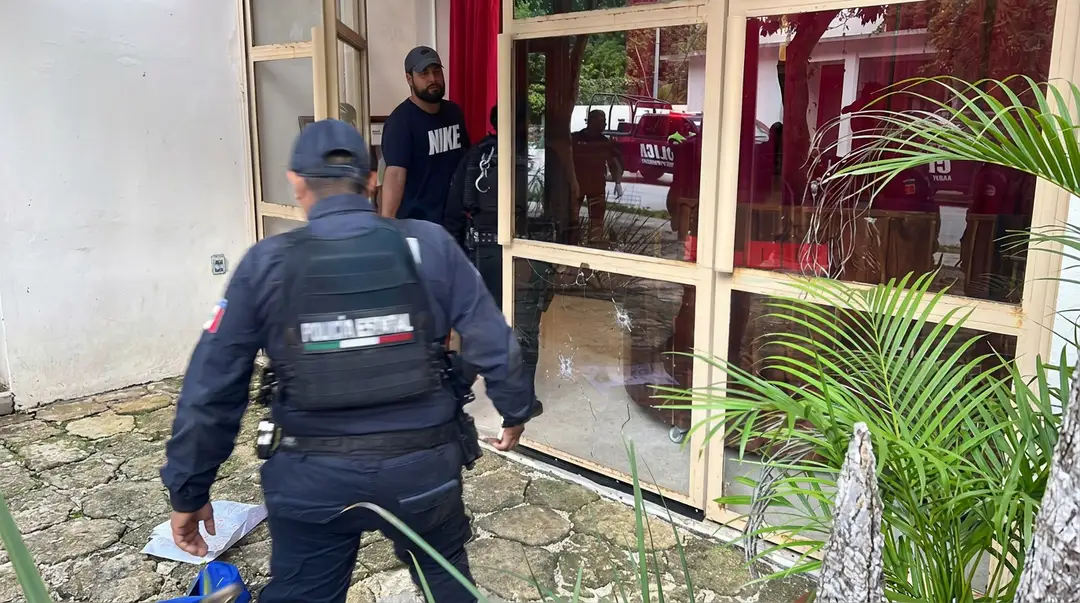
Business owners and hotel operators have alleged that Morales Mezquita presented himself as a federal Cofepris delegate and coordinated inspectors who tied enforcement to money. According to those accounts, inspectors would flag issues such as water quality or missing paperwork, then offer to avoid sanctions in exchange for periodic payments.
Some of the complaints reportedly stretch back about three years, and a few accounts cited by local outlets place the pattern over an even longer period. None of the allegations has been proven, and Morales Mezquita has not been charged or named in a formal proceeding.
How merchants describe the alleged scheme
The reports from Tulum's commercial sector share a common thread. Inspections, permits, and health checks became leverage, business owners say, with the outcome depending on whether an operator agreed to pay.
For a destination that lives on tourism, the claims cut deep. Hoteliers and restaurateurs describe a climate in which routine compliance turned into a recurring cost, layered on top of the sargasso influx and softer visitor numbers already squeezing margins.
That backdrop helps explain why local grievances reached the national stage. Complaints that once circulated on social media and in the local press were put to the governor at the country's most-watched daily briefing, a sign of how far the discontent in Tulum has traveled.
The Norwegian consul case as a reference point
Lezama pointed to a recent case to illustrate how her government says it acts once evidence exists. A Norwegian consul had reported the alleged extortion of a citizen of that country by transit officers in the state.
The governor said investigators reviewed hours of video, identified those responsible, and detained them. "Everything was completely proven," she said.
She used the example to argue that accusations move forward when they can be documented, and to signal that the Tulum reports will be measured against the same standard.
A political backdrop and what comes next
Lezama acknowledged a tense political climate in Quintana Roo that, she said, has produced a wave of public accusations. For that reason, she insisted, every claim must be corroborated before any criminal action.
She was firm on the principle at stake. "No hint of corruption can be tolerated. We are verifying the accounts, and if there is extortion, responsibilities must be established," she said.
The pressure is not only local. President Sheinbaum has signaled she will travel to Tulum to address the wave of complaints, according to national and regional media reports, placing the destination's troubles on the federal agenda.
The governor added that other complaints against public servants are also under review, with investigators working to gather enough evidence so cases are not dismissed for lack of proof. Her stated policy is to separate any publicly named official from duty while inquiries continue, in the name of impartiality.
For now, the Tulum case rests on testimony rather than a formal complaint. Whether it produces charges will depend on what Grupo Centurión can document, and on whether the business owners who spoke publicly are willing to put their accounts on the record.
Should officials accused of extortion in Tulum be removed before a formal complaint is filed? Join the conversation and share your perspective with us on Instagram and Facebook at @thetulumtimes.

The Tulum Times · Newsletter
The story continues in your inbox.
Essential Tulum news and local insight, a few times a week. Free.
No spam. Unsubscribe anytime.
Tulum Safety, Crime Context, and Traveler Risk
Context-driven reporting and practical safety coverage for residents, travelers, transport, nightlife, and public alerts.

“The best journalists reporting from paradise, highlighting the heroes that keep Tulum the most beautiful place in the world! THANK YOU!”