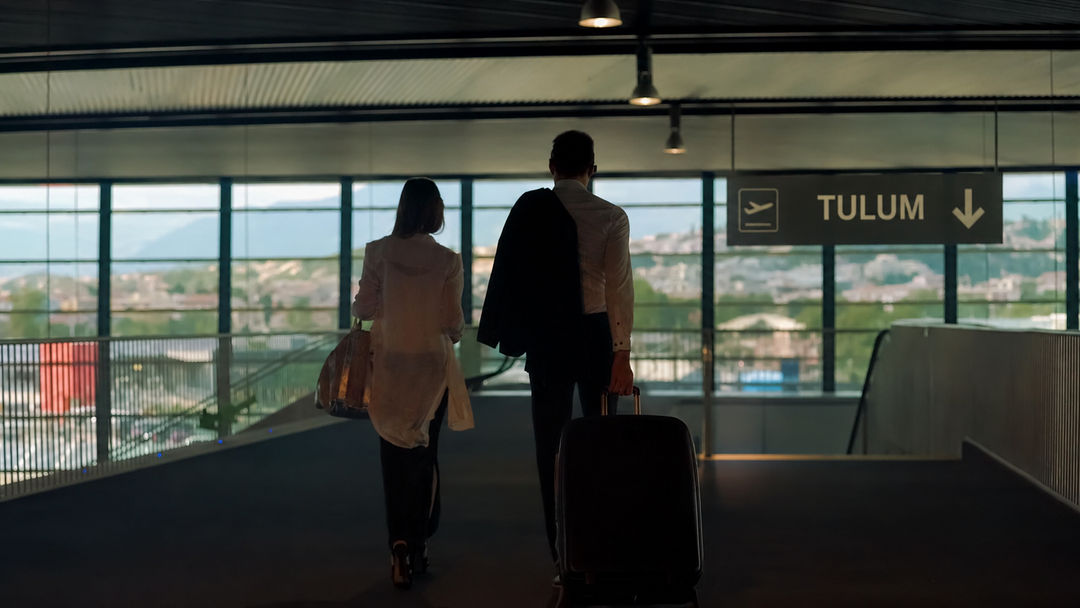
Si pasas suficiente tiempo en Tulum en estos días, empiezas a notar un tema recurrente en las conversaciones locales. Aparece en oficinas de bienes raíces, cafés, restaurantes, espacios de coworking y grupos de WhatsApp. Los detalles varían, pero la conclusión suele ser la misma: algo ha cambiado, y muchas personas están inquietas.
El turismo es más débil que en los años extraordinarios posteriores a la pandemia. Las transacciones de bienes raíces tardan más en cerrarse. Los rendimientos de renta son menores a los que muchos inversionistas esperaban. Algunos negocios que se expandieron agresivamente durante el auge ahora descubren que la demanda ya no es infinita. El ambiente, aunque lejos de ser pesimista, es ciertamente más cauteloso que hace tres o cuatro años.
Ninguna de estas observaciones es incorrecta. Tulum indudablemente está experimentando una corrección después de uno de los ciclos de crecimiento más notables de su historia. El problema es que muchas personas interpretan esta corrección como evidencia de que algo ha salido fundamentalmente mal. Asumen que el futuro del pueblo depende de recrear las condiciones que existieron entre aproximadamente 2020 y 2023, cuando el turismo internacional explotó, los valores de las propiedades se dispararon, y el capital parecía llegar más rápido de lo que la economía local podía absorber.
No estoy convencido de que esta sea la forma correcta de pensar lo que está sucediendo.
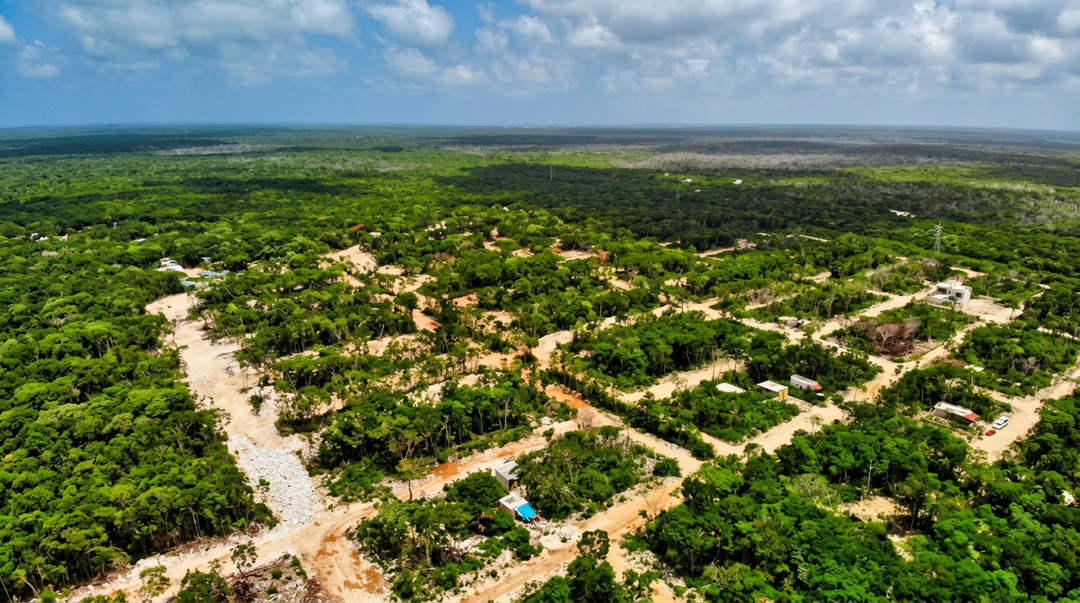
Las fuerzas que modelan el futuro de Tulum no están en Quintana Roo
De hecho, cada vez sospecho más que las fuerzas más importantes que modelan el futuro de Tulum no se encuentran en Quintana Roo en absoluto. Están emergiendo en Estados Unidos, Canadá y Europa Occidental, donde una combinación de disrupción tecnológica, aumento del costo de vida, cambios en los patrones de trabajo e incertidumbre económica creciente está comenzando a alterar la forma en que millones de profesionales piensan sobre dónde viven y por qué.
Si eso suena como un lugar extraño para comenzar una conversación sobre Tulum, considera esto: el próximo capítulo de este pueblo puede tener menos que ver con el turismo y más con la migración.
No migración impulsada por la pobreza, el conflicto o la desesperación, sino migración impulsada por la búsqueda de resiliencia.
Por qué las ciudades caras dejaron de ser rentables
Durante la mayor parte del último medio siglo, la lógica económica de los países desarrollados era relativamente directa. Si querías las mejores oportunidades, te mudabas a los lugares donde esas oportunidades estaban concentradas. Nueva York, San Francisco, Londres, Toronto, Boston, Seattle, Ámsterdam, estas ciudades ordenaban primas enormes porque proporcionaban acceso a empleadores, clientes, redes e industrias que justificaban el costo de vida allí.

Las personas toleraban vivienda cara porque los salarios eran más altos. Aceptaban viajes largos porque las carreras avanzaban más rápido. La relación entre sacrificio y recompensa se sentía lógica.
Hoy esa relación está comenzando a cambiar.
El auge del trabajo remoto fue la primera indicación de que la geografía podría importar menos que antes. La inteligencia artificial puede ser la segunda. A pesar de los titulares dramáticos, la IA es poco probable que cree desempleo masivo a corto plazo. Lo que ya está creando, sin embargo, es algo más sutil y potencialmente más significativo: incertidumbre.
Un número creciente de profesionales descubre que sus ingresos se están volviendo menos predecibles precisamente en el momento en que el costo de mantener la vida en las grandes ciudades continúa aumentando. Incluso los individuos que siguen cómodamente empleados son cada vez más conscientes de que el margen entre seguridad financiera y estrés financiero es más estrecho de lo que parecía hace solo algunos años.
Cuando las personas comienzan a sentir esa presión, empiezan a hacer preguntas diferentes. Si el trabajo puede realizarse desde casi cualquier lugar, ¿por qué permanecer en uno de los lugares más caros de la tierra? ¿Por qué gastar una porción sustancial de tus ingresos simplemente manteniendo una dirección? ¿Por qué no buscar un lugar que ofrezca un mejor equilibrio entre costo, calidad de vida y oportunidad?
Aquí es donde lugares como Tulum entran en la conversación, no como destinos turísticos, sino como alternativas prácticas.
La próxima ola no se verá como la anterior
Durante años, las discusiones sobre extranjeros mudándose a Tulum fueron dominadas por un elenco bastante predecible de personajes. El nómada digital. El empresario de criptomonedas. El influencer. El inversionista de lujo. La persona buscando una versión amigable para Instagram del paraíso.
Esas personas ciertamente existieron, y algunas todavía lo hacen. Pero sospecho que representarán una parte más pequeña de la próxima ola de lo que muchas personas esperan.
Los individuos que pueden moldear el futuro de Tulum probablemente sean profesionales en sus treinta, cuarenta y cincuenta años. Son desarrolladores de software, consultores, arquitectos, diseñadores, investigadores, empresarios, empleados remotos y dueños de pequeños negocios. Muchos de ellos nunca planearon mudarse a México. Muchos pasaron años construyendo carreras en ciudades que asumían que nunca abandonarían.
Lo que ha cambiado no es su ambición. Es su cálculo.
Están comenzando a darse cuenta de que reducir los gastos anuales por treinta o cuarenta mil dólares puede tener el mismo impacto financiero que recibir una promoción sustancial. Están descubriendo que la calidad de vida importa más cuando la incertidumbre profesional aumenta.
El punto clave es que estas personas no son turistas.
Y esa distinción importa enormemente.
Los residentes construyen ecosistemas que los turistas nunca tocan
Los turistas consumen destinos. Los residentes ayudan a construirlos. Un turista visita un restaurante una vez. Un residente se convierte en cliente habitual. Un turista reserva un tour. Un residente contrata un contador, se une a un gimnasio, encuentra un doctor, inscribe a un hijo en la escuela, apoya negocios locales, asiste a eventos comunitarios y participa en la vida cívica.
El turismo genera ingresos, pero la residencia genera ecosistemas.
Las ciudades más fuertes del mundo rara vez son aquellas con el número más alto de visitantes. Son las ciudades que logran convertir visitantes en participantes.
Esta es una de las razones por las que Playa del Carmen evolucionó como lo hizo. El crecimiento de la ciudad no fue impulsado únicamente por el turismo. Fue impulsado por la emergencia gradual de una población permanente que requería hospitales, escuelas, servicios profesionales, actividades culturales e infraestructura comunitaria.
Tulum puede ahora estar aproximándose a un momento similar.
Irónicamente, algunas de las condiciones que actualmente preocupan a los dueños de negocios locales pueden en realidad apoyar esta transición. El inventario excedente puede convertirse en vivienda para profesionales remotos. Los precios más débiles pueden permitir que el mercado se reconecte con la demanda real. Un ritmo más lento de crecimiento puede crear espacio para formas más sostenibles de desarrollo y construcción comunitaria.
Una corrección que puede no significar declive
Nada de esto significa que el turismo ya no sea importante. Todo lo contrario. El turismo seguirá siendo uno de los pilares centrales de la economía de la Riviera Maya. Lo que puede cambiar es la relación entre turismo y residencia.
Cada vez más, la línea que separa los dos se está difuminando. Alguien llega por dos semanas, regresa por dos meses, luego decide quedarse un año. Lo que comienza como turismo gradualmente se convierte en reubicación. Lo que comienza como curiosidad eventualmente se convierte en compromiso.
El futuro puede pertenecerá los destinos que entienden esta evolución antes que todos los demás.
El turismo es inherentemente cíclico. Una comunidad construida exclusivamente alrededor del turismo siempre será vulnerable a las fluctuaciones de la economía global. Una comunidad apoyada por residentes es diferente.
Los residentes proporcionan continuidad. Crean demanda a lo largo del año en lugar de solo durante las temporadas altas. Apoyan negocios que los turistas rara vez notan. Ayudan a transformar destinos en comunidades.
Por esa razón, creo que vale la pena resistir la tentación de interpretar cada desaceleración como evidencia de declive.
Las ciudades evolucionan. Los mercados evolucionan. Las comunidades evolucionan.
El capítulo especulativo de la historia de Tulum puede efectivamente estar terminando. Pero los finales no siempre son pérdidas. A veces simplemente crean espacio para un tipo diferente de comienzo.
La permanencia como la próxima ventaja competitiva de Tulum
Conforme esas tendencias globales continúen, más personas buscarán lugares que ofrezcan equilibrio, asequibilidad, conectividad y calidad de vida. Tulum sucede que ya posee muchas de esas características.
Los recién llegados que arriben durante la próxima década pueden no verse como los visitantes que definieron la anterior. Pueden gastar menos dinero en experiencias de lujo. Pueden negociar más duramente sobre la renta. Pueden cuidar más las velocidades de internet que los beach clubs.
Pero también pueden traer algo argüiblemente más valioso.
Pueden traer permanencia.
Y si suficientes de ellos deciden que este es el lugar donde quieren construir el próximo capítulo de sus vidas, eventualmente podríamos mirar hacia atrás este período no como el comienzo de un declive, sino como el momento en que Tulum comenzó a evolucionar hacia algo más maduro, más resiliente y, en última instancia, más sostenible que lo que vino antes.
El futuro, en otras palabras, puede depender menos del regreso de turistas y más de la llegada de residentes.
¿Crees que el futuro de Tulum pertenece a los residentes de largo plazo en lugar de turistas estacionales? Únete a la conversación y comparte tu perspectiva con nosotros en Instagram y Facebook en @thetulumtimes.

The Tulum Times · Newsletter
La nota sigue en tu correo.
Lo esencial de Tulum y contexto local, un par de veces por semana. Gratis.
Sin spam. Cancelá cuando quieras.
Tulum Real Estate, Development, and Investment Context
Reporting and analysis on property, permits, development risk, legality, market trends, and investor context in Tulum.

“The best journalists reporting from paradise, highlighting the heroes that keep Tulum the most beautiful place in the world! THANK YOU!”