

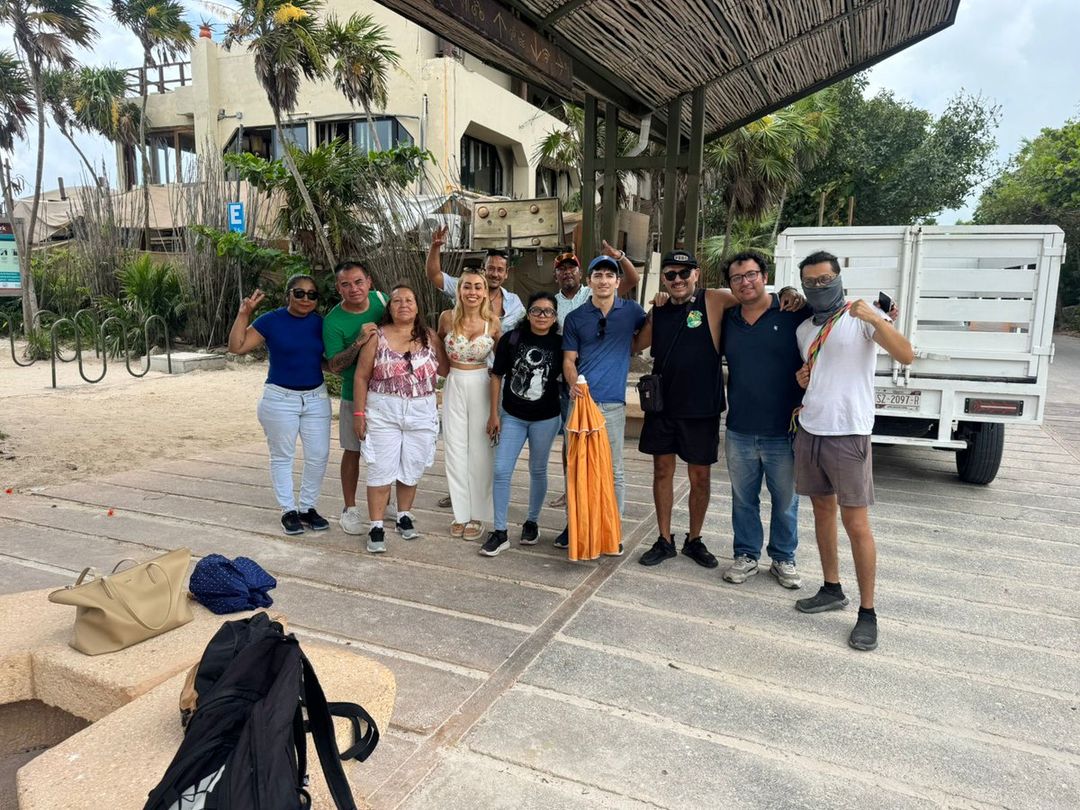
TULUM, MÉXICO. El aniversario número 45 del decreto que estableció el Parque Nacional Tulum fue recibido hoy con una protesta significativa que evidencia una controversia profunda sobre la gestión del Parque Nacional Tulum.
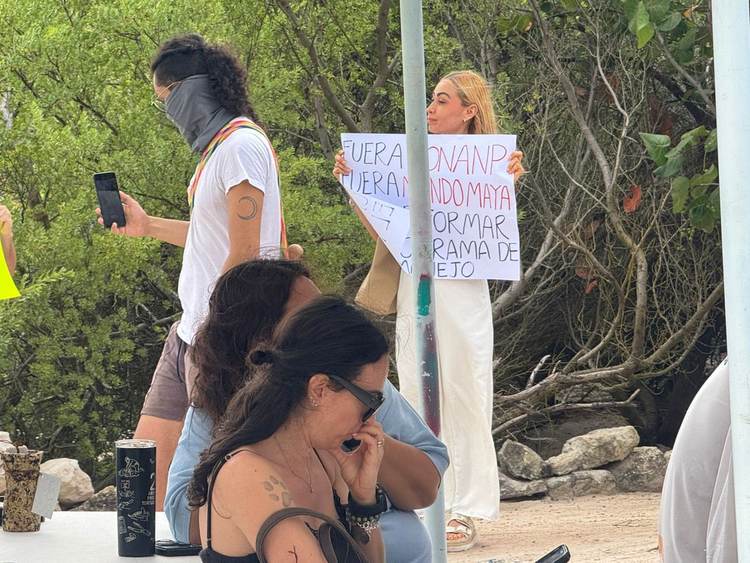
Mientras las autoridades federales se reunían para celebrar el hito ambiental de 1981, ciudadanos locales y trabajadores tomaron una postura diferente. Miembros del Colectivo Playas Libres realizaron una manifestación pacífica dentro del recientemente integrado Parque del Jaguar, exponiendo la brecha cada vez más amplia entre los discursos institucionales y la realidad económica del destino. Los manifestantes argumentaron que las políticas actuales de gestión han priorizado el control federal sobre la integración social y económica de la población local.
Una celebración opacada por la tensión económica
La ceremonia, que tenía por objeto honrar 45 años de conservación dentro de la reserva de 664 hectáreas, rápidamente se convirtió en el escenario de quejas locales. Para muchos residentes, el aniversario fue un recordatorio de los obstáculos crecientes que enfrentan bajo la administración actual de la Comisión Nacional de Áreas Naturales Protegidas, conocida como Conanp.
La movilización estuvo compuesta en gran medida por trabajadores cuyo sustento depende de la zona costera. Artesanos, operadores de embarcaciones y vendedores reportaron que los nuevos esquemas operacionales han provocado una caída abrupta en su actividad. Según los testimonios recogidos durante la protesta, algunos sectores experimentan una reducción en ventas de hasta el 70 por ciento. Estos trabajadores atribuyen la caída a una combinación de cuotas de entrada elevadas, regulaciones excesivas y falta de información clara para los visitantes.

Los operadores navales y náuticos, en particular, enfatizaron que la zonificación marítima actual y las restricciones para embarcar pasajeros desde puntos tradicionales han ahogado su modelo de negocio. Muchos de estos capitanes han navegado estas aguas durante generaciones, pero ahora enfrentan multas y exclusión de las áreas que una vez ayudaron a proteger. Argumentaron que el enfoque del gobierno federal ha sido de imposición más que de colaboración.
La cuestión de la transparencia y los ingresos
Un punto central de la controversia sobre la gestión del Parque Nacional Tulum involucra el manejo de recursos dentro de la reserva. Los ciudadanos presentes en la manifestación cuestionaron el destino de los fondos recaudados en la entrada. Una demanda recurrente de la comunidad es una transparencia total respecto a las recolecciones en efectivo dentro del parque.
Los residentes expresaron preocupación de que mientras se recaudan millones de pesos anualmente, no hay impacto visible en la infraestructura pública ni en el apoyo a la comunidad. La falta de un rendimiento de cuentas claro ha alimentado sospechas de opacidad administrativa. La población local exige saber por qué una porción significativa de los ingresos se maneja en efectivo y cómo esos fondos se reinvierten en la conservación y mantenimiento del ecosistema local.
Además, los manifestantes señalaron el problema persistente del sargazo. A pesar de los recursos que entran al parque diariamente, argumentaron que no hay una estrategia permanente o eficiente para manejar la acumulación de algas. Este desafío ambiental continúa dañando el atractivo estético de las playas, impactando el turismo y, por extensión, la economía local. Los ciudadanos cuestionaron por qué, en un parque que genera tan altos ingresos, las playas a menudo quedan en estado de abandono durante la temporada pico de sargazo.

Demanda de una reforma del programa de gestión
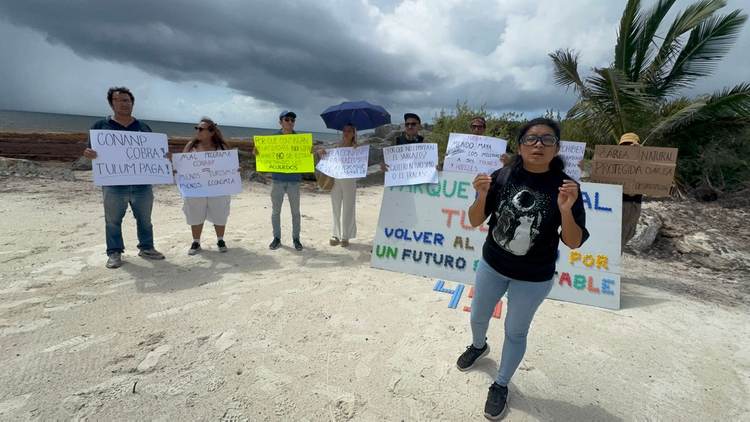
El aniversario número 45 sirvió como plataforma para que el Colectivo Playas Libres reiterara su llamado a una reforma estructural del Programa de Gestión. Las reglas actuales, argumentan, fueron implementadas sin participación ciudadana significativa ni un proceso real de consulta pública. Este enfoque de arriba hacia abajo ha ignorado los matices socioeconómicos de la región.
El colectivo insiste en que un modelo sustentable debe armonizar la protección ambiental con los derechos sociales. Están pidiendo una revisión de los protocolos de acceso para garantizar que residentes y visitantes puedan disfrutar de las playas públicas sin costos prohibitivos o fricción burocrática. La movilización destacó que para muchos en Tulum, el proyecto federal conocido como Parque del Jaguar se ha convertido en un símbolo del centralismo más que en una herramienta para el desarrollo comunitario. La infraestructura del parque, aunque moderna, es vista por muchos como una barrera física que separa el pueblo de su patrimonio natural.
Los manifestantes también señalaron que la falta de coordinación entre las agencias federales y la fuerza laboral local ha creado una atmósfera de incertidumbre. Muchas familias que han operado en la zona durante décadas ahora se encuentran en una posición legal y económica precaria. Demandan un plan de gestión que reconozca los usos tradicionales y proporcione una ruta clara para operación legal.
Un legado de conservación en una crisis moderna
El Parque Nacional Tulum fue originalmente decretado el 23 de abril de 1981, como respuesta al crecimiento urbano rápido de la región. En ese entonces, el decreto abarcaba 664 hectáreas y fue visto como un movimiento visionario para preservar la transición única de la selva maya a la costa del Caribe. Su propósito era proteger la biodiversidad única y el valor histórico de la zona arqueológica. Aunque el éxito biológico del parque en la protección de especies en peligro está documentado, el factor humano se ha convertido en el centro de una crisis moderna.
Hoy, el parque está en el corazón del proyecto "Parque del Jaguar", que abarca más de 2,000 hectáreas. Esta inversión federal masiva fue prometida como una forma de traer orden y servicios de clase mundial al área. Sin embargo, los manifestantes hoy destacaron que el "orden" ha llegado a costa de la autonomía local. Señalaron la paradoja de celebrar un decreto destinado a proteger el área mientras la población local está efectivamente excluida de sus beneficios.
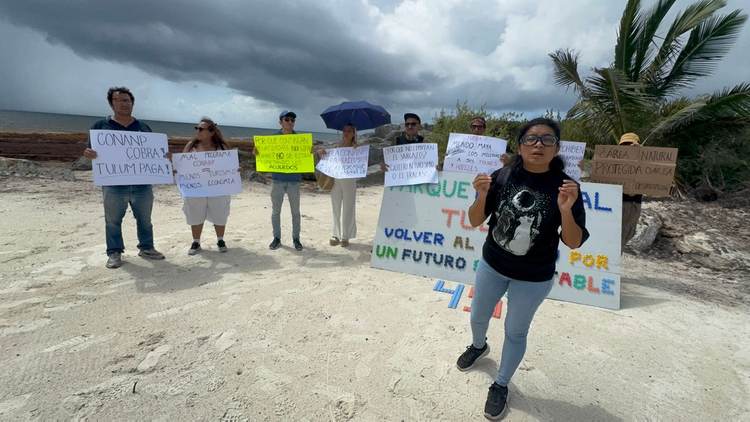
Para los participantes de la protesta, el aniversario número 45 debería haber sido un momento de reflexión crítica para el gobierno. Argumentaron que la conservación sin justicia social es insostenible. El contraste entre el protocolo formal de los funcionarios y las pancartas de los manifestantes ilustró la complejidad de gestionar uno de los activos naturales más valiosos de México. La demanda de "menos cinismo y más soluciones" resonó a lo largo de la tarde.
Conforme el sol se ponía sobre la costa del Caribe hoy, el mensaje de la comunidad seguía siendo claro. No se oponen a la protección del ambiente, pero exigen tener voz en la mesa. La controversia sobre la gestión del Parque Nacional Tulum ya no es solo un debate sobre biología; es una lucha por la identidad y la supervivencia de un pueblo que se siente cada vez más marginado por su propio recurso más preciado.
¿Cómo crees que las autoridades federales deben equilibrar la conservación con las necesidades económicas locales? Únete a la conversación con nosotros en Instagram y Facebook en @thetulumtimes.

The Tulum Times · Newsletter
La nota sigue en tu correo.
Lo esencial de Tulum y contexto local, un par de veces por semana. Gratis.
Sin spam. Cancelá cuando quieras.
Beach Access, Public Shoreline, and Coastal Rules in Tulum
Coverage of public beach access, coastal restrictions, closures, and the balance between tourism and public space.

“The best journalists reporting from paradise, highlighting the heroes that keep Tulum the most beautiful place in the world! THANK YOU!”


