
El viernes 29 de mayo, Tulum conmemoró el 18 aniversario de su creación como municipio con un día de mesas públicas sobre el futuro de la ciudad y una velada para honrar a los residentes que la construyeron. Tulum se convirtió en municipio independiente de Quintana Roo el 29 de mayo de 2008, tras separarse del Municipio de Solidaridad.
El aniversario fue menos una ceremonia que una sesión de trabajo. El programa matutino se centró en las decisiones que moldearan la siguiente etapa de Tulum, y la velada reunió a más de cien personas para reconocer a las familias mexicanas, trabajadores y constructores locales que crearon el pueblo mucho antes de que atrajera atención internacional.
Una ciudad confrontando sus retos de infraestructura
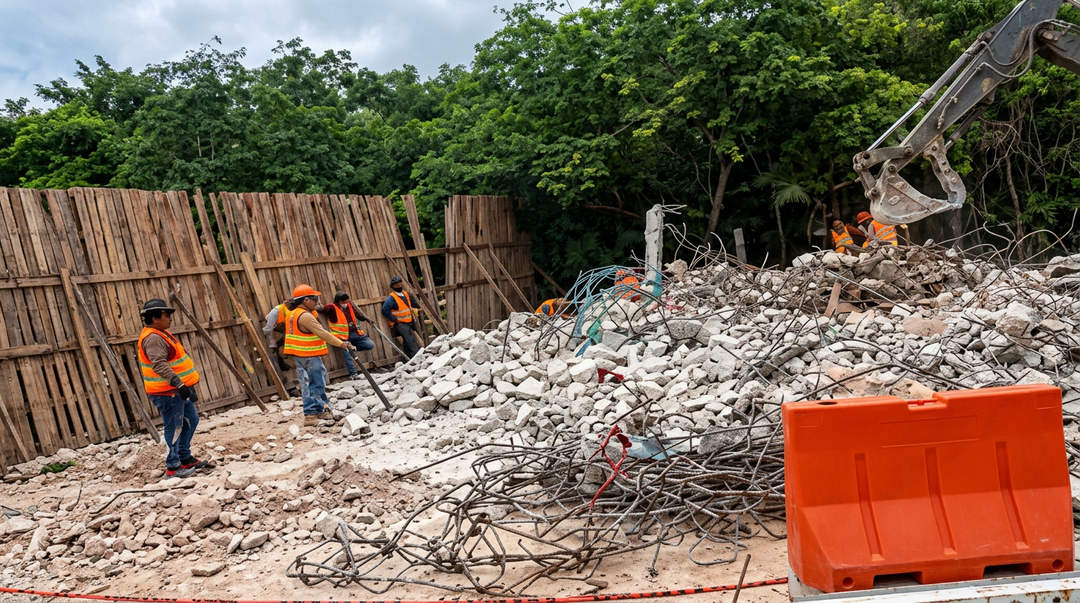
Las discusiones del día se enfocaron en algunos de los problemas más acuciantes que Tulum enfrenta en su año 18. Sistemas de agua bajo presión, infraestructura de drenaje que no ha seguido el ritmo del crecimiento, y la maraña de cables eléctricos que aún cuelgan sobre muchas calles.
Funcionarios, arquitectos, ingenieros y representantes de la comunidad discutieron la necesidad de trasladar gradualmente esa infraestructura bajo tierra conforme la ciudad continúe creciendo. Los oradores señalaron otros destinos costeros alrededor del mundo como modelos para construir infraestructura urbana más orgánica y sostenible, argumentando que Tulum puede aprender de lo que salió mal en otros lugares antes de repetirlo.

El argumento presentado durante todo el día fue directo. Durante muchos años, el crecimiento acelerado y el desarrollo turístico tomaron prioridad mientras que la preservación ambiental frecuentemente quedó en segundo término. Las autoridades locales cada vez hablan más sobre soluciones inteligentes a largo plazo que protejan tanto el ecosistema como la costa del Caribe que define a Tulum.
La Asociación local de Arquitectos e Ingenieros expresó su disposición a apoyar el futuro desarrollo de la ciudad, mientras planteó preocupaciones sobre seguridad pública y seguridad legal para negocios e inversionistas. Los participantes esbozaron pasos hacia mayor estabilidad institucional y transparencia. Señalaron que para muchos emprendedores extranjeros, abrir un negocio en Tulum aún requiere navegar reglamentaciones superpuestas a nivel municipal y estatal, y que reglas más claras ayudarían a atraer inversión responsable a largo plazo.
Una ceremonia maya a la orilla del mar
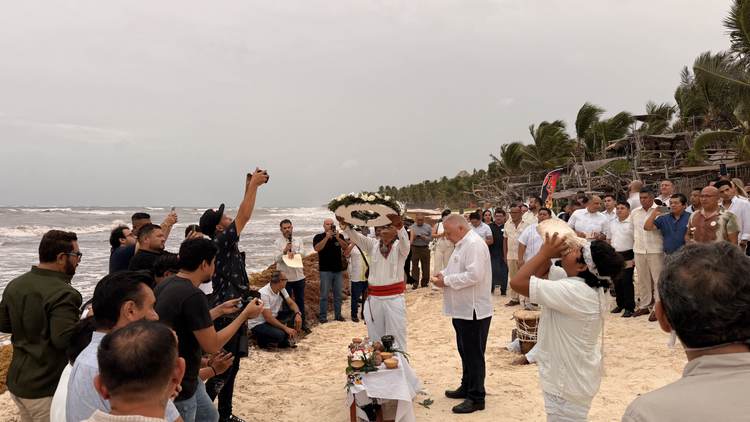
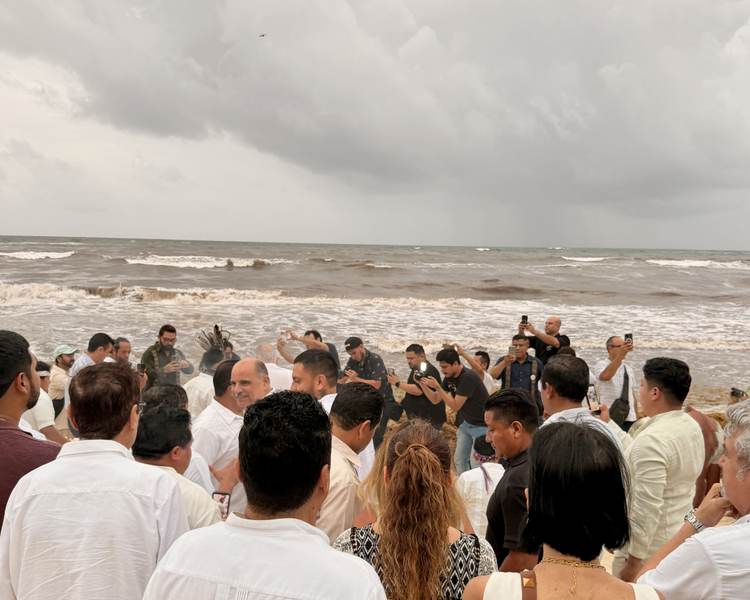
La reunión vespertina se llevó a cabo en Tulumania Beach Club y comenzó a la orilla del Mar Caribe. Antes de cualquier discurso, los participantes se reunieron alrededor del humo de copal para un ritual tradicional de purificación maya conectado a las tradiciones ancestrales de la región. Lluvia pasó por Tulum más tarde esa noche, y nadie se fue.
Más de cien representantes de la comunidad asistieron, entre ellos políticos, dueños de negocios, arquitectos, ingenieros, artistas, educadores, constructores, residentes de larga data y líderes comunitarios que han ayudado a formar el Tulum moderno. Entre los asistentes estaban Rafael Marín Mollinedo, Jorge Alberto Portilla Manica y miembros de su equipo, así como representantes de los sectores empresarial, cultural y cívico. Los organizadores describieron el propósito claramente: reunir a la gente que está construyendo el futuro de Tulum mientras se honra a quienes sentaron sus bases, y preservar tradiciones locales y valores comunitarios conforme la ciudad avanza.

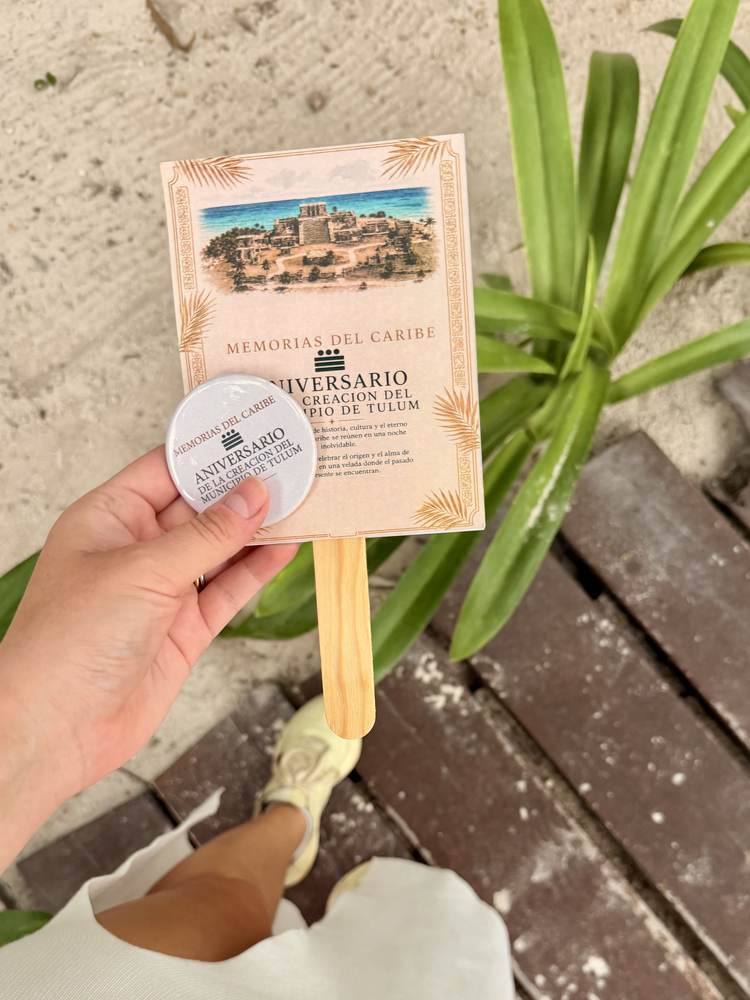
Honrando a la gente que construyó Tulum
Uno de los momentos más emotivos llegó cuando la primera maestra de escuela de Tulum leyó en voz alta los nombres de las familias mexicanas, trabajadores, educadores, pescadores, artesanos y miembros de la comunidad que ayudaron a construir el pueblo hace más de 80 años. La lista incluía costureras, trabajadores de construcción, electricistas, ingenieros y muchos otros residentes cuyo trabajo diario moldeó la vida cotidiana en Tulum. Sus nombres también fueron impresos en carteles exhibidos en todo el lugar.
La lista de los honrados fue encabezada por las familias locales que construyeron el pueblo a lo largo de generaciones. También incluyó extranjeros que dedicaron años de sus vidas a la región, entre ellos investigadores que estudiaron la fauna local.
Hugo Villagómez Villalobos, cronista oficial de Tulum, compartió historias de la historia de la ciudad. Recordó cómo emergió y evolucionó el pueblo a través de las décadas, recordó a los asistentes que esta tierra sigue siendo hogar de descendientes de la civilización maya, y habló sobre la resiliencia de una comunidad que se ha adaptado a través de generaciones de cambio.
Donato Castro habló sobre llegar a Tulum en los años ochenta y participar en la construcción del primer camino del pueblo. Reflexionó sobre ver cómo un pequeño asentamiento costero se transformó, gradual y luego rápidamente, en el destino internacional en crecimiento que es hoy.
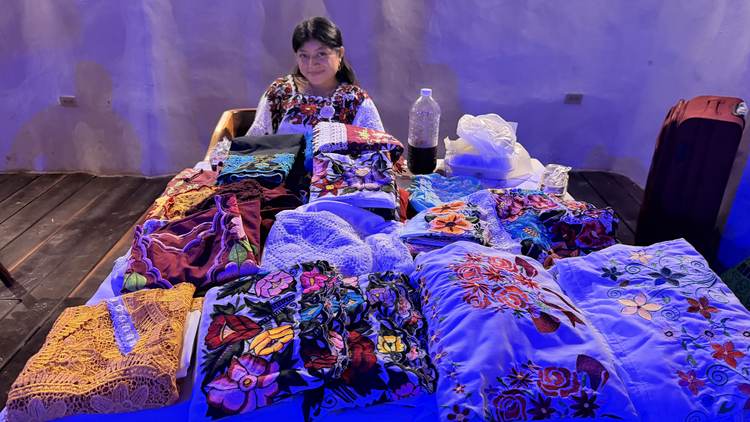
Reconocimientos y tradiciones locales
Rafael Marín Mollinedo, político mexicano y candidato a Gobernador de Quintana Roo, cerró el programa formal con un discurso sobre el futuro de Tulum y la importancia de construir desarrollo sostenible para futuras generaciones. Sus palabras terminaron con aplausos y consignas de "Viva Tulum" mientras presentaba reconocimientos conmemorativos a individuos y familias conectados al desarrollo temprano del pueblo. En varios casos, niños se acercaron para aceptar los reconocimientos en nombre de sus padres.
Los asistentes se fueron con regalos conmemorativos que incluyeron miel de Melipona, producida por las abejas nativas sin aguijón de la región. La miel ha sido valorada en la cultura maya durante siglos por sus propiedades medicinales y su conexión a las tradiciones de la región. La noche continuó con música de jazz, bebidas, comida local, networking y fotografías.
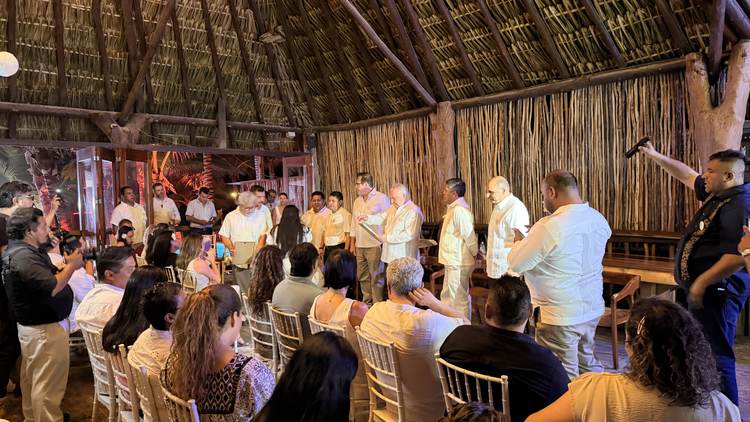
La gente detrás del Tulum moderno
Eventos como este importan porque recuerdan a la gente que Tulum fue construido a través de los esfuerzos de generaciones de residentes, trabajadores y familias. Escuchar cientos de nombres leídos en voz alta hizo algo claro: cada contribución importa, comenzando con las familias mexicanas y comunidades locales que moldearon los cimientos de Tulum a lo largo de generaciones.
Ese cimiento es el corazón de la historia. La gente que llegó después, y que dedicó su trabajo, creatividad y energía al crecimiento continuo de la ciudad, se convirtió en parte de él. Muchos empresarios, artistas, trabajadores remotos y viajeros llegaron planeando quedarse algunos meses y terminaron llamando hogar a este pueblo en la jungla. Su esfuerzo se suma al trabajo de las familias y comunidades locales que vinieron primero, y la velada reconoció ese trabajo compartido sin perder de vista quién construyó el lugar desde el principio.
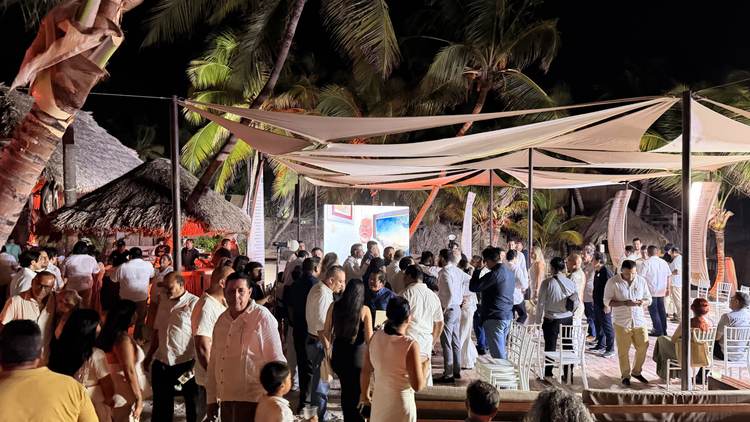
Mirando hacia el futuro
Tulum ha existido aproximadamente 160 años. Mucho antes de que festivales internacionales, vida nocturna y atención global rápida transformaran la región, la gente ya estaba construyendo caminos, abriendo escuelas, criando familias, protegiendo la naturaleza y pescando estas aguas. Los 18 años desde la municipalización son un capítulo en esa historia más larga, no todo de ella.
Lo que muchas personas parecieron sentir después del evento fue que la ciudad puede estar entrando en una etapa más madura de desarrollo. Menos ruido, menos especulación y menos ganancia a corto plazo, y más atención a sostenibilidad, infraestructura, comunidad y respeto por la identidad local. Los cambios que ocurren en Tulum son imposibles de ignorar, y muchos residentes creen que avanzan en la dirección correcta.
Si eso se mantiene dependerá de decisiones tomadas en los meses y años por venir, en presupuestos de infraestructura, en reforma regulatoria, y en cómo la ciudad maneja la siguiente ola de inversión. Un evento de aniversario no puede resolver nada de eso. Pero por una noche a la orilla del Caribe, Tulum miró hacia atrás honestamente y nombró a la gente que construyó lo que está aquí hoy.
¿Hay alguien de la historia temprana de Tulum cuya contribución nunca ha sido reconocida públicamente? Únete a la conversación y comparte tu perspectiva con nosotros en Instagram y Facebook en @thetulumtimes.

The Tulum Times · Newsletter
La nota sigue en tu correo.
Lo esencial de Tulum y contexto local, un par de veces por semana. Gratis.
Sin spam. Cancelá cuando quieras.
Beach Access, Public Shoreline, and Coastal Rules in Tulum
Coverage of public beach access, coastal restrictions, closures, and the balance between tourism and public space.

“The best journalists reporting from paradise, highlighting the heroes that keep Tulum the most beautiful place in the world! THANK YOU!”