
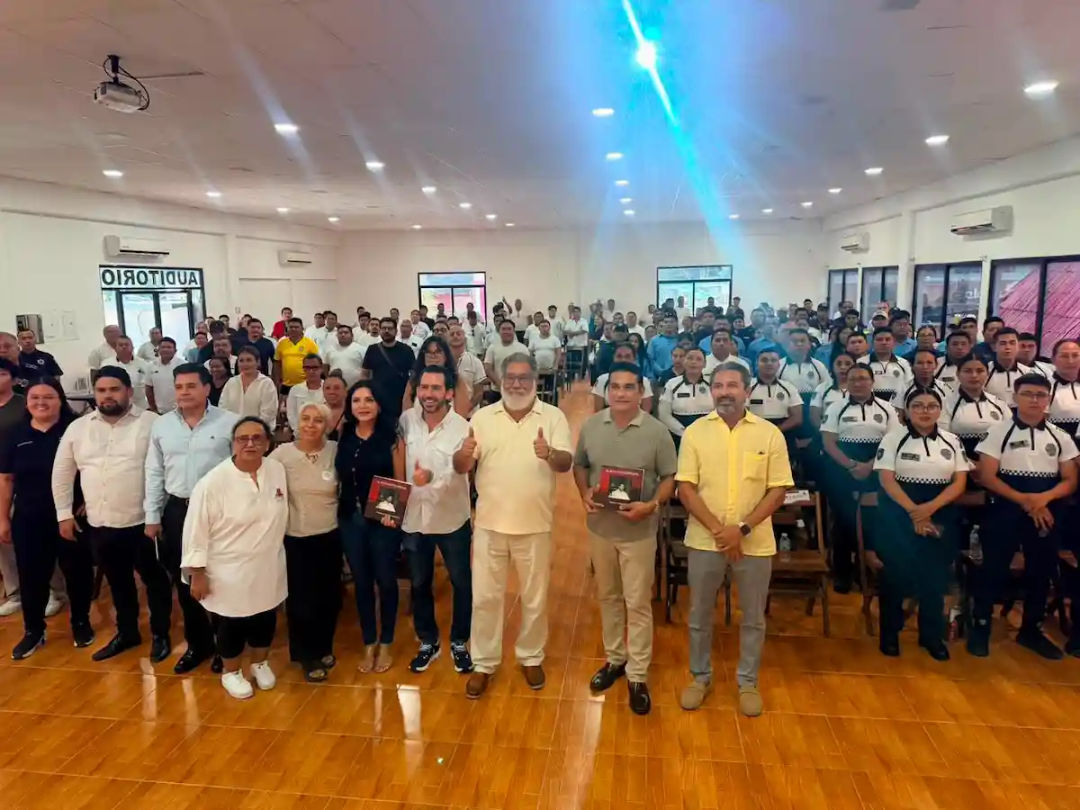
Más de 300 taxistas, policías turísticos y prestadores de servicios pasaron por un programa de capacitación turística de Tulum que concluyó esta semana, mientras la secretaria de turismo del estado ubicaba la ocupación hotelera local en 15%.
La secretaría de turismo de Quintana Roo, Sedetur, coordinó el programa bajo el nombre Marketing Turístico para Tulum. Funcionó como dos conferencias y un taller, inaugurado en el Hotel Akumal Bay Beach and Wellness en Akumal, y cerrado en la sala de juntas del sindicato de taxistas Tiburones del Caribe en Tulum.
El momento le da a esas sesiones un peso que no hubieran tenido hace un año. Los hoteles de Tulum están más vacíos que en cualquier punto del que el estado tenga registro, y la calidad de un viaje en taxi o una interacción con la policía es una de las pocas variables que las personas en esa sala controlan. El sargazo no. Tampoco los horarios de las aerolíneas.
La capacitación turística de Tulum cerró dentro de la sala del sindicato de taxistas
Sedetur ubicó la asistencia en más de 300 personas de los sectores público y privado. Su relato de las sesiones menciona a Manuel Enrique Solís Alcocer, secretario general del sindicato de taxistas Tiburones del Caribe, Enrique Rodríguez Luna, director ejecutivo de la Asociación de Hoteles de Tulum, y Haydee Desirée Hernández Pastrana, directora general de turismo del ayuntamiento de Tulum. Los reportes locales de la sesión de cierre también ubicaron a Manuel Moreno Rivas, asesor de la Secretaría de Seguridad Ciudadana del estado, entre los presentes.

Para la mayoría de los visitantes, un taxista es el primer residente con el que hablan. Las llegadas al Aeropuerto Internacional Felipe Carrillo Puerto llegan al pueblo por carretera, como las que vuelan a Cancún, y el viaje es donde se forma o se pierde una primera impresión de Tulum. El programa terminó en la propia sala de los conductores.
Lo que González Rubiera les dijo a los asistentes
Sergio González Rubiera impartió las dos conferencias y el taller. Dirige la consultoría de Cancún Acti Consultores y se desempeña como presidente nacional de la Asociación Mexicana de Agencias de Turismo Receptivo, AMATUR. Sedetur dijo que su material cubrió cómo se define la calidad en turismo, la gestión de las emociones de los visitantes, el valor agregado y lo que regresa a un negocio, mercadotecnia turística, tendencias actuales de promoción, y las herramientas de comunicación que usan los destinos para mantenerse visibles.
La conferencia principal tomó su título de uno de sus libros, Calidad en el Servicio Turístico y Gestión de las Emociones.
Ocupación en 15%
Esta semana, Bernardo Cueto Riestra, secretario de turismo del estado, dijo que la ocupación hotelera de Tulum ronda el 15%, la más baja en la historia del destino, mientras Playa del Carmen está cerca de 30%. Vinculó la caída a una temporada atípica de sargazo y a las aerolíneas cortando frecuencias hacia el Caribe mexicano conforme los costos de combustible suben.

La cifra requiere una lectura cuidadosa. El reporte de verano de Sedetur ubicó a Quintana Roo en su conjunto cerca de 67%, y Cueto, en observaciones publicadas días antes, describió hoteles en Tulum y Playa del Carmen por debajo de 50%. 24 Horas Quintana Roo reportó que la franja costera en Tulum alcanzó una tasa de ocupación de 15%, un nivel que no cubre ni la nómina ni el costo de limpiar sargazo de las arenas.
La serie más larga se mueve de la misma manera. Tulum promedió 69.88% de ocupación de enero a mayo, contra 76.86% en los mismos meses de 2025, según el sistema de información turística de Quintana Roo. El promedio estatal bajó 1.42 puntos en ese tramo. Tulum perdió cerca de siete.
El daño no se detiene en la recepción del hotel. Alrededor de cada hotel hay una cadena de personal de recepción, limpiadores, equipos de mantenimiento, trabajadores de cocina, conductores, restaurantes y operadores de tours, y Tulum atrae muchos de esos trabajadores de pueblos a lo largo de la carretera, lo que distribuye una temporada débil mucho más allá de la línea municipal.
Los operadores hoteleros citados por el mismo medio dijeron que están considerando operación estacional y cierres temporales.
Solís Alcocer quiere más cursos para sus conductores
Solís Alcocer dijo que capacitar a los operadores es uno de los pasos necesarios para mejorar tanto el servicio de transporte como el trato a las personas que llegan a la ciudad, y que el sindicato seguirá organizando este tipo de preparación para sus afiliados. Lo describió como profesionalización enfocada en lo que el pasajero realmente experimenta.
Los participantes coincidieron en la necesidad de una coordinación más estrecha entre autoridades, prestadores de servicios y organizaciones turísticas, particularmente respecto a la atención al visitante y la resolución de problemas conforme surjan.
Cueto, en la declaración emitida por Sedetur, dijo que reforzar las capacidades de los trabajadores en contacto directo con visitantes es central para construir experiencias de calidad, y ubicó las sesiones de Tulum dentro de un esfuerzo estatal más amplio en capacitación y promoción.
La misma conferencia se dio primero en Cancún
Tulum es una parada en un circuito, no un evento único. El registro público de AMATUR del programa muestra la misma conferencia dada a policías turísticos de destinos del Caribe mexicano en Cancún en agosto y octubre de 2025, con apoyo de la Universidad Tecnológica de Cancún, y a oficiales de aduanas en el Aeropuerto Internacional de Cancún en enero de 2025. La gobernadora Mara Lezama presidió la ceremonia de clausura para ese grupo de aduanas el mes siguiente.
No se ha fijado fecha para otra sesión en Tulum. Solís Alcocer dijo que el sindicato continuará capacitando a sus conductores en los cursos. Con ocupación de 15%, esos conductores tienen muchos menos pasajeros para practicar que hace un año.
¿La forma en que un taxista o un policía turístico te trata cambia cómo te sientes respecto a un viaje a Tulum? Únete a la conversación y comparte tu perspectiva con nosotros en Instagram y Facebook en @thetulumtimes.

The Tulum Times · Newsletter
La nota sigue en tu correo.
Lo esencial de Tulum y contexto local, un par de veces por semana. Gratis.
Sin spam. Cancelá cuando quieras.
Transportation in Tulum: Taxi, Bus, Transfers, and Mobility
Taxi fares, buses, transfers, road changes, mobility updates, and practical transport guidance for Tulum.

“The best journalists reporting from paradise, highlighting the heroes that keep Tulum the most beautiful place in the world! THANK YOU!”