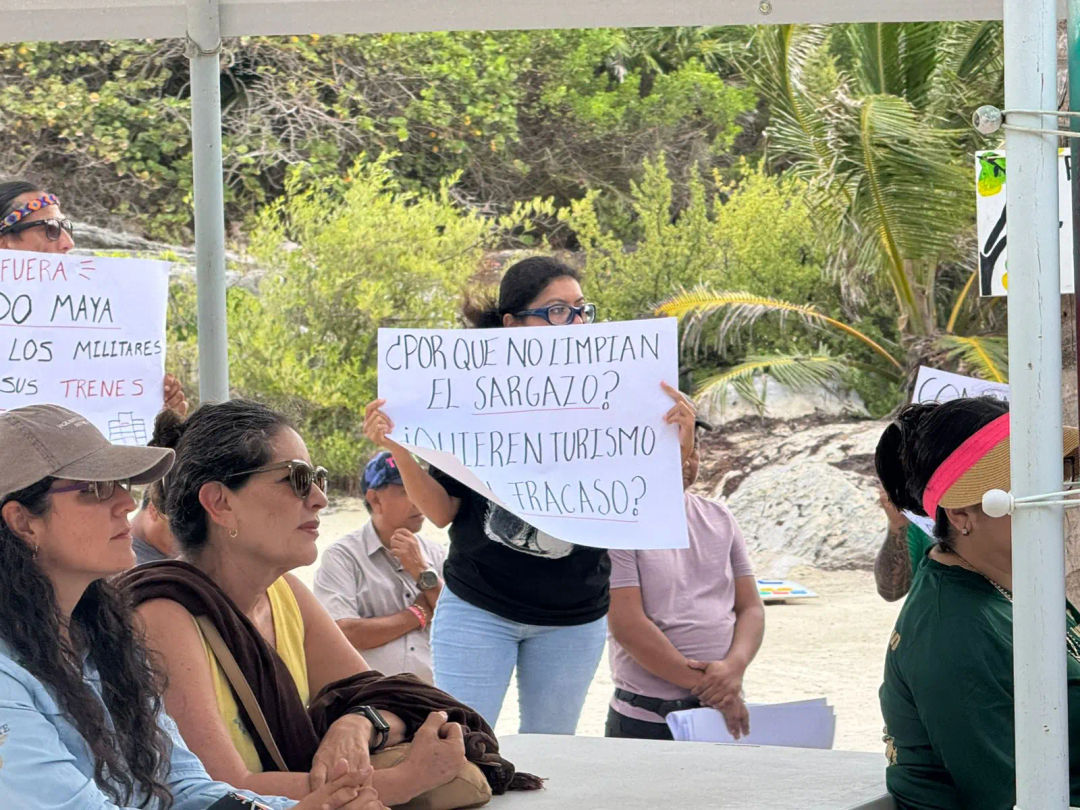
TULUM, MÉXICO. Integrantes de la colectividad Playas Libres Tulum protesta Parque del Jaguar se reunieron hoy para denunciar las políticas federales mientras las autoridades celebraban el 45 aniversario del decreto que protege la reserva. Mientras los protocolos institucionales enfatizaban décadas de éxito en conservación, la atmósfera en el terreno era la de una angustia económica profunda y fricción social, revelando una brecha significativa entre la gestión federal y la comunidad que sostiene el destino.
La manifestación, que se mantuvo pacífica durante todo el día, tuvo lugar dentro del Parque del Jaguar recientemente integrado. Para los integrantes de la colectividad Playas Libres, la fecha no era para celebrar sino para una movilización crítica. Argumentan que el Programa de Manejo actual, supervisado por la Comisión Nacional de Áreas Naturales Protegidas (Conanp), ha transformado la reserva de 664 hectáreas en un espacio de exclusión en lugar de un modelo para integración sostenible.
El costo económico de la protesta Playas Libres Tulum Parque del Jaguar
El impulsor principal detrás de la protesta Playas Libres Tulum Parque del Jaguar es un colapso reportado en la actividad comercial local. De acuerdo con testimonios recabados en el sitio, artesanos, vendedores y proveedores de servicios náuticos enfrentan una caída precipitada en ingresos. Algunos participantes reportaron que las ventas se han desplomado hasta 70 por ciento en comparación con el mismo período en años anteriores. Aunque las fluctuaciones estacionales son comunes en el Caribe mexicano, los manifestantes insistieron en que la caída actual es más pronunciada y está directamente vinculada a barreras administrativas.
"La gente ya no llega como lo hacía antes", comentó un artesano local que ha trabajado en la zona costera durante más de una década. "Los números son claros, y el impacto en nuestras familias es devastador". Los manifestantes atribuyen esta caída a una combinación de costos de acceso elevados, esquemas regulatorios complejos e infraestructura física que muchos residentes perciben como una barrera para la relación tradicional de la localidad con el mar.

La situación ha creado un efecto en cascada en la economía local. Más allá de las ventas directas en el parque, la disminución de flujo de visitantes ha afectado a meseros, capitanes de embarcaciones y operadores de tours que dependen de un flujo constante de visitantes. Para la colectividad Playas Libres, el "orden" federal prometido por el proyecto Parque del Jaguar ha resultado en una esterilización del comercio local, favoreciendo el control centralizado sobre la vida económica orgánica de la región.
Demandas de transparencia y responsabilidad
Un pilar central de la protesta Playas Libres Tulum Parque del Jaguar involucra la gestión de recursos financieros dentro del área protegida. Una de las preguntas más punzantes planteadas durante la manifestación se refería al destino de los fondos cobrados en la entrada. Los manifestantes expresaron una frustración profundamente arraigada respecto a la falta de transparencia en la administración de estos recursos, particularmente aquellos manejados como pagos en efectivo dentro del parque.
"¿A dónde va el dinero?" fue una consigna recurrente durante toda la tarde. Residentes y dueños de negocios demandan un rendimiento completo de cuentas para aclarar cómo los ingresos se reinvierten en conservación, mantenimiento e infraestructura pública. La colectividad sostiene que mientras el parque genera ingresos diarios significativos, los beneficios para la comunidad local y el ambiente no siempre son visibles o proporcionales a las cuotas cobradas.
La demanda de transparencia se extiende a la operación de la Conanp. Muchos locales sienten que las decisiones respecto a la gestión del parque se toman en oficinas lejanas en la Ciudad de México sin una comprensión genuina del panorama socioeconómico local. La protesta destacó un consenso creciente de que la conservación no puede usarse como pretexto para opacidad administrativa o la exclusión de las mismas personas que históricamente han convivido con la reserva.
La paradoja de la gestión del sargazo
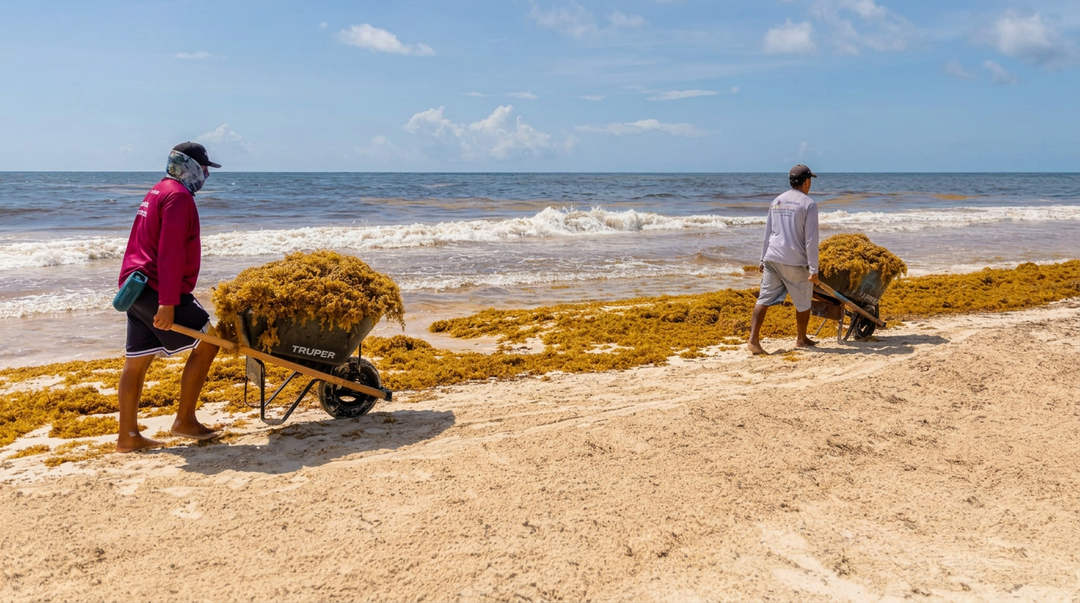
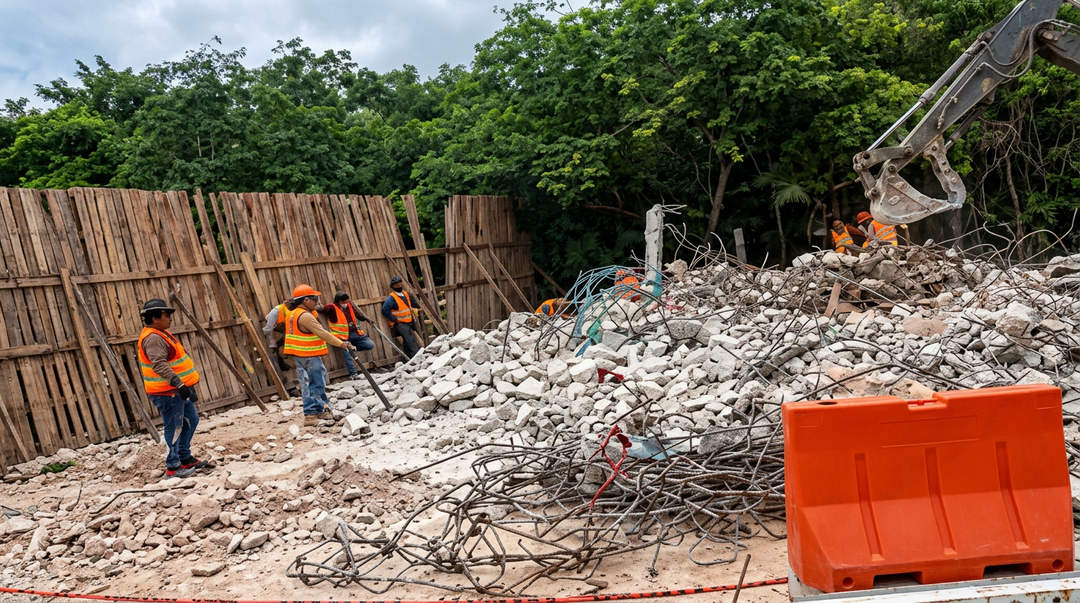
El estado ambiental de las playas sirvió como otro punto focal para la protesta Playas Libres Tulum Parque del Jaguar. A pesar de los recursos significativos que entran al parque, la colectividad señaló la falta visible de una estrategia eficiente y permanente para gestionar la acumulación de sargazo. Grandes pilas de algas marinas en descomposición siguen siendo un espectáculo común a lo largo de varios tramos de la costa del Parque Nacional, impactando el valor estético del destino y disuadiendo aún más a los visitantes.
Los ciudadanos en la protesta cuestionaron por qué, en un área donde el acceso está fuertemente regulado y monetizado, la tarea fundamental del mantenimiento de playas sigue siendo un punto de contención. La "paradoja del sargazo", donde las cuotas aumentan mientras la gestión ambiental parece estancarse, se ha convertido en un símbolo de lo que los manifestantes llaman "cinismo administrativo". Argumentan que si el objetivo del parque es verdaderamente la conservación y el turismo de clase mundial, la gestión del sargazo debe ser una prioridad máxima que refleje los ingresos generados por el sitio.
La falta de una respuesta coordinada a la crisis de algas también ha colocado una carga adicional en los negocios locales. Muchos deben invertir sus propios recursos menguantes para limpiar pequeños tramos de playa para permanecer operativos, destacando aún más la desconexión entre la supervisión federal y las realidades prácticas de mantener un destino costero.
Un llamado a la reforma estructural e inclusión social
Cuando la ceremonia oficial marcó 45 años desde el decreto de 1981, la protesta Playas Libres Tulum Parque del Jaguar entregó un mandato claro para el cambio. La colectividad exige una reforma urgente del Programa de Manejo actual, enfatizando la necesidad de consulta pública genuina y participación comunitaria. Argumentan que la protección del ambiente debe armonizarse con los derechos sociales y económicos de la población.
"Conservar no puede significar excluir a la gente o abandonar las playas", declararon los manifestantes. Su visión para un parque reformado incluye un modelo más accesible para residentes y visitantes por igual, donde el concepto de "Playas Libres" no sea solo un nombre sino una realidad funcional. Demandan un plan de manejo que reconozca los lazos históricos y culturales que la gente de Tulum tiene con su patrimonio natural.
La movilización hoy sirve como recordatorio de que el éxito de cualquier proyecto de conservación está intrínsecamente ligado a su legitimidad social. Mientras la infraestructura del Parque del Jaguar representa una inversión significativa en el futuro de la región, permanece como un espacio controvertido hasta que las preocupaciones respecto a exclusión económica, transparencia y gestión ambiental sean abordadas.
Conforme el 45 aniversario concluye, el mensaje desde las calles de Tulum es claro: la comunidad no está buscando un regreso al pasado, sino un futuro donde conservación y desarrollo comunitario avancen al mismo ritmo. La lucha por un Parque Nacional de Tulum más inclusivo y transparente está lejos de terminar, y la protesta de hoy ha garantizado que las voces de los trabajadores locales sean parte permanente de la conversación.
¿Cómo deberían las autoridades federales equilibrar los objetivos de conservación con las necesidades económicas de la comunidad local? Únete a la conversación y comparte tus ideas con nosotros en Instagram y Facebook en @thetulumtimes.

The Tulum Times · Newsletter
La nota sigue en tu correo.
Lo esencial de Tulum y contexto local, un par de veces por semana. Gratis.
Sin spam. Cancelá cuando quieras.
Beach Access, Public Shoreline, and Coastal Rules in Tulum
Coverage of public beach access, coastal restrictions, closures, and the balance between tourism and public space.

“The best journalists reporting from paradise, highlighting the heroes that keep Tulum the most beautiful place in the world! THANK YOU!”