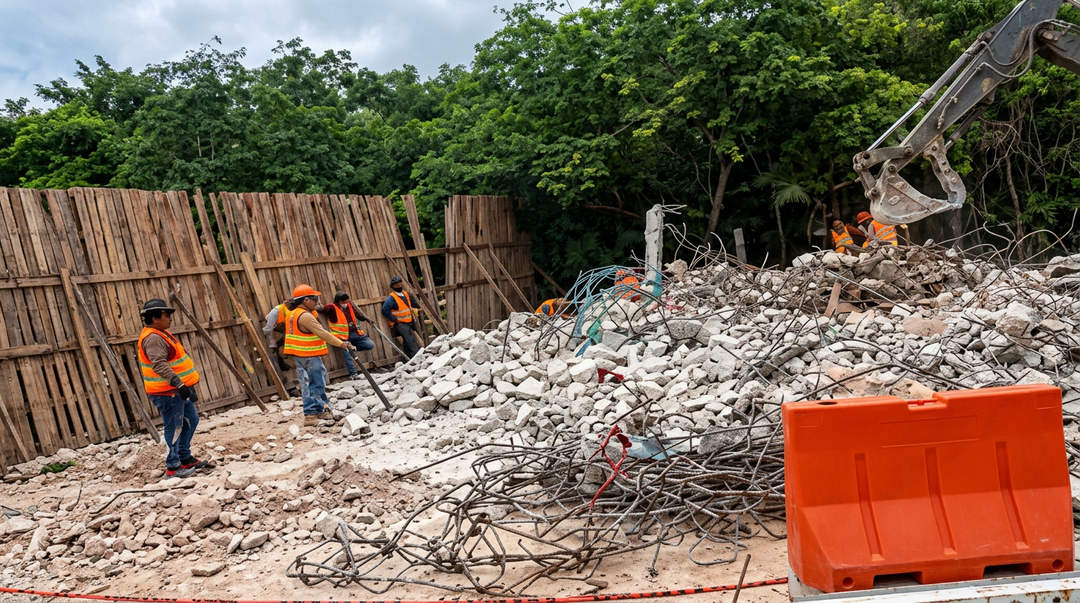
El presidente de la organización ambiental Sélvame, Guillermo D. Christy, reveló que el colectivo prepara una nueva serie de amparos para detener la construcción de la desviación de Tulum. Esta desviación de 26 kilómetros, una extensión de infraestructura crítica del proyecto del Tren Maya diseñada para conectar la estación con el nuevo Aeropuerto Internacional Felipe Carrillo Puerto, ha generado críticas agudas por avanzar sobre el frágil sistema de cuevas Sac Actun a pesar de haber sido oficialmente cerrado por autoridades ambientales.
La ofensiva legal sigue a reportes de que la construcción de esta desviación ha continuado clandestinamente, desafiando una orden de cierre de la Procuraduría Federal de Protección al Ambiente (Profepa). De acuerdo con Christy, el proyecto representa una violación flagrante de la ley ambiental, operando bajo una "excepción" opaca otorgada por agencias federales para facilitar la expansión de la Secretaría de Defensa Nacional (Sedena) del corredor del Tren Maya. El conflicto subraya una tensión estructural profunda entre el impulso del gobierno federal por desarrollo rápido y la supervivencia de la red de ríos subterráneos más significativa del mundo, que descansa directamente bajo la carretera propuesta.
Un Camino Grabado en Piedra: El Impacto de la Desviación de Tulum
La desviación de Tulum fue concebida como una necesidad logística para aliviar el tráfico paralizante en la Carretera Federal 307. Al crear una ruta directa a las estaciones del Tren Maya y el extenso Parque del Jaguar, las autoridades argumentaron que el proyecto modernizaría la movilidad de la región. Sin embargo, la trayectoria elegida se corta seis kilómetros hacia el oeste en la selva, posicionando maquinaria pesada directamente sobre el sistema Sac Actun.
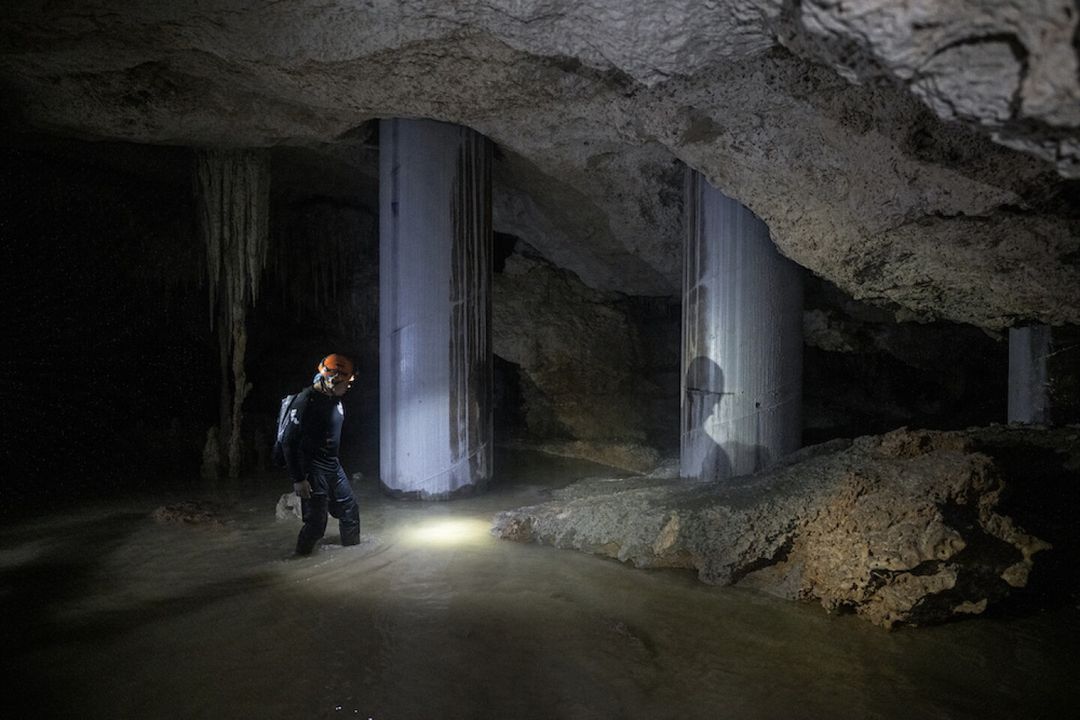
Este laberinto inundado abarca más de 368 kilómetros, conectando más de 220 cenotes y albergando restos arqueológicos y paleontológicos invaluables. Los ambientalistas argumentan que la carga estructural y el lixiviado químico de la construcción amenazan con colapsar los techos de piedra caliza delicados de las cavernas. "Realizamos un reconocimiento de campo y nos dimos cuenta de que el trabajo ha continuado prácticamente desde que se anunció el cierre", reportó Christy. "El trabajo se está llevando a cabo ilegalmente, impulsado por una excepción de Semarnat que permite a los constructores del Tren Maya eludir evaluaciones de impacto ambiental estándar".


La Secretaría de Defensa Nacional (Sedena), que supervisa el proyecto, supuestamente comenzó a desmontar la selva en abril de 2025. En ese momento, el proyecto carecía de un Manifestación de Impacto Ambiental (MIA) válido. Aunque Profepa inicialmente detuvo los trabajos siguiendo quejas de residentes locales y científicos, la reciente otorgación de atajos administrativos por la Secretaría de Medio Ambiente y Recursos Naturales (Semarnat) ha permitido que la maquinaria pesada regrese a los terrenos kársticos sensibles.
El Acuífero y la Desviación de Tulum Bajo Asedio
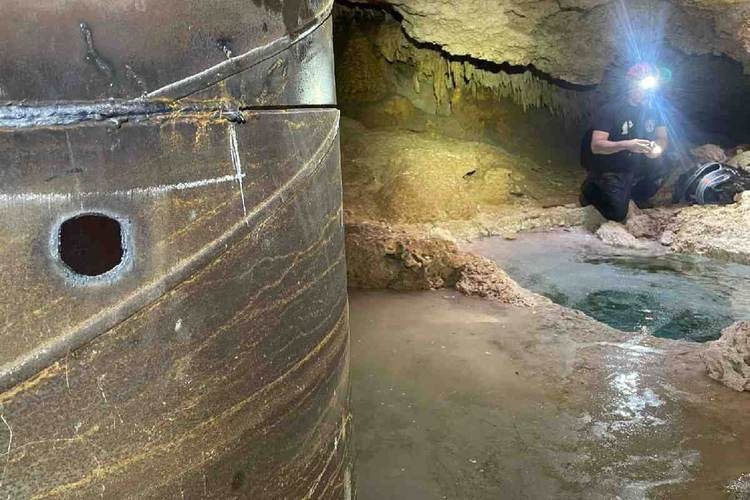
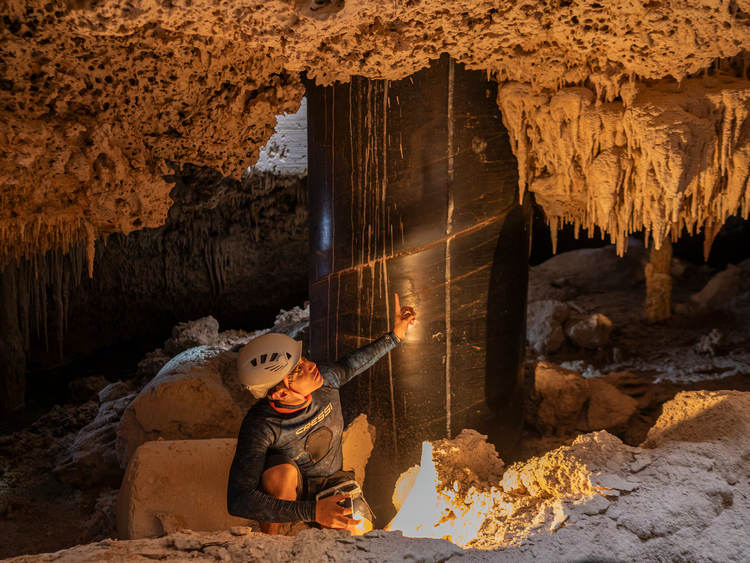
Las apuestas ambientales se extienden mucho más allá de la pérdida del dosel selvático. El acuífero de la región, la fuente principal de agua dulce para toda la Riviera Maya, ya se encuentra en estado de alerta. Christy señaló que entre 7,000 y 15,000 columnas de concreto y acero han sido introducidas en el agua subterránea para soportar el Tren Maya y su infraestructura asociada. Estos pilotes ahora se están corroyendo, liberando metales pesados y contaminantes directamente en el suministro de agua.
La crisis se agrava por el crecimiento explosivo de la huella urbana y turística de Tulum. Más de 600 desarrollos inmobiliarios han sido construidos en años recientes, muchos de los cuales carecen de sistemas de drenaje funcionales o plantas de tratamiento de aguas residuales. Sélvame reporta que el 90 por ciento de los pozos monitoreados y cenotes en la región muestran niveles severos de contaminación. "La verdadera intención de esta desviación no es movilidad", argumentó Christy. "Es una cabeza de puente para la especulación inmobiliaria, diseñada para lotificar tierras vírgenes para desarrollos que deberían considerarse ilegales desde su inicio".
El grupo ambiental propuso previamente una alternativa menos invasiva: una desviación más pequeña posicionada más cerca de la expansión urbana existente de Tulum. Esta ruta habría utilizado caminos de servicio existentes y evitado la fragmentación de grandes extensiones de selva, una propuesta que Profepa supuestamente veía favorablemente antes de que fuera finalmente descartada por el gobierno federal en favor de la expansión occidental actual.

La Desviación de Tulum y un Patrimonio en Riesgo
El área que actualmente se está desmontando no es solo un filtro ecológico sino un santuario cultural global. UNESCO ha estado considerando el sistema Sac Actun para su declaración como Sitio Patrimonio de la Humanidad debido a la presencia de restos humanos de 10,000 años de antigüedad y fósiles de megafauna extinta. La vibración pesada de la construcción de la desviación y el riesgo de colapso de cavernas representan una amenaza irreversible para este "cápsula del tiempo" de la historia humana.
Si bien Semarnat ha hecho concesiones menores, como remover segmentos del cerco perimetral para permitir cruces de vida silvestre, los activistas sostienen que estas medidas son insuficientes para mitigar el daño estructural. La corrosión continua de soportes estructurales y el derrame diario de materiales de construcción permanecen sin atenderse, creando un legado de deuda ambiental que la región podría luchar por pagar.
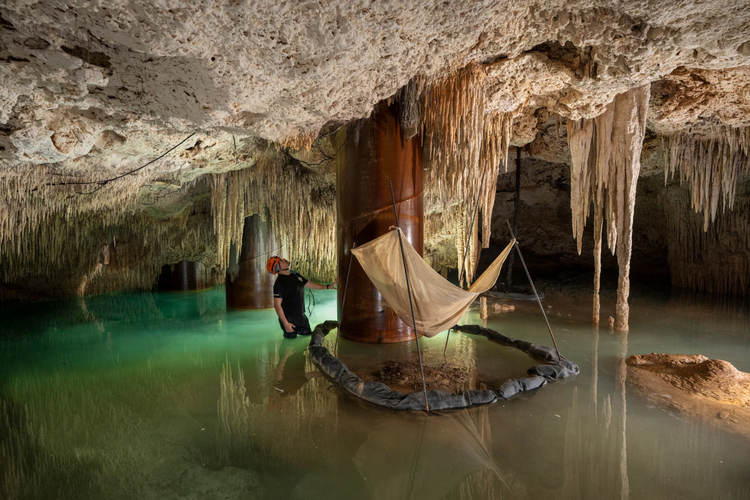
La Batalla Legal Sobre la Desviación de Tulum
La nueva serie de amparos preparada por Sélvame busca forzar un alto definitivo a los trabajos y una revisión transparente de las excepciones de Semarnat. El desafío legal apunta a restaurar la primacía de la ley ambiental sobre los decretos administrativos que han protegido al proyecto del escrutinio público. Para los defensores de Sac Actun, la batalla no es solo contra una carretera, sino contra un modelo de desarrollo que arriesga los propios activos naturales que hicieron de Tulum un destino global.
Conforme los procedimientos legales avanzan en los tribunales federales, la maquinaria permanece activa en la selva. El resultado de este asedio legal señalará si el recurso más importante de la Riviera Maya, su agua, puede ser protegido contra el ímpetu implacable de la expansión de infraestructura federal. La decisión definirá la viabilidad ambiental de Tulum para el próximo siglo.
¿Vale la pena la construcción de la desviación de Tulum el riesgo de daño permanente al acuífero Sac Actun? Únete a la conversación y comparte tu perspectiva con nosotros en Instagram y Facebook en @thetulumtimes .

The Tulum Times · Newsletter
La nota sigue en tu correo.
Lo esencial de Tulum y contexto local, un par de veces por semana. Gratis.
Sin spam. Cancelá cuando quieras.
Tulum Development, Permits, and Construction Watch
Reporting on permits, construction, regulation, and major development decisions shaping Tulum’s urban growth and investment climate.

“The best journalists reporting from paradise, highlighting the heroes that keep Tulum the most beautiful place in the world! THANK YOU!”