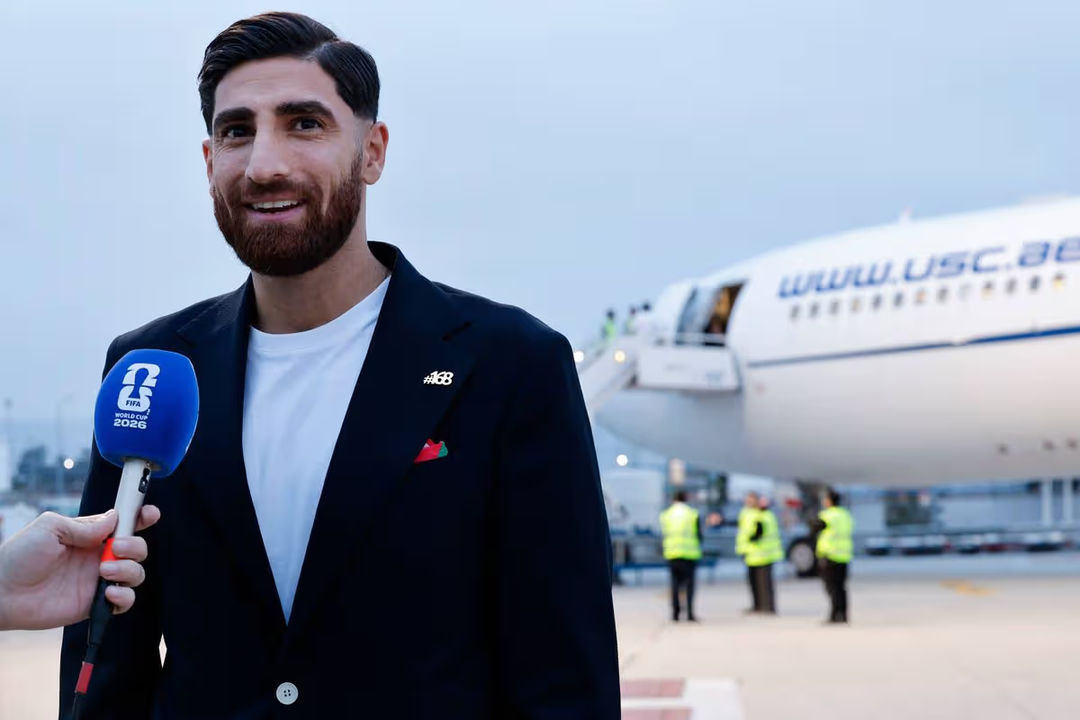
Alireza Jahanbakhsh, capitán de la selección nacional de fútbol de Irán, afirma que fue interceptado, registrado y asaltado por miembros enmascarados de un cártel durante una visita turística a Tulum, Quintana Roo, antes del Mundial de Fútbol de 2026. Relató su historia en una entrevista con Al Jazeera publicada el 12 de junio.
El relato está circulando ampliamente, en parte por su final inesperado y en parte porque Jahanbakhsh lo contó mientras su equipo entrenaba en Tijuana, desplazados de territorio estadounidense después de que la administración Trump negara visas a parte del cuerpo técnico y administrativo iraní.
Cómo se desarrolló el operativo contra el cártel en Tulum
Jahanbakhsh, de 32 años, dijo que viajó a Tulum con un amigo por unos días. No especificó cuándo tuvo lugar el viaje. En algún momento de la visita, unos hombres armados con el rostro completamente cubierto detuvieron el auto en el que viajaba.
"Nos hicieron bajar del coche, poner las manos sobre él y empezaron a registrarnos", dijo en la entrevista con Al Jazeera.

Jahanbakhsh declaró que le habían advertido que no llevara objetos de valor, por lo que solo tenía consigo una tarjeta bancaria y entre 30 y 40 euros. Los hombres le exigieron más dinero. Dijo que no pudo entender exactamente cuánto querían.
Entonces llegó la pregunta que cambiaría el tono del encuentro. Uno de los hombres que lo registraban seguía preguntando, en un inglés chapurreado: "¿País, país?".
"Di Irán": el momento que puso fin al robo.
El primer impulso de Jahanbakhsh fue mencionar los Países Bajos, donde se formó como jugador y pasó años de su carrera. Su amigo, identificado en la entrevista como Benjamín, lo interrumpió.
"Ali, di Irán, di Irán. Se llevan bien con Irán", recordó Jahanbakhsh que le había dicho su amigo.
Siguió el consejo. El hombre que lo registraba comenzó a reír.
—¡Oh, Irán! ¡Vete, vete! —dijo el hombre. Le quitaron el dinero, le dejaron la tarjeta y los dejaron marchar a ambos.
Jahanbakhsh relató el momento con evidente incredulidad, riendo mientras lo describía. "Mi amigo viaja a México más que yo y dice que, al parecer, a los cárteles les encantan los iraníes. Lo juro, no sé por qué. No me explicó el motivo, pero dice que a los cárteles les encantan los iraníes".
No ofreció ninguna teoría y dijo que su amigo tampoco. El comentario, pronunciado con evidente desconcierto, se convirtió en uno de los fragmentos más compartidos de la entrevista.
El encuentro con el cártel queda registrado en la historia turística de Tulum.
El relato de Jahanbakhsh añade un nombre de alto perfil a una serie de incidentes de seguridad turística en Tulum y sus alrededores que las autoridades regionales han tenido dificultades para abordar públicamente. Viajeros y periodistas locales han documentado durante años los controles armados en las carreteras de los corredores turísticos de Quintana Roo, aunque los funcionarios federales y estatales mexicanos rara vez reconocen la participación del crimen organizado en incidentes individuales.
La noticia, que llegó a oídos de audiencias internacionales a través de un atleta de la Copa del Mundo, días antes de que comenzara el torneo, pone la reputación de seguridad de Tulum ante una audiencia deportiva global en un momento inusualmente delicado para el turismo mexicano.
Irán entrena en Tijuana a medida que se acerca el Mundial.
El contexto de la entrevista añade otra dimensión. La selección iraní tenía previsto prepararse en Estados Unidos, país coanfitrión del Mundial de 2026. La administración Trump denegó los visados a parte de la delegación técnica y administrativa iraní, lo que obligó al equipo a trasladar su base de entrenamiento a Tijuana, donde los jugadores entrenan en el Estadio Caliente, sede del Club Tijuana Xoloitzcuintles.
El primer partido de Irán se disputará el lunes 16 de junio a las 18:00 horas contra Nueva Zelanda. El encuentro tendrá lugar en Inglewood, California, a más de 220 kilómetros de Tijuana. Debido a las restricciones impuestas por Estados Unidos, la delegación iraní deberá viajar hasta la sede y regresar el mismo día.
Jahanbakhsh concedió la entrevista a Al Jazeera desde ese tenso escenario: un equipo atrapado entre la fricción geopolítica y un torneo que comienza en pocos días, ahora también vinculado a una historia viral sobre una parada de un cártel en una carretera de Tulum.
¿Ha cambiado tu perspectiva sobre visitar la región la delincuencia en las zonas turísticas cercanas a Tulum? Únete a la conversación y comparte tu opinión con nosotros en Instagram y Facebook en @thetulumtimes .

The Tulum Times · Newsletter
La nota sigue en tu correo.
Lo esencial de Tulum y contexto local, un par de veces por semana. Gratis.
Sin spam. Cancelá cuando quieras.
Tulum Safety, Crime Context, and Traveler Risk
Context-driven reporting and practical safety coverage for residents, travelers, transport, nightlife, and public alerts.

“The best journalists reporting from paradise, highlighting the heroes that keep Tulum the most beautiful place in the world! THANK YOU!”