
Tres organizaciones ambientales pidieron a las autoridades federales el 23 de junio que detengan un camino del ejército de 16 kilómetros a través del sistema de cuevas Sac Actun en Tulum, adviriendo que amenaza el agua de la región.
El Centro Mexicano de Derecho Ambiental (Cemda), Greenpeace México y Sélvame MX presentaron demandas legales sobre el proyecto y pidieron la suspensión inmediata de la limpia y la construcción. Su argumento va más allá de un camino. El acuífero, aseguran, corre bajo la ruta y abastece de agua potable a Tulum, a las comunidades circundantes y al corredor turístico que impulsa la economía local.
Un camino que el ejército vincula con los tratos de terrenos del Tren Maya
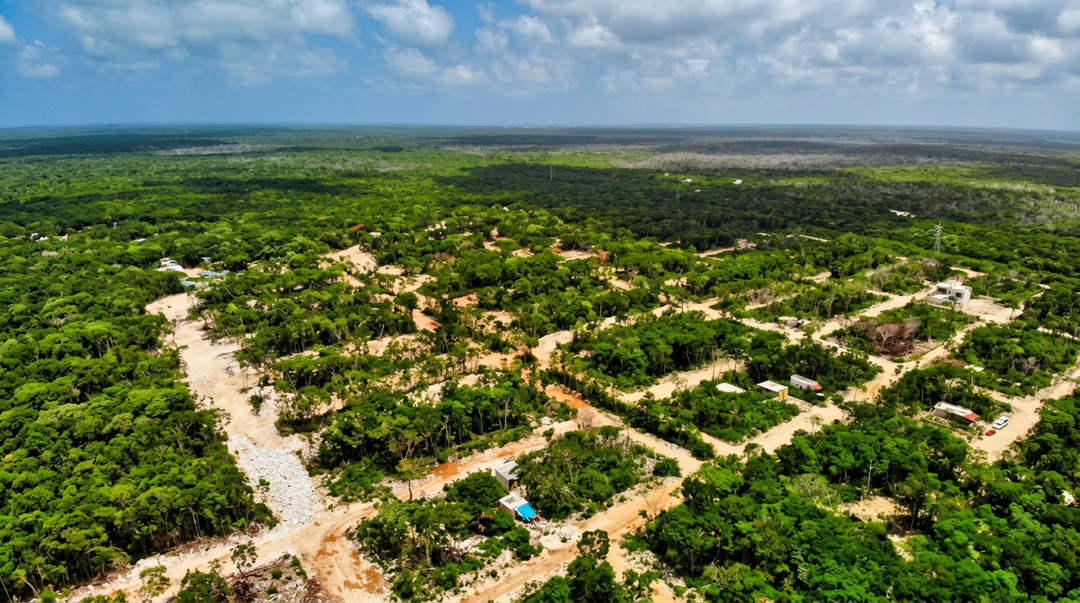
Según las organizaciones, el camino está siendo construido por la Secretaría de la Defensa Nacional (Sedena) como un compromiso hecho a ejidatarios durante negociaciones sobre terrenos para la Sección 5 del Tren Maya. Los grupos lo describen como un tramo de 16 kilómetros sobre el llamado camino Jacinto Pat, en un área de selva en pie.
La ruta no es nueva para activistas locales. Sélvame del Tren reportó a principios de este año que una derivación de aproximadamente 26 kilómetros, una vez planeada para mantener fuera del centro de Tulum el tráfico pesado de Cancún a Chetumal, había sido suspendida por carecer de permisos ambientales, y que el ejército después reanudó trabajos en un camino rediseñado que corre desde el Ejido Jacinto Pat hacia la carretera Tulum a Cobá. Cemda, Greenpeace y Sélvame MX ahora argumentan que lo que avanza no cumple función alguna de paso a través.

Activistas dicen que la ruta sirve a desarrolladores, no a conductores
José Urbina, el buzo de cuevas y fundador de Sélvame del Tren conocido como Pepe Tiburón, dijo que el camino no cumple función de conectividad pública. No es una derivación, argumentó, y no acorta viajes hacia Chetumal o Tulum, ni responde a las necesidades de movilidad, salud o educación de comunidad alguna. Lo llamó un proyecto de especulación inmobiliaria pagado con dinero público.
La organización vincula esa preocupación a un patrón familiar en Tulum. Una línea pavimentada que corta a través de selva frágil, advierten, abre la puerta al crecimiento urbano desordenado y a la especulación de terrenos en una de las zonas más sensibles de la Riviera Maya.
Los tres riesgos que Cemda advierte son irreversibles
Gustavo Alanís Ortega, fundador y director ejecutivo de Cemda, dijo a reporteros que la maquinaria pesada y el pavimento sobre este terreno conllevan tres consecuencias que describió como catastróficas e irreversibles.
La primera es el colapso. La lámina de piedra caliza delgada que cubre los cenotes y cavernas es extremadamente frágil, y los grupos advierten de hundimientos y falla del terreno. La segunda es hidrológica. El pavimento y la construcción podrían cortar los flujos subterráneos que se mueven naturalmente hacia el Caribe. La tercera es contaminación, cuando combustibles, residuos y otros contaminantes se filtran directamente al agua dulce que llega a residentes locales, al sector turístico y a la región más amplia.

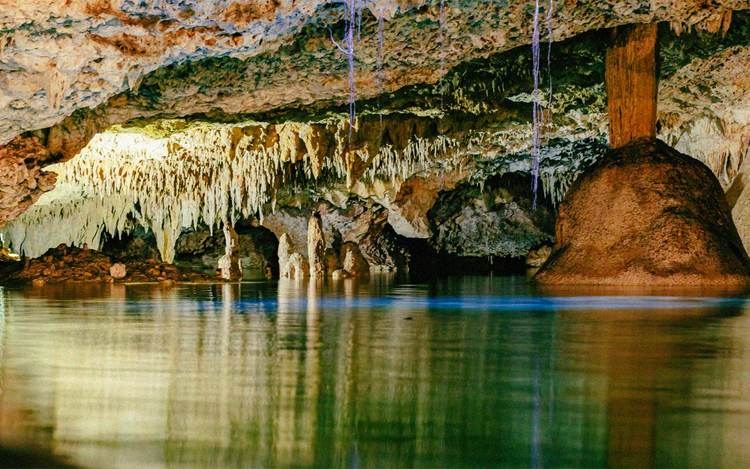
Alanís dijo que el trabajo también reshape el hábitat de hasta 78 especies en riesgo de extinción, y señaló la importancia del área para el mono araña. Sac Actun, que las organizaciones describen como el sistema de río subterráneo más grande del mundo con 368 kilómetros mapeados, se sitúa en el centro de esa advertencia. Los grupos anotan que la ruta también linda con la Falla Holbox, la fractura geológica que llaman el corredor de agua principal de la Península de Yucatán.
Cómo Sac Actun fue eximida de un estudio de impacto
El corazón legal de la disputa es un permiso. Los grupos dicen que Semarnat eximió el trabajo de presentar una Manifestación de Impacto Ambiental, la evaluación de impacto ambiental que la ley mexicana requiere, al tratarlo como la rehabilitación de un camino rural existente de aproximadamente 15,360 metros. En su relato, esa clasificación no se sostiene porque el proyecto es, en realidad, un camino nuevo, y la limpia ha talado parte de la selva ilegalmente.
Alanís también mencionó el ancho del camino. Dijo que la regulación que rige las evaluaciones de impacto excluye solo caminos que no superan seis metros, mientras que este mide siete. El 8 de junio, dijo, la comunidad afectada presentó un recurso de revisión ante la directoría de impacto ambiental de Semarnat. No había llegado respuesta, y Alanís no descartó buscar un amparo para detener la construcción.
La demanda, agregaron los grupos, señala conflictos con el Programa de Ordenamiento Ecológico Cancún Tulum, la Ley General de Desarrollo Forestal Sustentable y la Ley General de Vida Silvestre.
Un patrón a través de la Península de Yucatán
Pedro Uc, miembro fundador de la asamblea de defensa del territorio maya Múuch' Xíinbal, situó el camino en una historia más larga. En dos décadas, dijo, la península ha absorbido monocultivos a gran escala, granjas de cerdos y megaproyectos turísticos e inmobiliarios, y familias a veces han sido desplazadas del lugar donde nacieron.
José Luis Perlasca Ruz, de Greenpeace México, hizo el mismo punto sobre escala. Sac Actun no es un caso aislado, dijo, sino parte de una acumulación alarmante y simultánea de daño a través de un territorio ya empujado a su límite. Las tres organizaciones resumieron lo que está en juego en una sola advertencia: si Sac Actun colapsa, la vida en el Caribe colapsa con ella.
Semarnat permanece en silencio mientras se acerca un amparo
Los reporteros que solicitaron información a Semarnat sobre el proyecto no habían recibido respuesta en el momento en que las organizaciones hablaron. Por ahora, el trabajo continúa mientras la apelación permanece sin respuesta, y los grupos han señalado que están preparados para escalar a los tribunales. La decisión sobre si suspender el camino, y si Sac Actun es estudiada antes de que caiga más selva, recae en las autoridades federales que las tres organizaciones están presionando.
¿Debería permitirse un camino sin función pública sobre el acuífero Sac Actun? Únete a la conversación y comparte tu perspectiva con nosotros en Instagram y Facebook en @thetulumtimes.

The Tulum Times · Newsletter
La nota sigue en tu correo.
Lo esencial de Tulum y contexto local, un par de veces por semana. Gratis.
Sin spam. Cancelá cuando quieras.
Tulum Development, Permits, and Construction Watch
Reporting on permits, construction, regulation, and major development decisions shaping Tulum’s urban growth and investment climate.

“The best journalists reporting from paradise, highlighting the heroes that keep Tulum the most beautiful place in the world! THANK YOU!”