
Bacalar quiere que el aeropuerto de Tulum haga por ella lo que años de lealtad doméstica no pudieron lograr. El municipio está impulsando elevar a los visitantes extranjeros por encima de su actual participación del 20 por ciento, apostando a que la terminal ubicada una hora al norte pueda finalmente conectar la Laguna de los Siete Colores con mercados que antes requerían un viaje mucho más largo.
Para un destino que generó aproximadamente 90 millones de dólares en turismo en 2025, lo que está en juego es concreto. Edmundo Gómez, director de turismo de Bacalar, ha presentado a los visitantes internacionales como la siguiente fase de crecimiento, y al aeropuerto como la infraestructura que hace plausible esa fase.
Los visitantes extranjeros son uno de cada cinco
Los números explican la urgencia. Aproximadamente el 80 por ciento de las personas que llegan a Bacalar son viajeros nacionales, la mayoría de la Ciudad de México y su área metropolitana, seguidos de cerca por Guadalajara y Monterrey. Estos tres mercados sostienen al destino durante la mayor parte del año.
El 20 por ciento restante proviene del extranjero, y es la porción que los funcionarios ahora quieren ampliar. La estrategia de promoción se concentra en mercados que han crecido constantemente para Bacalar, encabezados por Estados Unidos y seguidos por España, Francia y Alemania. Los visitantes europeos tienden a concentrarse en temporadas específicas y gastan a un nivel que importa a los operadores locales.

Por qué el aeropuerto de Tulum cambia las matemáticas
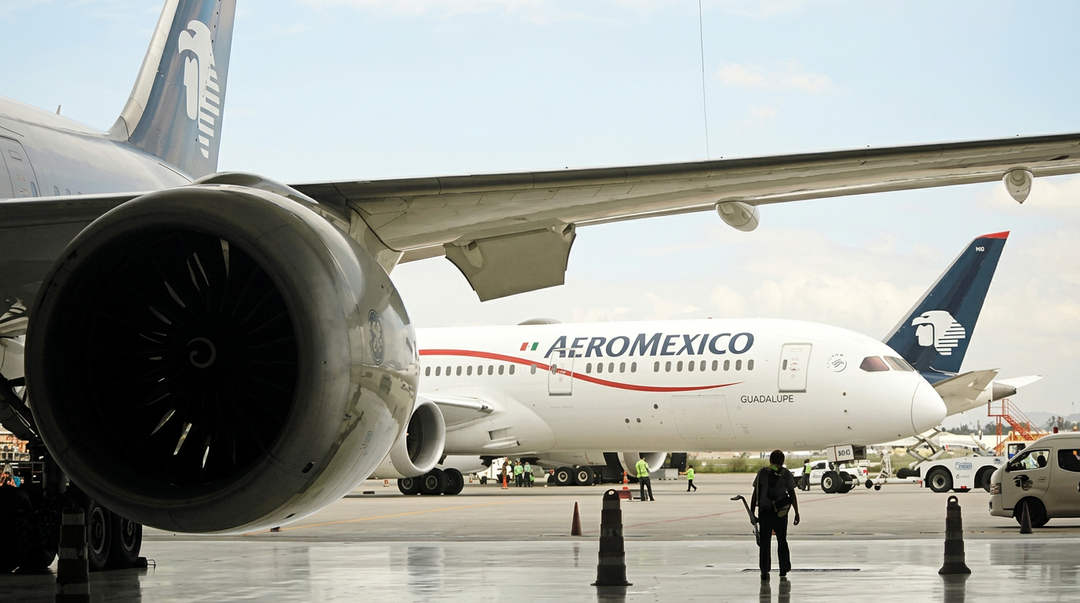
Hasta hace poco, llegar al sur de Quintana Roo desde el extranjero significaba volar a Cancún y manejar durante horas. Las autoridades municipales atribuyen al Aeropuerto Internacional Felipe Carrillo Puerto en Tulum haber acortado gran parte de esa distancia y haber abierto canales de promoción que antes no eran realistas.
El optimismo viene acompañado de una complicación que Bacalar no controla. Los reportes sobre la terminal de Tulum este año describen una caída abrupta de pasajeros internacionales, con proyecciones apuntando hacia aproximadamente 700 mil usuarios internacionales para 2026, bajando de más de 1.2 millones el año anterior. Voces de la industria han argumentado que el aeropuerto aún necesita atraer a los viajeros europeos que favorecen los destinos del sur, la misma audiencia que persigue Bacalar. La puerta existe. Si entrega el volumen en el que Bacalar está contando sigue siendo una pregunta abierta.
Miami, Madrid y los mercados que Bacalar quiere
El movimiento más claro hasta ahora es institucional. Bacalar se está coordinando con el consulado mexicano en Miami para atraer a más visitantes estadounidenses, tratando a Estados Unidos como prioridad debido a su crecimiento constante y la conectividad aérea que proporciona la nueva infraestructura.
El empuje europeo es más estacional por naturaleza. Los viajeros españoles, franceses y alemanes llegan en ventanas concentradas en lugar de distribuirse a lo largo del año, lo que los hace valiosos para llenar brechas específicas en el calendario en lugar de suavizar la demanda en general.

El problema de 2.5 días
Atraer visitantes es solo la mitad de la ecuación. La otra mitad es mantenerlos más tiempo. Los viajeros actualmente pasan un promedio de 2.5 días en Bacalar, y los funcionarios quieren elevar eso a tres. El día adicional no es una métrica de vanidad. Se traduce directamente en más gastos en hoteles, restaurantes, operadores de tours y pequeños negocios que bordean la ciudad.
La estacionalidad sigue siendo un punto débil. La actividad se mantiene durante la mayor parte del año, pero aún aparecen períodos bajos, y el municipio está utilizando eventos para suavizarlos. Ferias tradicionales, festivales culturales y competencias de nado en aguas abiertas están programadas para atraer visitantes a los períodos más lentos del calendario.
Crecimiento según los términos de la laguna
Bacalar está intentando expandir su base de visitantes sin copiar el modelo de desarrollo que transformó a Tulum y Playa del Carmen. En los últimos meses, el gobierno municipal reiteró su rechazo a todos los complejos hoteleros todo incluido, argumentando que el formato es incompatible con la protección de la laguna que ancla al destino.
Esa posición establece un límite claro alrededor del empuje internacional. El objetivo es más gasto extranjero y estadías más prolongadas, no un auge de construcción en la costa. Para un lugar cuyo atractivo completo descansa en el estado de su agua, el cálculo es directo. Los siete colores son el producto, y la estrategia está diseñada para vender acceso a ellos sin ponerlos en riesgo.
La siguiente prueba es medible. Si las cifras de 2026 superan la marca de 90 millones de dólares y la participación extranjera sube, la apuesta por el aeropuerto de Tulum se verá justificada. Si los números de pasajeros en esa terminal siguen cayendo, Bacalar estará promocionando una puerta que se estrecha justo cuando necesita ampliarse.
¿Debería Bacalar seguir apostando al aeropuerto de Tulum para traer visitantes extranjeros, o construir su propio camino hacia los mercados internacionales? Únete a la conversación y comparte tu perspectiva con nosotros en Instagram y Facebook en @thetulumtimes.

The Tulum Times · Newsletter
La nota sigue en tu correo.
Lo esencial de Tulum y contexto local, un par de veces por semana. Gratis.
Sin spam. Cancelá cuando quieras.
Tulum Airport, TQO Flights, and Arrival Logistics
Coverage and practical guidance around Tulum International Airport, routes, transfers, delays, and airport operations.

“The best journalists reporting from paradise, highlighting the heroes that keep Tulum the most beautiful place in the world! THANK YOU!”