
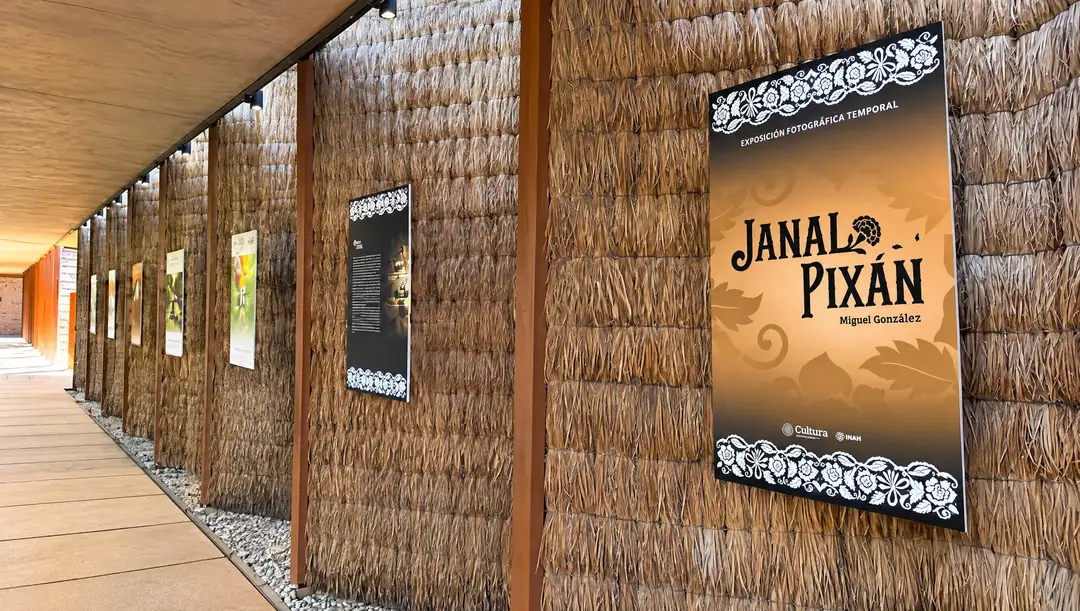
A Janal Pixán exhibition in Tulum is now on view at the Museo Regional de la Costa Oriental, where 20 photographs by Miguel González follow Maya families as they prepare to receive their dead.
The show, titled Janal Pixán, tradición que no muere en Quintana Roo (Janal Pixán, a tradition that will not die in Quintana Roo), was presented by Mexico's Secretariat of Culture through the National Institute of Anthropology and History (INAH) as part of the Day of the Dead season. Admission is free, and the images will remain at the museum, known as Mureco, until February 28, 2027.
Janal Pixán, a Maya phrase usually translated as "food of the souls," is how families across the Yucatán Peninsula remember relatives who have died. In much of Quintana Roo, the observance runs from October 31 to November 2, so the exhibition arrives just as altars go up in homes around Tulum. Visitors who see those altars this weekend will mostly see the finished result. González photographed the work that comes before it.
A day of preparation told from dawn to nightfall
González arranged the 20 images as a single day. The sequence starts at sunrise and ends after dark, and each stage corresponds to one of the processes that give shape to the celebration, according to INAH.
The first photographs are set in the milpa, the family cornfield, and in the monte, the surrounding forest as it is known locally. Families gather flowers, fruit, and other plants there for the offerings.
Corn runs through this part of the show. It is a staple of Maya cooking and the base of many dishes prepared for the souls.
The sequence then moves indoors. These scenes show candles being handmade, traditional food and drinks being prepared, and family altars being arranged. Jícaras, the gourd bowls used to serve food and drink, appear alongside flowers, copal incense, and candles. INAH says the images center on the work and knowledge required to make each element, and on how that knowledge passes from one generation to the next, rather than on the objects as finished pieces.
Candlelight and the visit to the cemetery
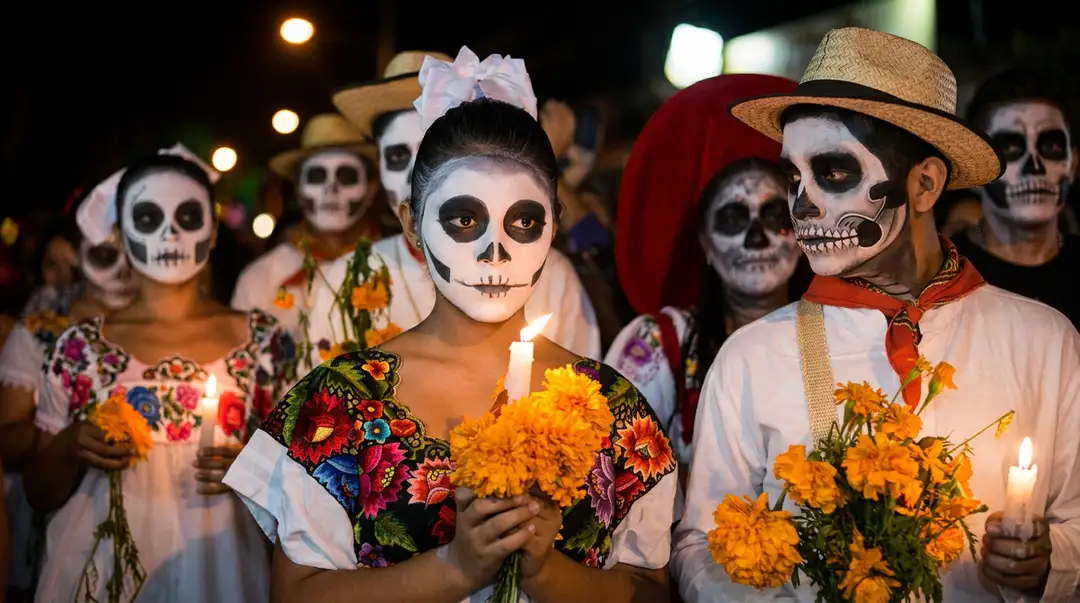
The last part of the show turns to the rituals themselves: completed altars, prayers, offerings, and visits to the cemetery to honor the pixanes, the Maya word for the souls of the dead. The closing scenes are taken at night, when candlelight and the spaces set aside for the departed dominate the frame.
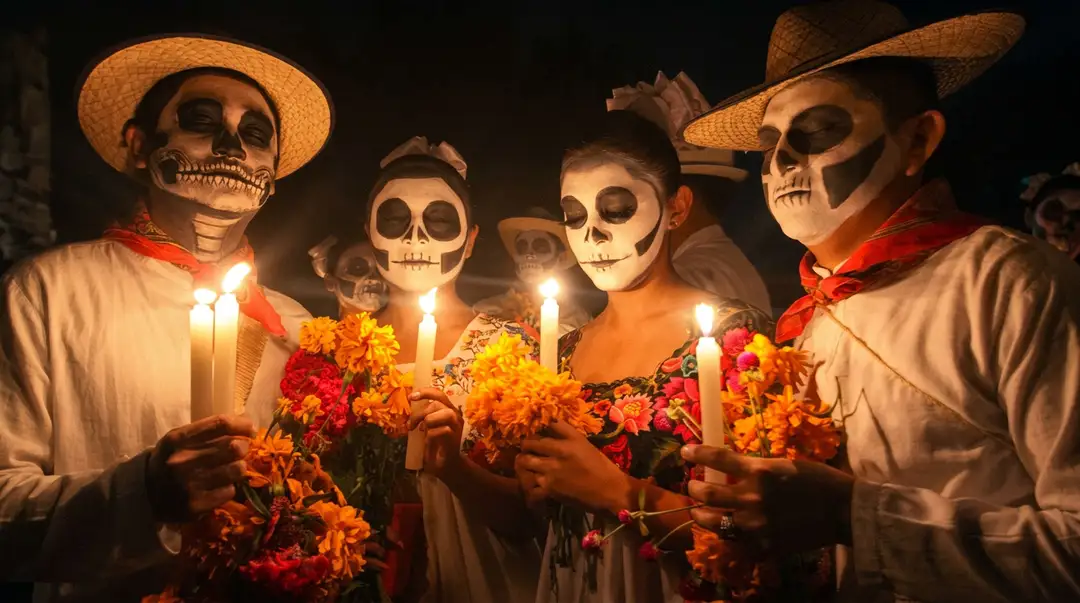
Years spent alongside Maya communities in Quintana Roo
The exhibition is the product of several years of work and time spent living alongside Maya communities in the state, INAH said. González's photography has long concentrated on the cultural and natural heritage of southeastern Mexico, and this series keeps its focus on the people and processes that keep Janal Pixán alive.
The prints are vertical, 60 by 90 centimeters, mounted on PVC foam board and placed along the museum's corridors and outdoor paths. Each carries a label explaining the activity shown and the cultural elements in it, so visitors unfamiliar with the tradition can follow the sequence on their own.
Mureco's altar of replica dishes for the souls
The walk ends at an altar built by Mureco staff and modeled on traditional Janal Pixán offerings. The food on it is made from non-edible materials, a choice INAH says is meant to protect local wildlife.
The replicas cover the regional menu for the dead. There is balché, a ceremonial drink; relleno negro, a stew darkened with charred chiles; pozol, a drink made from corn dough; panuchos; tamal torteado; candied squash; and regional fruit. At the center of the table sits pibipollo, the oversized tamal of corn dough and other ingredients, cooked in an underground oven.
Regional flowers, candles, copal burners, a palm arch, and a green cross complete the offering. The green cross is a fixture of Maya religious practice on the peninsula.
Visiting the Janal Pixán exhibition in Tulum
Mureco sits inside Jaguar Park, close to the Tulum archaeological zone. The museum is open Tuesday through Sunday from 9 a.m. to 5 p.m., and the photographs can be seen at no cost during those hours. Full details are in the INAH announcement.
The museum opened on September 7, 2024. Between September 2025 and August 2026, it received 104,151 visitors, which INAH says makes it the institute's most visited venue in Quintana Roo and across the Yucatán Peninsula. Its permanent galleries trace the history of the Mexican Caribbean coast from its earliest inhabitants to the Maya communities who live there today.
The candles on family altars around Tulum will be out by the first week of November. González's photographs of how those altars came together stay along Mureco's paths through February 28, 2027.
Which Janal Pixán dish would you most like to see prepared by a Maya family in Tulum? Join the conversation and share your perspective with us on Instagram and Facebook at @thetulumtimes.

The Tulum Times · Newsletter
The story continues in your inbox.
Essential Tulum news and local insight, a few times a week. Free.
No spam. Unsubscribe anytime.

“The best journalists reporting from paradise, highlighting the heroes that keep Tulum the most beautiful place in the world! THANK YOU!”