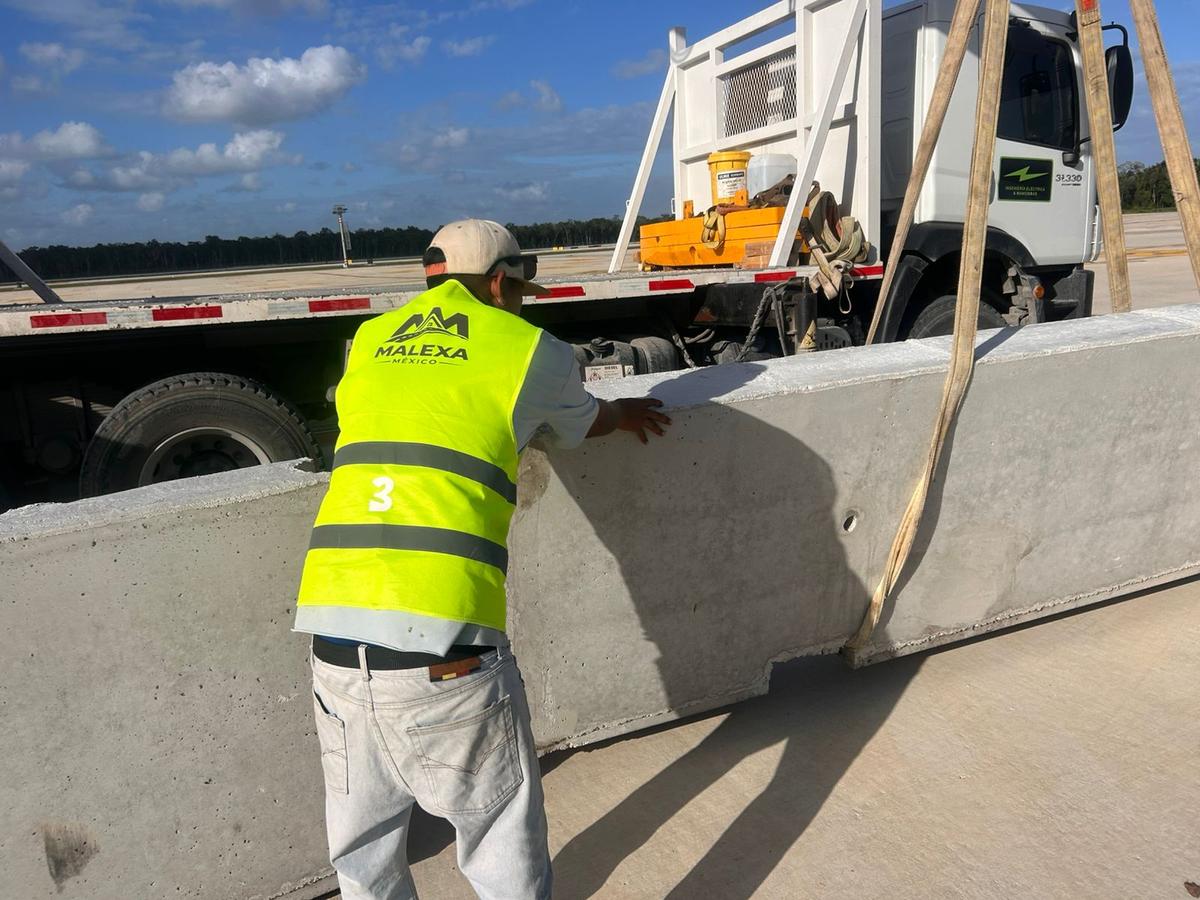
NASCAR Trucks Mexico Series will race in Tulum on April 26 as part of the Tulum Air Show, turning Military Air Base 20 into a temporary oval where teams arrive with no competitive references.
That setup makes this date more than another stop on the 2026 calendar. In a short, fast, technical layout built specifically for the event, adaptation speed may carry as much weight as outright pace, and one poor decision in traffic can erase an entire weekend.
The air show, organized by the Mexican Air Force from April 23 to 26, creates an unusual stage for the category. Instead of a traditional autodrome with years of data, teams face a one-off environment where engineers and drivers must interpret grip, braking points, and tire behavior almost lap by lap.
Organizers and teams expect a 200-lap race, which adds strategic pressure to an already compressed format. On a compact oval, lapped traffic appears quickly, restart execution becomes critical, and small setup mistakes are amplified over long green-flag runs.
A Track That Forces Real Time Decisions
The Tulum oval is described by teams as short, high speed, and highly technical. That combination usually leaves minimal recovery margin. Drivers need precision on entry and exit every lap, while spotters and crew chiefs must react quickly to evolving race lines and changing surface behavior.
With no prior competition history at this venue, there is no reliable baseline to import from previous seasons. Practice sessions become a data sprint, not a routine. Teams that identify braking references early, protect tire life, and manage traffic cleanly are likely to gain track position without taking excessive risk.
For championship contenders, the larger challenge is balancing urgency against control. A temporary oval can reward aggression, but it can also punish overcommitment through contact, damage, or penalties that are difficult to recover from over 200 laps.
HO Speed Racing Brings Four-Car Ambition
HO Speed Racing enters Tulum presenting the weekend as one of the most disruptive tests of the year. The team arrives with four trucks and a lineup built around experience, development momentum, and controlled aggression, all under identical uncertainty conditions for the full grid.
Everardo Fonseca, in Truck #94 backed by Nucage Racing and Advertising, Prisa Siglo, Glacier Water, and 3M, is positioned as one of the names to watch. The team highlights his race reading and short-oval background as key tools for a circuit where precision has to hold from first laps to final stint.
In team statements, Fonseca framed the race as a major technical challenge and said the objective is clear. He expects a demanding 200-lap contest, aims to fight for victory, and wants to maximize points in a date that could influence the championship trajectory early in the season.
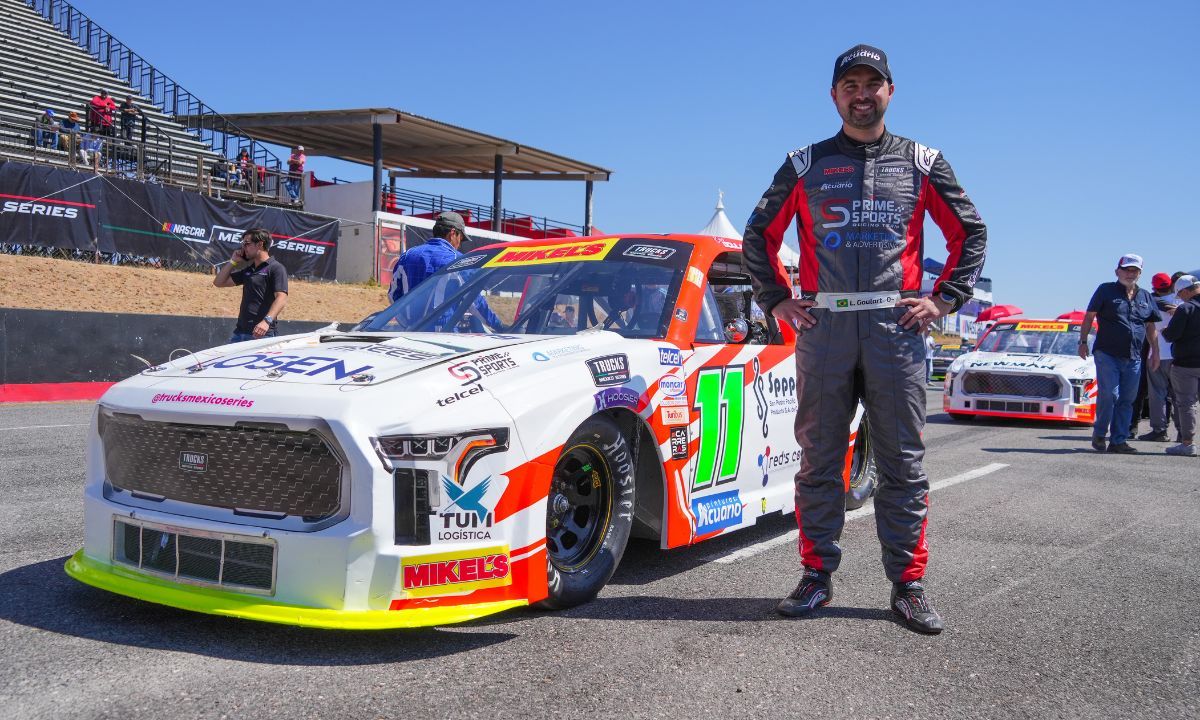
Luis Goulart arrives in Truck #11 with Prime Sports, Prisa Siglo, Glacier Water, and 3M after what the team described as strong development progress in the previous round. His camp sees Tulum's reset conditions as a competitive opportunity, because every driver starts without local track history.
Goulart said lessons from the last date improved the truck package and reinforced trust in the engineering and mechanic groups. In practical terms, that confidence matters in Tulum, where quick setup corrections between sessions can decide whether a team races forward or spends the day defending position.
Jan Philipp Krull, driving Truck #1 with Prime Sports, Prisa Siglo, Glacier Water, and 3M, represents the younger edge of the lineup. The team expects his dynamic style to help decode the track early, especially during the opening phase when grip patterns and overtaking lanes are still unsettled.
Krull described the base-built circuit as extra motivation and said the group arrives with a winning mindset focused on understanding the oval from the first laps. His target is straightforward. Put Truck #1 in the front group and sustain that position for fans in Quintana Roo.
Jesus Ruiz closes the roster in Truck #25, also with Nucage Racing and Advertising, Prisa Siglo, Glacier Water, and 3M. HO Speed Racing points to his consistency under pressure as a potential advantage in a race where contact risk rises as the field compresses in repeated traffic cycles.
Ruiz called the event a milestone for Trucks Mexico Series and emphasized maximum concentration for a small, fast oval. His approach prioritizes staying in rhythm, avoiding avoidable incidents, and keeping Truck #25 in contention as strategies unfold through long race distance.
Why This Date Could Reshape Early Standings
Temporary tracks often expose organizational quality as much as driver speed. The teams that communicate cleanly, process data quickly, and adjust without panic usually gain the largest edge when conditions are unknown.
In Tulum, that logic is intensified by the venue itself. A military base setting, an event-first oval, and a dense 200-lap format compress the usual preparation cycle into a narrow execution window. There is little space for conservative learning.
That is why this race could act as a separator in the early phase of the 2026 campaign. A strong result in an unpredictable environment can deliver more than points. It can establish confidence, validate technical methods, and shape team momentum before the calendar returns to more familiar circuits.
For HO Speed Racing, the message ahead of April 26 is direct. This is not only a showcase date inside a high-visibility air show weekend. It is a competitive stress test where instant adaptation may determine who controls the asphalt in the Mexican Caribbean.
Will track adaptation or raw speed decide the first NASCAR truck race in Tulum? Join the conversation and share your perspective with us on Instagram and Facebook at @thetulumtimes.
Support The Tulum Times
Independent journalism takes time and resources. If you found this article valuable, consider supporting our work!
Buy us a taco 🌮“The best journalists reporting from paradise, highlighting the heroes that keep Tulum the most beautiful place in the world! THANK YOU!”
Read Next