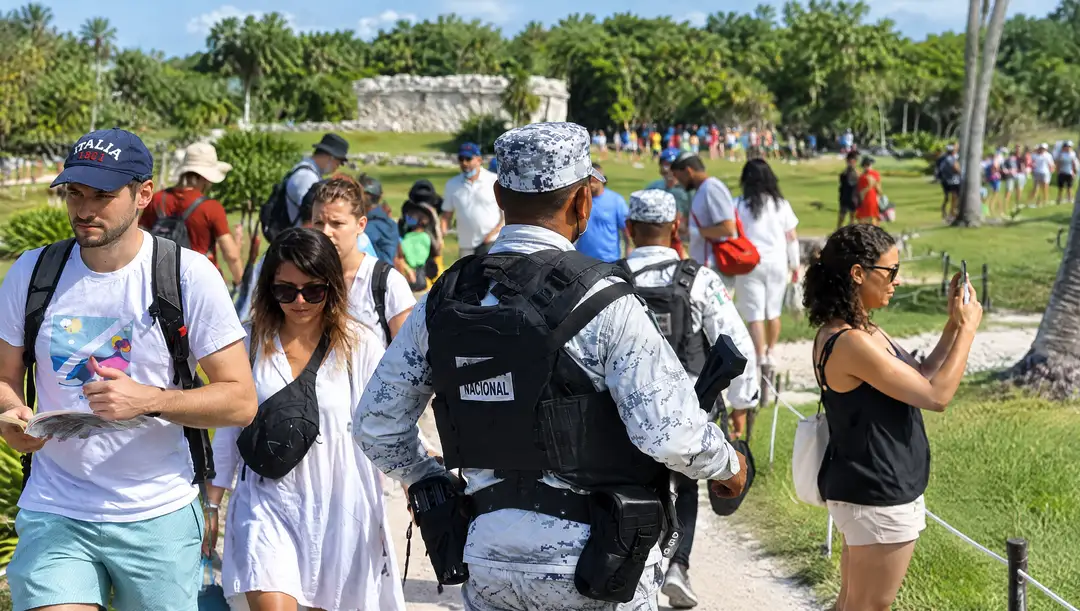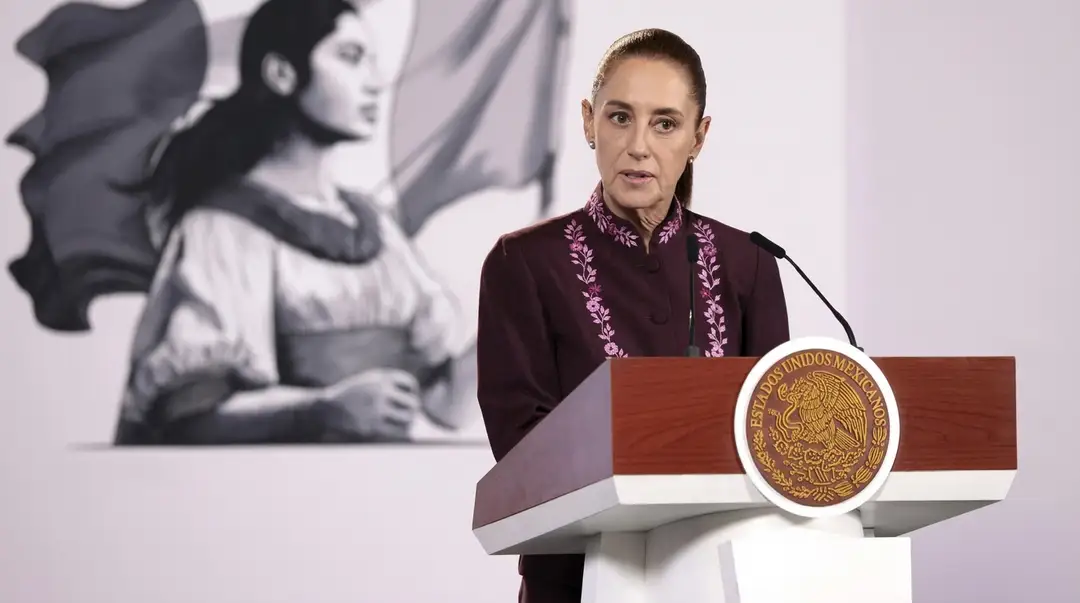
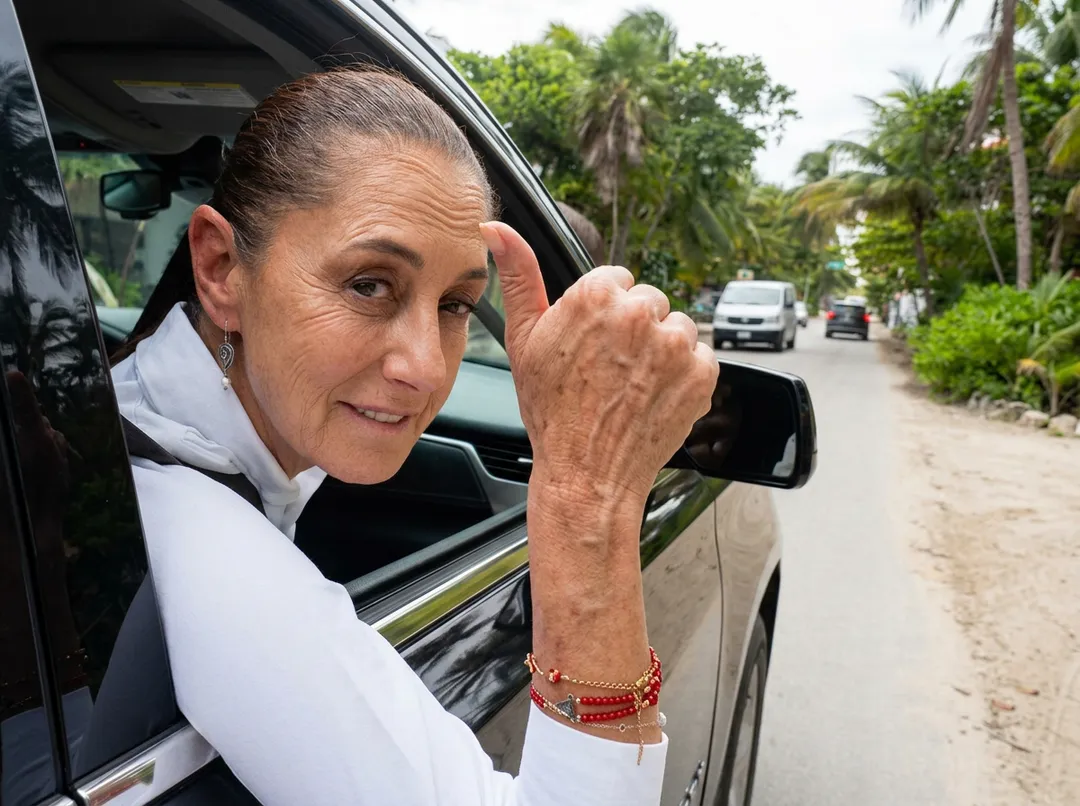
President Claudia Sheinbaum used her Friday morning press conference in Tulum to dismantle the Parque del Jaguar fee structure that has strangled this town's tourism economy since the park opened.
Entry to the park will now be free for Mexicans. The combined fee for the archaeological zone and the protected natural area drops to 80 pesos for nationals and 265 pesos for foreigners, roughly what visitors paid in 2018 and 2019. The wall at the traditional entrance comes down, to be replaced by an open Maya arch. Walking access returns, and the electric shuttle becomes optional at 20 pesos. The government said the new tariffs would be published in the Diario Oficial de la Federación the same afternoon.
This newspaper welcomes every one of those measures. We also believe Tulum deserves an honest accounting of why they became necessary, because Friday's announcement was not a gift. It was an admission.
An Admission Dressed as an Announcement
For more than a year, hoteliers, guides, taxi drivers, artisans and restaurant owners repeated the same warning to anyone who would listen: the park's access model was pricing Tulum out of its own market. A foreign visitor paid 415 pesos to reach a beach that had always been free. A Mexican paid 255, a Quintana Roo resident 105, and everyone was funneled into a mandatory shuttle. The complaints were public, specific and constant.
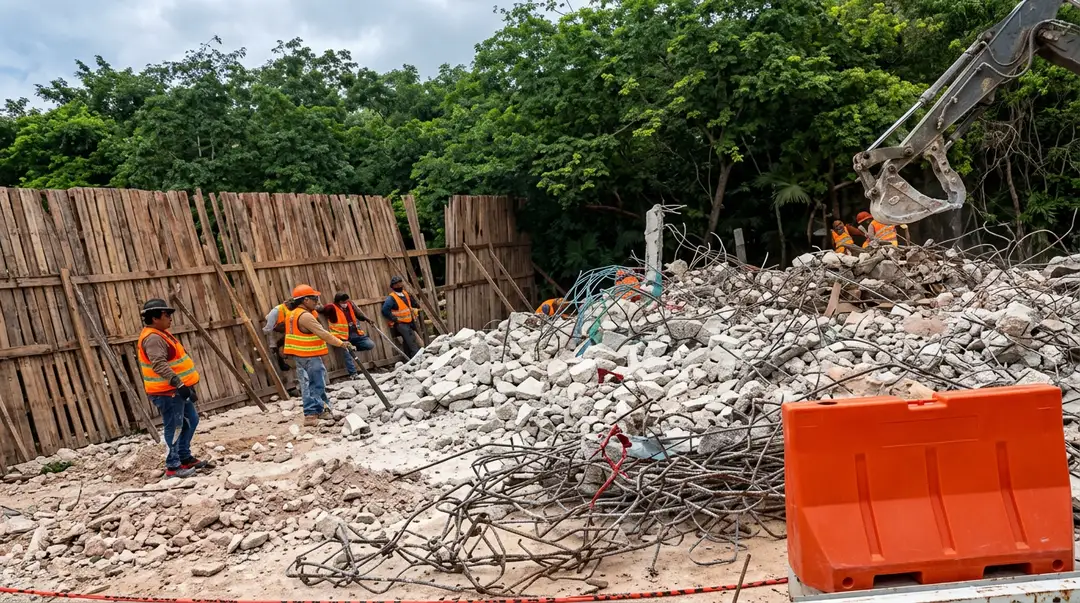
The numbers eventually said it louder than the complaints did. INAH figures show the archaeological zone received 257,978 visitors between January and March of this year, a 33.1 percent drop from the 385,879 recorded in the same period of 2025, which was itself the weakest year in 15 years outside the pandemic. By late May, a petition started by a Tulum resident asking that the park be separated from the archaeological zone had gathered more than 2,800 signatures.
None of that moved the federal apparatus. What moved it was the president herself, who toured the park with Governor Mara Lezama on Thursday, met behind closed doors with business owners, reportedly reproached the head of Conanp for problems left unresolved, and by Friday morning had reversed nearly everything this community had been contesting.
We are glad she came. We are troubled that she had to.
The Price Tulum Paid for the Parque del Jaguar
The damage of the past 18 months cannot be repealed in the Diario Oficial. Livelihoods built around the beach road absorbed a season and a half of thin crowds. Workers were let go. A destination that once sold itself was forced to watch its reputation curdle on social media, where the fees, the wall and the shuttle became shorthand for a town that had lost control of its own front door.
That last phrase is the uncomfortable core of this story. The park is operated by Grupo Mundo Maya, a Defense Ministry enterprise, and the fees that emptied the beach were set far from any office in this municipality. Friday's rollback corrects the pricing. It does not answer the governance question underneath it: a community whose principal asset is managed by an entity that does not answer to that community, and that took a 33 percent collapse and a presidential intervention to change course.
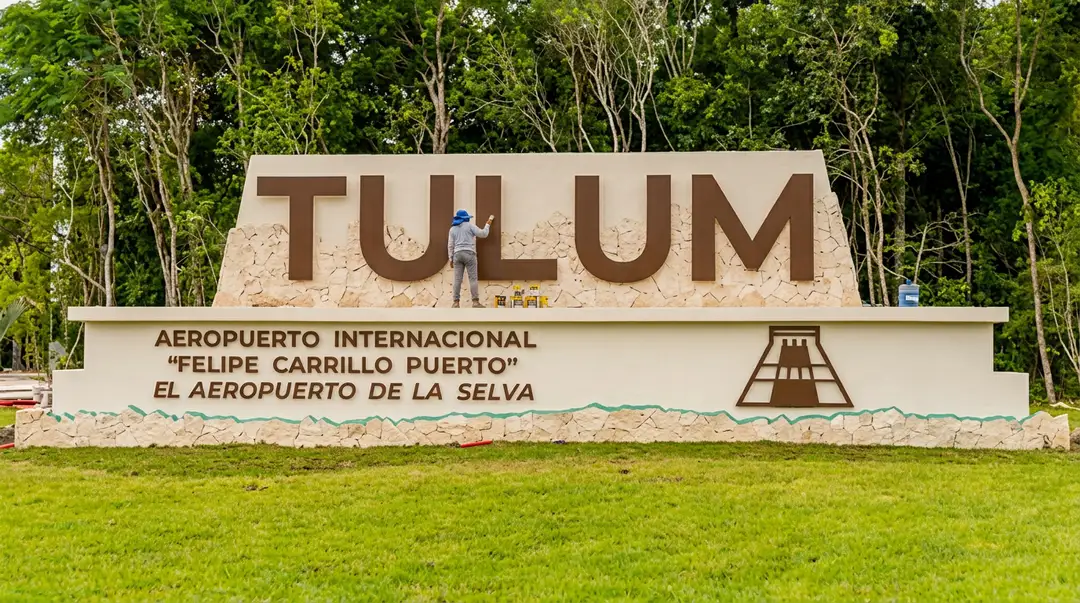
Lower fees are a decision. Local accountability is a structure. Tulum got the first on Friday. It is still waiting for the second.
The Mayor Who Was Not in the Picture
Something else stood out this week, and it was not on the official program. Mayor Diego Castañón Trejo was not seen at the president's side during her public activities in Tulum, an absence hard to miss in a visit built around this municipality's problems.
The contrast was sharpened by what came the day before. On Wednesday, as the presidential visit was confirmed, the mayor's office circulated videos of crews clearing sargassum from the beaches. Residents responded with hundreds of critical comments accusing the city of staging a cleanup for the cameras after weeks of accumulation. Whatever the explanation for his absence- protocol, politics, or prudence- the image that remains is of a Tulum rescued from above while its own city hall stayed out of the frame. That says something uncomfortable about where leadership in this town actually resides.
What Still Needs an Answer
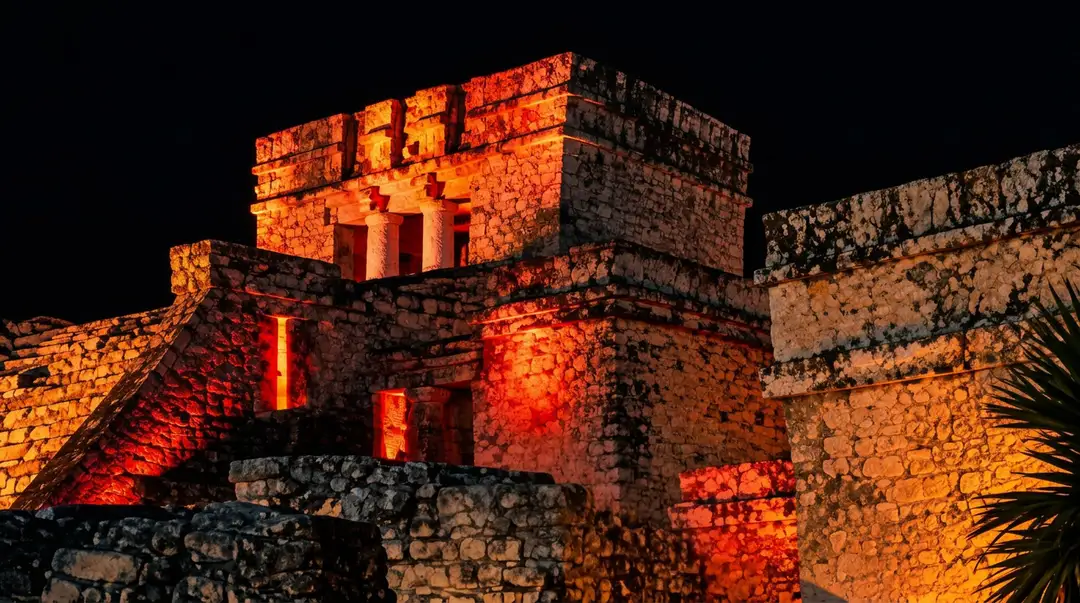
Credit where it is due. The federal government arrived with more than the park decision. Officials reported that homicides in Quintana Roo have fallen 85 percent since September 2024, with Tulum recording two consecutive months without a case. A tourism promotion campaign was promised, along with night lighting for the archaeological zone starting in November. On sargassum, the president outlined additional collection vessels, offshore barriers and recycling of the algae, with the full strategy to be presented Sunday in Puerto Morelos.
The open questions are just as concrete. Will Grupo Mundo Maya's operational role shrink, or merely its prices? Who verifies that the free beach accesses stay open once the presidential plane leaves? Does the promotion campaign come with a budget and a calendar, or only a podium mention? And will the sargassum plan arrive with the fleet and the barriers in the water, or as a document?
The honest verdict on this visit will not be written this week. It will be written in the winter high season, when Tulum learns whether travelers who crossed it off their lists are willing to give it another look. The announcements of Friday made that recovery possible. The silence of the previous 18 months is why it is needed at all.
Do Friday's changes at the Parque del Jaguar go far enough to bring visitors back to Tulum? Join the conversation and share your perspective with us on Instagram and Facebook at @thetulumtimes.
This image was generated or enhanced using artificial intelligence to improve its quality.

The Tulum Times · Newsletter
The story continues in your inbox.
Essential Tulum news and local insight, a few times a week. Free.
No spam. Unsubscribe anytime.
Beach Access, Public Shoreline, and Coastal Rules in Tulum
Coverage of public beach access, coastal restrictions, closures, and the balance between tourism and public space.

“The best journalists reporting from paradise, highlighting the heroes that keep Tulum the most beautiful place in the world! THANK YOU!”