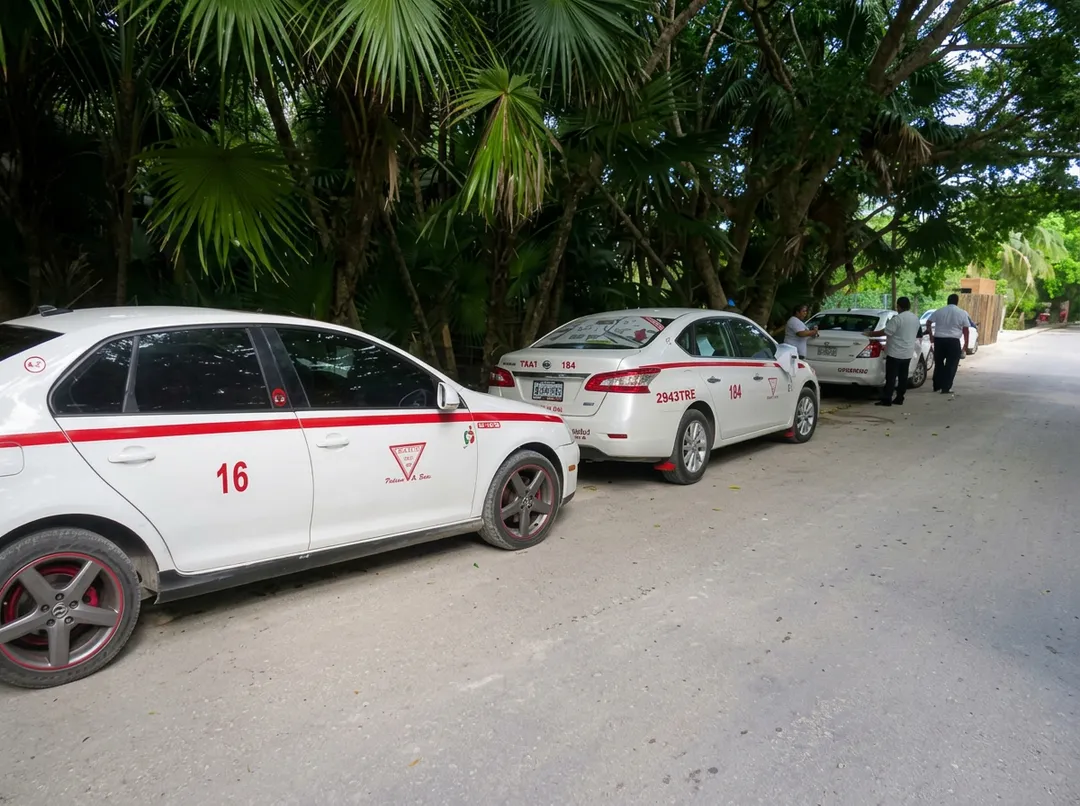
The overcharging of tourists in Tulum, led by inflated taxi fares and forced restaurant tips, could undo the town's fragile recovery, residents warn, just as the federal government moves to revive the destination.
The frustration is spreading across local social media, where residents and service workers describe a return to the same habit that emptied Tulum's hotels in the first place. Someone charges a visitor 350 pesos ($20 USD) for a five-minute ride, the story circulates, and the town's reputation takes another hit.
The timing is what sharpens the complaint. This week President Claudia Sheinbaum announced Plan Tulum Renace, a federal effort to draw visitors back to a destination that lost them after years of runaway prices. Residents say that effort collapses if the first thing a returning tourist meets at the curb is a fare three times what locals pay.
The fares residents say do not add up
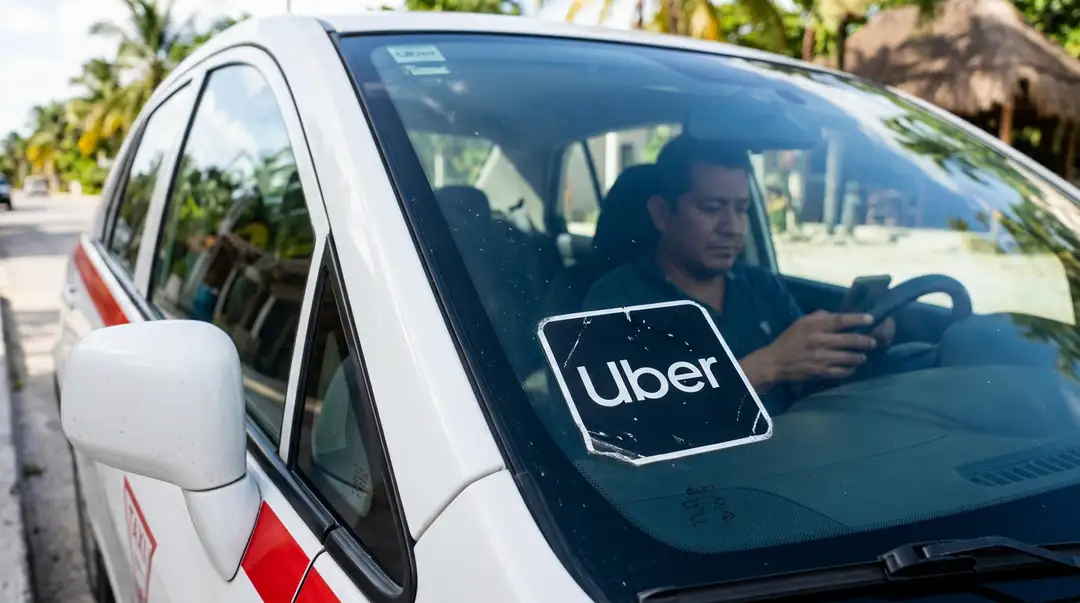
The sharpest anger is aimed at taxis. In posts shared over the past days, residents describe being charged 150 pesos for short trips, including the run between the town center and La Veleta, a fare they say should cost 50 to 70 pesos. The gap, repeated across many comments, is what turned individual annoyance into a public argument.
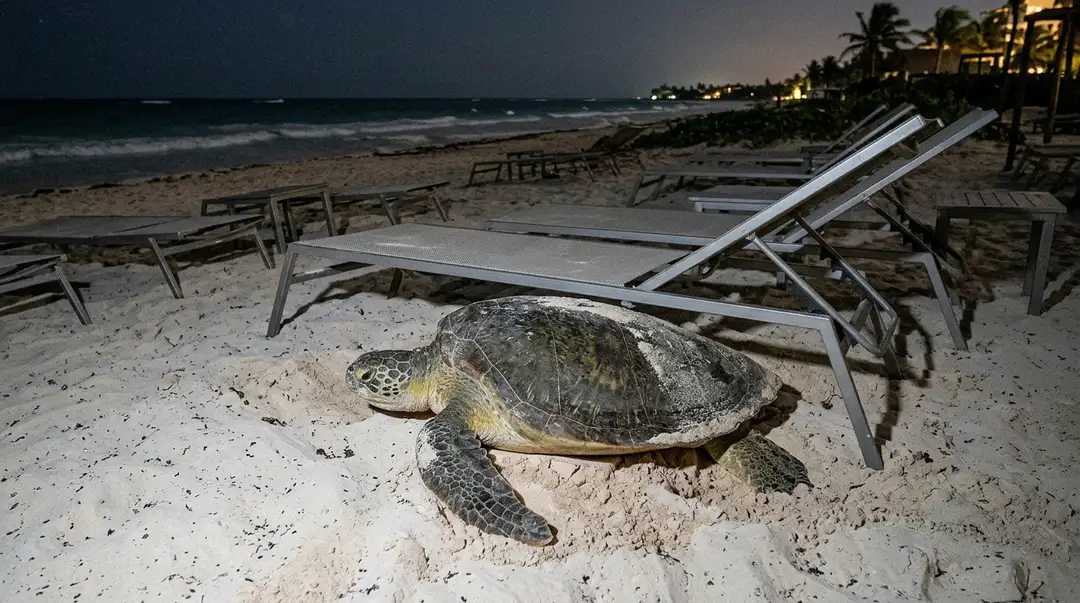
The frustration is not only about money. One waiter in the town center, in a widely shared post, described how a single inflated fare colors a visitor's entire trip and then rebounds on locals through the town's reputation. When word spreads that Tulum overcharges, he wrote, everyone who depends on tourism pays for it.
Residents frame the taxi issue as self-defeating. Tulum lives on repeat visitors and recommendations, they argue, and a driver who wins 100 extra pesos today loses the customer who would have come back tomorrow.
What Tulum residents are demanding
The online backlash has hardened into a short list of specific demands aimed at authorities and service providers.
The first is an official taxi fare table, a tabulador, posted in plain view and actually enforced, so a passenger knows the price from the town center to the hotel zone before getting in. The second is a local PROFECO office, the federal consumer protection agency, so a tourist or resident who is charged too much has somewhere in Tulum to file a complaint. The third is an end to the mandatory tip that some restaurants add directly to the bill, a charge residents say should be a choice, not a surcharge.

"We do not want surprises. We want clear prices," one resident wrote, summarizing a thread that drew wide reaction.
How overcharging tourists nearly broke Tulum
The anger did not appear from nowhere. In late 2025, PROFECO ran an operation across Tulum's hotels, restaurants, and beach clubs and documented the pricing practices that made national headlines. Inspectors found three tacos selling for as much as 400 pesos, compared with 45 to 140 pesos elsewhere in the country, quesadillas priced between 120 and 290 pesos, and beach access priced above 400 pesos. Several businesses were suspended.
The reputation damage showed up in the occupancy numbers. Hotels along the coast reported summer drops of up to 25 percent in 2025, and Tulum's tourism promotion trust launched a 3.2 million dollar campaign to repair the destination's image. Residents now argue that campaign is wasted if the taxi at the airport curb undoes it in five minutes.
A federal plan to revive the coast
The demands land in the same week that the federal government put its own weight behind Tulum. Sheinbaum announced Plan Tulum Renace, which includes free entry to Jaguar Park and new admission rates for the archaeological zone and protected natural area, set at 80 pesos for Mexican nationals and 265 pesos for foreign visitors.
The president paired it with a broader plan to clear sargassum from Quintana Roo beaches, coordinated by the Navy and the federal tourism ministry and set to begin within 15 days, with new vessels to capture the seaweed offshore before it reaches the sand. Sheinbaum flew the coastline from Tulum to Puerto Morelos to assess the damage before announcing the plan.
That is the collision residents keep pointing to. The federal government is spending to reopen beaches and lower the cost of Tulum's landmarks, while they say some local operators are quietly raising the cost of everything else.
What still has to change on the ground
None of the residents' demands exist yet. Tulum has no posted, enforced taxi tabulador, no local PROFECO office, and no rule stopping a restaurant from adding a tip to the check. The federal plans move on their own timeline, 15 days for the first sargassum vessels and a new fee schedule already in effect at the ruins.
The high season is the real test. Whether Tulum's drivers and restaurateurs align with the money the federal government is spending, or keep charging what the traffic will briefly bear, will decide if this recovery holds or stalls like the last one.
Have you been overcharged for a taxi or a meal in Tulum, and would a posted fare table actually change how you travel here? Join the conversation and share your perspective with us on Instagram and Facebook at @thetulumtimes.
This image was generated or enhanced using artificial intelligence to improve its quality.

The Tulum Times · Newsletter
The story continues in your inbox.
Essential Tulum news and local insight, a few times a week. Free.
No spam. Unsubscribe anytime.
Transportation in Tulum: Taxi, Bus, Transfers, and Mobility
Taxi fares, buses, transfers, road changes, mobility updates, and practical transport guidance for Tulum.

“The best journalists reporting from paradise, highlighting the heroes that keep Tulum the most beautiful place in the world! THANK YOU!”