

Massive sargassum arrivals in the Mexican Caribbean have triggered over 10000 wedding cancellations in Quintana Roo. This environmental crisis is forcing the romance tourism sector to pivot toward southern destinations like Chetumal and Bacalar to protect the high-revenue industry.
Massive sargassum arrivals in the Mexican Caribbean have triggered approximately 10000 wedding cancellations across Quintana Roo. This environmental phenomenon has disrupted the most profitable niche in the regional tourism market and forced immediate structural changes to save scheduled ceremonies.
The unprecedented volume of cancellations represents nearly 10 percent of the weddings celebrated annually in the state. Local authorities and industry leaders report that up to 100000 couples choose the region for their ceremonies each year. The recent surge in macroalgae has shifted market perception and deteriorated the natural aesthetic that defines the destination.
Quintana Roo has long relied on pristine white sand and crystalline waters to attract couples from around the world. These natural features serve as the fundamental infrastructure for the romance tourism sector. When sargassum modifies the landscape and complicates logistics, the traditional value proposition of the Mexican Caribbean vanishes for many clients.
Economic Pressure on Luxury Hospitality
The reaction from the international market has been swift and direct. Many couples are now opting to cancel their events or reallocate their budgets to other Caribbean destinations unaffected by the algae. This displacement highlights the extreme sensitivity of the wedding industry to environmental factors that alter visual and operational experiences.
The economic pressure on hotels and service providers has intensified as cleaning requirements grow more demanding. Business owners in Cancun and Tulum report that daily collection efforts now represent a significant operational burden. In some cases, the cost of removing sargassum from private beaches equals the monthly expenditure on electricity during peak periods.
Tourism officials have begun to reconfigure the regional offer to contain these losses. The promotion of the Ruta del Romance toward the south represents a strategic attempt to diversify the options for engaged couples. Destinies like Chetumal and Bacalar are positioned as natural alternatives less susceptible to the arrivals of macroalgae.
The Strategic Pivot to the Southern Lagoon Systems
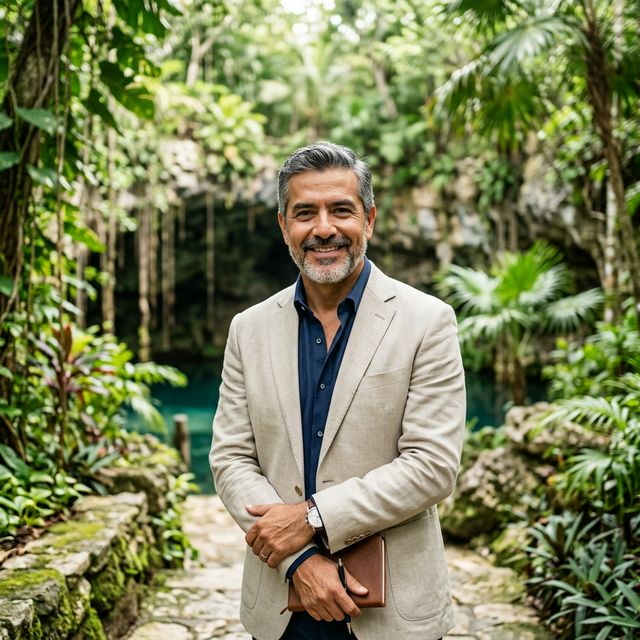
This southern strategy relies on the unique lagoon systems and jungle landscapes that offer a different type of romance experience. By emphasizing these inland assets, the state hopes to retain the revenue of couples who still wish to hold their ceremonies in the region but require a reliable visual backdrop.
The financial data regarding the phenomenon is staggering for the regional economy. Annual estimates for sargassum management and cleaning now reach up to 150 million dollars. This figure includes the deployment of barriers, specialized vessels, and the manual labor required to keep key tourist zones functional for high-profile events.
The 2026 season has arrived much earlier than historical patterns suggest. While the arrival period usually extends from April to September, substantial recales were documented in the first two months of the year. This shift in timing has caught many event planners and resort managers off guard.
Record-Breaking Algae Collection in Tulum
Recent statistics from Tulum confirm the aggressive growth of the phenomenon. In February 2026, authorities recorded the collection of 244 tons of sargassum. This represents a massive increase from the 59 tons collected during the same period in 2025. The trend suggests that the volume of algae will continue to challenge the stability of the tourism sector throughout the coming months.
Investment in sargassum barriers and specialized collection technology has become a mandatory part of resort operations. However, the sheer volume of the 2026 arrival has overwhelmed many existing systems. Couples visiting the region during the first quarter have faced significant changes in the environments they originally booked.
The reputation of Cancun and Playa del Carmen as premium wedding destinations remains at stake. If environmental conditions continue to deteriorate the beach experience, the permanent loss of market share to other regions becomes a realistic threat. Diversifying the tourism product toward the south is no longer just an option but a survival tactic for the industry.
Industry Resilience and Infrastructure Challenges
Resort owners are also exploring indoor alternatives and climate-controlled ballroom setups to mitigate the risk of last-minute beach closures. While these options provide logistical certainty, they often fail to capture the original appeal that brings international visitors to the Mexican Caribbean.
The shift toward the Ruta del Romance also requires significant infrastructure investment in the southern portion of the state. Hotels in Chetumal and Bacalar must scale their service levels to match the expectations of luxury wedding clients who are accustomed to the five-star standards of northern resorts.
Government agencies and private investors are collaborating to accelerate this transition. The goal is to create a multi-destination romance circuit that can remain operational regardless of the sargassum levels on the coast. This resilience is essential for protecting the thousands of jobs that depend on the wedding industry in Quintana Roo.
A Catalytic Moment for New Tourism Models
The ongoing environmental challenge serves as a catalyst for a broader rethink of the tourism model in the Mexican Caribbean. Relying strictly on beach aesthetics has proven to be a vulnerable strategy in an era of climate volatility. The integration of jungle, lagoon, and cultural assets provides a more robust foundation for the future.
Industry stakeholders continue to monitor the 2026 sargassum trends with high levels of concern. The correlation between algae volume and booking cancellations is now clearly established. Every ton of sargassum collected represents a potential loss in revenue for the hundreds of photographers, florists, and caterers who support the wedding ecosystem.
Maintaining the global prestige of the region requires a unified response that combines environmental technology with innovative marketing. The story of the Mexican Caribbean must evolve beyond the simple white sand narrative to include the diverse beauty of the entire state. Only through this diversification can the romance tourism sector find long-term stability in a changing environment.
Will the shift toward the Ruta del Romance be enough to protect the wedding industry from environmental challenges? Join the conversation and share your perspective with us on Instagram and Facebook at @TulumTimes.


