

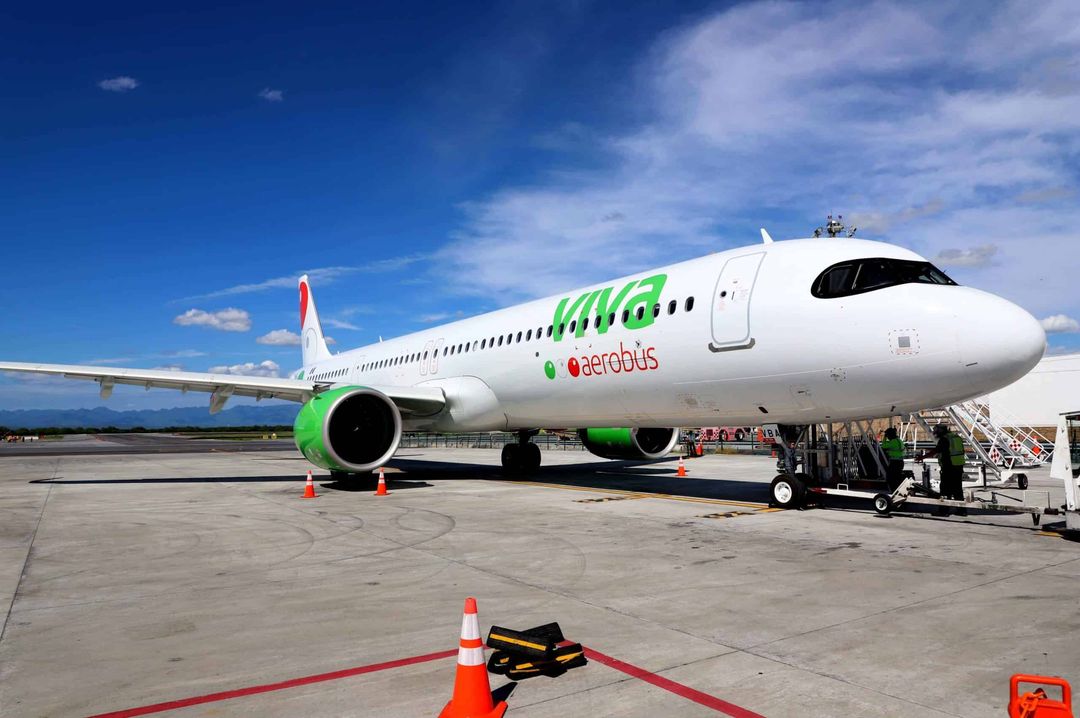
El Ayuntamiento de Tulum y el Sistema para el Desarrollo Integral de la Familia (DIF Tulum) finalizaron un acuerdo de colaboración histórico con Viva Aerobus, estableciendo un programa dedicado a la transferencia médica aérea de residentes que requieren atención clínica especializada.
Esta asociación estratégica, identificada por las autoridades municipales como la primera de su tipo a nivel nacional en México, busca cerrar la brecha logística entre la infraestructura de atención primaria de Tulum y los hospitales especializados de alto nivel ubicados en centros urbanos regionales como Cancún, Mérida y la Ciudad de México. Al facilitar la movilidad aérea rápida, el programa pretende garantizar que las emergencias de salud o las necesidades médicas complejas ya no estén limitadas por las restricciones geográficas o económicas del transporte terrestre.
El acuerdo representa una evolución significativa en el marco de asistencia social municipal, transitando de la atención localizada a una estrategia de salud más amplia y regionalizada.
La brecha de atención especializada en un territorio en crecimiento
La transformación rápida de Tulum en un centro de turismo global ha traído un crecimiento económico sin precedentes, pero la expansión de infraestructura pública especializada frecuentemente ha tenido dificultades para mantenerse al ritmo del aumento demográfico de la localidad. Mientras el municipio ha fortalecido sus clínicas de salud primaria y unidades de respuesta a emergencias, los servicios médicos de alta complejidad, incluyendo cardiología avanzada, oncología y cuidados intensivos neonatales, frecuentemente permanecen concentrados en áreas metropolitanas más grandes.

Para muchas familias en Tulum, la necesidad de atención especializada históricamente ha presentado una crisis doble: la condición de salud en sí misma y el costo prohibitivo o la carga física de transportar a un paciente a través de líneas estatales. El viaje por la carretera 307 hacia Cancún o Playa del Carmen, aunque estándar para muchos servicios, puede ser problemático para pacientes en condiciones frágiles donde la estabilidad y el tiempo son variables críticas.
"Esta alianza fortalece nuestras acciones institucionales enfocadas en el bienestar social," expresó el Presidente Municipal Diego Castañón Trejo durante la ceremonia de firma. "Estamos generando nuevas alternativas y priorizando la salud de la gente de Tulum, garantizando que la movilidad nunca sea una limitación para recibir atención digna y oportuna."

Una asociación público privada para transferencia médica aérea
La participación de Viva Aerobus en esta iniciativa se enmarca como un esfuerzo de responsabilidad social corporativa, con la aerolínea proporcionando apoyo logístico de manera altruista. Esta colaboración destaca una tendencia creciente en el Caribe Mexicano donde líderes del sector privado en las industrias de transporte y turismo cada vez más se integran con programas sociales municipales para abordar desafíos sistémicos.
Jesús Horacio González, representante de Viva Aerobus, enfatizó la importancia de estas colaboraciones intersectoriales. Señaló que la infraestructura de la aerolínea y su red de rutas pueden servir como una línea vital cuando se coordinan a través de canales oficiales del gobierno como el DIF Tulum. Se espera que el acuerdo cubra una variedad de escenarios, desde transferencias programadas para tratamientos especializados continuos hasta reubicaciones urgentes cuando las instalaciones locales alcanzan sus límites diagnósticos o terapéuticos.

La participación de una aerolínea comercial importante en un programa estructurado de transferencia médica para la población general es una salida de los servicios de emergencia tradicionales, que frecuentemente dependen de costosas ambulancias aéreas privadas o helicópteros del gobierno sobrecargados. Al aprovechar la disponibilidad de vuelos comerciales, el programa ofrece un modelo escalable y sostenible para la movilidad médica.
El papel del DIF Tulum como puerta logística
Bajo los términos del acuerdo, el DIF Tulum servirá como el filtro administrativo y clínico primario del programa. La institución será responsable de gestionar los casos, verificar la necesidad médica de las transferencias y coordinar con los hospitales receptores y el equipo de logística de la aerolínea.
Esta gestión centralizada garantiza que los recursos se dirijan hacia aquellos que más lo necesitan y que las transferencias se integren en un plan más amplio de asistencia social. Para las familias de Tulum, el DIF actúa como algo más que un proveedor de ayuda; se convierte en el navegante de un sistema de salud regional complejo que anteriormente era difícil de acceder.
El gobierno municipal ha caracterizado este paso como un refortalecimiento de su compromiso de mejorar la calidad de vida de sus residentes. Al eliminar la barrera de la distancia, Tulum efectivamente expande los límites de su sistema de salud, permitiendo que un residente en una comunidad maya remota o en un barrio central se beneficie de los más altos niveles de tecnología médica disponibles en el país.
Contexto histórico de la conectividad de salud regional
El desafío de la movilidad médica no es un fenómeno nuevo en la Península de Yucatán. Históricamente, las comunidades rurales de Quintana Roo han dependido de una red de carreteras secundarias y servicios de ambulancia limitados para llegar a centros de excelencia. Durante décadas, el "viaje de salud" para muchos fue una prueba literal de resistencia, con pacientes frecuentemente viajando de seis a ocho horas para llegar a Mérida, que se mantuvo como el principal centro médico de la región durante la mayor parte del siglo veinte.
Conforme Tulum evolucionó de un pueblo pesquero y punto de tránsito para turismo arqueológico a un centro global, las necesidades de salud de la población experimentaron un cambio demográfico. El aumento en residentes permanentes (locales y expatriados) creó una demanda de un sistema de salud que pudiera manejar todo, desde enfermedades tropicales hasta cuidado geriátrico complejo y cirugía de trauma. La decisión de la administración actual de formalizar un puente aéreo con Viva Aerobus es una respuesta directa a este déficit histórico, reconociendo que mientras las clínicas físicas pueden construirse, el capital humano especializado y los equipos médicos de alta tecnología se acceden más efectivamente a través de la movilidad estratégica.

El papel del Aeropuerto Internacional Felipe Carrillo Puerto
La inauguración del Aeropuerto Internacional de Tulum (TQMP) a finales de 2023 cambió la ecuación fundamental de la logística local. Aunque se ve principalmente a través de la lente del turismo y desarrollo económico, el aeropuerto proporciona un nodo crítico para servicios sociales. El acuerdo con Viva Aerobus utiliza esta infraestructura moderna para transformar una puerta comercial en un portal de servicio público.
La capacidad de abordar una transferencia médica a solo minutos del centro de la localidad, en lugar de soportar una transferencia terrestre de dos horas hacia Cancún, representa un cambio radical en los resultados de los pacientes. Para escenarios de cuidado crítico, este ahorro de tiempo frecuentemente es la diferencia entre una intervención exitosa y una discapacidad permanente. Las instalaciones del aeropuerto, diseñadas para tráfico internacional de alto volumen, están equipadas para manejar las necesidades logísticas específicas del personal médico y los pacientes, proporcionando un ambiente controlado que es muy superior a la imprevisibilidad de las carreteras regionales.
Un modelo nacional para municipios emergentes
La designación de este acuerdo como un "primero nacional" sugiere que podría servir como un programa piloto para otros municipios de rápido crecimiento en México que enfrentan disparidades de infraestructura similares. Conforme los gobiernos federal y estatal continúan invirtiendo en proyectos mayores como el Tren Maya y el Aeropuerto Internacional Felipe Carrillo Puerto, la necesidad de servicios sociales integrados que utilicen esta nueva conectividad se vuelve primordial.
El éxito de la asociación Tulum-Viva Aerobus probablemente será monitoreado por otras jurisdicciones buscando formas innovadoras de proporcionar servicios especializados sin la inversión inmediata de miles de millones de pesos requerida para un hospital de nivel tres. Por ahora, el programa se posiciona como un testimonio del poder de la logística creativa en la búsqueda de la salud pública. Al integrar una aerolínea comercial en la red de seguridad municipal, Tulum es pionera en una forma de "aviación social" que prioriza a los miembros más vulnerables de la sociedad.
Conforme el programa inicia su fase de implementación, las autoridades han reiterado que el objetivo es proporcionar una "atención sin barreras", garantizando que la modernización de Tulum se refleje no solo en su horizonte y su aeropuerto sino en la seguridad y salud fundamental de sus familias.
Únete a la conversación: The Tulum Times se dedica a mantenerte informado sobre los desarrollos de infraestructura y salud pública que más importan a nuestra comunidad. Para actualizaciones en tiempo real sobre salud regional y servicios municipales, síguenos como @thetulumtimes en Instagram y Facebook.

The Tulum Times · Newsletter
La nota sigue en tu correo.
Lo esencial de Tulum y contexto local, un par de veces por semana. Gratis.
Sin spam. Cancelá cuando quieras.
Transportation in Tulum: Taxi, Bus, Transfers, and Mobility
Taxi fares, buses, transfers, road changes, mobility updates, and practical transport guidance for Tulum.

“The best journalists reporting from paradise, highlighting the heroes that keep Tulum the most beautiful place in the world! THANK YOU!”


