
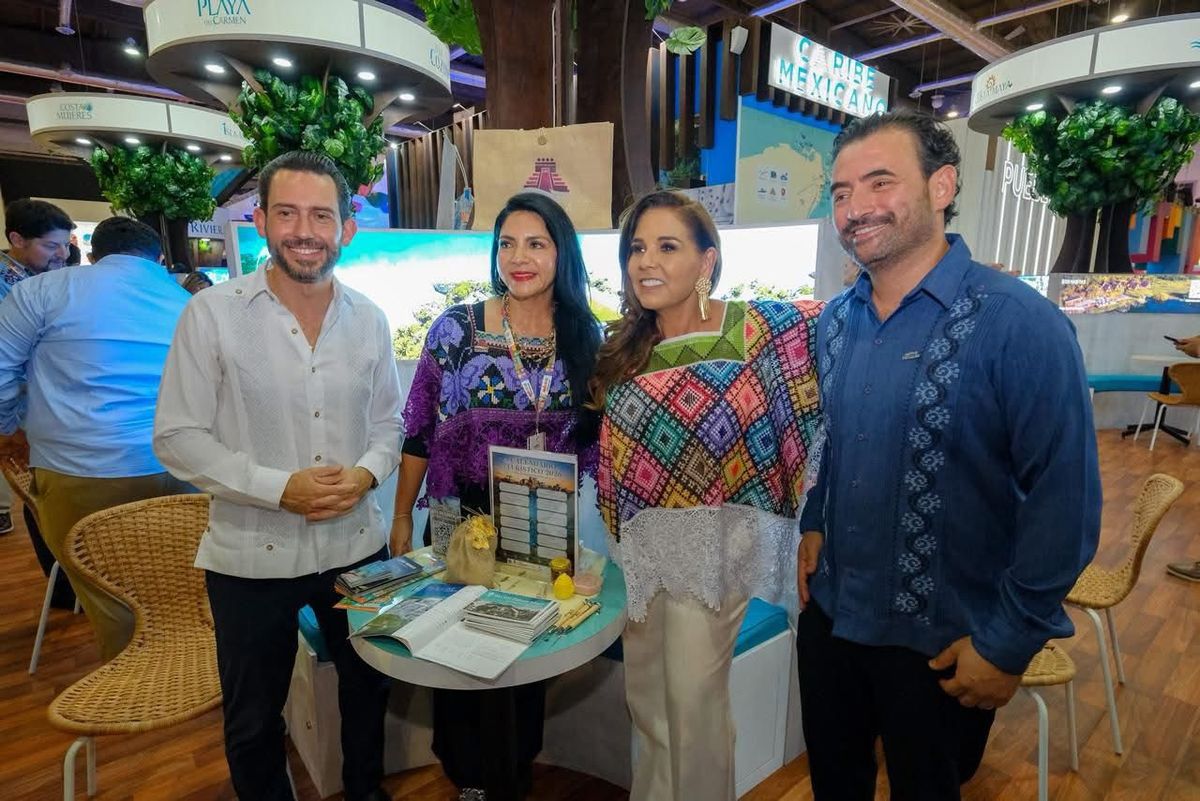
Tulum llega a la 50ª edición del Tulum Tianguis Turístico 2026 con un objetivo calculado: desmantelar su reputación como mero destino costero y emerger como una potencia cultural multidimensional.
La delegación, que opera dentro del extenso pabellón del Caribe mexicano, está implementando una estrategia denominada "Más allá del sol y la playa". Este giro no es simplemente un ajuste de marketing; es una respuesta estructural a las demandas cambiantes del mercado turístico global, donde la autenticidad y el patrimonio cultural superan rápidamente los modelos de relajación tradicionales. Para el gobierno municipal liderado por Diego Castañón Trejo, el Tianguis 2026 representa un momento crucial para consolidar las alianzas que definirán la resiliencia económica del destino durante la próxima década.
El giro estratégico: más allá de la línea costera
La esencia de la participación de Tulum en Acapulco se centra en un mensaje de diversificación. Si bien las aguas turquesas del Caribe siguen siendo el principal atractivo para quienes visitan la ciudad por primera vez, la Dirección Municipal de Turismo, encabezada por Hayde Hernández Pastrana, está aprovechando el evento para mostrar una gama más amplia de atractivos turísticos.
“Buscamos posicionar a Tulum en nuevos mercados y demostrar que somos mucho más que playa y sol”, señaló Hernández Pastrana durante las sesiones inaugurales del evento. Este enfoque se dirige a un segmento demográfico con mayor poder adquisitivo y más consciente, que busca los cenotes, la exuberante biodiversidad de la selva y las tradiciones culinarias ancestrales del pueblo maya.
Al restar importancia a la playa en su material promocional en el Tianguis, Tulum responde a una realidad cada vez más frecuente en la región: la necesidad de un modelo turístico menos dependiente de las condiciones estacionales de la costa, como las fluctuaciones del sargazo, y más arraigado en experiencias culturales durante todo el año. Este cambio estratégico busca estabilizar la ocupación y asegurar que los beneficios del turismo lleguen a un público más amplio dentro de la comunidad local.
Un hito para el turismo mexicano
La 50.ª edición del Tianguis Turístico es más que un simple encuentro del sector; es un hito simbólico para la industria hotelera mexicana. Celebrado en el histórico puerto de Acapulco, el evento reúne a miles de compradores nacionales e internacionales, desde importantes operadores turísticos y ejecutivos de aerolíneas hasta consultores de viajes especializados en turismo de lujo y ecoturismo.
La presencia de Tulum en el stand de Quintana Roo, uno de los más grandes y visitados de toda la feria, es prueba de su estatus como joya del Caribe mexicano. La inauguración contó con la participación activa de la gobernadora Mara Lezama Espinosa y el secretario de Turismo del estado, Bernardo Cueto Riestra, quienes destacaron que Tulum es un pilar del nuevo modelo turístico del estado. Este modelo se centra en la prosperidad social y la distribución equitativa de la riqueza generada por los visitantes internacionales.
La sinergia entre los gobiernos municipal y estatal se evidencia en los esfuerzos promocionales unificados. La marca "Caribe Mexicano" aporta el respaldo institucional necesario para competir a nivel global, mientras que Tulum ofrece esa "marca dentro de otra marca" específica y de alto valor que los mercados internacionales demandan actualmente.
La agenda empresarial: reuniones y expansión de mercado
La clave de la participación de Tulum reside en su intensa agenda de reuniones de negocios. La delegación tiene previsto reunirse con decenas de empresas para fortalecer los contratos existentes y explorar nuevas opciones de conectividad aérea y terrestre.
Una herramienta clave en estas negociaciones es la guía turística municipal recientemente promocionada. Lejos de ser un simple folleto, esta guía sirve como un manual completo para agentes de viajes, detallando las realidades logísticas de un destino que está evolucionando rápidamente con la integración del Aeropuerto Internacional Felipe Carrillo Puerto y el Tren Maya.
El objetivo de estas reuniones es doble. Primero, asegurar que los compradores internacionales comprendan el "nuevo Tulum", un destino ahora más accesible y diverso que nunca. Segundo, obtener compromisos para campañas promocionales de alto impacto en mercados emergentes, particularmente en Europa y Asia, donde el interés por la cultura maya y la gastronomía sostenible está en su punto más alto.
Diplomacia cultural e integración local
Más allá de las reuniones de alto nivel, Tulum utiliza el Tianguis Turístico como plataforma para la diplomacia cultural. El stand presenta una cuidada exposición de productos locales, que incluye miel regional, artesanías y textiles tradicionales.
Este enfoque en la producción local es una iniciativa deliberada de la administración de Diego Castañón Trejo para integrar los sectores agrícola y artesanal del municipio a la cadena de valor turística. Al dar a conocer estos productos a compradores internacionales, el gobierno crea un vínculo entre las zonas hoteleras de lujo y los productores rurales de la Zona Maya.
Promocionar la miel y la artesanía local en un evento tan importante como el Tianguis Turístico transmite un mensaje claro: el valor de Tulum reside en su gente y su tierra, no solo en su infraestructura. Este enfoque se alinea con la tendencia global hacia el "turismo regenerativo", donde la experiencia de viaje está diseñada para mejorar activamente el bienestar social y ambiental de la comunidad anfitriona.
La gastronomía y los festivales como motores de crecimiento.
La estrategia "Más allá del sol y la playa" también hace hincapié en la creciente reputación de Tulum como centro gastronómico mundial. La delegación promueve la capacidad del destino para albergar eventos culinarios de primer nivel y festivales internacionales que combinan arte, música y tradición.
Estos eventos son vitales para diversificar el calendario turístico. Al posicionar a Tulum como destino de festivales y gastronomía de élite, el municipio puede atraer visitantes durante las temporadas bajas tradicionales. La promoción de estos festivales en el Tianguis busca obtener patrocinios y alianzas con medios de comunicación que amplifiquen el mensaje del destino a un público más amplio.
La gastronomía de Tulum, que abarca desde la fusión de alta cocina hasta la cocina ancestral maya, se presenta como un atractivo principal por derecho propio. Para el viajero moderno, una comida ya no es solo sustento; es una inmersión cultural. Tulum apuesta fuerte a que esta inmersión será la clave para fidelizar a sus clientes a largo plazo en un mercado global cada vez más competitivo.
Mirando hacia el futuro: El legado de Acapulco 2026
A medida que avanza el 50.º Tianguis Turístico, el impacto de la participación estratégica de Tulum probablemente se medirá no en el número de visitantes inmediatos, sino en la calidad de las alianzas que se formen. La transición a un modelo turístico integral requiere una red sofisticada de socios que comprendan que Tulum es un destino con gran riqueza histórica y cultural.
La presencia del gobierno municipal en Acapulco es una clara declaración de intenciones. Reconoce que el futuro del turismo en el Caribe mexicano no puede basarse únicamente en la belleza natural del pasado. Por el contrario, debe construirse sobre una base de orgullo cultural, sostenibilidad ambiental y una economía diversificada.
Para los residentes de Tulum, esta participación representa la promesa de un futuro más estable e inclusivo. A medida que el destino siga desarrollándose, su capacidad para ofrecer experiencias que vayan más allá de la playa será el factor determinante de su éxito a nivel mundial.
¿Cómo influye el cambio de Tulum hacia el turismo cultural y gastronómico en tu perspectiva sobre el destino? Únete a la conversación y comparte tu opinión con nosotros en Instagram y Facebook en @thetulumtimes .