
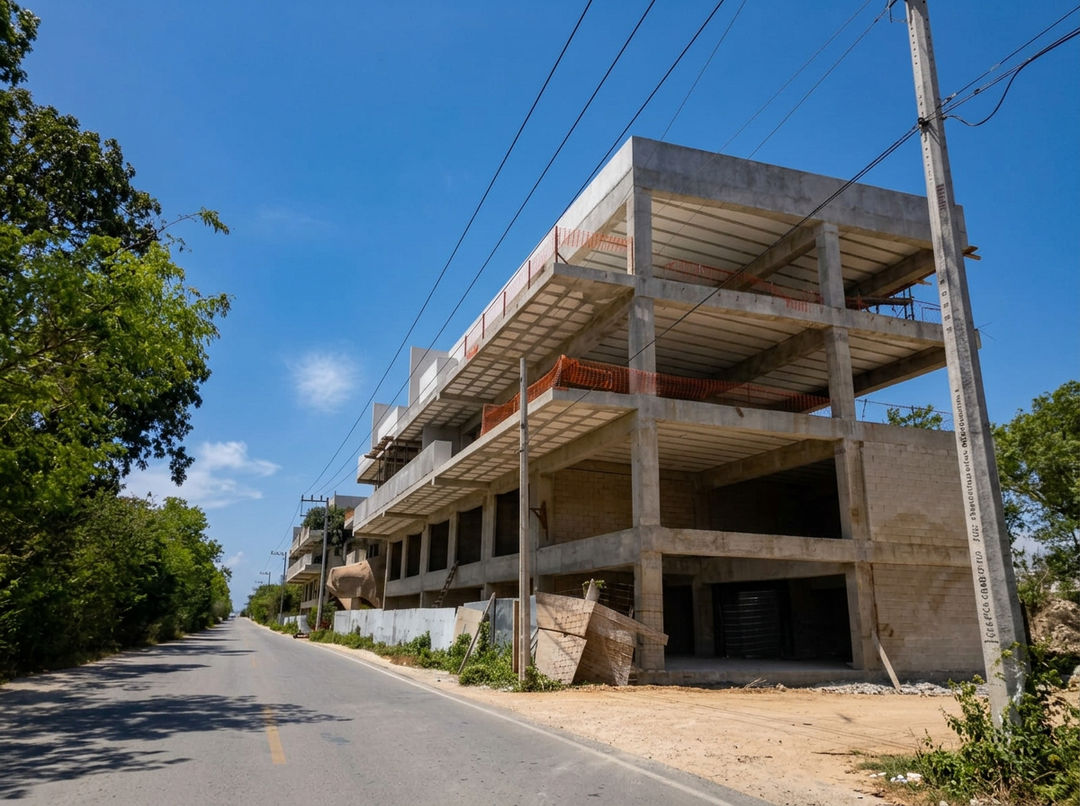
The Tulum real estate market is moving through a phase of economic adjustment, but the municipality still holds the conditions for a new growth cycle driven by connectivity and infrastructure works, according to local industry leaders. The assessment was made by Mario San Miguel, president of AMPI Tulum, who framed the slowdown as part of the sector's natural rhythm rather than a structural ceiling.
The statement carries weight because it lands in the middle of the deepest correction the municipality has registered since the post-pandemic construction surge. For buyers, sellers, developers, and renters across Quintana Roo, the question is no longer whether Tulum overheated, but how long the recalibration will last and what will pull it out.
A cyclical reading of the Tulum real estate market
San Miguel offered his diagnosis in the framework of Tulum's 18th anniversary as a municipality, a milestone the destination reached this year after being formally separated from Solidaridad in 2008. The dirigent argued that the area's tourism and urban growth has completely changed the destination's profile over the past several years.
"Tulum went from being a place of exclusive and reduced tourism to becoming an attractive destination for national visitors and families," he said.
That shift, in his reading, is the underlying reason the market still has structural demand even while transactional activity has cooled. The current slowdown, he insisted, fits the cyclical behavior of real estate rather than a permanent loss of appetite for the destination.
The numbers behind the adjustment
AMPI's own figures, reported earlier in the year by the association, place the drop in purchase interest at around 40 percent compared with peak post-pandemic activity. The condo segment, particularly studios and one to two bedroom units, has absorbed most of the impact, with reported price reductions between 10 and 20 percent from 2024 levels in the most affected pockets of the market.
Industry analysts tracking Quintana Roo inventory have described the current oversupply as enough to last three to four years at present sales rates. Average days on market for residential property in Tulum now sit roughly between 90 and 140 days, and stretch further in oversupplied zones such as parts of Region 15.
Infrastructure as the next demand driver
According to the real estate representative, projects such as the Tulum International Airport and the Maya Train continue to strengthen connectivity and increase the interest of national investors. The Felipe Carrillo Puerto International Airport, inaugurated in December 2023, and the Maya Train line that runs through the municipality remain the two most cited engines for medium-term demand recovery.
Beyond the federal projects, San Miguel pointed to ongoing paving works, mobility improvements, and urban infrastructure as factors that continue to raise the appeal of the municipality both for vacation rental operators and for permanent housing.
Who is still active in the market
The AMPI Tulum president said the developers who bet on projects with higher quality standards and clear legal certainty are the ones still operating through the adjustment. Projects built on solid land titles, full permits, and credible delivery timelines have held up better than the speculative inventory that flooded the market between 2021 and 2023.
The point is not incidental. In September 2025, the Secretariat of Sustainable Urban Territorial Development reported the closure of 26 real estate developers in the area that were actively selling without permits, a sanitation effort that AMPI has publicly supported.
A possible window for buyers
San Miguel argued that the current context, marked by stability and softer demand, could turn into an opportunity for buyers willing to act before the market regains traction. In his view, the coming years could bring a new rebound in appreciation and investment in the Tulum real estate market, particularly in segments tied to quality construction and proven legal standing.
He did not promise a fast recovery. The reading shared by AMPI members is that absorbing the existing inventory will take time, and that the airport and the Maya Train will help that process gradually rather than abruptly.
What to watch next
Three variables will define how this cycle closes. The first is the volume of international arrivals through the Tulum airport, which determines vacation rental performance. The second is the pace at which stalled or paused projects either resume construction or exit the market. The third is the broader macroeconomic context, including borrowing costs and second home demand from the United States and Canada.
For now, the message from AMPI Tulum is measured. The market is not at its strongest moment, but it is not at its weakest either. The infrastructure that the federal government has placed in the region remains, and the municipality continues to attract attention from investors who plan in longer horizons than a single cycle.
Do you see the current slowdown as a temporary correction or a structural shift in the Tulum real estate market? Join the conversation and share your perspective with us on Instagram and Facebook at @thetulumtimes.