
El mercado inmobiliario de Tulum inició 2026 con una corrección que la mayoría de los materiales de marketing de preventa aún no mencionan. Los precios en el segmento de condominios han caído entre un 10 y un 20 por ciento desde su máximo de 2021-2023, las tasas de ocupación de alquiler se han normalizado y el camino hacia una buena rentabilidad ahora pasa por un conjunto de decisiones mucho más limitado que cuando el mercado subía sin control.
Esa corrección no significa que el mercado esté roto, sino que ha madurado. Los inversores que comprenden dónde reside realmente el valor en 2026 se enfrentan a una oportunidad genuinamente diferente a la de aquellos que aún operan con la mentalidad de la época del auge. La brecha entre los tipos de propiedades, los barrios y la calidad de los promotores es mayor que nunca, y la posición que se ocupe en esa brecha determinará si una inversión en Tulum resulta rentable o no. Para cualquiera que esté considerando invertir aquí, esa distinción es la única que importa ahora mismo.
La corrección es real y aún no ha finalizado en todos los segmentos.
Los condominios y apartamentos representan aproximadamente el 70 por ciento de las propiedades residenciales en venta en el mercado de Tulum, y esta concentración es la raíz del problema actual. Durante la pandemia, los promotores inmobiliarios construyeron a un ritmo acelerado, atraídos por el aumento de los precios y una oleada global de compradores que buscaban alternativas a los costosos mercados del norte, sin importar su ubicación. La oferta superó la demanda y, para 2024, la situación se había vuelto en contra de los inversores en condominios, algo que tardó en reflejarse en los precios de venta.
A principios de 2026, la rentabilidad bruta promedio por alquiler de apartamentos en Tulum ronda el 5,5 %, pero la rentabilidad neta, tras deducir los gastos de administración, las cuotas de la comunidad de propietarios, los impuestos sobre la propiedad y la cuota anual del fideicomiso, se sitúa entre el 2,5 % y el 4 %. Para las propiedades adquiridas a los precios máximos de 2022, esta rentabilidad no justifica el capital invertido. Se prevé que el segmento de condominios se mantenga estable o experimente un descenso adicional del 5 % al 10 % antes de estabilizarse, dependiendo el plazo de absorción del inventario actual.
El precio medio de la vivienda en Tulum a principios de 2026 se sitúa en torno a los 91.000 dólares estadounidenses, lo que supone un aumento de aproximadamente el 10 % en pesos mexicanos con respecto a enero de 2025. Tras ajustar por la inflación de un dígito medio en México, el incremento real se acerca al 6 %, concentrado en terrenos y villas, más que en condominios. Esta cifra general oculta una variación significativa según el tipo de propiedad, la ubicación y la calidad de construcción.
¿Cómo se ven realmente los rendimientos de alquiler cuando haces los cálculos?
La distinción entre rendimiento bruto y neto es donde las narrativas de inversión en Tulum suelen generar confusión. Los materiales promocionales casi siempre citan cifras brutas, que representan los ingresos antes de gastos. La cifra neta, que es lo que realmente recibe el inversor, presenta una realidad diferente según el segmento.
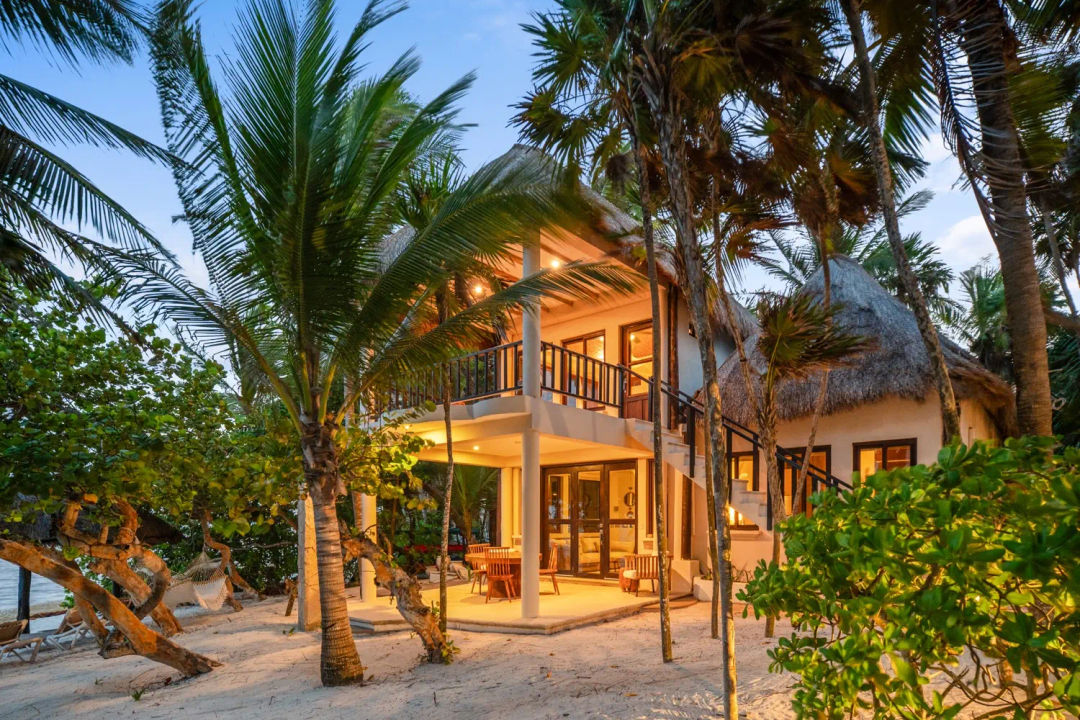
En el caso de las villas, la situación es considerablemente más favorable. A principios de 2026, la rentabilidad bruta por alquiler de las villas en Tulum oscilaba entre el 7 y el 9 por ciento, con una rentabilidad neta de entre el 5 y el 7 por ciento tras deducir los gastos operativos. Este margen convierte a las villas en la clase de activos residenciales con mejor rendimiento del mercado, según los indicadores de rentabilidad, y en la opción de inversión más clara en el ciclo actual.
La demanda de alquileres a corto plazo en Tulum sigue creciendo en términos absolutos. La región recibe cerca de 3 millones de visitantes al año. La limitación no es la demanda, sino la oferta: el número de alojamientos en Airbnb ha crecido más rápido que la llegada de visitantes, lo que ha diluido el rendimiento promedio de los alojamientos. La ocupación media de Airbnb en Tulum se situó en el 47 % durante los 12 meses que finalizaron en enero de 2026. Las propiedades con mejor rendimiento en ubicaciones privilegiadas y con gestión profesional superan con creces esta cifra, pero el promedio es el punto de referencia que un inversor principiante debería usar para sus proyecciones, no el escenario ideal.
Por qué el cambio en la infraestructura es la verdadera variable a largo plazo del mercado.
Dos proyectos de infraestructura transformaron el panorama inmobiliario de Tulum, influyendo aún en los precios. El tren Maya, que conecta Tulum con Cancún, Playa del Carmen y la península de Yucatán, entró en funcionamiento a finales de 2023. El aeropuerto internacional de Tulum abrió sus puertas en 2024. En conjunto, representan la mejora más significativa en la conectividad de la región en su historia reciente.
El impacto inmediato en los precios de las propiedades fue menor de lo esperado. Quienes adquirieron viviendas sobre plano cerca del aeropuerto o la estación de tren, con la expectativa de una revalorización inmediata, han experimentado ganancias más lentas de lo previsto. El plazo más probable es de 2026 a 2028, a medida que el desarrollo urbanístico de la zona absorba el nuevo flujo de visitantes y la infraestructura inmobiliaria se ponga al día con la infraestructura de transporte.
Para los inversores con un horizonte de tres a cinco años, las propiedades ubicadas a lo largo de los nuevos corredores de conectividad representan una tesis de apreciación creíble. Para los compradores que esperan rentabilidad a corto plazo basándose únicamente en la apertura del aeropuerto, la evidencia hasta el momento no respalda esa apuesta.
Los barrios donde realmente se está trasladando el capital.
Aldea Zama sigue siendo el barrio más citado por los inversores que buscan un equilibrio entre madurez, demanda de alquiler y confianza en la reventa. Ubicado entre el centro y la zona hotelera, goza de un amplio atractivo en el mercado de alquiler: desde quienes buscan alquileres vacacionales y residentes de temporada hasta quienes desean comodidad sin el alto costo de una propiedad frente al mar. Los precios oscilan entre aproximadamente $100,000 USD para unidades pequeñas y $3 millones para grandes residencias privadas. La principal ventaja de inversión del barrio radica en su reconocimiento por parte del mercado. Los compradores lo conocen, los huéspedes lo buscan y los promotores inmobiliarios han dedicado años a consolidar su identidad. Esta familiaridad favorece la liquidez en la reventa, algo que las zonas más nuevas y menos consolidadas aún no pueden ofrecer.
La Veleta se sitúa en un punto diferente del espectro riesgo-rentabilidad. Los precios son más bajos, con condominios que oscilan entre los 100.000 y los 300.000 dólares estadounidenses, y la combinación de desarrollo residencial y comercial del barrio ha atraído a expatriados de larga data, emprendedores locales y el tipo de pequeños operadores de hostelería que definen el carácter de Tulum. La infraestructura aún está en desarrollo: muchas calles no están pavimentadas y la temporada de lluvias genera importantes dificultades de acceso. Para los inversionistas dispuestos a aceptar estas condiciones, el potencial de crecimiento es real. El barrio está madurando de manera constante, y las propiedades que se compren ahora se beneficiarán de las mejoras de infraestructura que el municipio está implementando gradualmente.
La Región 15, especialmente cerca del corredor de Kukulkan, representa la oportunidad más temprana que se observa actualmente en el mercado. Los precios de preventa reflejan una demanda menos consolidada, y los compradores que puedan tolerar un horizonte a largo plazo y los riesgos asociados con la inversión en etapas tempranas podrían encontrar que la relación valor-potencial compensa la incertidumbre. Esta no es la zona para capital que necesita generar ganancias a corto plazo.
Lo que los compradores extranjeros deben entender antes de firmar
La Constitución mexicana prohíbe la propiedad extranjera directa de bienes inmuebles ubicados a menos de 50 kilómetros de la costa y a menos de 100 kilómetros de la frontera nacional. Tulum se encuentra dentro de esta zona costera restringida. El mecanismo que permite a los compradores extranjeros obtener derechos legales sobre propiedades costeras es el fideicomiso, una estructura de fideicomiso bancario en la que un banco mexicano ostenta la titularidad legal, mientras que el comprador conserva todos los derechos de uso, arrendamiento, venta y herencia de la propiedad.
El fideicomiso es una estructura bien establecida y legalmente sólida que ha operado sin interrupciones significativas durante décadas. El costo anual oscila entre $500 y $700 USD. A partir de 2026, no existen cambios normativos que afecten este mecanismo, ni se han propuesto formalmente. Los compradores extranjeros deben considerar la cuota anual en sus proyecciones de rentabilidad y confirmar con un notario público mexicano autorizado que la propiedad que están adquiriendo está cubierta por un fideicomiso constituido legalmente.
La debida diligencia del promotor es la variable que conlleva mayor riesgo en el mercado actual. Varios promotores que vendieron unidades sobre plano durante el auge de 2021-2023 sufrieron retrasos en la entrega o dificultades financieras debido al aumento de los costes y la desaceleración del mercado. Los compradores que consideren la compra de viviendas sobre plano deben verificar el historial de entregas del promotor en proyectos anteriores, confirmar que se cuente con los permisos de construcción necesarios y estructurar los calendarios de pago para minimizar los riesgos antes de que se alcancen hitos importantes.
Los riesgos que no cubre el folleto
El marco regulatorio ambiental que rige la construcción en Tulum se ha endurecido gradualmente en los últimos años, como reflejo de la presión de agencias federales, organizaciones ambientales internacionales y la documentación continua de los daños al Arrecife Mesoamericano y a los cenotes locales. Las propiedades que se comercializan como desarrollos ecológicos requieren el mismo nivel de verificación de permisos que cualquier otra construcción. El estatus ambiental es una categoría legítima de debida diligencia, no un factor diferenciador de marketing.
La infraestructura municipal aún está rezagada con respecto al desarrollo. La capacidad de tratamiento de aguas residuales, la calidad de las carreteras fuera de las zonas principales y los servicios públicos en los barrios nuevos representan consideraciones operativas importantes para las propiedades de alquiler. Las viviendas que lucen bien en las fotos, pero que se encuentran en calles sin pavimentar con servicios limitados, no alcanzarán su rentabilidad teórica cuando los huéspedes lleguen y dejen reseñas negativas.
La dinámica de la competencia en el mercado de alquileres merece más atención de la que suele recibir. A medida que aumenta el número de unidades, los administradores de propiedades en Tulum compiten en precio para mantener la ocupación, lo que reduce las tarifas en todo el mercado. Los inversionistas que dependen de tarifas nocturnas elevadas, sostenidas por la escasez, encontrarán cada vez más difícil justificar ese cálculo a medida que la oferta continúa expandiéndose.
El mercado inmobiliario de Tulum en 2026 no es ni la fiebre del oro de 2021 ni un mercado en declive estructural. Es un mercado que se ha diferenciado, y los inversionistas mejor posicionados para beneficiarse son aquellos que comprenden esa diferenciación con la suficiente claridad como para actuar con precisión en lugar de con entusiasmo.
¿Actualmente invierte en bienes raíces en Tulum o está considerando su primera compra en la zona? Comparta su experiencia y preguntas con nosotros en Instagram y Facebook en @thetulumtimes .