
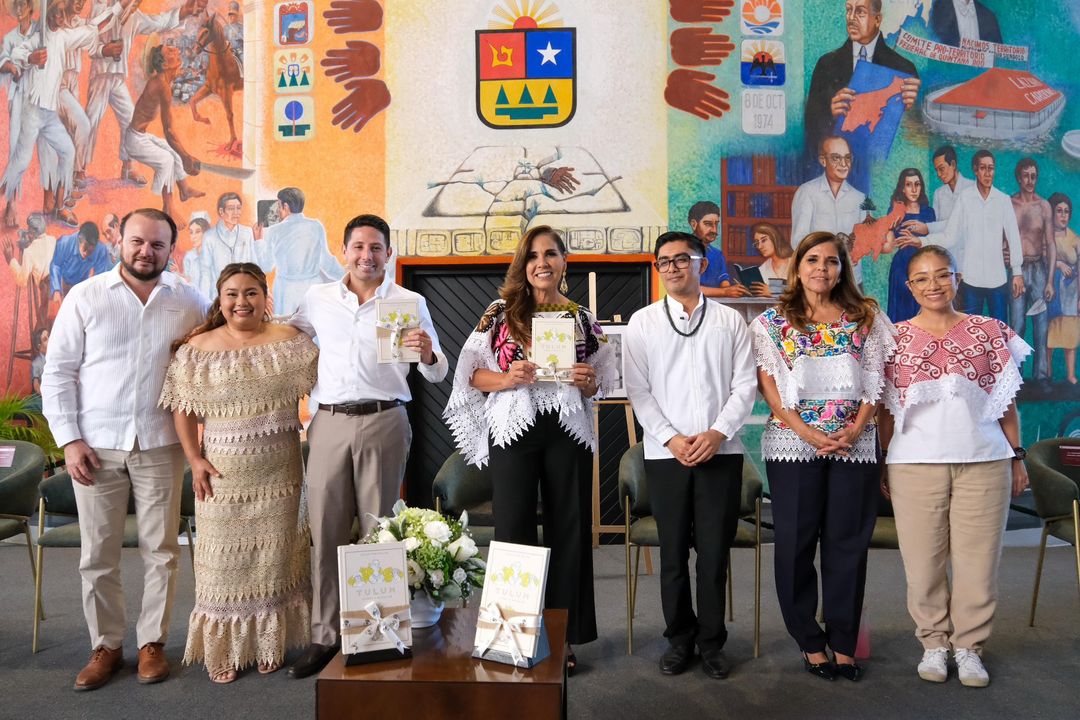
La presentación del primer libro sobre Tulum escrito por un hablante maya marca un cambio significativo en la forma en que el municipio narra su pasado, pasando de registros institucionales a una historia construida sobre la memoria comunitaria y la tradición oral.
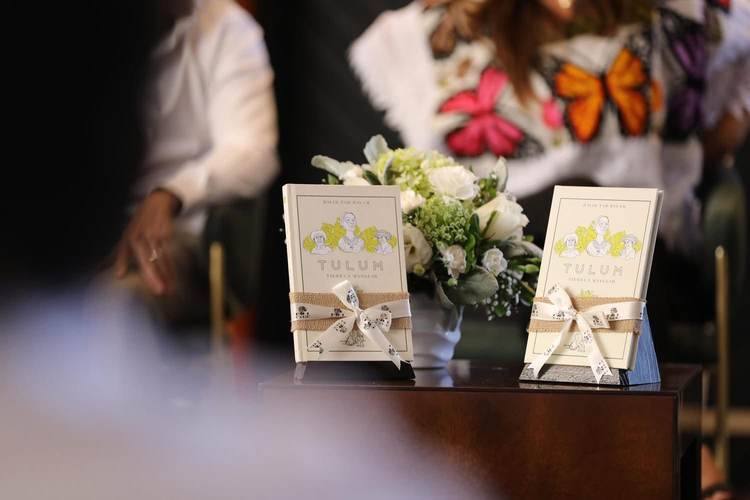
La obra, titulada Tulum, Tierra y Manglar, fue presentada el lunes en el Congreso Estatal de Quintana Roo en Chetumal. Para un destino cuya imagen global suele definirse por el rápido crecimiento de infraestructura y el turismo internacional, la publicación representa una recuperación de la autoría sobre sus propios orígenes. Sugiere que para que la identidad sobreviva en un ambiente de alto crecimiento, la comunidad debe ser quien cuente su propia historia.
La gobernadora Mara Lezama Espinosa se sumó a la presentación, describiendo el trabajo del autor e investigador David Manances Tah Balam como una corrección necesaria a la historia oficial. El evento, realizado en el vestíbulo del palacio legislativo, enmarcó el libro no como un simple artefacto cultural, sino como un acto de justicia histórica para el pueblo maya.
Los Orígenes de un Archivo Vivo
David Tah Balam, conocido localmente como Fili, comenzó la investigación que llevó a este libro en 2014. A diferencia de muchas cuentas históricas de la región que se basan en perspectivas arqueológicas externas o en registros archivísticos curados por instituciones coloniales y estatales, Tah Balam comenzó dentro de su propia comunidad. Este enfoque coloca la historia oral y el conocimiento ancestral en el centro de la narrativa, tratando las historias transmitidas a través de generaciones como evidencia histórica legítima.
Esta distinción es consecuente. Durante décadas, la historia de Tulum ha sido contada principalmente a través de los ojos de visitantes, desarrolladores e investigadores de fuera de la región. Si bien estas cuentas han documentado el auge del pueblo como centro de turismo global, frecuentemente han pasado por alto la experiencia vivida de las familias mayas que habitaban la tierra antes de su posicionamiento internacional. Al centrar la voz maya, Tulum, Tierra y Manglar desafía la jerarquía de la documentación histórica.
El libro explora el significado mismo del nombre Tulum, rastreándolo a través de las raíces lingüísticas y culturales de la región. Proporciona contexto para los nombres de sitios y comunidades que ahora son reconocidos globalmente pero cuyos significados originales han sido frecuentemente simplificados por las demandas del marketing turístico.

La Recuperación del Papel de las Mujeres
Un pilar central del libro, como fue destacado durante la presentación, es la recuperación de figuras históricas que han sido marginalizadas u omitidas completamente del registro oficial. Entre estas está Maria Uicab, una figura de inmensa relevancia en la historia de la región que permaneció invisible durante años en la mayoría de los libros de historia formal.
La gobernadora Lezama enfatizó que restaurar figuras como Maria Uicab al marco histórico no es un gesto simbólico. Es una parte esencial para entender la estructura social y la resistencia de las comunidades mayas. La omisión de las mujeres en la historia frecuentemente simplifica la narrativa de un lugar a una serie de eventos institucionales y políticos, ignorando el liderazgo doméstico y comunitario que sostiene la continuidad cultural.

La gobernadora conectó esta recuperación histórica con el panorama político actual en México. Con mujeres como la presidenta Claudia Sheinbaum y varias líderes estatales ocupando cargos públicos significativos, el reconocimiento de la agencia histórica de las mujeres se convierte en más que un ejercicio académico. Sirve como un puente entre el liderazgo invisible del pasado y el liderazgo visible del presente, reforzando que el desarrollo y la identidad cultural no son objetivos dispares sino parte de la misma trama social.
El Turismo y la Deuda de la Memoria
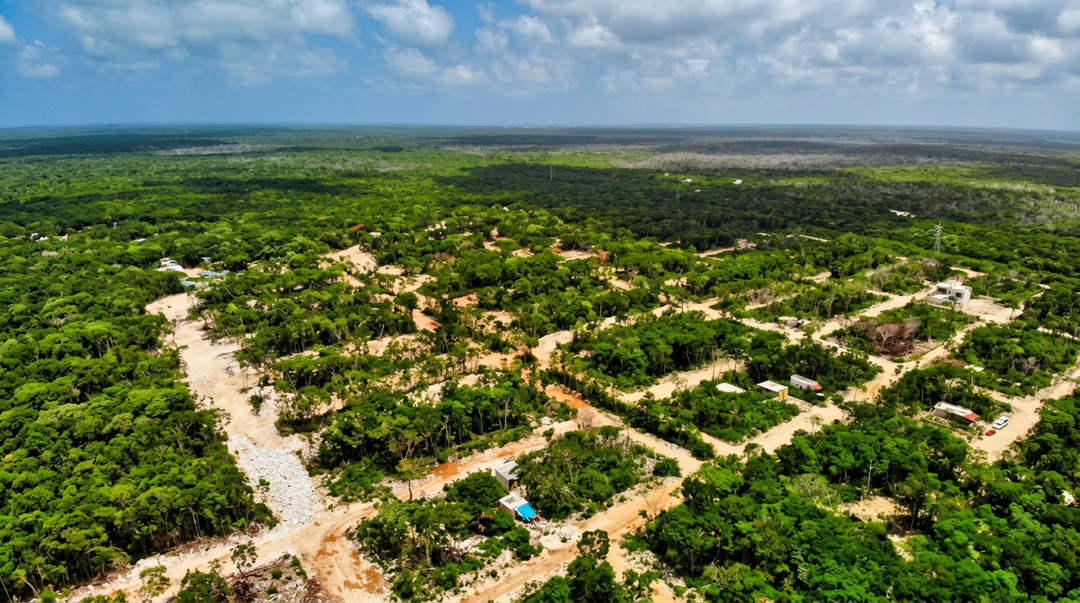
La presentación en Chetumal ocurrió sobre el telón de fondo de la rápida transformación de Tulum. El municipio actualmente está experimentando uno de los más intensos desarrollos de su historia, impulsado por proyectos de infraestructura como el Tren Maya y el nuevo aeropuerto internacional. Este crecimiento ha traído oportunidades económicas inmensas pero también presión significativa sobre el patrimonio cultural y ambiental de la región.
Legisladores y funcionarios presentes en el evento, incluyendo Renan Sanchez Tajonar, presidente de la Junta de Gobierno y Coordinación Política, observaron que el libro llega en un momento crítico. Argumentaron que el desarrollo económico de la región debe acompañarse de un compromiso con la preservación cultural. El mensaje prevaleciente era claro: una comunidad que no conoce su origen no puede manejar efectivamente su futuro.
En un destino como Tulum, donde la identidad del lugar constantemente está siendo reinventada para adaptarse a mercados globales, el libro actúa como estabilizador. Recuerda tanto a residentes como a visitantes que el pueblo no es una pizarra en blanco para inversión, sino un lugar con una historia profunda y específica. La historia viva que Tah Balam documenta es un recordatorio de que la tierra y sus manglares son inseparables de la gente que los ha protegido durante generaciones.

Escribir Desde Dentro de la Cultura
La importancia técnica de Tulum, Tierra y Manglar también reside en su autoría. Como el primer libro sobre Tulum escrito por un autor que habla maya, establece un precedente para cómo se registra la historia local en Quintana Roo. Silvia Dzul Sanchez, presidenta de la Comisión para el Desarrollo Indígena, señaló que Tah Balam representa una nueva generación de investigadores que entienden que la tradición y la modernidad no están en conflicto.
La autoría de la historia importa porque determina qué se considera digno de registro. Cuando una historia se escribe desde adentro, captura matices que un observador externo podría pasar por alto: el significado de un árbol específico, la tensión social subyacente en un evento comunitario, o el significado preciso de una frase hablada. Esta perspectiva interna proporciona un nivel de profundidad que frecuentemente está ausente en historias más amplias y generales del estado.
La presentación del libro también sirvió como un reconocimiento del compromiso de la XVIII Legislatura de fortalecer la identidad regional. Al albergar el evento, el Congreso se posicionó no solo como un cuerpo legislativo, sino como un guardián del patrimonio cultural del estado. Señaló que el reconocimiento de la memoria maya es una prioridad pública, no solo un interés académico privado.
Una Base para el Futuro
A medida que Tulum continúa expandiéndose, la pregunta de qué sobrevive de su identidad original sigue siendo el centro del debate local. La publicación del trabajo de Tah Balam proporciona un recurso concreto para esta conversación. Ofrece una versión de la historia que puede ser enseñada en escuelas, compartida en centros comunitarios, y utilizada para informar decisiones políticas sobre desarrollo y cultura.
Para la gente de Tulum, el libro es una herramienta para el auto reconocimiento. Para la audiencia internacional, es una invitación a ver más allá de la superficie de un destino turístico y entender las raíces profundas del lugar que están visitando. Sugiere que la forma más sostenible de desarrollo es aquella que respeta los fundamentos históricos y culturales de la tierra.
En última instancia, el libro sirve como un recordatorio de que la historia no es algo que solo sucedió en el pasado. Es algo que se habita en el presente. Al recuperar la narrativa de Tulum, David Tah Balam y su comunidad están asegurando que el futuro del pueblo permanezca vinculado a sus verdaderos orígenes, protegiendo la memoria de la tierra y su gente para las generaciones por venir.
¿Cómo puede Tulum equilibrar el crecimiento del turismo global con la preservación de su profundo patrimonio histórico maya? Únete a la conversación y comparte tu perspectiva con nosotros en Instagram y Facebook en @thetulumtimes.

The Tulum Times · Newsletter
La nota sigue en tu correo.
Lo esencial de Tulum y contexto local, un par de veces por semana. Gratis.
Sin spam. Cancelá cuando quieras.
Tulum Development, Permits, and Construction Watch
Reporting on permits, construction, regulation, and major development decisions shaping Tulum’s urban growth and investment climate.

“The best journalists reporting from paradise, highlighting the heroes that keep Tulum the most beautiful place in the world! THANK YOU!”