

The Tulum Air Show 2026 inauguration took place Thursday at the Military Air Base No. 12, located within the Felipe Carrillo Puerto International Airport, signaling a high-stakes effort by state and federal authorities to rebrand the Mexican Caribbean as a global aerospace and logistics hub. The four-day event, which combines military precision with international sports marketing, represents the first major test of the newly constructed airport as a multi-modal industrial node rather than a traditional gateway for sun-seeking tourists.
Governor Mara Lezama Espinosa, joined by high-ranking authorities from the Mexican Air Force (FAM), the Federal Civil Aviation Agency (AFAC), and the private sector, characterized the festival as a foundational moment for the regional economy. During the protocol ceremony, the governor noted that while the region has long been marketed as the "World Capital of Vacations," this event marks a transition toward becoming a technical and industrial focal point. "This event puts Quintana Roo, Tulum, and Felipe Carrillo Puerto in the eyes of the world," Lezama stated, framing the "pure adrenaline" of the spectacle as a vehicle for international visibility and investment.
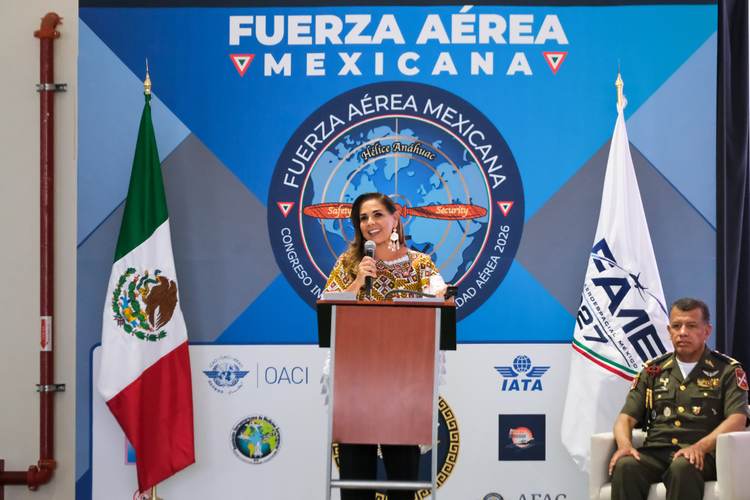
A New Industrial Pivot in the Caribbean
The inauguration marks the transition of the Tulum airport from a passenger terminal into a strategic asset. For years, the economic narrative of Quintana Roo was defined by hotel occupancy rates and seasonal tourism flows. However, the presence of global aerospace firms and the specialized logistics required for the Air Show suggest a different trajectory. Governor Lezama emphasized that Quintana Roo is now the only state in Mexico with four international airports, a structural advantage that authorities believe can position the region as a primary gateway for high-tech trade between North America and the Caribbean basin.
This geographic and structural positioning is not merely a matter of convenience. It is a deliberate effort to create a logistics corridor that utilizes the Maya Train and the new airport as a unified system. The goal is to attract high-value industries that require rapid connectivity and sophisticated security, moving away from the "service-only" economic model. The Air Show serves as a live-action demonstration of this capability, proving that the infrastructure can handle the complex requirements of both military operations and international sporting logistics.
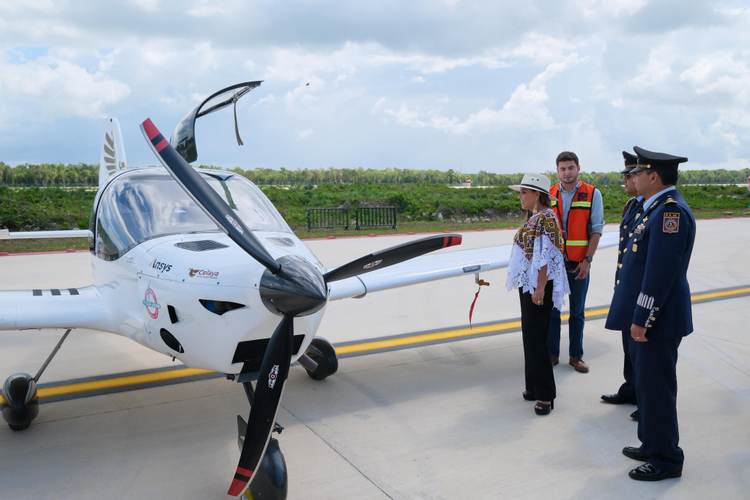
The Military-Industrial Nexus
The role of the Mexican Air Force (FAM) and the Mexico Aerospace Fair (FAMEX) in this event cannot be understated. General Román Carmona Alanda, Commander of the FAM, sustained that the Air Show is a precedent-shattering event for Quintana Roo, integrating specialized congresses and automotive competitions into the traditional aeronautical program. The interinstitutional work behind the displays aims to stimulate the development of both the aerospace and automotive industries, leveraging the presence of regional infrastructure pillars such as the Tren Maya and Mexicana de Aviación.
The presence of the FAM also provides a layer of institutional prestige. The acrobatic displays and static exhibitions of advanced aircraft are designed to inspire a new generation of technicians and engineers. In her address, Governor Lezama pointed to the technical complexity of the industry as a path toward high-value employment for the local population. The administration is betting that the exposure to aerospace innovation will catalyze educational shifts in the region, creating a workforce capable of supporting an industrial hub.

Leadership and the Changing Face of Aviation
One of the more subtle yet significant themes of the inauguration was the emphasis on female leadership within traditionally male-dominated sectors. The governor highlighted the participation of Teniente Brenda Citlali García, a member of the "Águilas Aztecas," as a symbol of the changing demographic of the Mexican armed forces and the aerospace industry. This narrative was reinforced by references to President Claudia Sheinbaum Pardo, the first woman to serve as Commander-in-Chief of the Mexican Armed Forces.
This focus on gender parity is framed not just as a social goal, but as a component of the "humanist" governance model proposed by the Lezama administration. By showcasing women in high-level operational roles, the government is attempting to broaden the appeal of the aerospace sector to a wider segment of the population. The message is clear: the modernization of Quintana Roo's economy must be inclusive to be sustainable.

The NASCAR Convergence: Sport as Marketing
The inclusion of NASCAR México in the Air Show lineup adds a layer of commercial intensity that distinguishes this event from traditional aviation fairs. For the first time, the Fixed Base Operator (FBO) facilities at the airport are hosting professional automotive competitions. The roar of racing engines on the airport grounds provides a visceral connection to high-performance engineering. For the state, the partnership with NASCAR is a strategic move to tap into a global audience that values speed, precision, and technical excellence.
A Program of Innovation: The Tulum Air Show 2026 inauguration
The event’s schedule reflects its dual nature as both an industrial forum and a public spectacle. The first two days, April 23 and 24, are dedicated to technical advancement and safety. The program includes the International Aviation Security Congress, a forum focused on risk management and accident prevention, alongside the Aeronautical Fairs Congress, which facilitates the exchange of best practices for organizing large-scale industrial events.
Simultaneously, the Academic and Industrial Exhibition brings together leading corporations and universities to showcase vanguard projects and educational opportunities. A key diplomatic moment is scheduled for April 24: the promotional launch of FAMEX 2027, which will unveil the guest country and host state for the next edition, further solidifying Mexico's position in the global aerospace hierarchy.
The weekend of April 25 and 26 marks the height of the public demonstrations. Saturday will feature high-performance acrobatic displays, parachuting, and tactical maneuvers at the airport. On Sunday, the spectacle shifts to the coastline, with aesthetic parachuting jumps scheduled over the Tulum Archeological Zone and the newly inaugurated Jaguar Park. This transition from industrial tarmac to cultural heritage sites underscores the state's effort to blend technical progress with its established tourist identity.

Regional Integration: Tren Maya and Mexicana
The logistical success of the Tulum Air Show is inextricably linked to the broader infrastructure projects currently reshaping the Mexican southeast. The participation of the Tren Maya and the revived Mexicana de Aviación underscores the government's intention to create a seamless transportation network. This is not merely about moving people; it is about the efficient movement of goods and the creation of a manufacturing corridor that can serve the entire Caribbean.
Mexicana de Aviación, operating as a state-backed carrier, provides the essential connectivity required for a logistics hub, while the Tren Maya offers a high-capacity land link to the interior of the peninsula. During the inauguration, officials noted that these projects are designed to work in tandem, reducing transit times and lowering the operational costs for companies looking to establish a presence in the region. The Air Show provides a glimpse into how this integrated system will function once fully operational, with the airport serving as the central nervous system of a revitalized industrial zone.

Cultural Identity and the Mundo Maya
Despite the heavy focus on technology and industry, the event remains rooted in the unique cultural identity of the region. The involvement of Grupo Mundo Maya ensures that the promotion of the Air Show is linked to the historical and cultural prestige of the Yucatan Peninsula. This integration is vital for maintaining the "Tulum brand," a unique blend of ancestral heritage and modern innovation.
The governor noted that the growth of the aerospace sector must not come at the expense of the region's cultural or environmental integrity. Instead, the administration envisions a "humanist" development model where high-tech growth funds the preservation of Mayan heritage and provides direct benefits to the local communities. This balance between the ancient and the avant-garde is what authorities believe will ultimately differentiate Quintana Roo from other competing aerospace clusters in North America.

Future Implications for the Southeast
As the Tulum Air Show 2026 continues through the weekend, the viability of this "logistics hub" strategy hinges on the state's ability to convert temporary spectacle into permanent investment. The participation of key actors indicates a highly integrated approach to regional development. These entities are not just participants; they represent the pillars of the new economic framework.
The realization of this industrial shift requires that the benefits reach the broader population through specialized training and job creation. While the transition from a tourism-based economy to a technology-oriented one is a multi-year process, the inauguration of the Air Show confirms that the government is committed to repositioning the state. For now, the skies over Tulum are clear, and the vision for a more diversified, resilient Quintana Roo is on full display.
Is Quintana Roo’s aerospace strategy a viable path for the future of the Mexican Caribbean? Join the conversation on our social media channels.