

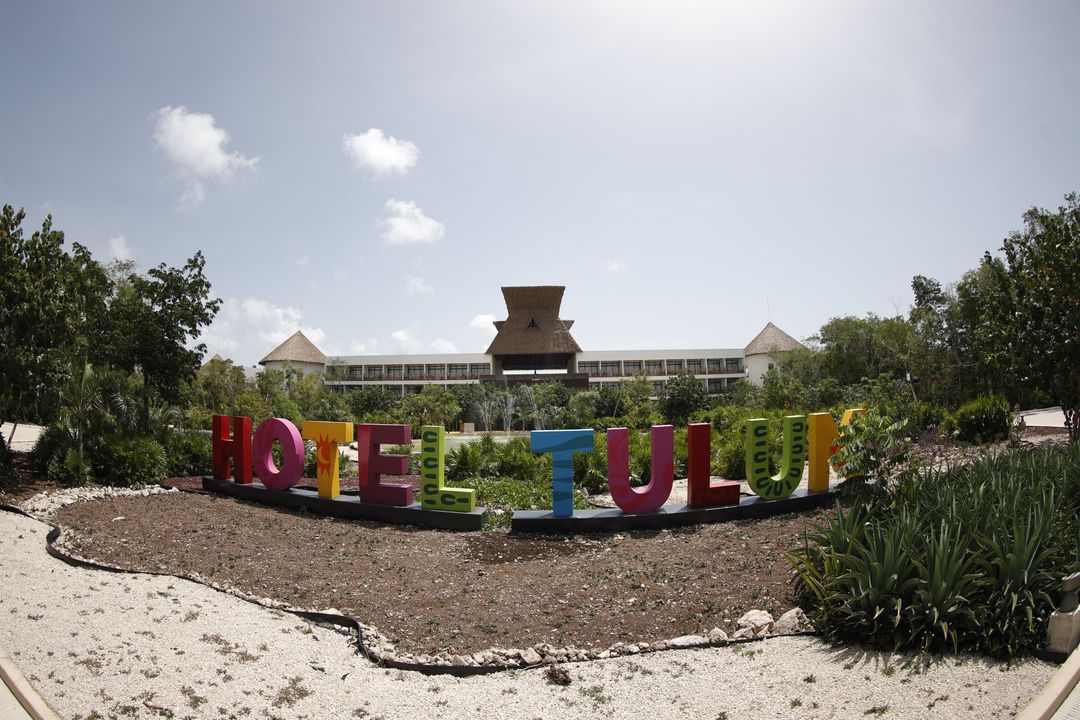
El hotel Tren Maya Tulum, un complejo de 352 habitaciones y el más grande de la cadena administrada por el ejército, funciona prácticamente vacío, y una pareja de Querétaro asegura que pasó su estadía como los únicos huéspedes.
Su relato pone rostro humano a un problema que el operador ya ha admitido por escrito. El hotel abrió el 30 de noviembre de 2024, en el centro del plan turístico del Tren Maya, y casi un año después el gobierno todavía no ha dado a conocer cifras detalladas de ocupación. Lo que ha salido a la luz son la historia de la pareja y documentos de la Sedena, y ambos apuntan en la misma dirección.
Una pareja sola en un complejo de 352 habitaciones
José Luis Mendoza y Lucía Aguirre, casados hace 35 años, viajaron desde Querétaro atraídos por promociones de temporada baja y por las playas, cenotes, zona arqueológica y gastronomía de Tulum. Pagaron poco más de 2,600 pesos por noche, alrededor de 140 dólares, una tarifa que les pareció atractiva para un hotel de reciente construcción.
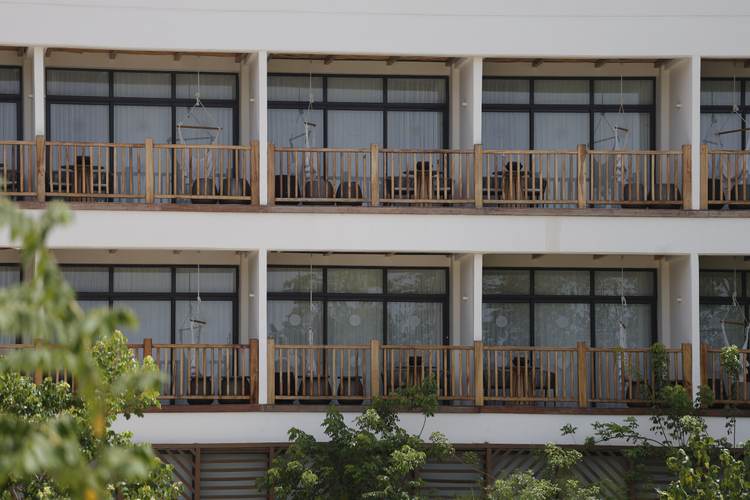
Lo que no esperaban era tener el lugar para ellos solos. Según la pareja, una vez que se registraron y les asignaron su habitación, quedó claro que solo el personal estaba en el sitio. "Por las noches tenían que encender la fila de luces solo para nosotros", comentaron, describiendo una propiedad de 352 habitaciones iluminada para una sola habitación ocupada.
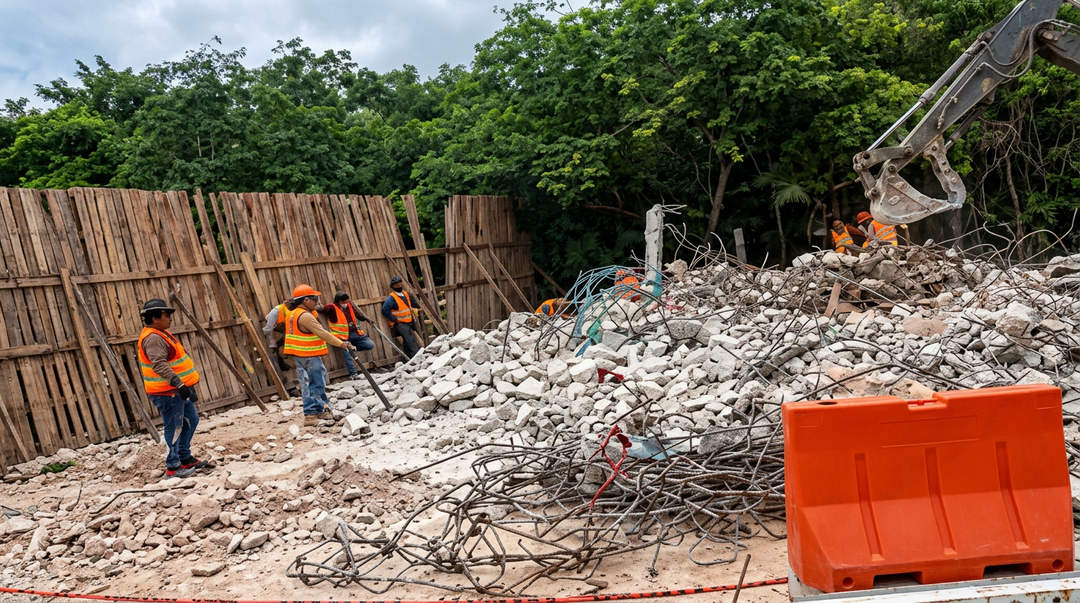
Llegar al hotel en sí es inusual. Los huéspedes pasan por dos filtros de seguridad operados por la Guardia Nacional, porque el complejo se encuentra dentro del Parque del Jaguar, un área administrada por las fuerzas armadas. La pareja comenta que había personal militar visible desde el momento de su llegada, mientras que el personal civil se concentraba principalmente en roles de conserjería y relaciones públicas.
Dentro del hotel Tren Maya Tulum y su operación militar
El hotel Tren Maya Tulum se extiende por 13.5 hectáreas, lo que lo convierte en el más grande de los complejos de hospedaje que el ejército construyó para complementar el ferrocarril. Sus habitaciones se comercializan como unidades Master Room, y la propiedad anuncia albercas, spa, temazcal y restaurante, además de senderos que conectan con la estación del Tren Maya, la zona arqueológica de Tulum, el Museo de la Costa Oriental y otros puntos dentro del Parque del Jaguar.
El hotel es uno de los centros de hospedaje desarrollados para apoyar la oferta turística del ferrocarril. El trabajo fue realizado por el consorcio militar Grupo Aeroportuario, Ferroviario y de Servicios Auxiliares Olmeca-Maya-Mexica, conocido como GAFSACOMM, la empresa estatal que también opera el tren, aeropuertos y parques. En junio de 2025, la Sedena y la secretaría de turismo relanzaron la cadena con un nuevo nombre, Grupo Mundo Maya, buscando mejor posicionamiento en el mercado para hoteles que enfrentaban dificultades para llenar sus habitaciones.
Los contratos de la Sedena admiten que las habitaciones no se vendieron
La confirmación más clara del problema proviene del operador mismo. En documentos de contrato citados por medios nacionales, la Sedena reconoció que las reservaciones durante las vacaciones de invierno quedaron cortas en el hotel Tren Maya Tulum, señalando que la propiedad no cumplió con sus metas establecidas ni con los ingresos proyectados después de su apertura.

Para responder, GAFSACOMM contrató a una firma externa, Delgado Cortés y Asociados, para un programa descrito como diagnóstico e intervención en cultura de servicio. El contrato vinculado al hotel Tulum costó aproximadamente 2.2 millones de pesos e incluyó talleres de cinco horas para 58 empleados a principios de 2025. Contratos adicionales en toda la cadena llevaron el total a alrededor de 13.1 millones de pesos.
Un reportaje de La Silla Rota, basado en cifras divulgadas a principios de 2026, encontró que Tulum ocupaba uno de los lugares más bajos en ocupación en toda la red a pesar de ser el más grande, con capacidad para cerca de 996 huéspedes. El mismo reportaje indicó que la Sedena gastó decenas de millones de pesos durante 2025 en publicidad y promoción de los hoteles.
El gasto detrás de las habitaciones vacías
La inversión detrás de la red es sustancial. Para el programa de seis hoteles, la Sedena proyectó un desembolso cercano a 5.9 mil millones de pesos. Forbes México, citando documentación de la Sedena, reportó que el hotel Tulum solo tuvo un costo de construcción total de 684.9 millones de pesos en sus etapas.
Parte de la información vinculada a la construcción permanece clasificada. Una cifra que sí se hizo pública ilustra la sensibilidad en torno a los costos del proyecto. El periodista Jorge García Orozco, a través de una solicitud de información pública, reportó que el ejército pagó 1,136,000 pesos por la maqueta del hotel Tulum exhibida durante el desfile militar del 16 de septiembre de 2024.
Por ahora, el gobierno sigue promoviendo la cadena a través de paquetes turísticos que combinan vuelos desde el aeropuerto Felipe Ángeles, viajes en tren y estadías en hotel, con precios que van desde alrededor de 17,000 pesos por cuatro noches hasta casi 25,000 pesos por seis. Si esa estrategia logra mejorar la ocupación en la propiedad Tulum, y si la Sedena divulga números detallados de huéspedes para medirlo, está por verse. Mientras tanto, la pareja de Querétaro se mantiene como una de las pocas experiencias documentadas dentro de un complejo construido para cientos.
¿Rentarías una noche en un hotel del estado dentro de un parque administrado por militares, o te parece que el montaje te hace dudar? Únete a la conversación y comparte tu perspectiva con nosotros en Instagram y Facebook en @thetulumtimes.

The Tulum Times · Newsletter
La nota sigue en tu correo.
Lo esencial de Tulum y contexto local, un par de veces por semana. Gratis.
Sin spam. Cancelá cuando quieras.
Tulum Cenotes, Ruins, and Practical Visitor Guides
Guides, access updates, regulations, and practical planning around cenotes and the Tulum archaeological zone.

“The best journalists reporting from paradise, highlighting the heroes that keep Tulum the most beautiful place in the world! THANK YOU!”


