


Un inspector municipal de Tulum que clausuró puestos de recaudación de impuestos no autorizados operados por Grupo Mundo Maya fue denunciado ante la Fiscalía General de la República por la CONANP, la agencia federal encargada de la protección de las áreas naturales. Esta acción, calificada por líderes cívicos y empresarios locales como un acto deliberado de intimidación, ha reavivado una acalorada disputa sobre quién gobierna realmente la costa de Tulum.
El inspector trabaja en la Fiscalía municipal. Actuó al amparo del artículo 115 de la Constitución mexicana, que otorga a los municipios la facultad de inspeccionar y clausurar actividades comerciales dentro de su territorio. Los puestos que clausuró operaban presuntamente fuera del polígono delimitado del Parque del Jaguar y, según fuentes municipales, sin los permisos necesarios. La CONANP, en lugar de impugnar la clausura por la vía administrativa, optó por llevar el caso ante la Fiscalía Federal.
Una queja federal contra una inspección local
Los detalles de la denuncia, que ni la CONANP ni la FGR han confirmado ni explicado públicamente, surgieron a través de redes cívicas y empresariales en Tulum. Lo que se sabe es que el inspector clausuró puestos asociados con Grupo Mundo Maya, la empresa vinculada al ejército, antes conocida como GAFSACOMM, que administra el Parque del Jaguar bajo un marco de concesión federal en el que también participan el INAH y la CONANP.
Grupo Mundo Maya, que se encuentra bajo la jurisdicción administrativa de la Secretaría de la Defensa Nacional (Sedena), opera en la zona costera de Tulum desde el lanzamiento formal del proyecto en agosto de 2025, bajo un acuerdo tripartito. La empresa ha enfrentado constantes críticas públicas por la estructura de tarifas que aplica en los puntos de acceso al parque, por incumplir los compromisos de acceso gratuito adquiridos con los residentes locales y por lo que los operadores locales describen como el desplazamiento progresivo de los proveedores de servicios turísticos independientes.
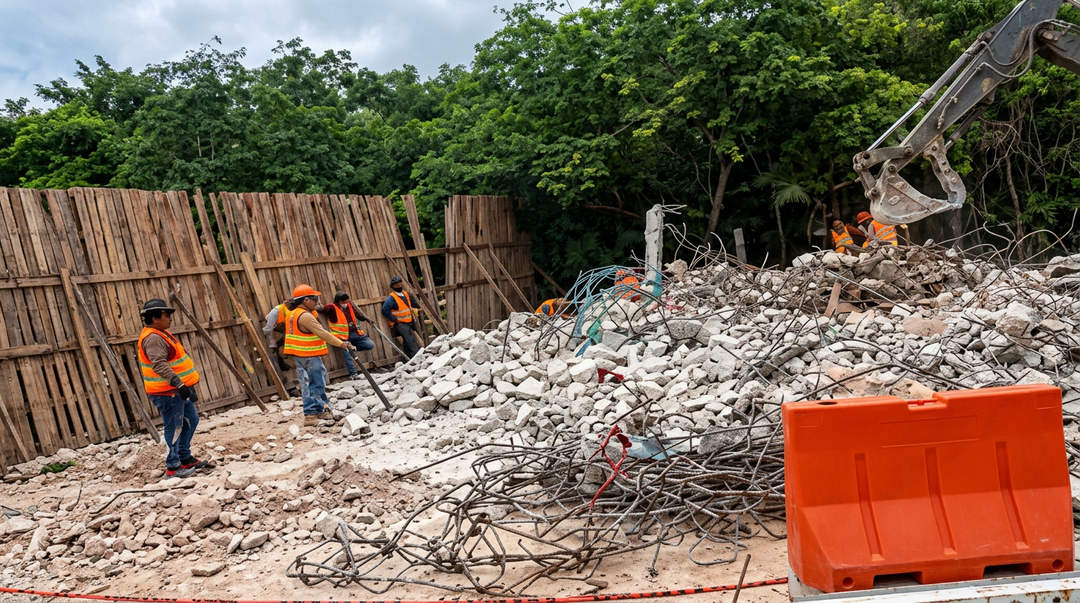
Presentar una denuncia penal federal en respuesta a una acción administrativa municipal constituye, según la mayoría de las interpretaciones legales, una escalada sin precedentes en el conflicto de Tulum. Los críticos argumentan que esto indica algo más que una disputa regulatoria: un esfuerzo deliberado por disuadir a cualquier autoridad local de impugnar las operaciones comerciales federales, independientemente de la jurisdicción aplicable.
Qué dice el artículo 115 y por qué es importante.
El artículo 115 de la Constitución mexicana es explícito. Los municipios tienen autoridad para inspeccionar y hacer cumplir las normas sobre las actividades que se realizan dentro de sus límites. La actuación del inspector fiscal no fue improvisada, sino un procedimiento administrativo documentado, una clausura, la herramienta habitual que utilizan los funcionarios municipales cuando un establecimiento carece de permisos o infringe la normativa local.
La cuestión central que plantea la denuncia de CONANP es si dicha autoridad se disuelve cuando la entidad inspeccionada tiene vínculos federales. Los expertos legales consultados por grupos ciudadanos afirman que la respuesta es no. Las concesiones federales no extinguen las facultades de supervisión municipal, especialmente cuando las operaciones se extienden más allá del perímetro formalmente otorgado.
La cuestión del perímetro es crucial. Se alega que los puestos precintados por el inspector de Tulum estaban ubicados fuera del polígono del Parque del Jaguar. De confirmarse, su funcionamiento en esos puntos quedaría directamente bajo jurisdicción municipal, independientemente de quién los administre. La CONANP no se ha pronunciado públicamente sobre la disputa de ubicación.

El conflicto del Parque del Jaguar, documentado
El enfrentamiento entre las instituciones federales y el gobierno municipal de Tulum no es nuevo. Desde que Grupo Mundo Maya comenzó a cobrar tarifas en agosto de 2025 mediante un acuerdo tripartito con CONANP e INAH, los residentes locales, los operadores turísticos, los lancheros, los artesanos y las asociaciones hoteleras han documentado una fuerte caída en el acceso de visitantes y en los ingresos comerciales.
En agosto de 2025, el alcalde Diego Castañón confrontó públicamente a Grupo Mundo Maya por su incumplimiento de los compromisos de libre acceso para los residentes locales, declarando que la situación era irresoluble mediante el diálogo tras más de diez sesiones de negociación. Posteriormente, la administración del alcalde llevó las demandas de acceso a la Cámara de Diputados, donde los legisladores de Morena respaldaron una propuesta de reforma legislativa.
Las consecuencias económicas han sido cuantificables. La ocupación hotelera en Tulum cayó aproximadamente un 17% con respecto al año anterior, un descenso que los representantes del sector atribuyen en gran medida a la estructura de tarifas de acceso en los puntos de entrada al parque. Artesanos, taxistas, restaurantes y operadores de lanchas han reportado una disminución en sus ingresos. En noviembre de 2025, Profeco realizó su propia inspección dentro del Parque del Jaguar y encontró precios que calificó de excesivos, incluyendo una hamburguesa básica que costaba 400 pesos.
Desplazamiento y exclusión operativa
Más allá de las tarifas de acceso, los lancheros y los operadores de cooperativas locales han expresado su preocupación por los supuestos planes de Grupo Mundo Maya de lanzar sus propias embarcaciones turísticas dentro del parque, compitiendo directamente con los servicios que los operadores locales han ofrecido durante décadas. Estas preocupaciones se hicieron públicas a finales de agosto de 2025, cuando los miembros de las cooperativas convocaron una reunión de emergencia tras enterarse de que la empresa supuestamente anunciaba excursiones de snorkel dentro del área protegida. Hasta esa fecha, no existía ningún acuerdo formal de cooperación entre las cooperativas y Grupo Mundo Maya.
Los trabajadores del INAH también protestaron contra el acuerdo de pago de Mundo Maya, argumentando que la empresa estaba absorbiendo funciones que históricamente pertenecían al instituto arqueológico, al tiempo que exponía el sitio a riesgos de gestión que escapaban a su ámbito de especialización.
El silencio institucional y lo que comunica
Hasta la fecha de publicación, la CONANP no ha emitido ninguna declaración pública sobre la denuncia que presentó. La FGR no ha confirmado haberla recibido ni ha proporcionado información sobre su estado. Grupo Mundo Maya no se ha pronunciado sobre el cierre de los puestos ni sobre la cuestión jurisdiccional que plantea su supuesta ubicación fuera del polígono del parque.
Según observadores cívicos en Tulum, ese silencio en sí mismo constituye un mensaje. Cuando una agencia federal presenta una denuncia penal contra un inspector local sin explicación alguna, el efecto disuasorio opera independientemente de cualquier resultado legal eventual. Los funcionarios municipales observan atentamente, y la decisión sobre si aplicar o no las regulaciones locales contra las operaciones vinculadas al gobierno federal cambia en consecuencia.
El marco jurídico que protege la autonomía municipal permanece intacto sobre el papel. Lo que se está poniendo a prueba, caso por caso y confrontación tras confrontación, es si ese marco funciona en la práctica cuando la contraparte es una institución federal con capacidad procesal.
¿Qué sigue?
La FGR debe decidir si abre una investigación formal o desestima la denuncia. El resultado sentará un precedente práctico sobre el alcance de la autoridad de inspección municipal en áreas donde operan concesiones federales, no solo en Tulum, sino en todas las zonas naturales protegidas de México donde se implementan modelos de gestión similares.
Las asociaciones empresariales, entre ellas Coparmex, han solicitado la separación administrativa entre la zona arqueológica y la estructura de gestión del parque, argumentando que el modelo de tarifa combinada ha sido perjudicial para su actividad comercial. Las autoridades municipales no se han pronunciado públicamente sobre si impugnarán la denuncia federal por la vía judicial. La alcaldía de Castañón no había respondido a las consultas de los medios de comunicación al cierre de esta edición.
Lo que resulta evidente es que la institucionalización del modelo de gestión actual del Parque del Jaguar no ha estabilizado la situación. Cada escalada, desde disputas por tarifas hasta desalojos y ahora un proceso judicial federal, profundiza la brecha entre la comunidad que depende de la costa de Tulum para su sustento y la estructura federal que ahora controla el acceso a ella.
¿Debería un inspector municipal que clausura puestos no autorizados ser procesado a nivel federal? Únete a la conversación y comparte tu opinión con nosotros en Instagram y Facebook en @thetulumtimes .
This image was generated or enhanced using artificial intelligence to improve its quality.

The Tulum Times · Newsletter
La nota sigue en tu correo.
Lo esencial de Tulum y contexto local, un par de veces por semana. Gratis.
Sin spam. Cancelá cuando quieras.
Parque del Jaguar Access, Fees, and Rules in Tulum
Coverage and practical guidance around Parque del Jaguar, public access rules, entry fees, closures, and the changing shoreline experience in Tulum.

“The best journalists reporting from paradise, highlighting the heroes that keep Tulum the most beautiful place in the world! THANK YOU!”


