

The first real decision at Alaya Tulum came before entering the room. We took off our shoes.
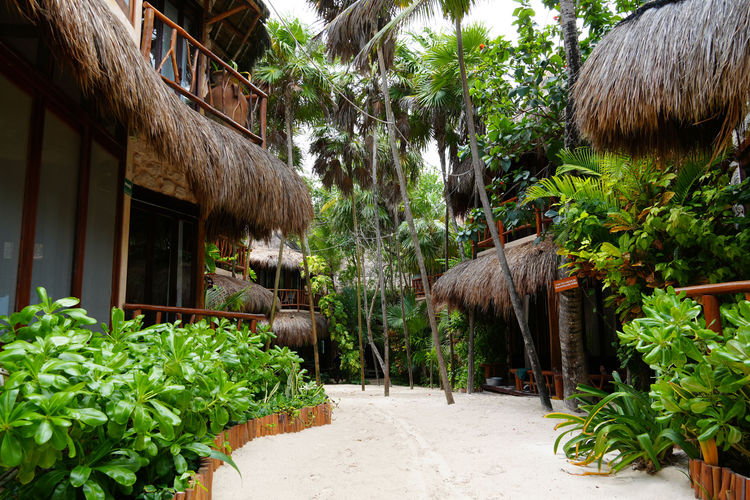
It was not a gesture prepared for the visit, but an immediate response to the place itself. The sand was already underfoot, the vegetation framed the path ahead, and beyond the wood, stone, and quiet movement of the property, the Caribbean opened in clear turquoise tones.
Invited to experience Alaya Tulum firsthand for The Tulum Times’ Featured Experiences, our editorial team was welcomed by two of the property’s managers, who received us with warmth, accompanied us to our room, and offered courtesy drinks as the stay began. The welcome was cordial and attentive, but what stood out most was the atmosphere around it. Everything seemed to move at a lower volume.
Alaya does not appear to be designed around spectacle. Its character is more intimate, more physical, and more connected to the natural elements that still define the idea many travelers have of Tulum: white sand, green vegetation, handmade wood, stone, open air, and the sea close enough to shape the pace of the day.

In a part of Tulum where many hotels compete through image, scale, or constant stimulation, Alaya works through a quieter logic. Its appeal is not based on excess. It comes from the way the property reduces noise, softens the transition between indoors and outdoors, and allows the guest to feel the beach almost immediately.
Part of Ahau Collection, which also includes Ahau Tulum, Casa Ganesh, Aldea Canzul, and Villa Pescadores, Alaya occupies a beachfront setting at kilometer 8.3 of the Tulum-Boca Paila road. Its location places guests in the heart of Tulum Beach, yet the atmosphere inside the hotel feels more protected and personal than exposed.
Within Ahau Collection, Alaya appears to occupy a more intimate position. Where the group’s wider identity connects hospitality, wellbeing, and place, Alaya expresses those ideas through smaller scale, natural materials, private corners, and a close relationship with the sand and sea.
An Ocean Front Suite built for rest
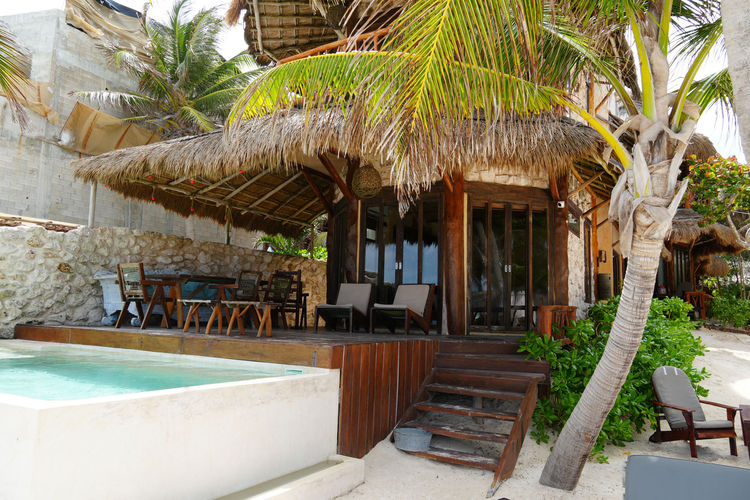
Our stay was in an Ocean Front Suite, one of the room categories that most directly expresses Alaya’s connection with the Caribbean. The suite is positioned just steps from the water, with a king-size bed facing the ocean, handcrafted wooden furniture, wood flooring, a sofa, a private bathroom, and a terrace that opens the room toward the beach.
The room was warm, comfortable, and private. It was not a large suite, and that became part of its character. The value of the space was not in its size, but in the way it worked as a refuge. It gave us enough room to rest, enough privacy to disconnect, and enough contact with the outside to make the sea feel present throughout the stay.
Inside, the use of wood, stone, and natural textures helped the room feel connected to the rest of the property. The materials did not feel ornamental. They felt consistent with the place. The architecture, the furniture, and the small details seemed to follow the same intention: to keep the experience close to nature without making it feel forced.

The windows opened toward a small balcony, and from there the view extended directly toward the sea. That view changed the feeling of the room. It made even quiet moments indoors feel connected to the beach. The Caribbean was not a distant background. It became part of the room’s rhythm.
That relationship became especially clear in the morning, when breakfast was brought to our balcony. Sitting there, with the room behind us and the sea in front of us, the experience felt simple and complete. There was food, morning light, the sound of the beach, and the quiet presence of the staff taking care of the details without interrupting the moment.
That breakfast captured much of what Alaya offers. The hotel does not need to create a dramatic scene for the experience to feel meaningful. Its strongest moments are smaller and more precise: walking barefoot through the sand, opening the room to the ocean, listening to the water from the balcony, and letting the morning unfold without urgency.
A hotel shaped by natural materials and human scale
One of Alaya’s clearest strengths is its scale. The property does not feel anonymous. It feels personal, with spaces that are small enough to preserve intimacy and open enough to maintain contact with the beach, the air, and the vegetation around it.
The construction language supports that feeling. Across the hotel, wood, stone, handmade furnishings, decks, terraces, and open-air transitions create a direct relationship with the environment. The design does not try to separate guests from nature. It allows nature to remain close.
Beyond the Ocean Front Suite we experienced, Alaya’s accommodation offering extends into several categories, each designed for a different kind of stay. Ocean View Suites offer proximity to the sea with oversized windows, handmade wood flooring, and outdoor decks. Partial Ocean View Deluxe Double suites provide more flexibility, with two full beds, larger bathrooms, and indoor-outdoor areas suited to friends, families, or guests who want additional space.

The Family Villas bring a more residential rhythm to the property, with stone walls, natural Mexican architectural references, handmade wood furnishings, a front bedroom, and a separate sleeping area with bunk-style single beds. The Garden Villas are set slightly farther back, closer to the vegetation, with covered decks that create a more sheltered relationship with the property’s natural setting.
The Garden Apartments, located in the main building, add another option for guests who want a more independent stay, with a full kitchen, king bed, and in-room dining area. Casa Alaya stands apart as a private beachfront residence within the property’s universe, offering a larger home-style experience with hotel services.
Together, these categories show that Alaya is not built for only one type of traveler. It can work for couples, wellness guests, families, longer stays, and those looking for a more private beachfront residence. What connects the rooms, villas, and apartments is not a single layout, but a shared approach: natural materials, outdoor living, privacy, and a slower relationship with the beach.
Service that protects the atmosphere
Throughout our stay, the staff remained one of the strongest parts of the experience. Their service was kind, attentive, and careful, but never intrusive. They seemed to understand that hospitality at Alaya is not only about responding to requests. It is also about protecting the calm that guests came to find.
That was visible in the way the team moved through the property. Their work was quiet and precise. Spaces were kept in order, drinks and food arrived with care, beach service was available, and the daily operation of the hotel never disrupted the sense of rest.
This kind of service can be easy to miss because it does not call attention to itself. Yet it shapes the stay in a decisive way. At Alaya, the staff did not perform luxury as a formal gesture. They made the experience easier, softer, and more fluid.
The beach service continued that same feeling. During our stay, we were able to move naturally between the room, the sand, the water, and the restaurant area. There was no sense of friction. Towels, drinks, seating, and attention were available in a way that allowed the day to remain simple.
For a beachfront hotel in Tulum, that matters. The best beach experiences are often defined less by what is added and more by what is removed: stress, noise, waiting, confusion, and unnecessary interruption. Alaya seemed to understand that well.
Restaurant Alaya and the value of eating close to the sea
Food at Alaya is part of the hotel’s relationship with place. Restaurant Alaya offers Mexican and regional flavors in a beachfront setting, with menus centered on local produce, fruits, vegetables, fresh ingredients, and a selection of cold and hot drinks.
The restaurant is set within a natural garden environment, which helps preserve the continuity of the property. Guests are not moved into a separate atmosphere when they sit down to eat. They remain close to the vegetation, the open air, and the beach.
Our most direct dining experience during the stay was breakfast on the balcony of the Ocean Front Suite. That moment worked because it felt fully integrated into the room and the sea. The meal did not interrupt the rhythm of the morning. It became part of it.
For couples, Alaya also offers a Barefoot Dinner experience, with a private candlelit table set on the beach. Within the context of this hotel, the idea makes sense. The property is already built around privacy, sand, and closeness to the water, so a private dinner by the sea feels like an extension of its character rather than a separate attraction.

Wellness without separation from the setting
Alaya’s wellness identity is one of the clearest parts of its offering. The hotel includes a yoga shala and is well suited for yoga and wellness retreats, private sessions, group classes, massages, and seasonal mindfulness activities. Guests can contact the hotel directly to access the current wellness calendar, which changes by season.
What makes this part of the experience feel coherent is that the property already creates the conditions that wellness travel often seeks: quiet, natural materials, proximity to the beach, privacy, and a slower rhythm. Yoga and massage do not feel disconnected from the hotel. They fit the atmosphere already present across the property.
The hotel also offers bike rentals, allowing guests to move through Tulum at their own pace. This detail adds a practical layer to the stay, especially for travelers who want to leave the property without depending entirely on taxis or cars. It also supports the kind of guest Alaya seems prepared to receive: independent, physically present, and interested in experiencing the destination at a human pace.

A quieter version of Tulum Beach
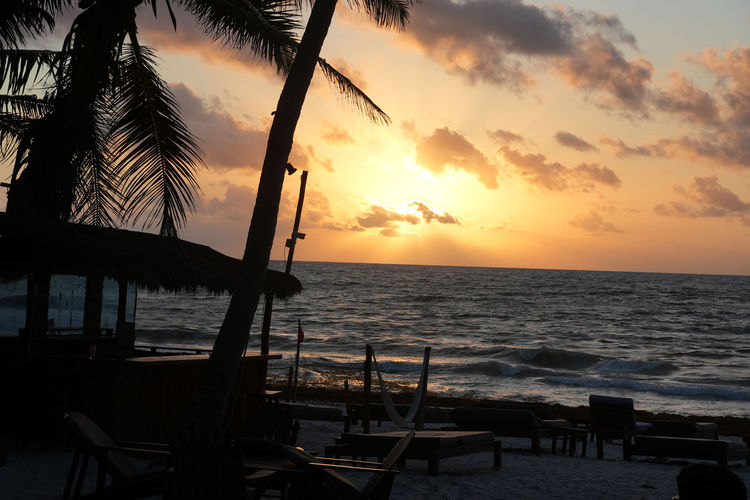
What became clear during our stay is that Alaya offers a specific version of Tulum Beach. It is not centered on large beach clubs, loud music, or constant social display. It is closer to the version of Tulum many travelers still hope to find: sand underfoot, natural textures, open views, discreet service, and enough quiet to notice where they are.
This does not mean the hotel is isolated. Its location places guests directly in the beach zone, with access to the restaurants, boutiques, movement, and energy that define this part of the destination. But inside the property, the tone changes. The experience becomes more personal, more grounded, and more focused on rest.
That distinction is important. In today’s Tulum, calm is not automatic. It has to be designed, maintained, and protected. At Alaya, much of the experience seems organized around that purpose. The rooms open toward terraces, decks, gardens, or the sea. The staff works with discretion. The restaurant keeps guests close to the beach. The wellness offering fits the property rather than competing with it.
For some travelers, Alaya’s appeal will be found in the Ocean Front Suites, where the sea shapes the room. For others, it may be in the Garden Villas, where the vegetation creates a more sheltered atmosphere. Families may find a better fit in the Family Villas or larger double suites. Guests seeking a private residence experience may be drawn to Casa Alaya. Across these different options, the same idea remains: a stay built around rest, privacy, natural materials, and closeness to the coast.
An editorial recommendation
What remains after leaving Alaya is the memory of small, precise moments: walking barefoot through the sand, entering a room that opens to the sea, having breakfast on the balcony, and watching the staff move quietly through the property to keep the experience intact.
Alaya is especially suited to travelers who want Tulum to feel slower, quieter, and more connected to the beach. It is a strong option for couples seeking privacy, wellness travelers looking for a retreat-like setting, families who prefer a more intimate hotel environment, and guests who value natural materials and human-scale hospitality over excess.
For those planning a stay in Tulum Beach and looking for a hotel shaped by sand, wood, stone, vegetation, and the sea, Alaya Tulum is well worth considering. Its strength is not in trying to impress at every turn. It is in creating the conditions for guests to rest, feel present, and remember what it means to stay close to the Caribbean.
Address: Carr. Tulum-Boca Paila Km. 8.3, Tulum Beach, Zona Costera, 77760 Tulum, Q.R.
Phone: 984 240 0955
Instagram: @alayatulum