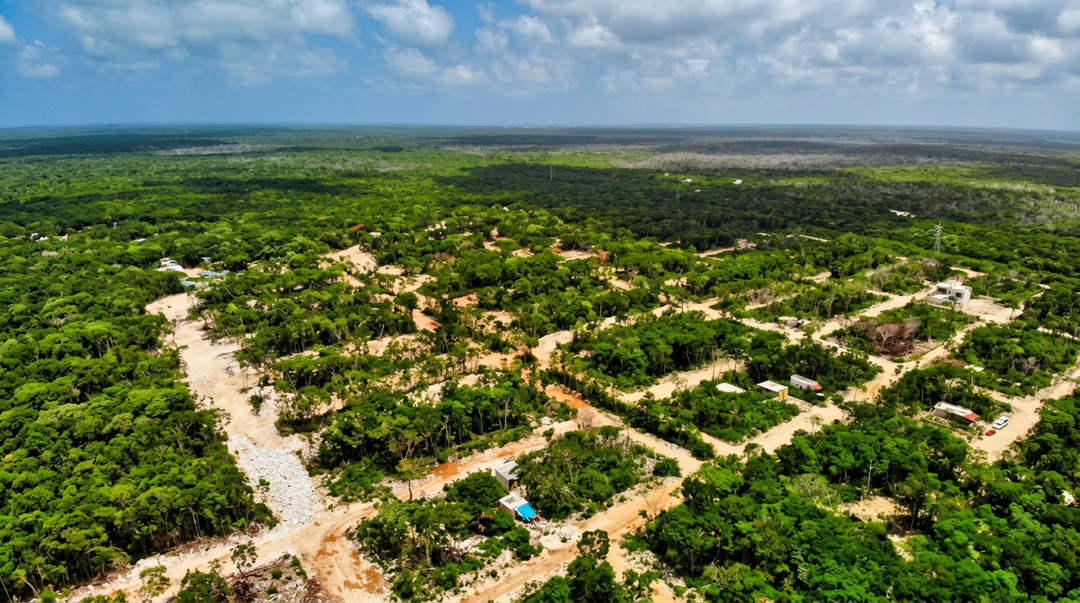
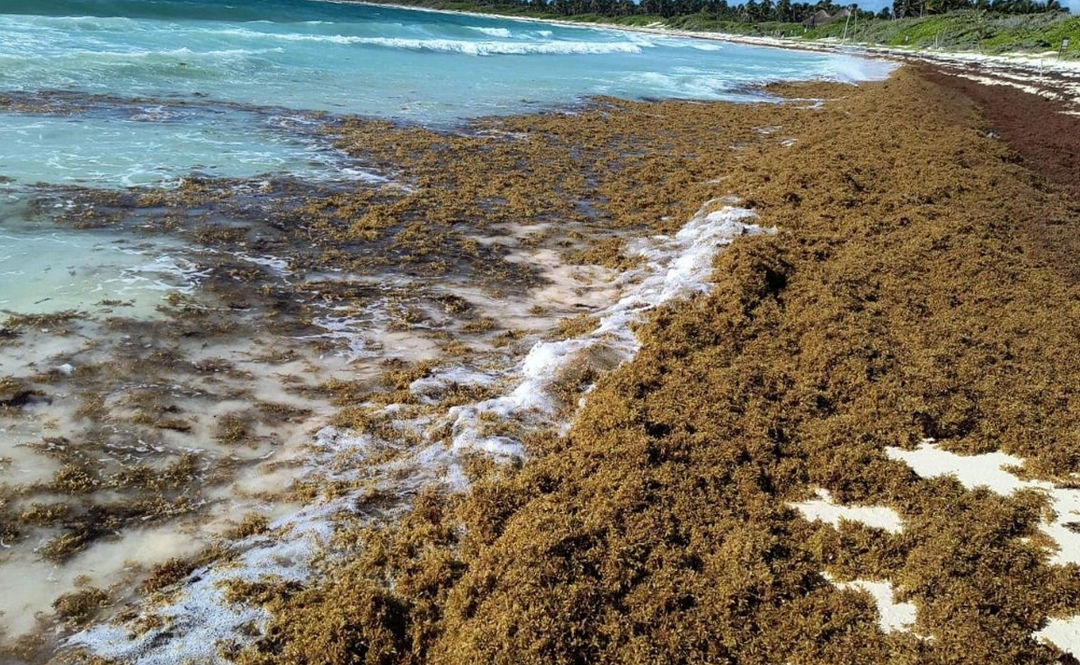
La Riviera Maya se prepara para lo que los investigadores predicen que será la temporada de sargazo más grande jamás registrada. Según las proyecciones del Laboratorio Nacional de Observación de la Tierra (LANOT) de la UNAM, se espera que aproximadamente 40 millones de toneladas de sargazo circulen por el Océano Atlántico en 2026, un volumen que supera significativamente las cantidades registradas en 2025.
La magnitud del fenómeno refleja una preocupante aceleración. Las macroalgas pueden duplicar su volumen en aproximadamente 18 días en condiciones favorables, impulsadas por el aumento de la temperatura del océano. Lo que comenzó como una molestia estacional se ha convertido en un desafío ecológico y económico permanente para destinos como Playa del Carmen y Tulum. La llegada continua de algas ha transformado la realidad operativa de las comunidades costeras que dependen casi por completo de los ingresos del turismo.
La afluencia masiva está poniendo a prueba la infraestructura de contención de la región. Las barreras de contención instaladas a lo largo de la costa de Quintana Roo han demostrado ser insuficientes para gestionar el volumen de algas que llegan. Cuando el sargazo se descompone en la costa, consume el oxígeno del agua y libera gases. El investigador de la UNAM, Jorge Prado Molina, señaló que las algas en descomposición pueden capturar metales pesados como arsénico y mercurio, lo que podría contaminar los acuíferos si no se eliminan en sitios autorizados. La amenaza ambiental va más allá del impacto visible en las playas e incluye riesgos a largo plazo para los sistemas de aguas subterráneas de la región.
Impacto económico en las comunidades costeras
La acumulación de sargazo está afectando a los negocios locales en la zona hotelera y los corredores de servicios. Comerciantes y restauranteros en las áreas afectadas de Quintana Roo reportan una disminución en sus ingresos, y algunos estiman caídas de hasta el 50% durante los períodos de mayor acumulación. La presencia de algas en descomposición en las playas lleva a los visitantes a cancelar reservas o elegir destinos alternativos. Los operadores turísticos describen tramos enteros de playa donde el paso queda completamente bloqueado por densas capas de algas.

Los proveedores de servicios locales informan que las embarcaciones y los equipos de pesca quedan atrapados en la densa vegetación, lo que interrumpe las actividades acuáticas que constituyen una parte importante de la economía regional. La industria pesquera se enfrenta a una paralización operativa cuando las redes y los barcos no pueden navegar a través de las espesas capas de algas. Para las comunidades donde el comercio marítimo y las actividades recreativas acuáticas generan sus principales ingresos, el sargazo representa una amenaza existencial para sus medios de subsistencia.
El impacto visual por sí solo disuade a los posibles visitantes. Cuando las algas se descomponen en la costa, crean lo que los investigadores denominan la "marea marrón", un proceso que transforma las características aguas turquesas del Caribe en zonas turbias con un fuerte olor a descomposición. Los hoteles y clubes de playa invierten importantes recursos en operaciones diarias de limpieza, pero la llegada constante de nuevas oleadas de sargazo hace casi imposible mantener las condiciones prístinas que definen la identidad de marca de la región en los mercados turísticos internacionales.
La erosión costera como daño colateral
Las propias operaciones de limpieza están generando problemas secundarios con consecuencias potencialmente irreversibles. La maquinaria pesada utilizada para retirar miles de toneladas de sargazo de las playas también extrae grandes cantidades de arena que no se pueden reponer. El proceso de remoción mecánica, si bien es necesario para mantener el acceso turístico, elimina inadvertidamente la barrera costera protectora que las playas brindan contra las marejadas ciclónicas y el oleaje.
Algunas zonas gravemente afectadas, como El Recodo, han perdido hasta 150 metros de playa en los últimos años. Esta erosión costera reduce el espacio disponible para la infraestructura turística y deja los hoteles más expuestos a los daños causados por los huracanes. La disminución del ancho de la playa reduce la zona de amortiguación entre las olas y las construcciones, lo que aumenta la vulnerabilidad durante la temporada de huracanes del Atlántico.
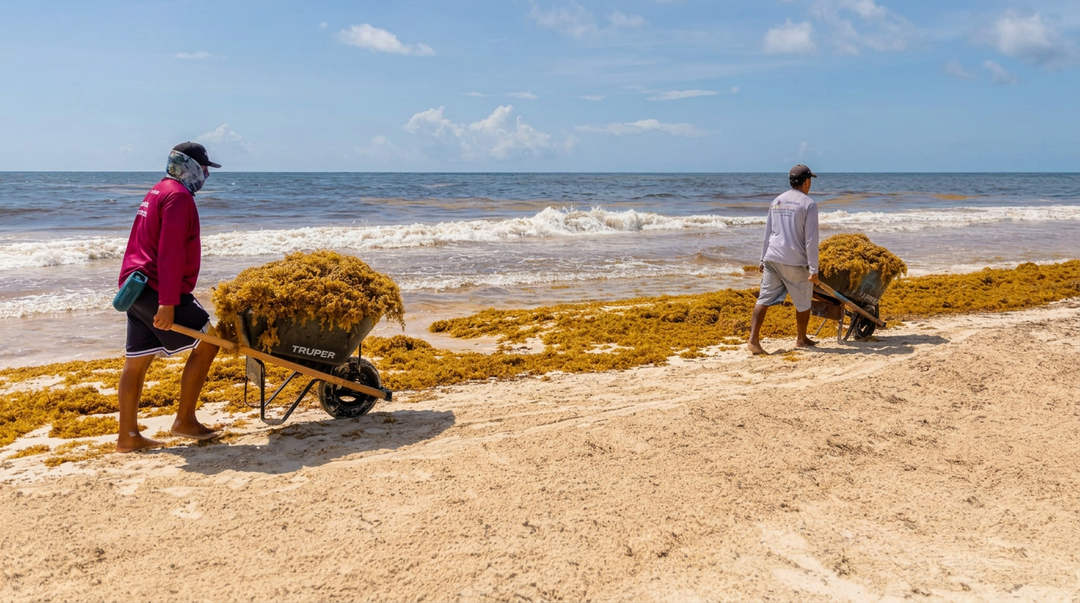
La erosión agrava el problema. A medida que las playas se estrechan, la arena restante se vuelve más valiosa y más difícil de proteger. Los propietarios se enfrentan a la disyuntiva de invertir en proyectos de regeneración artificial de playas o aceptar la pérdida gradual de sus terrenos costeros. Algunos tramos de costa que antes ofrecían amplias extensiones de arena ahora presentan estrechas franjas apenas suficientes para colocar sillas de playa.
Protocolos de respuesta bajo escrutinio
La ausencia de una estrategia federal unificada ha generado peticiones del sector privado y la comunidad académica para la implementación de protocolos de respuesta más completos. El enfoque de México para el manejo del sargazo ha sido principalmente reactivo, con operaciones de limpieza que se movilizan una vez que las algas llegan a la costa, en lugar de interceptarlas en mar abierto.
Los científicos han propuesto utilizar imágenes satelitales de alta resolución y drones para rastrear e interceptar acumulaciones de sargazo en aguas abiertas antes de que lleguen a los arrecifes y las costas. Ya existe la tecnología para identificar concentraciones de algas días o semanas antes de que lleguen a tierra, lo que podría permitir operaciones de recolección en alta mar que evitarían que el material llegara a las playas turísticas. Sin embargo, la implementación de estos sistemas requiere una inversión sustancial en infraestructura de monitoreo, embarcaciones equipadas para la recolección en aguas abiertas y la coordinación entre las autoridades federales, estatales y municipales.
El sector turístico advierte que, sin una inversión sustancial en tecnología de recolección marina y una gestión adecuada de los residuos terrestres, la posición de la región como destino internacional de primer nivel se enfrenta a desafíos a largo plazo. El problema ha evolucionado de una molestia estacional a lo que los actores locales describen como una presión económica y ecológica permanente sobre la costa de Quintana Roo.
Algunos investigadores sugieren que el sargazo podría convertirse en un recurso en lugar de un problema. Entre sus posibles aplicaciones se incluyen fertilizantes agrícolas, producción de biocombustibles, materiales de construcción y compuestos farmacéuticos. Sin embargo, para desarrollar usos comerciales del sargazo es necesario resolver los desafíos logísticos de su recolección, transporte y procesamiento, además de establecer mercados para los productos resultantes. Los metales pesados que absorben las algas también dificultan cualquier intento de transformarlas en productos para uso agrícola o farmacéutico.
Cuestiones de viabilidad a largo plazo
El fenómeno del sargazo ha obligado a los actores del sector turístico a plantearse preguntas incómodas sobre la sostenibilidad a largo plazo del modelo de desarrollo actual. La base económica de la Riviera Maya reside casi por completo en el atractivo de sus playas y aguas costeras. Cuando estos recursos se ven comprometidos por la acumulación persistente de algas, toda la propuesta de valor se enfrenta a una erosión tan literal como la desaparición de la arena.
Las autoridades regionales han aumentado la financiación para las operaciones de limpieza, pero este enfoque reactivo aborda los síntomas en lugar de las causas. Los factores fundamentales que impulsan la proliferación del sargazo, como el calentamiento de los océanos y la escorrentía de nutrientes proveniente de regiones agrícolas distantes, escapan al control de los gobiernos locales. Esta realidad coloca a Quintana Roo en la posición de gestionar un problema que no creó y que no puede resolver completamente solo con acciones locales.
La cooperación internacional podría resultar fundamental. La acumulación de sargazo afecta a varias naciones caribeñas, lo que genera un interés común en desarrollar estrategias de respuesta eficaces. En algunos debates regionales se ha explorado la posibilidad de coordinar esfuerzos de recolección en alta mar e iniciativas de investigación conjuntas para comprender y predecir mejor los patrones de movimiento del sargazo.
Los próximos meses pondrán a prueba la capacidad de la infraestructura existente para gestionar el volumen previsto. Operadores turísticos, científicos ambientales y funcionarios gubernamentales coinciden en que el enfoque actual no puede mantenerse indefinidamente. O bien surgen nuevas tecnologías y protocolos para gestionar el sargazo de forma más eficaz, o la Riviera Maya se enfrenta a la posibilidad de perder competitividad en los mercados turísticos internacionales, ya que los visitantes buscarán destinos con playas más predecibles.
¿Cuál es tu opinión sobre las soluciones a largo plazo necesarias para controlar el sargazo en el Caribe? Únete a la conversación y comparte tus ideas con nosotros en Instagram y Facebook en @thetulumtimes .

The Tulum Times · Newsletter
La nota sigue en tu correo.
Lo esencial de Tulum y contexto local, un par de veces por semana. Gratis.
Sin spam. Cancelá cuando quieras.
Tulum Sargassum Updates and Beach Conditions
Live seaweed conditions, cleanup updates, forecasts, and practical beach planning across Tulum and the Riviera Maya.

“The best journalists reporting from paradise, highlighting the heroes that keep Tulum the most beautiful place in the world! THANK YOU!”